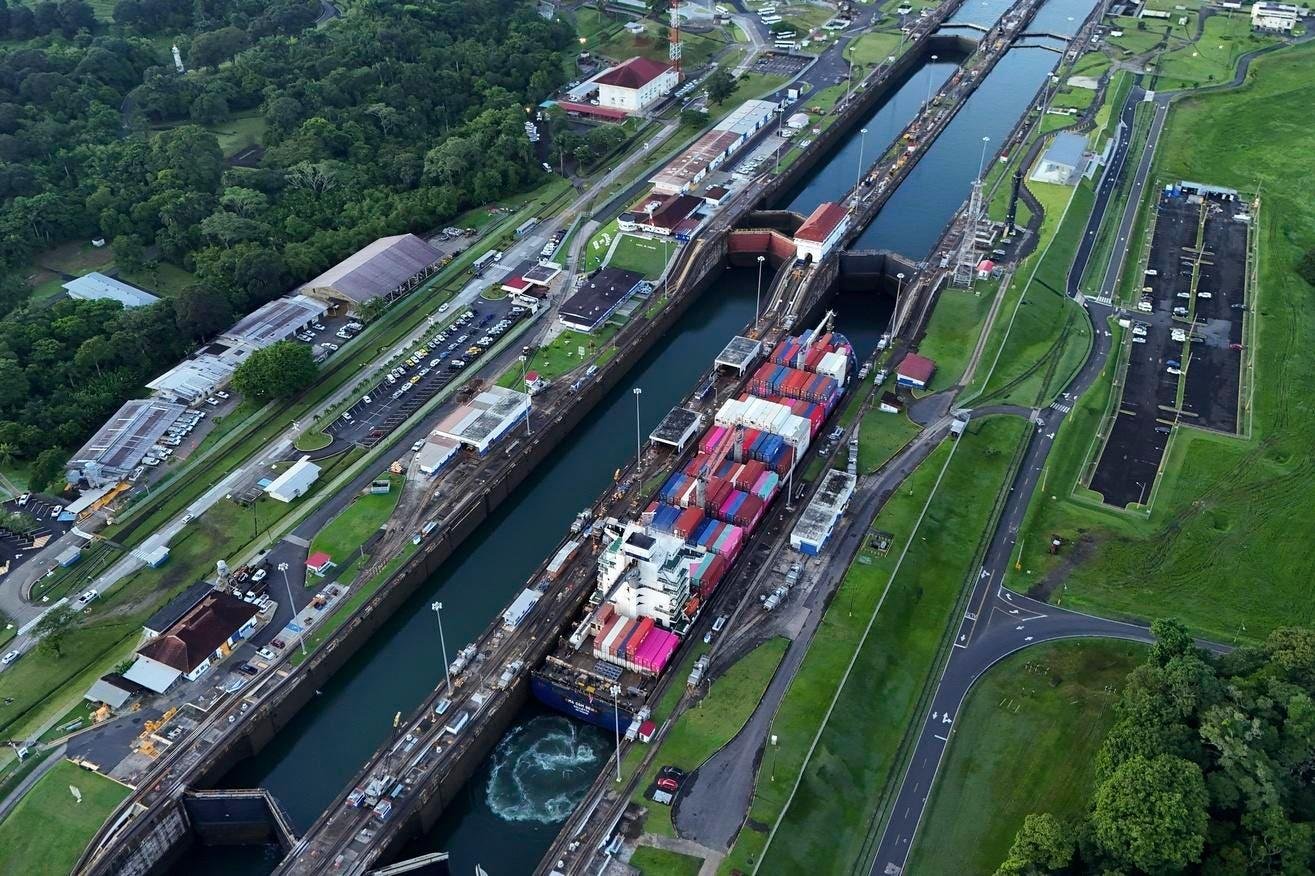
Panama Canal Signals Stronger Global Shipping Stability Amid Drought Risks in 2026 Panama City, Panama

Panama City, Panama – May 15, 2026 (Washington Insider Magazine) Maritime trade forecast expectations improved this week after Panama Canal authorities confirmed there are currently no plans to limit ship passages during 2026 despite ongoing concerns tied to drought risks and climate-related water shortages. The announcement has reassured global shipping companies, cargo operators, retailers, and investors who depend heavily on one of the world’s most important trade corridors.
The Panama Canal serves as a major artery for international commerce, connecting the Atlantic and Pacific oceans while helping transport billions of dollars in goods annually. Any operational disruption inside the canal system can immediately impact fuel prices, consumer costs, freight rates, and global supply chains.
The latest operational outlook suggests canal authorities believe current water management systems and rainfall expectations will support stable vessel movement throughout the year. Industry experts say the decision not to impose restrictions could help reduce uncertainty in global shipping markets that have experienced years of volatility caused by geopolitical tensions, inflation pressures, and climate challenges.
“Reliable shipping routes are critical for maintaining economic stability across international markets,”
one logistics analyst said following the canal’s latest operational update.
Panama Canal Operations Show Greater Stability in 2026
The latest maritime trade forecast reflects growing confidence that canal operations may remain steadier than they were during recent drought emergencies. In previous years, low rainfall levels forced officials to reduce daily ship crossings and impose transit limitations to conserve freshwater supplies needed for lock operations.
Those restrictions created costly delays across global shipping networks and forced some vessels to reroute around South America, increasing fuel usage and transportation times significantly.
Canal authorities now say reservoir management strategies and infrastructure improvements are helping stabilize operational capacity. Officials continue monitoring water levels carefully, but no immediate reductions in ship traffic are planned.
Shipping companies welcomed the announcement because the canal remains essential for transporting consumer products, industrial materials, agricultural exports, energy supplies, and manufacturing components between major world markets.
Global Shipping Industry Watches Canal Conditions Closely
The maritime trade forecast for 2026 remains closely tied to climate conditions throughout Central America. The Panama Canal depends heavily on freshwater reservoirs to operate its lock systems, making drought conditions a direct threat to vessel movement.
Maritime analysts say canal stability is particularly important as international trade continues recovering from years of supply chain disruptions and economic uncertainty.
The canal handles a substantial percentage of global cargo traffic each year, including major trade flows involving the United States, China, Europe, and Latin America. Any disruption in canal operations can trigger higher shipping costs that eventually impact consumers worldwide.
Retailers, manufacturers, and commodity exporters are continuing to monitor canal updates because freight reliability remains a critical factor in pricing and inventory planning.
“The Panama Canal remains one of the most strategic shipping routes in the global economy,”
a transportation economist said.
“Its operational reliability influences markets far beyond Central America.”
Drought Risks Still Raise Long-Term Concerns
Although no restrictions are planned at this time, the broader maritime trade forecast still includes concerns about long-term climate pressures and changing weather patterns. Scientists continue warning that prolonged drought cycles may become more common in future years due to global climate shifts.
The canal requires enormous quantities of freshwater during each vessel transit. Reduced rainfall can lower reservoir levels and limit the canal’s operational capacity during prolonged dry periods.
Climate researchers say infrastructure systems worldwide are increasingly vulnerable to environmental changes, and the Panama Canal has become one of the clearest examples of how weather can affect global commerce.
Canal officials continue investing in water conservation projects and infrastructure modernization efforts aimed at improving long-term operational resilience.
Some analysts believe additional freshwater storage systems may eventually become necessary to protect future canal operations against severe drought cycles.
Supply Chain Markets React Positively
The updated maritime trade forecast has already generated positive reactions across shipping and logistics markets. Freight companies and cargo operators have spent years adapting to unpredictable transportation disruptions caused by global economic instability and climate-related challenges.
Shipping rates surged dramatically during previous canal restrictions as vessel congestion increased and delivery schedules became less reliable.
The absence of planned restrictions during 2026 is expected to improve confidence across several major industries, including retail, manufacturing, agriculture, and energy transportation.
Analysts say stable canal traffic could help support lower freight volatility and strengthen broader global trade conditions throughout the year.
Shipping Costs Remain a Global Economic Concern
Transportation expenses continue playing a major role in inflation trends worldwide. The maritime trade forecast is therefore being watched not only by shipping companies but also by economists and financial markets.
Higher shipping costs often lead to increased prices for consumer goods, food products, electronics, automobiles, and industrial supplies. Businesses closely monitor freight conditions because transportation efficiency directly affects profitability and supply chain planning.
Stable Panama Canal operations may help reduce pressure on global shipping costs at a time when many economies are still facing inflation-related challenges.
International investors are also monitoring the canal because supply chain disruptions can influence commodity prices, manufacturing output, and trade balances across multiple countries.
“Modern economies depend on predictable logistics networks,”
one shipping consultant explained.
“A stable Panama Canal benefits both businesses and consumers globally.”
Historical Drought Cycles Continue Shaping Canal Strategy
Historical Cycles of Panama Canal Shipping Challenges
| Year | Key Event | Economic Impact |
|---|---|---|
| 2016 | El Niño drought conditions | Transit delays increased |
| 2019 | Water shortage concerns intensified | Cargo planning uncertainty |
| 2023 | Historic drought restrictions imposed | Global freight costs surged |
| 2024 | Vessel limits continued | Shipping congestion expanded |
| 2026 | Stable operations expected | Positive market outlook |
The historical trends surrounding canal operations continue influencing the broader maritime trade forecast for future years. Shipping companies are increasingly incorporating climate risk analysis into their long-term logistics planning.
Industry leaders believe future investment in resilient infrastructure and water management systems will remain essential for maintaining operational stability across global trade routes.
International Trade Depends on Reliable Maritime Routes
The Panama Canal remains one of the most strategically important transportation corridors in the world. Stable canal operations support trade efficiency between Asia, North America, Europe, and Latin America.
The latest maritime trade forecast suggests international commerce could avoid another major disruption if drought conditions remain manageable throughout 2026.
Global trade networks have already experienced multiple shocks over the past several years, including geopolitical conflicts, pandemic disruptions, inflation pressures, and supply shortages. Shipping reliability therefore remains a top concern for businesses worldwide.
Experts say avoiding canal restrictions could strengthen overall economic confidence during a period when many industries continue navigating uncertain global conditions.
Infrastructure Investments Continue Expanding
Canal authorities are continuing efforts to modernize infrastructure and improve water efficiency throughout the system. The maritime trade forecast increasingly depends on technological upgrades and long-term sustainability projects designed to protect future operations.
Several modernization initiatives focus on improving freshwater conservation and optimizing vessel transit efficiency. Authorities are also studying additional environmental protection measures aimed at supporting long-term canal reliability.
Industry observers say these investments could become increasingly important as climate variability continues affecting transportation infrastructure worldwide.