US Manufacturing Concerns Intensify as China Supply Risks Threaten Factories in Washington 2026

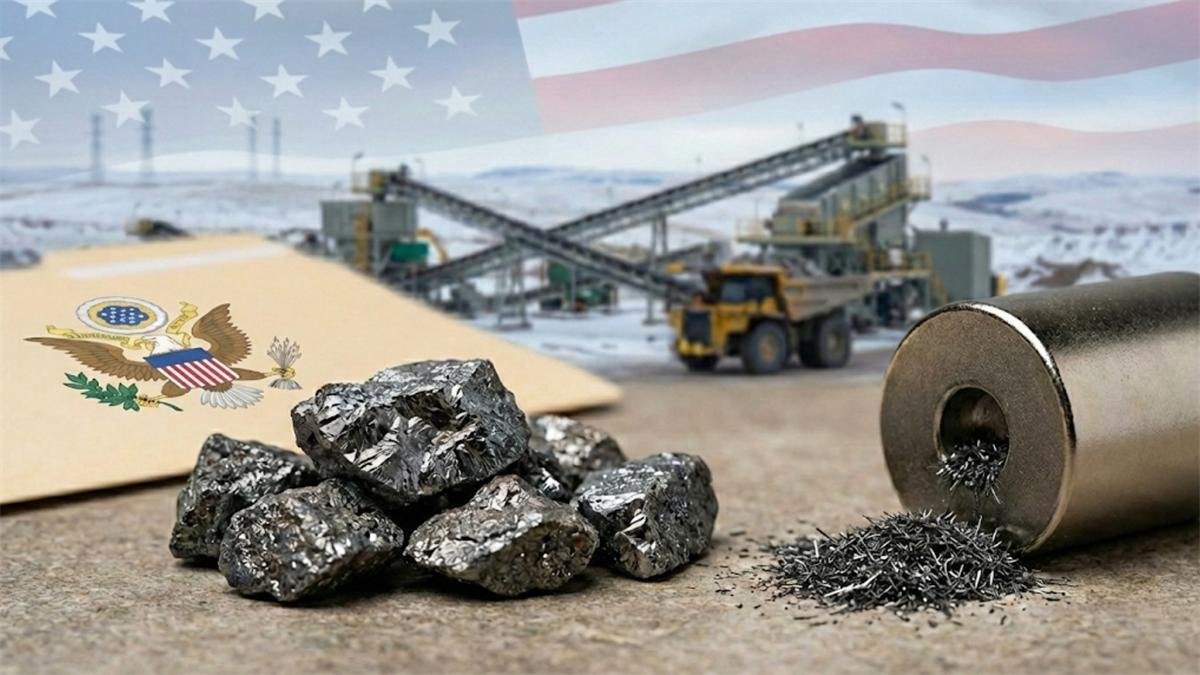
WASHINGTON, D.C., United States – May 11, 2026 (Washington Insider Magazine) US manufacturing concerns are increasing across industrial and economic sectors as American officials continue monitoring rare earth supply chains tied to China during a period of rising geopolitical tension and expanding global competition over strategic resources.
Industry leaders say stable access to rare earth minerals remains essential for advanced manufacturing operations involving semiconductors, electric vehicles, aerospace systems, defense technologies, and artificial intelligence infrastructure. The latest attention surrounding critical mineral agreements has renewed debate about long-term industrial security and supply chain resilience in the United States.
The issue arrives as manufacturers continue facing pressure from inflation, shipping disruptions, rising operational costs, and growing international competition.
“Industrial supply chains have become one of the most important economic security issues in the world,”
one manufacturing analyst said following recent trade discussions.
Rare Earth Minerals Remain Critical to Industrial Production
Rare earth materials are essential components used in advanced technologies and modern industrial systems.
The US manufacturing concerns discussion has intensified because many industries depend heavily on imported mineral processing capabilities connected to China.
Critical sectors affected include:
- Semiconductor manufacturing
- Electric vehicle production
- Defense systems
- Renewable energy infrastructure
- Consumer electronics
- Artificial intelligence hardware
Experts warn that disruptions involving rare earth supplies could slow production timelines and increase costs throughout global manufacturing markets.
The United States has increasingly focused on strengthening domestic industrial capabilities while reducing long-term dependency on foreign supply chains.
Trade Tensions Continue Influencing Supply Chains
Although trade agreements involving rare earth materials remain active, broader tensions between Washington and Beijing continue shaping global economic strategy.
The US manufacturing concerns debate reflects anxiety about:
- Technology restrictions
- Export controls
- Semiconductor competition
- Industrial security
- Strategic mineral access
Manufacturers worry that future geopolitical disputes could disrupt access to materials required for critical technologies.
Many companies are now investing heavily in alternative sourcing strategies and regional supply chain diversification.
Economic analysts say global manufacturing has entered a new era where national security and industrial production are becoming increasingly connected.
Artificial Intelligence Expansion Adds Industrial Pressure
Artificial intelligence growth has dramatically increased demand for advanced processors, semiconductors, and specialized computing hardware.
The US manufacturing concerns issue has therefore expanded beyond traditional factory production and into future technology leadership.
AI infrastructure requires:
- High-performance chips
- Advanced electronics
- Massive data centers
- Specialized industrial materials
Technology companies worldwide are competing aggressively to secure stable access to strategic resources needed for future innovation.
Experts say reliable supply chains will likely determine which countries dominate future AI and advanced manufacturing markets.
“The next industrial revolution is being driven by technology infrastructure,”
one economic strategist said during a manufacturing conference.
Companies Push for Domestic Production Expansion
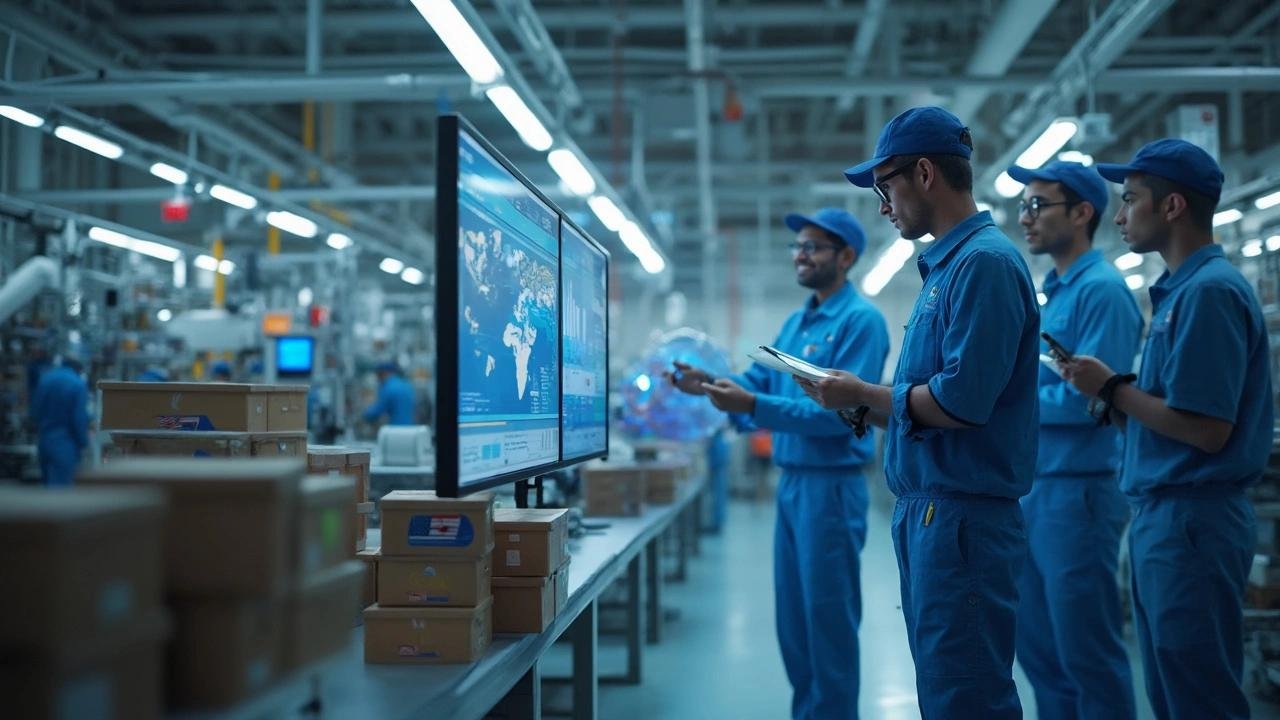
Several American manufacturers have accelerated efforts to expand domestic production capacity following recent supply chain disruptions.
Industries receiving increased investment include:
- Semiconductor fabrication
- Battery production
- Industrial automation
- Aerospace manufacturing
- Renewable energy systems
Government officials have also promoted policies encouraging industrial expansion inside the United States.
Supporters argue stronger domestic manufacturing could:
- Improve economic security
- Create jobs
- Reduce foreign dependency
- Strengthen supply chain resilience
However, economists warn that rebuilding large-scale industrial infrastructure requires significant long-term investment and workforce development.
History of America’s Manufacturing Decline
Globalization Reshaped Industrial Production
The US manufacturing concerns debate has roots extending back several decades as globalization transformed industrial supply chains worldwide.
Beginning in the late 20th century, many companies shifted production overseas seeking:
- Lower labor costs
- Expanded manufacturing capacity
- Faster global distribution
While globalization reduced costs for consumers, critics argue it also weakened parts of America’s industrial base.
Over time, concerns increased regarding:
- Factory closures
- Supply chain dependency
- Job losses
- Strategic vulnerabilities
Recent global disruptions and geopolitical tensions have renewed interest in rebuilding domestic industrial capabilities.
Rare Earth Processing Remains a Major Challenge
Although rare earth deposits exist in multiple countries, processing infrastructure remains heavily concentrated in China.
The US manufacturing concerns issue partly stems from the difficulty of rapidly replacing existing global refining systems.
Developing alternative processing capacity requires:
- Major capital investment
- Environmental approvals
- Skilled labor
- Long-term infrastructure planning
Industry experts believe reducing dependency on overseas processing could take years despite growing political support for domestic investment.
Investors Monitor Industrial Policy Closely
Financial markets are increasingly focused on manufacturing and industrial policy developments because supply chain stability now directly affects corporate profitability.
Companies dependent on advanced electronics and semiconductor technology remain especially sensitive to changes involving critical mineral access.
The US manufacturing concerns discussion has also influenced:
- Stock market sentiment
- Industrial investment strategies
- Technology sector planning
- Energy infrastructure decisions
Analysts expect governments worldwide to continue prioritizing industrial resilience as global competition intensifies.
“Manufacturing strength has once again become a strategic economic priority,”
one investment adviser said.
Renewable Energy and EV Demand Increase Competition
The rapid expansion of renewable energy systems and electric vehicle production continues driving demand for rare earth minerals and advanced industrial materials.
Governments worldwide are investing heavily in:
- Battery manufacturing
- Solar energy infrastructure
- Electric transportation systems
- Energy storage technologies
As demand rises, competition for strategic materials is expected to intensify further throughout the decade.
The US manufacturing concerns issue therefore remains closely tied to future economic competitiveness and energy transition planning.
Final Summary
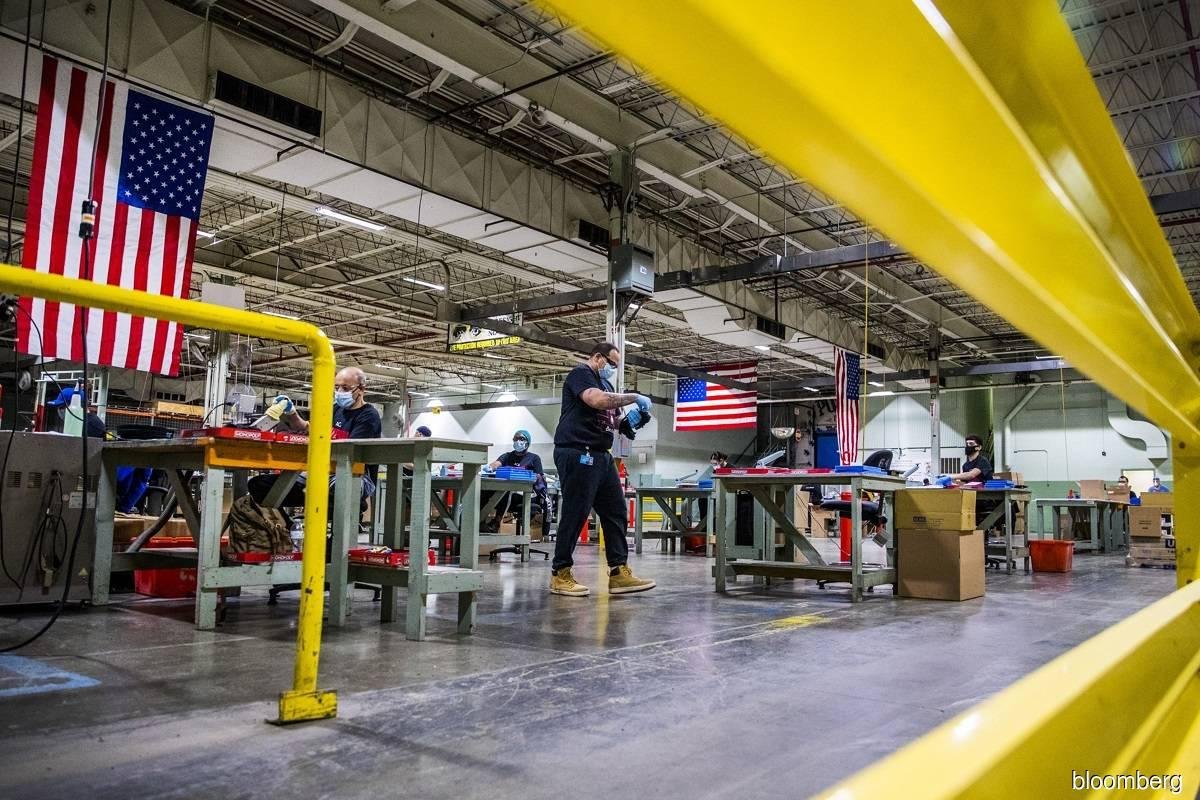
US manufacturing concerns continue growing as policymakers, businesses, and investors evaluate supply chain vulnerabilities connected to rare earth minerals and global trade tensions.
The increasing importance of artificial intelligence, semiconductors, renewable energy systems, and advanced manufacturing has elevated industrial security into a major national economic issue.
As global competition for strategic resources intensifies throughout 2026, the United States is expected to continue focusing on domestic manufacturing expansion and long-term supply chain resilience.