
VATICAN CITY – May 14, 2026 (Washington Insider Magazine) Europe defense spending has become one of the most controversial political issues of 2026 after Pope Leo sharply criticized rising military budgets across the continent, warning that Europe risks abandoning diplomacy in favor of military escalation. The Vatican speech immediately triggered international debate among political leaders, defense analysts, and humanitarian organizations.
The pope’s comments come as European governments continue increasing defense investments in response to ongoing geopolitical instability, regional conflicts, and mounting security concerns. While supporters argue stronger military preparedness is necessary for stability, critics fear the rapid expansion of military budgets could deepen tensions and weaken diplomatic solutions.
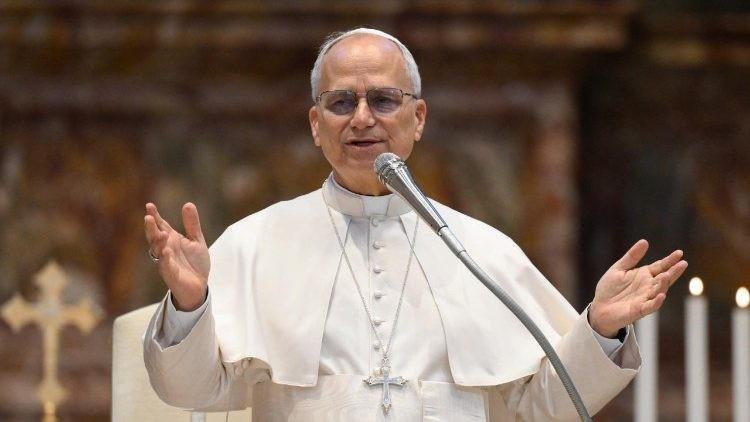
“Peace cannot survive if dialogue is replaced by fear and weapons,”
Pope Leo said during his Vatican address.
Pope Leo Criticizes Rising European Military Budgets
The Vatican speech focused heavily on the moral consequences of expanding military programs while many nations continue facing economic pressure, inflation, housing challenges, and humanitarian concerns. Pope Leo argued that Europe must avoid allowing security fears to overshadow diplomatic engagement.
The pope warned that governments investing billions into weapons systems without equal commitment to peace negotiations risk damaging long-term international stability. His remarks reflected broader Vatican concerns about increasing polarization throughout global politics.
The address was delivered before diplomats, church officials, journalists, and humanitarian representatives gathered inside Vatican City. Vatican officials later clarified that the pope was not calling for countries to abandon defense entirely but instead urging leaders to prioritize diplomacy alongside national security.
The speech quickly gained international attention because defense spending remains one of Europe’s most politically sensitive issues.
Europe Defense Spending Continues Rising Across NATO Nations
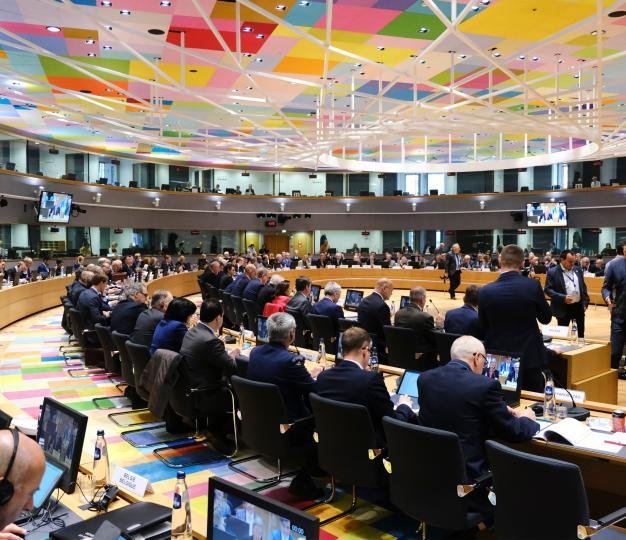
The debate surrounding Europe defense spending has intensified significantly over the last two years as multiple countries announced large increases in military budgets. Governments across Europe have expanded investments in weapons modernization, troop readiness, cybersecurity, intelligence operations, and defense infrastructure.
Several NATO member states continue working toward alliance targets encouraging higher defense expenditures relative to national economic output. Defense officials argue the changing geopolitical environment requires stronger military readiness to deter future threats.
Supporters of increased defense spending claim Europe cannot rely solely on diplomacy during periods of global instability. Many policymakers insist modern defense systems are essential for maintaining security and protecting democratic institutions.
At the same time, critics argue escalating military investments may increase global tensions instead of reducing them.
Vatican Calls for Diplomacy Over Military Expansion
The Vatican used the pope’s speech to emphasize the importance of negotiation, humanitarian cooperation, and international diplomacy. Church officials stated that global peace requires communication between nations rather than competition fueled by fear and military buildup.
According to Vatican representatives, Pope Leo believes Europe must remain committed to diplomatic leadership even during periods of instability.
“History repeatedly shows that lasting peace begins at negotiation tables, not battlefields,”
a senior Vatican official stated after the address.
Religious organizations across Europe praised the pope’s remarks, describing them as a necessary moral reminder during a period of rising international tension.
Humanitarian groups also supported the speech, warning that increased military budgets could divert funding away from healthcare, poverty relief, education, and refugee assistance programs.

European Leaders Defend Security Policies
Despite the criticism, many European officials defended their defense strategies following the Vatican remarks. Political leaders across NATO countries argued that current geopolitical conditions require stronger military preparedness.
Several governments stressed that diplomacy alone cannot guarantee security amid growing international instability. Officials also noted that defense investments support technological innovation, intelligence capabilities, and regional stability initiatives.
Some policymakers responded cautiously to the pope’s comments while acknowledging the value of diplomatic engagement.
“Diplomacy and defense preparedness are not mutually exclusive,”
one European official said following the Vatican speech.
Defense analysts noted that Europe’s strategic environment has changed dramatically in recent years, leading governments to prioritize military readiness more aggressively than in previous decades.
History of Vatican Opposition to Military Escalation
The Vatican has historically opposed excessive military expansion during major international conflicts. Previous popes repeatedly criticized arms races, nuclear weapons proliferation, and growing global dependence on military solutions throughout the twentieth and twenty-first centuries.
During the Cold War era, Vatican leaders frequently encouraged peace negotiations between world powers while promoting humanitarian cooperation and conflict mediation. Similar positions emerged during conflicts involving the Middle East, Eastern Europe, and other politically unstable regions.
Pope Leo’s latest comments continue that historical tradition by urging leaders to avoid allowing fear-based policy decisions to dominate international relations.
Analysts say the Vatican remains one of the few global institutions consistently advocating diplomacy as the primary solution to international conflict.
Economic Pressure Fuels Public Debate
The discussion surrounding Europe defense spending has also expanded into broader economic debates. Citizens across Europe continue facing inflation, housing shortages, rising living costs, and economic uncertainty, causing some voters to question whether massive military investments should remain government priorities.
Economic analysts say defense spending can stimulate industrial sectors and create jobs through military manufacturing and technology development. However, critics argue public services may suffer if governments prioritize defense budgets over domestic economic needs.
Public opinion remains divided across Europe, with many citizens supporting stronger security measures while others worry about escalating military competition.
Political observers expect the issue to remain central during upcoming elections throughout Europe.
Global Markets Monitor Defense Industry Growth
Defense contractors and military technology companies have experienced major growth due to rising European defense investments. Stock markets closely monitor government contracts involving weapons systems, cybersecurity programs, drone technology, and intelligence infrastructure.
Financial analysts say military expansion has become an increasingly important economic sector within Europe’s industrial landscape.
At the same time, humanitarian organizations continue urging governments to increase investments in healthcare systems, migration assistance, climate response initiatives, and poverty reduction programs.
The pope’s speech added further attention to these competing priorities.
Public Reaction Divided Across Social Media
Public reaction to Pope Leo’s remarks spread rapidly across social media platforms. Supporters praised the Vatican for defending diplomacy and humanitarian values during a period of growing international tension.
Critics argued the pope underestimated legitimate security risks facing Europe. Some users insisted military preparedness remains necessary given current geopolitical realities.
Online discussions reflected broader divisions throughout Europe regarding the balance between national defense and diplomatic engagement.
Still, the speech succeeded in reigniting global debate surrounding military priorities and international peace strategies.