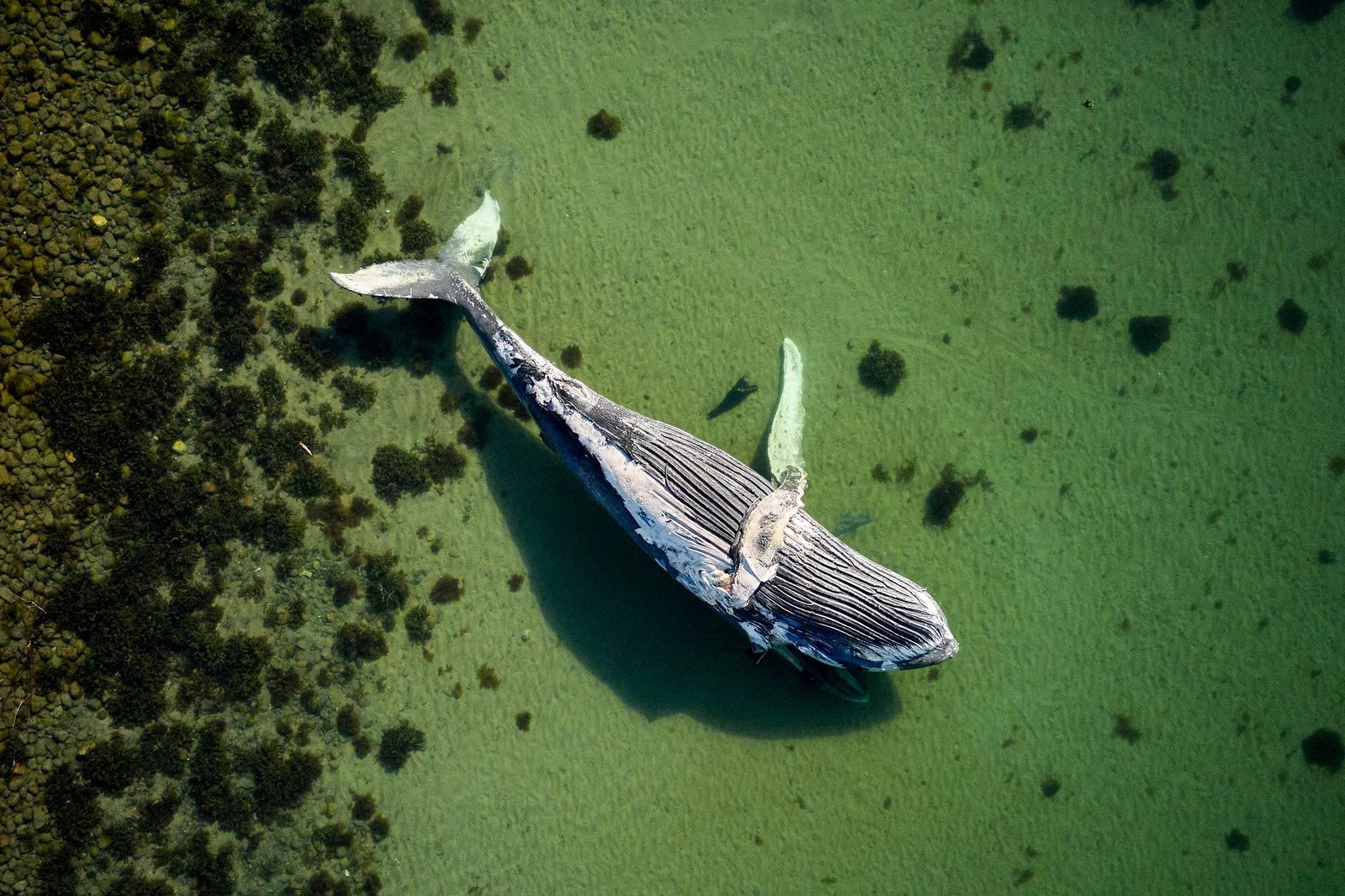
Denmark Whale Investigation Intensifies After Mystery Whale Discovery Copenhagen, Denmark 2026

Copenhagen, Denmark – May 15, 2026 (Washington Insider Magazine) Denmark whale investigation efforts intensified Friday after authorities confirmed they are examining whether a dead whale discovered along the Danish coastline could be “Timmy,” the whale that recently captured international attention during a dramatic rescue operation in Germany earlier this year.
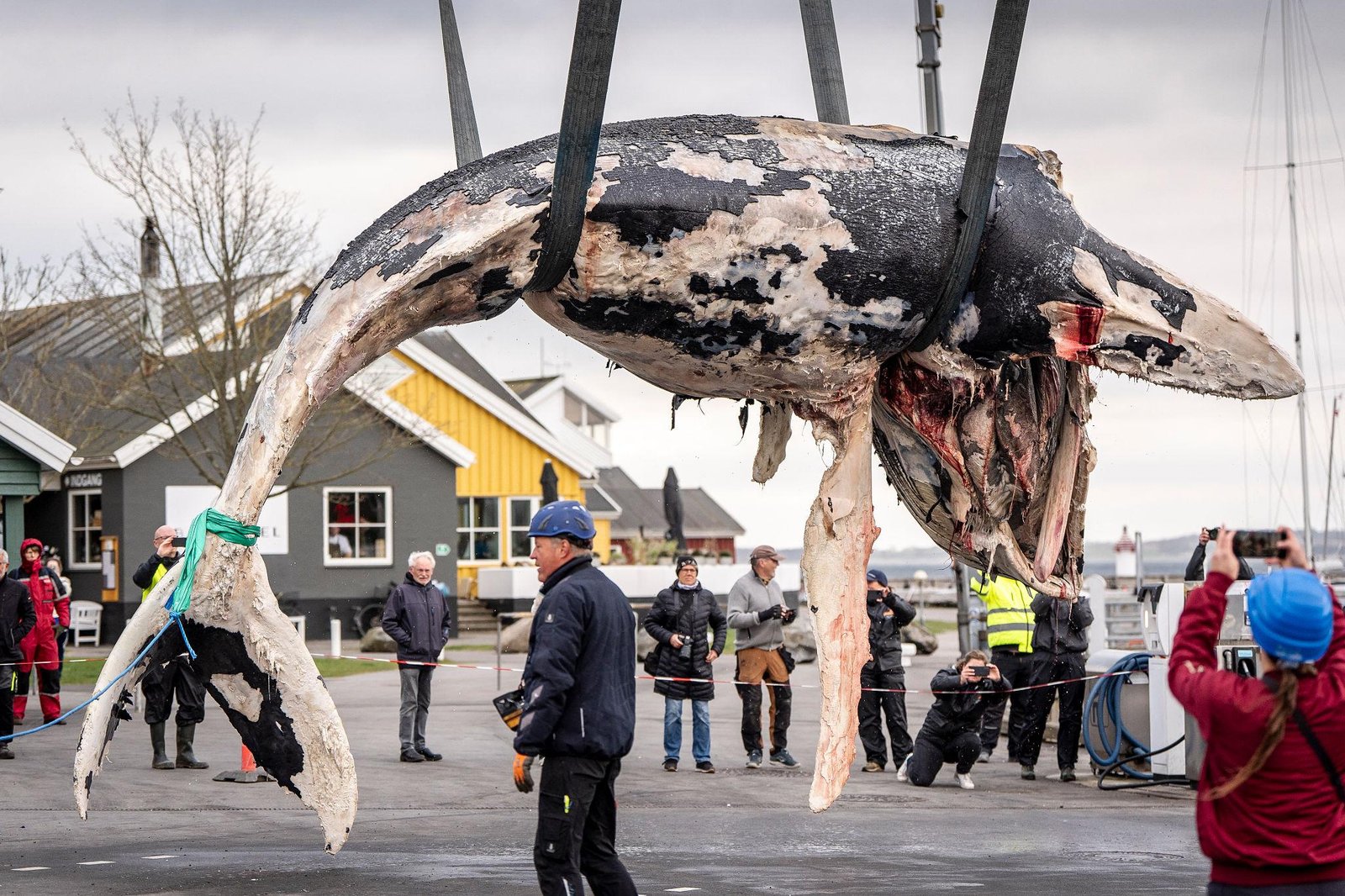
The whale’s discovery has quickly become one of Europe’s most discussed wildlife stories, drawing attention from marine scientists, conservation organizations, and social media users following updates surrounding the investigation. Officials say marine experts are carefully analyzing the whale’s physical characteristics, condition, and biological markers to determine whether the animal matches records linked to the earlier German rescue effort.
Authorities have not yet officially identified the whale, but the case has already triggered widespread public concern and emotional reactions due to Timmy’s popularity after the highly publicized rescue operation.
“Marine mammal investigations require careful scientific analysis before conclusions can be made,”
one wildlife expert said Friday.
Danish Authorities Begin Detailed Marine Analysis
The Denmark whale investigation is now centered around identifying the whale through physical examinations, environmental assessments, and comparisons with data collected during the earlier rescue mission in Germany.
Marine specialists say whales can often be identified using scars, fin patterns, body markings, coloration, and tissue analysis. In some cases, DNA testing may also help confirm identity if sufficient biological samples remain intact.
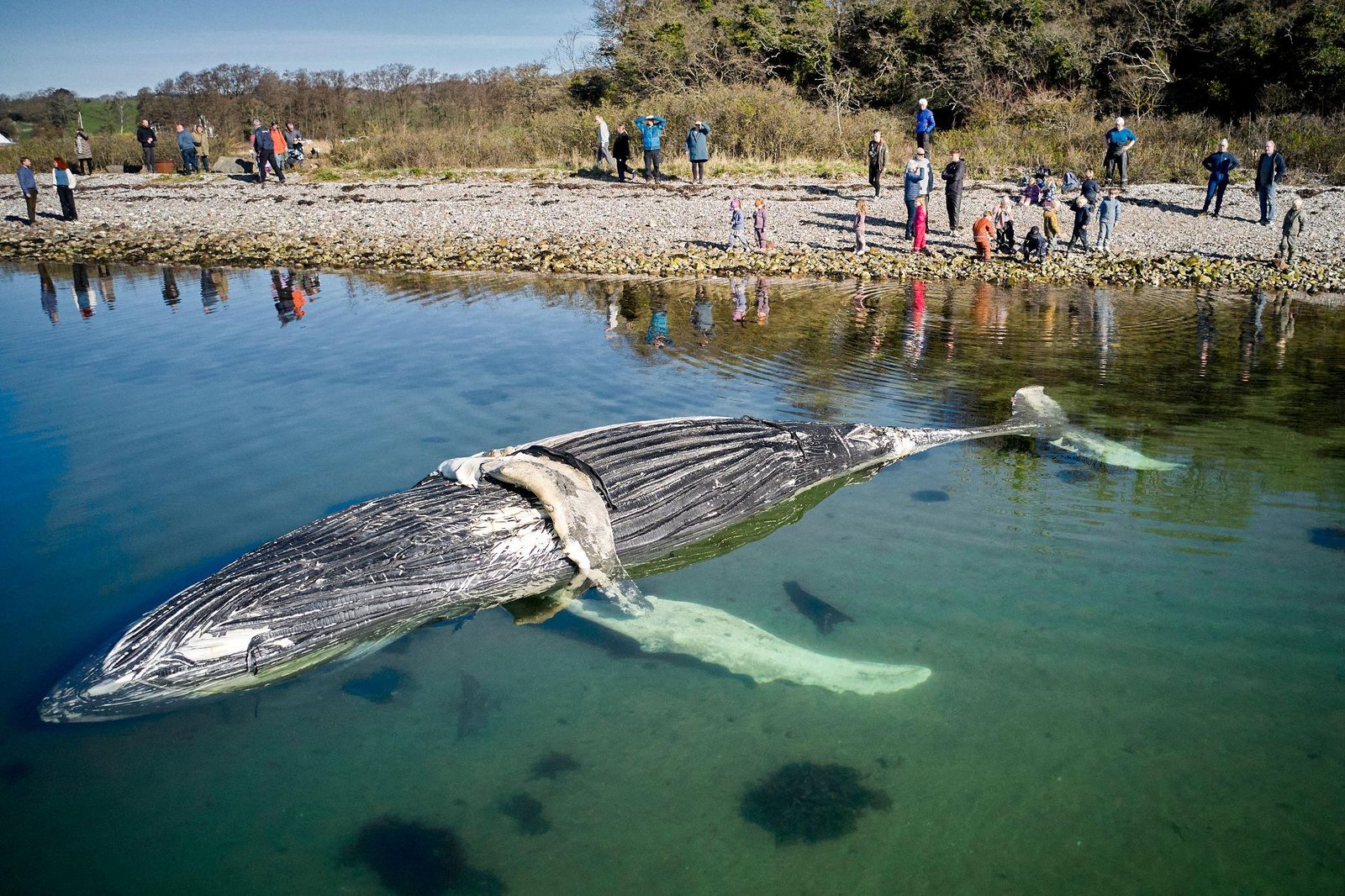
The whale was reportedly discovered near Denmark’s coastline earlier this week, prompting immediate response efforts from environmental authorities and marine researchers.
Officials have temporarily restricted access to the surrounding area while the examination continues. Wildlife experts are also urging the public not to approach marine animals found stranded or deceased along shorelines due to health and environmental safety concerns.
Germany Rescue Story Captured International Attention
The earlier rescue operation connected to the Denmark whale investigation became widely known across Europe after volunteers and marine specialists worked together to guide the whale away from shallow waters in Germany.
Images and videos of the rescue spread rapidly online, turning Timmy into a symbol of wildlife compassion and marine conservation awareness during 2026. Public support grew as rescue teams attempted to help the whale return safely to deeper waters.
Environmental groups praised the coordinated response at the time, calling the operation an example of successful cooperation between scientists, volunteers, and local authorities.
Now, the possibility that the whale may have later died has reignited debate about the long-term survival challenges whales face even after rescue efforts succeed.
“Rescue operations can save lives, but marine animals often continue facing enormous environmental pressures afterward,”
a European marine biologist explained.
Marine Conservation Groups Closely Monitoring Developments
Several conservation organizations are now closely following the Denmark whale investigation as experts work to determine whether the animal is indeed Timmy.
Marine advocacy groups say the story highlights growing concerns about environmental stressors affecting whales throughout European waters. Climate change, ocean pollution, underwater noise, and heavy shipping traffic continue creating risks for marine mammals globally.
Researchers note that whales sometimes become disoriented due to changing ocean temperatures and shifting food supply patterns. In heavily trafficked maritime areas, whales also face threats from ship collisions and industrial activity.
Environmental groups believe public attention surrounding the case may help strengthen awareness about the need for stronger marine protection policies across Europe.
Public Reaction Continues Across Europe
The Denmark whale investigation has generated major online discussion, with thousands of social media users sharing emotional reactions, rescue footage, and conservation messages tied to Timmy’s story.
Many people remembered the original rescue operation as one of the year’s most inspiring wildlife stories. Others are now expressing concern over whether the whale survived long after the earlier intervention.
The case demonstrates how strongly public audiences connect with wildlife rescue efforts, especially when individual animals become recognizable through widespread media coverage.
Several marine organizations have also used the attention surrounding the investigation to promote broader ocean conservation campaigns and fundraising efforts.
Scientists Warn About Growing Marine Risks
Marine researchers involved in the Denmark whale investigation say the case reflects larger environmental challenges facing whales worldwide. Scientists continue warning that ocean ecosystems are experiencing increasing pressure from climate instability and human activity.
Changing migration patterns, warming waters, chemical pollution, and fishing-related disruptions are among the major concerns affecting whale populations globally.
Some experts say increased rescue incidents involving stranded whales could become more common in future years as environmental conditions continue evolving.
Governments and international conservation groups are increasingly discussing the need for expanded marine monitoring systems aimed at protecting vulnerable species.
“The health of whale populations often reflects the health of the entire marine ecosystem,”
one ocean researcher stated.
Danish Coastline Remains Under Observation
Authorities involved in the Denmark whale investigation continue monitoring conditions along the coastline while specialists conduct examinations and collect evidence related to the whale’s identity and condition.
Officials have not yet released detailed findings regarding the possible cause of death. However, marine experts say environmental stress, injuries, illness, or natural causes are all possibilities that investigators may consider during the review process.
Tourists and residents have reportedly gathered near parts of the coastline following increased media coverage, though authorities are continuing to manage access in certain areas.
The investigation remains ongoing as international attention surrounding the whale story continues growing.
Historical Whale Rescue Cases Shaped Conservation Policies
Historical Cycles of Major Whale Rescue Investigations
| Year | Event | Outcome |
|---|---|---|
| 2018 | North Sea whale rescue | Whale returned to sea |
| 2020 | Baltic marine mammal stranding | Conservation protocols expanded |
| 2023 | European beluga rescue mission | International cooperation increased |
| 2026 | Denmark whale investigation | Identification process ongoing |
The history of major whale rescue operations across Europe has influenced marine conservation strategies and emergency wildlife response planning. Experts say public awareness surrounding these cases has also increased significantly over the past decade.
Environmental Policy Discussions Intensify
The growing attention surrounding the Denmark whale investigation is also increasing pressure on policymakers to strengthen protections for marine wildlife habitats.
Conservation groups continue calling for stricter shipping regulations, expanded protected marine zones, and stronger pollution controls aimed at reducing environmental risks for whales and dolphins.
Several European environmental organizations argue that long-term ocean protection will require greater international cooperation due to the migratory nature of marine mammals.
Researchers say protecting whale populations also supports broader ecological balance within ocean ecosystems worldwide.