
- US
Congress members urge Trump administration to prioritise diplomatic
engagement with Africa, amid State Department perceptions of the continent
as peripheral to national interests. - Secretary
of State Marco Rubio declined South Africa’s G20 foreign ministers’
meeting invitation, citing misalignment with US priorities focused on
trade over aid. - Congressional
Democrats and Republicans express concerns over reduced foreign
assistance, unfilled senior Africa positions, and shift to commercial
diplomacy. - Administration
emphasises transactional trade deals, dismantling USAID structures, while
Congress pushes for statutory summits like the required US-Africa Leaders
Summit. - Tensions
escalate with South Africa over human rights claims, G20 exclusions, and
tariffs, highlighting broader policy realignment under Trump’s National
Security Strategy.
Washington (Washington Insider Megazines) – 22 January
2026 – Members of the US Congress have urged the Trump administration to
prioritise diplomatic engagement with Africa amid perceptions that the State
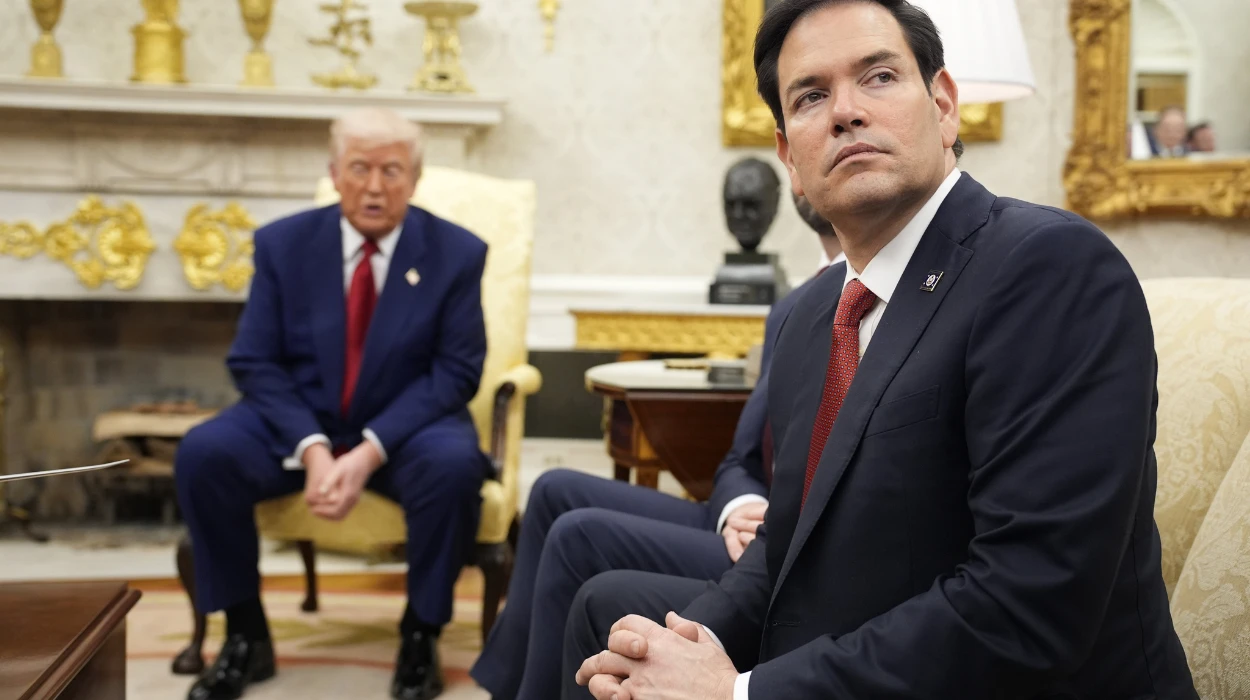
Department views the continent as peripheral to national interests. Secretary
of State Marco Rubio has declined invitations to key African-led forums,
including South Africa’s G20 foreign ministers’ meeting, citing misalignment
with US priorities. Congressional Democrats and some Republicans express
concern over reduced aid, unfilled senior positions, and a shift to commercial
diplomacy, while the administration emphasises trade over traditional
assistance.
Congressional leaders from the House Foreign Affairs
Committee’s Africa Subcommittee have demanded answers from Secretary Rubio
regarding the administration’s approach to Africa. Ranking Member Gregory Meeks
and subcommittee Democrats highlighted violations of laws mandating a US-Africa
Leaders Summit, with no planning communicated after 250 days. Reports indicate
the administration has no plans for the 2025 summit despite statutory
requirements in the National Defense Authorisation Act.
State Department Signals Shift in Africa Priorities
 Credit: Getty
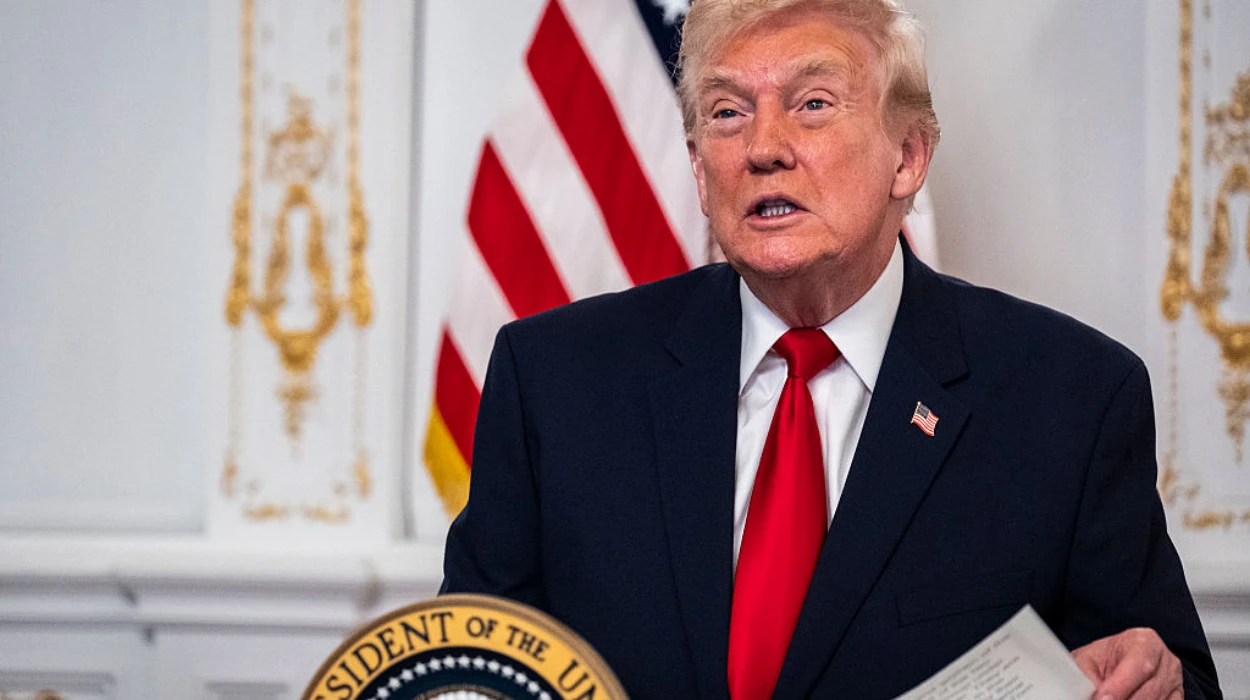
The Trump administration’s National Security Strategy places
Africa at the document’s tail end, adopting a transactional framework focused
on trade, investments, and geopolitics rather than aid and democratic norms.
Carnegie Endowment analysts note the strategy invokes conflict resolution goals
but undermines them through elimination of USAID, termination of the State
Department’s conflict bureau, and deprioritisation of governance. Jane Munga
from Carnegie’s Africa Program described the brief Africa section as delivering
a “reset” with selective engagement for stability and markets.
Secretary Rubio declined to attend South Africa’s G20
foreign ministers’ meeting in February 2025, stating it promoted “DEI and
climate change” instead of US interests. He affirmed his role advances
America’s national priorities, not “coddling anti-Americanism.”
President Trump excluded South Africa from the 2026 G20 summit in Miami, citing
alleged human rights abuses against white farmers and halting US payments.
Congressional Pushback on Aid Cuts and Vacancies
House Foreign Affairs Democrats, led by Meeks, sent a letter
to Rubio demanding clarification on the skipped US-Africa Leaders Summit
required by law. They expressed alarm over reports of no summit plans, critical
for US-African collaboration. The letter noted over 250 days since the NDAA’s
enactment without State Department communication.
Politico reported the administration’s “Africa blind
spot,” with unfilled key positions like NSC senior director for Africa and
assistant secretary of State for African affairs. A senior East African
diplomat lamented a “period of darkness” as Washington remains absent
from regional de-escalation. Alan Boswell of the International Crisis Group
stated the US was often the sole actor to de-escalate interstate conflicts but now
provides nothing from Washington.
US diplomats conceded limited bandwidth due to priorities
like Ukraine and Israel-Hamas, vowing to prevent regional flames. The State
Department rebutted, claiming highest-level engagement on every crisis via
ambassadors.
Commercial Diplomacy Reshapes US-Africa Ties
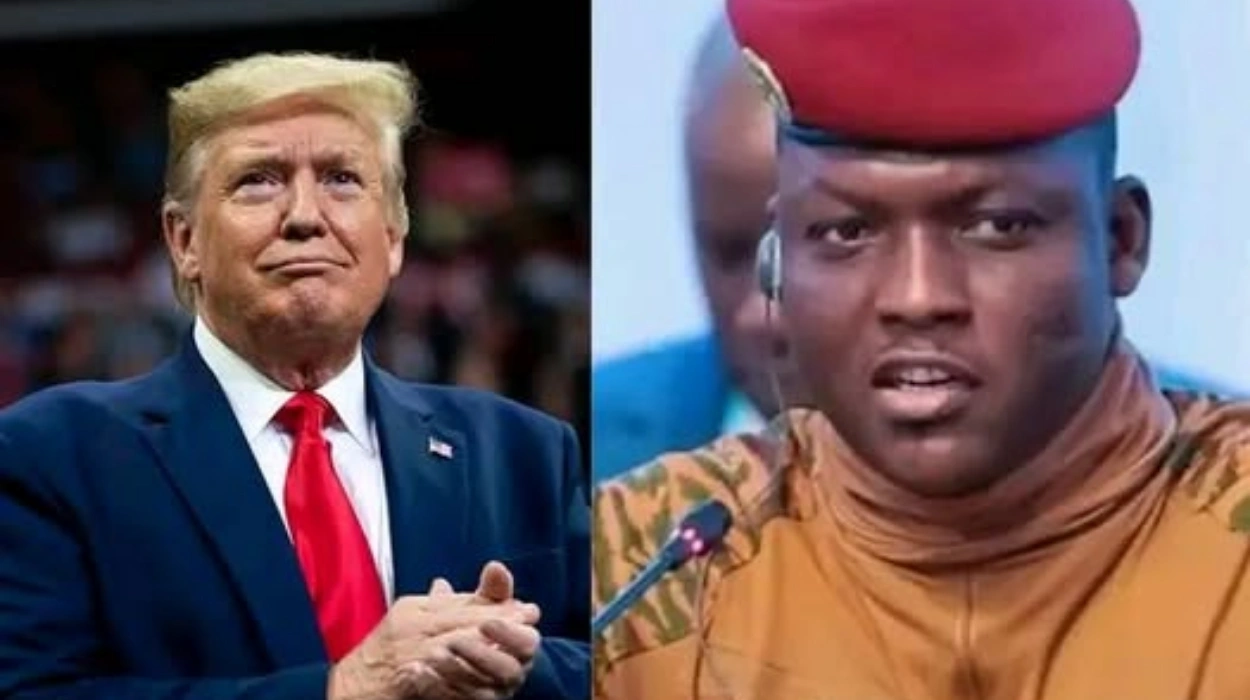 Credit: fb/Ibrahim
Traore
The administration pursues “trade, not aid,”
aligning with dealmaking diplomacy by dismantling USAID and foreign assistance
structures. CSIS analysis highlights the Bureau of African Affairs’ Commercial
Diplomacy Strategy and hopes for African Growth and Opportunity Act (AGOA)
revival after its September 2025 expiry.
Congressional appropriators funded development and diplomacy
in FY26, providing $19 billion more than Trump’s request for State Department
and foreign assistance. Bipartisan support persists for DFC reauthorisation,
expiring October 2025, passed House Foreign Affairs 43-2. PEPFAR funding
remains key, with analysts warning defunding would forfeit soft power.
Brookings noted enduring congressional consensus on Africa
since PEPFAR and BUILD Act, despite Trump policy shifts. Key nominees like
Rubio, Michael Waltz, and Elise Stefanik voiced concerns over South Africa’s
policies.
Specific Tensions with South Africa Escalate
Trump suspended aid to South Africa in February over alleged
white farmer discrimination, escalating with a 30% tariff and ambassador
expulsion. He threatened military action in Nigeria for Christian protection
and imposed 15% tariffs. Rubio’s G20 snub and Trump’s Miami exclusion cited
“politics of grievance” and economic mismanagement.
South Africa
supplies nearly 100% of US chromium imports and over 25% of manganese,
titanium, platinum needs. Relations deteriorated swiftly post-inauguration,
with travel bans and sanctions threats unlikely to abate.
Broader Implications for Regional Engagement
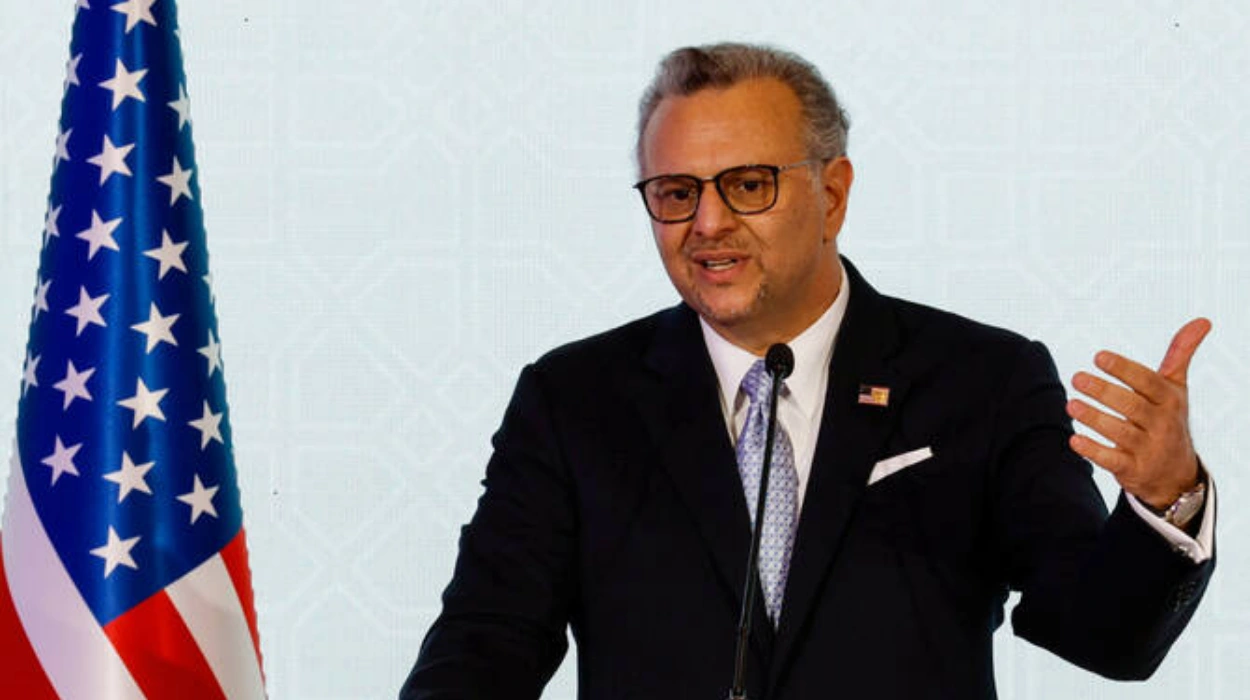 Credit: REUTERS
CFR panelists discussed potential Trump-term shifts, urging
special envoys for Sudan-Horn crises and conferences with African-Arab states.
Emphasis on Africa as partners against China requires tangible offers beyond
rhetoric. Trump team eyes dealmaking in conflicts like Sudan for humanitarian
relief.
The administration bombed sites in Nigeria and Somalia
alongside Middle East targets. Analysts predict transactional engagement
prioritising business over democracy promotion. Congress weighs South Africa’s
G20 role against its democratic-industrial status.