
The 2025–2026 Iranian protests have resulted in a highly
disputed death toll, with estimates ranging widely due to government
crackdowns, internet blackouts, and varying methodologies from human rights
groups. Reports from organizations like Human Rights Activists in Iran (HRANA)
and Iran Human Rights (IHRNGO) document thousands of protester deaths since
late December 2025, amid widespread unrest against economic hardship and
political repression.
This article provides a structured, factual examination of the
reported figures, timelines, and contributing factors, drawing on verified
sources as of January 2026.
Historical Background
of Protests
Iran has a long history of public demonstrations challenging
the Islamic Republic’s authority, from the 1979 Revolution to the 2009 Green
Movement and 2022 Mahsa Amini protests. The current wave erupted on December
28, 2025, initially sparked by soaring inflation, unemployment exceeding 40% in
some regions, and subsidy cuts on fuel and food staples.
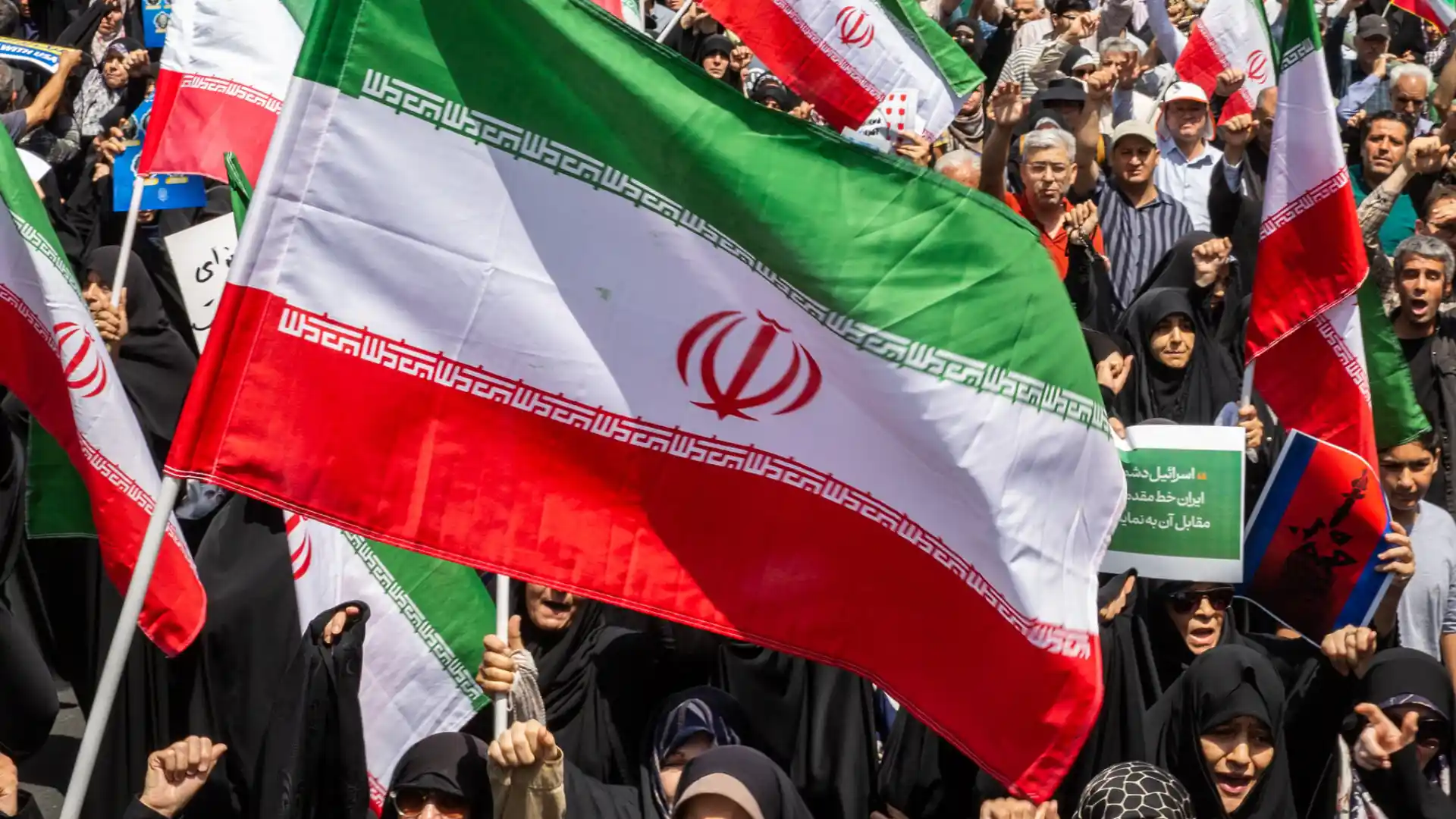
Protests quickly spread to all 31 provinces, with millions
participating in cities like Tehran, Shiraz, and Isfahan, demanding regime
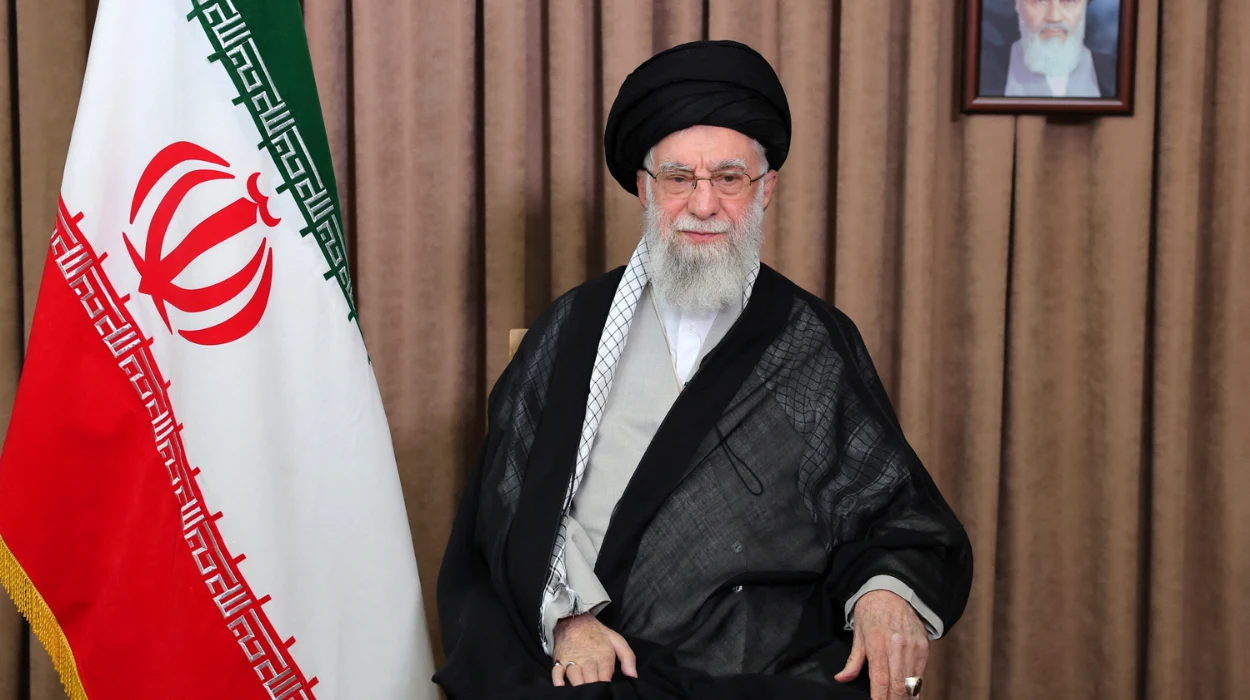
change and chanting “Death to the Dictator” against Supreme Leader
Ali Khamenei.
 Credit: REUTERS/File Photo
Unlike prior unrest, these demonstrations involved coordinated
actions by students, workers, and ethnic minorities, including Kurds and
Baluchis, escalating into clashes with security forces. By early January 2026,
hospitals reported overwhelming caseloads of gunshot wounds, signaling
intensified use of lethal force. The government’s response included a
near-total internet shutdown from January 8, severely limiting real-time
casualty verification.
Timeline of Key
Events and Casualties
Protests began modestly but intensified rapidly. From
December 28 to January 6, 2026, HRANA recorded 34 protester deaths and over
2,000 arrests across 285 locations. On January 7, an additional 13 fatalities
brought the toll to 45, per Iran Human Rights. Security forces deployed live
ammunition, tear gas, and water cannons early on, with verified videos showing
Basij militia firing into crowds in Malekshahi.
By January 8, Tehran alone saw at least 217 deaths in a
single day, contributing to nationwide figures surpassing 500. Internet
restrictions from that date obscured reporting, but leaked hospital data and
smuggled footage indicated mass casualties.
On January 10, Iran International estimated 2,000 protester
deaths in the prior 48 hours, while Time Magazine suggested up to 6,000
excluding morgue disposals. HRANA updated its count to 2,403 confirmed
protester deaths by mid-January, including 12 minors, alongside 147 security
personnel fatalities.
Reported Death Toll
Estimates
Casualty figures vary significantly across sources due to
verification challenges. HRANA, a U.S.-based monitor, confirmed 1,850 protester
deaths as of January 14, with 2,403 by January 18. IHRNGO reported 3,428
protester killings from January 8-12 alone, totaling 3,428 confirmed, mostly
under age 30. Higher estimates include Iran International’s 12,000 and activist
reports to CBS of 12,000-20,000, based on medical sources.
Government figures contrast sharply: An official told
Reuters on January 18 that over 5,000 total deaths occurred, including
protesters and security forces, attributing some to “terrorists”.
Khamenei acknowledged “several thousand” deaths in a January 17
speech. Western media like The Sunday Times cited 16,500-18,000 killed and 330,000
injured as of January 17.
Amnesty International and Human Rights Watch verified at
least 28 deaths, including children, by January 3 across 13 cities.
Security losses include 135 personnel per HRANA, with 147 by
later counts. Independent analyses, such as from academics on January 11,
pegged 6,000 deaths using hospital reports.
Regional Breakdown
of Fatalities
Casualties concentrated in urban centers and minority
regions. Tehran reported 217 deaths on January 8, with hospitals like Imam
Khomeini overwhelmed. In Kurdish areas, such as Sanandaj, dozens fell to IRGC
gunfire, with videos showing bodies in streets. Baluchistan saw heavy
crackdowns, contributing to ethnic minority overrepresentation over 40% of
verified deaths despite comprising 20% of protesters.
Shiraz and Isfahan recorded hundreds combined, per leaked
morgue footage analyzed by BBC Verify showing nearly 200 bodies, many
teenagers. Rural sites like Malekshahi witnessed base sieges, killing 3-4
instantly. By January 5, the Institute for the Study of War noted 179 protests
in 24 provinces, correlating with dispersed fatalities.
Factors Inflating the
Toll
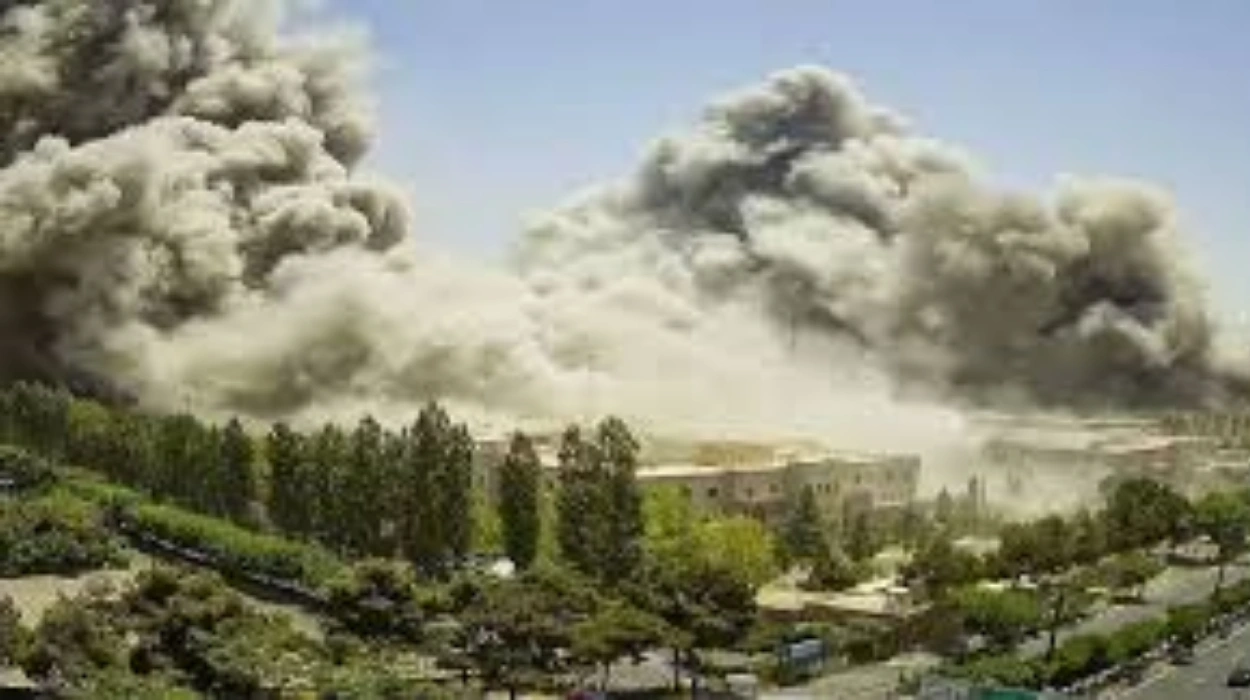
Security forces’ tactics drove the high numbers. Rifles,
shotguns with metal pellets, and indiscriminate firing marked the response, per
Amnesty. IRGC and Basij bases became focal points, with agents shooting from
inside compounds. Arbitrary arrests exceeded 10,000, many leading to deaths in
custody from torture.
Credit: insta/jewishbreakingnews
The January 8 internet blackout hid body counts, as families
reported morgue refusals and secret burials. Forensic evidence from videos
confirmed headshots and pellet wounds on children. Economic desperation fueled
persistence, but live ammo deterred crowds, yet protests continued in over 30
cities.
Human Rights
Documentation Methods
Groups like HRANA cross-reference videos, hospital logs, and
witness testimonies, confirming 483 deaths initially and scaling to thousands.
IHRNGO uses Norway-based networks for 3,428 verifications. BBC and Al Jazeera
analyzed footage for authenticity. Challenges include blackouts and threats to
medics, undercounting true figures.
Government Response
and Denials
Iran imposed martial law-like measures, deploying 500,000
forces. State media framed deaths as “rioter” or foreign plots,
blaming Israel and the U.S.. Khamenei’s speeches justified force, while
executions of protesters resumed. International probes stalled amid access
denials.
International
Reactions
The U.S., under the President Trump, condemned the
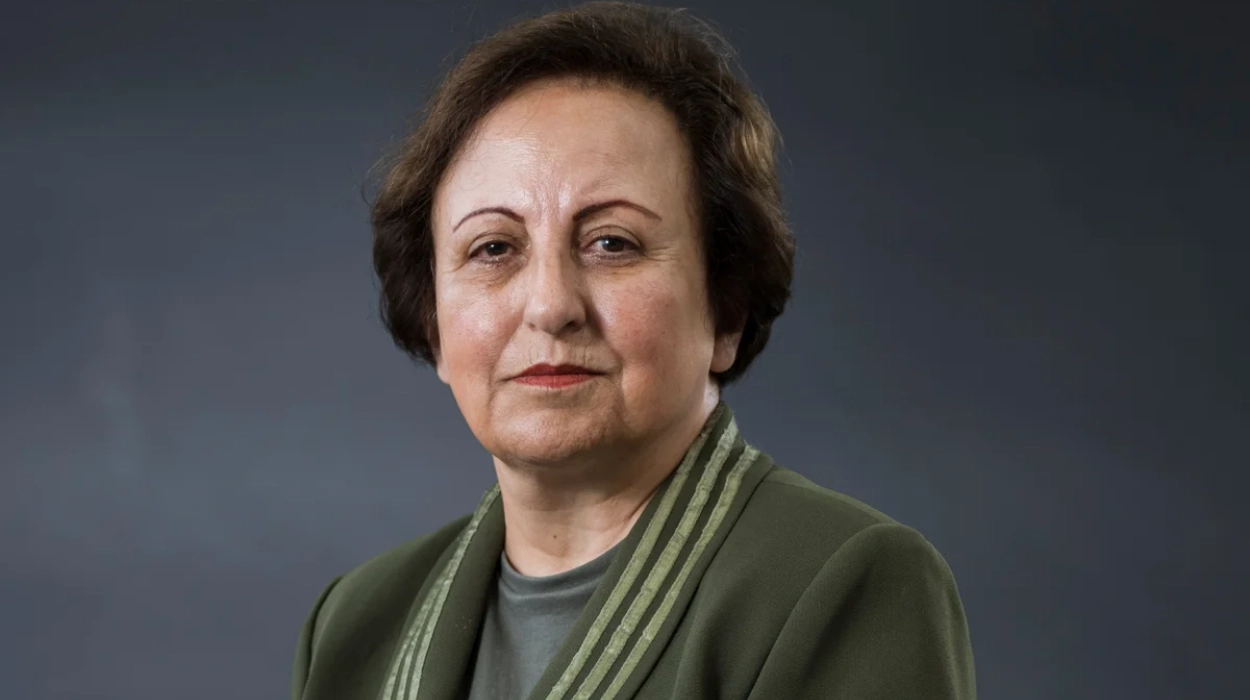
“massacres,” with HRANA citing over the 2,000 deaths. Nobel winner
Shirin Ebadi warned of genocide risks. The UN and EU called for investigations,
but Russia and China blocked resolutions. Sanctions targeted IRGC leaders.
 Credit: Awakening/Getty Images
Broader Implications
The death toll underscores Iran’s deepening crisis, with
protests signaling regime fragility. Over 330,000 injuries compound healthcare
collapse. The emigration surges, and the economic losses from the shutdowns
exceed $10 billion. Future verifications may adjust figures upward.