
- President
Trump enacted key 2024 campaign economic promises through the July 2025
tax and spending reconciliation bill, extending 2017 tax cuts and
eliminating taxes on tipped wages. - High
tariffs imposed since April 2025, termed “Liberation Day,” did
not boost manufacturing jobs, with monthly employment declines amid rising
consumer prices. - Unemployment
rose to 4.6% in 2025, persistent inflation continues, contrasting with
projected $30-100 billion tax refunds supporting 2-3% growth forecasts for
2026. - Campaign
pledges to end inflation and revive manufacturing fell short, as prices
keep rising without focus on housing or childcare costs. - Administration
highlights investments and job creation, though polls show sliding support
as voters report no felt financial improvements one year on.
Washington (Washington Insider Megazines) – 22 January
2026 – President Donald Trump fulfilled key 2024 campaign economic pledges
through the July 2025 tax and spending reconciliation bill, extending 2017 tax
cuts and eliminating taxes on tipped wages. High tariffs imposed since April
2025, dubbed “Liberation Day,” failed to boost manufacturing jobs,
with employment declining monthly amid rising consumer prices. Unemployment
reached 4.6% in 2025, inflation persists, yet tax refunds are projected at
$30-100 billion in early 2026, supporting growth forecasts of 2-3%.
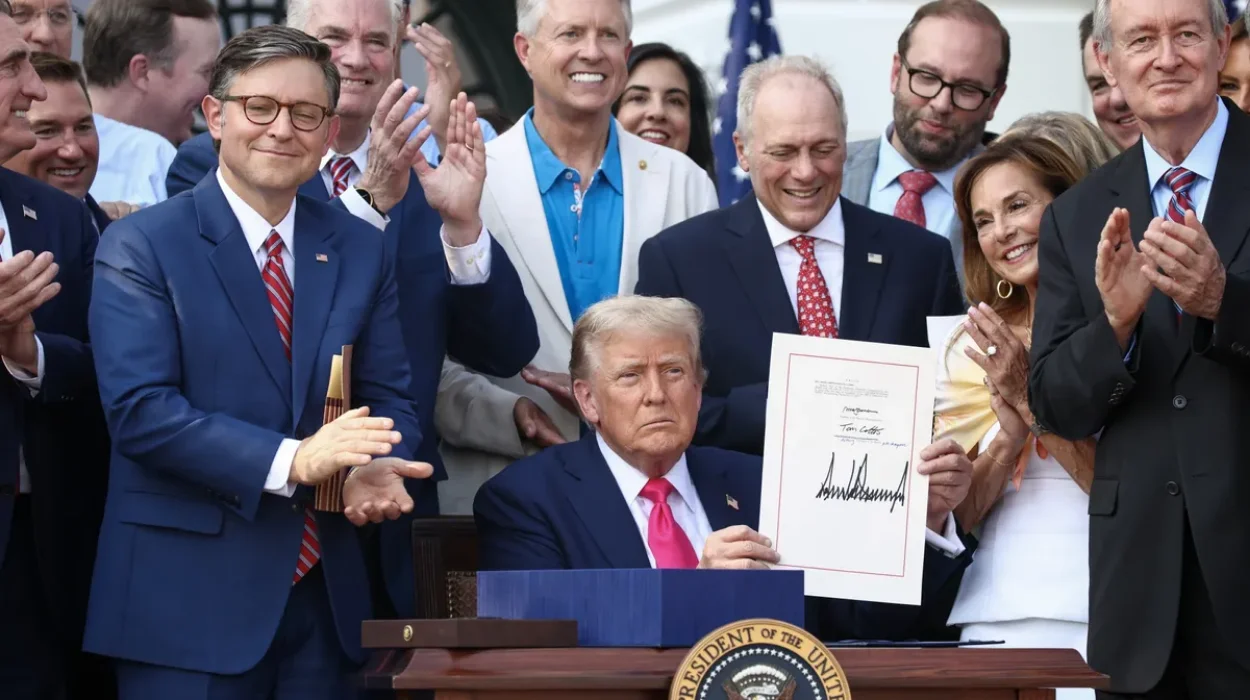
Trump signed the “One Big Beautiful Bill Act” on 4
July 2025, advancing Republican priorities via reconciliation. The legislation
extended individual and corporate tax cuts from his first term and exempted
tipped income from federal taxes. Administration officials report $158 billion
in tariff revenues for 2025, with $31 billion in August alone.
Tax Cuts and Refunds Deliver Short-Term Boost
 Credit: Samuel Corum/Getty Images
Taxpayers anticipate larger refunds in the first half of
2026 due to withholding adjustments from the new bill. Economists estimate an
aggregate stimulus of $30-100 billion, alongside incentives for business
investments in plants and equipment. Bloomberg economists project this will
sustain economic expansion into 2026, aided by lower borrowing costs.
The Council of Economic Advisers forecasts real GDP growth
4.6-4.9% above baseline, equating to 1.1-1.2 additional annual percentage
points. Real investment could rise 7.3-10.2%, protecting or creating 6.9-7.2
million full-time jobs, while reducing deficits by up to $11.1 trillion
dynamically. The White House touts over $5 trillion in new private and foreign
investments in the first 100 days, generating 450,000 jobs.
Tariffs Fail to Revive Manufacturing as Promised
 Credit: authory.com
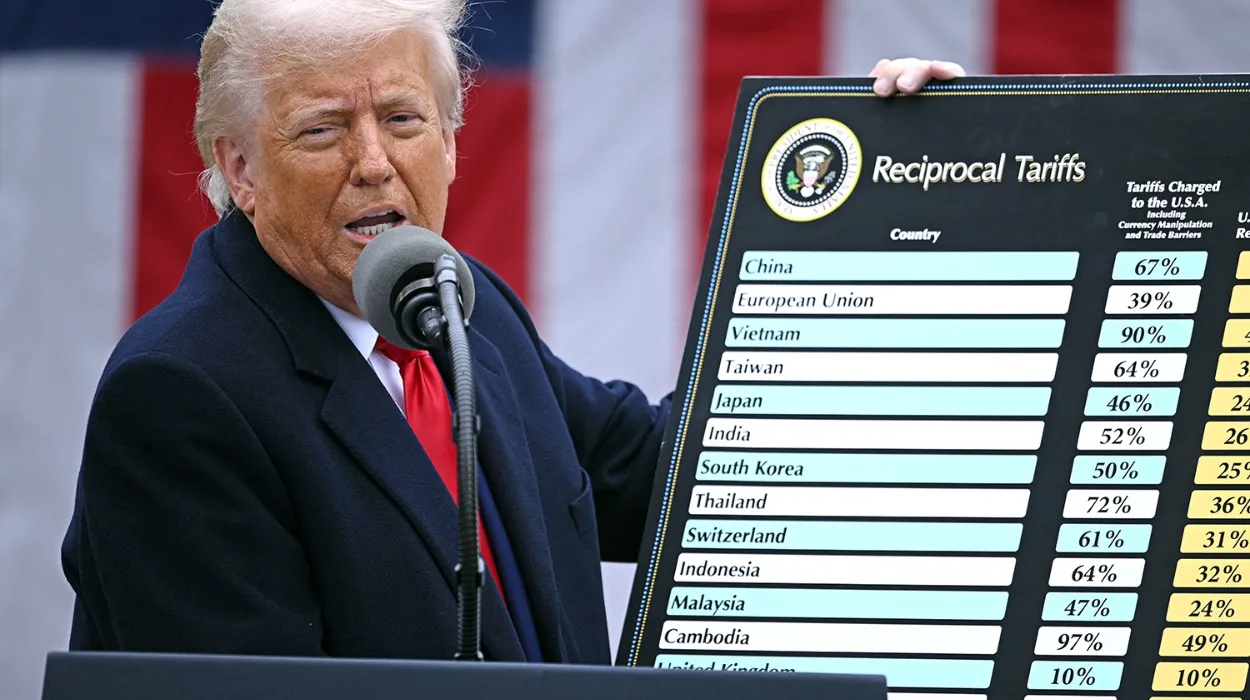
Trump announced sweeping tariffs in April 2025 as
“Liberation Day,” claiming they would bring jobs and factories
roaring back. Manufacturing employment declined every month through 2025.
Consumer Price Index (CPI) rose following the announcement, contradicting
Trump’s December 2025 claim that “inflation has stopped.”
The New York Times reported tariffs did not spark the
pledged manufacturing revival and added to household costs without the
anticipated inflationary spike. Households face $1,300-2,100 extra annual
expenses from tariffs, deregulation, and inflation. Targeted sectors saw 2.7%
employment reduction due to automation and retaliatory measures.
Unemployment Rises Amid Labour Market Weakness
Unemployment climbed to 4.6% in 2025, with economists
expecting stabilisation around 4.5% in 2026 alongside job growth. The Federal
Reserve noted weakening labour demand and supply, considering December 2025
rate cuts. Wall Street Journal economists raised 2026 growth outlook despite
initial tariff shocks slashing 2025 projections from over 2% to 0.8%.
Stock market gained 16% in 2025, reflecting steady
performance. Consumer spending remains strong, with low unemployment earlier in
the year, though inflation stays stubbornly high but improving.
Campaign Promises on Prices Fall Short
Trump campaigned on ending inflation and slashing prices on
Day One. One year in, prices continue rising, with no focus on housing or
childcare costs. He extended ACA subsidies for affordability but prioritised
tariffs over cost-of-living relief.
USA Today noted Trump largely fell short on lowering prices,
as statistics show persistent increases. Surveys indicate voters do not feel
promised improvements despite administration claims of reversing “Biden
stagflation.”
Broader Policy Shifts and Uncertainties
Trump
reduced Federal Reserve autonomy, dismissed the Bureau of Labor Statistics
head, and cut university research funding. He engaged in private business,
bought company shares, and threatened non-compliant CEOs. Stringent immigration
curbs, alliance questioning, and tariffs on allies/adversaries marked the
approach.
Supreme Court ruling on tariffs could disrupt revenues and
refunds. Wharton projected $5.8 trillion primary deficit increase over 10 years
conventionally, $4.1 trillion dynamically, with falling hours worked, capital,
and GDP.
Administration Touts Gains Despite Polling Slide
White House highlights economic successes one year into the
term. Polls show sliding support as economic narrative fails to resonate. Trump
predicted the “largest tax refund season of all time” for 2026.
CPAC lists fulfilled “America First” mandates,
including investments and jobs. NJ.com reports many yet to feel drastic
financial improvements promised.