
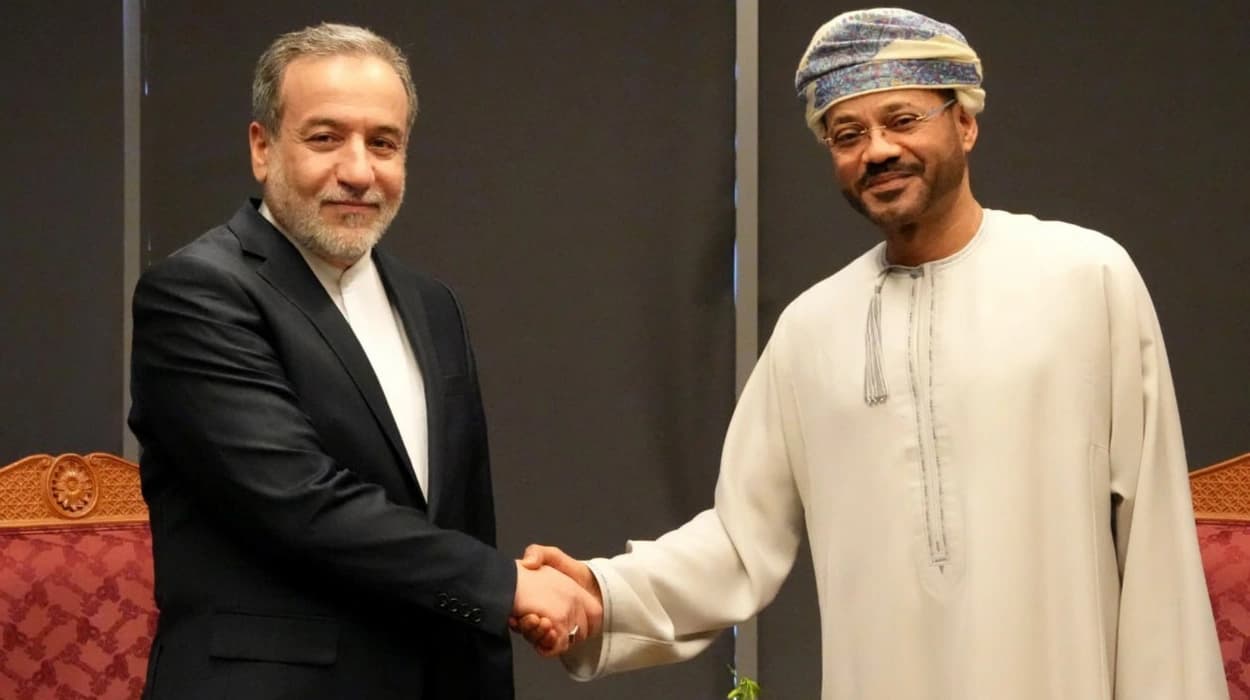
- Indirect Talks in Oman: US and Iran delegations began indirect negotiations on 6 February 2026 in Muscat, mediated by Omani Foreign Minister Badr al-Busaidi.
- Key Delegations: Steve Witkoff leads US team; Iran's Abbas Araghchi heads Tehran side, focusing on nuclear limits, IAEA access, and sanctions relief.
- Nuclear Concerns: Agenda covers Iran's 408kg 60% enriched uranium stockpile, centrifuge expansion at Natanz/Fordow amid JCPOA breach reports.
- Regional Tensions: Talks occur amid US B-52 deployments, Iranian missile tests, and proxy conflicts heightening war fears.
- Historical Context: First formal engagement post-Trump's 2025 inauguration and 2018 JCPOA withdrawal, building on prior Oman-mediated rounds.
Muscat (Washington Insider Magazine) February 6, 2026 – The United States and Iran commenced indirect talks in Oman on Friday concerning Tehran's nuclear programme. Omani officials mediate between separate delegations from both countries. The discussions occur amid heightened regional tensions and military deployments.
Delegations from the United States and Iran gathered in Muscat on Friday for indirect negotiations focused on Iran's nuclear activities, according to reports from Reuters and Al Jazeera. Omani Foreign Minister Badr al-Busaidi presided over the opening, confirming the indirect format through Omani intermediaries. US Special Envoy Steve Witkoff and Iranian Foreign Minister Abbas Araghchi led their respective teams.
Reuters reported on 4 February 2026 that both sides agreed to the Oman venue after initial disagreements over location, shifting from earlier proposals involving Turkey. Al Jazeera confirmed Araghchi's arrival in Muscat on Thursday evening, expressing thanks to Omani leadership for arrangements.
Associated Press noted the talks represent the first formal engagement since President Donald Trump's January 2025 inauguration. A White House official verified US participation to news agencies.
Discussing the Associated Press coverage of the Oman mediation, Bassem Mroue باسم مروه - @bmroue said in X post,
“#Oman mediates indirect #US-#Iran talks over #Tehran's nuclear program.”
#Oman mediates indirect #US-#Iran talks over #Tehran's nuclear program https://t.co/JdoNUYXZ0S
— Bassem Mroue باسم مروه (@bmroue) February 6, 2026
What Preparatory Steps Led to the Muscat Negotiations?
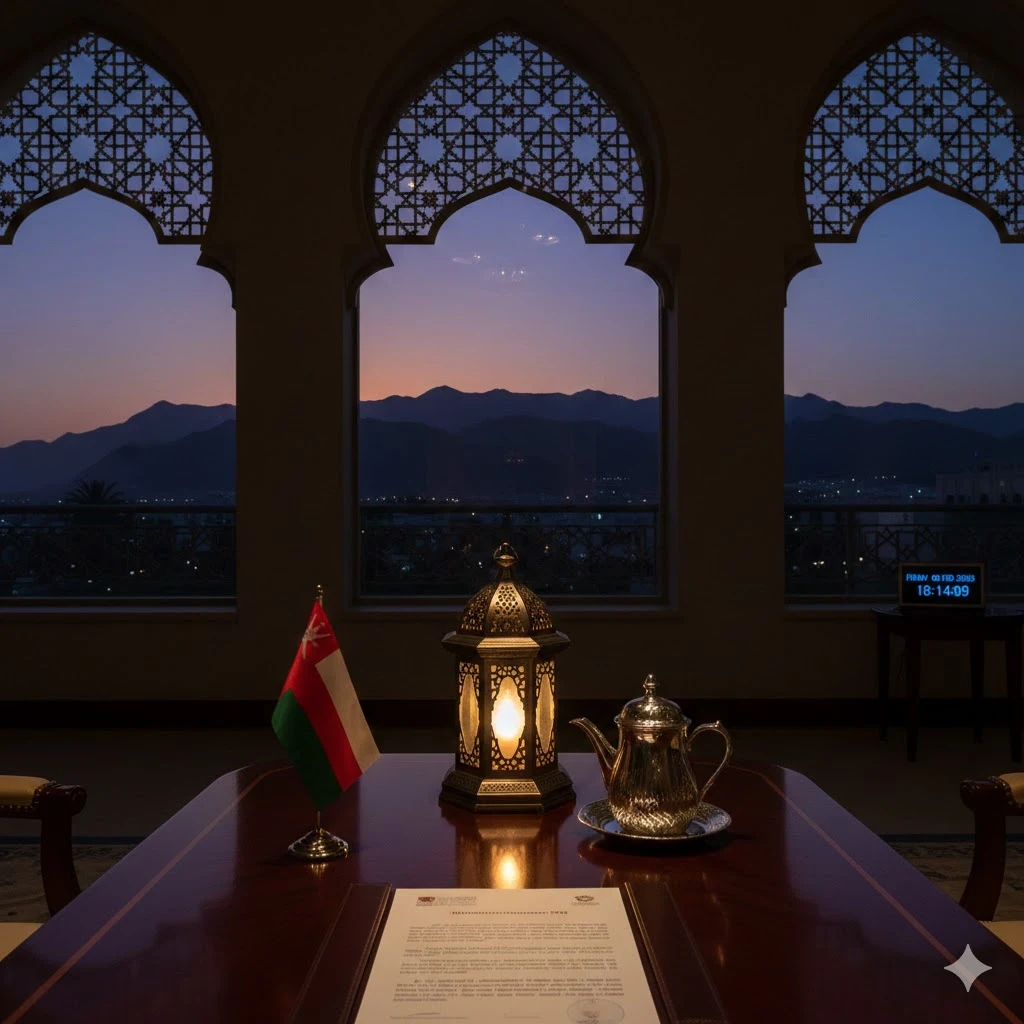
Omani officials conducted pre-consultations with both delegations on 4 February 2026, per Al Jazeera. Araghchi posted on social media thanking Oman for facilitating arrangements, setting the meeting for 10:00 local time Friday.
Reuters detailed Trump's 25 January 2026 letter to Ayatollah Ali Khamenei proposing talks, met with Tehran's preference for indirect format. US Secretary of State Marco Rubio outlined broader aims including ballistic missiles and proxy support during a 5 February briefing.
The New York Times reported mediators from Qatar, Turkey, and Egypt presented a framework requiring Iran to reduce uranium enrichment significantly. Two sources familiar confirmed the principles to Al Jazeera.
Who Leads the US and Iranian Delegations in Oman?

Steve Witkoff heads the US side alongside advisor Jared Kushner, according to Al Jazeera live updates on 6 February 2026. Araghchi represents Iran with Atomic Energy Organization director Mohammad Eslami, per Iranian state media IRNA.
DW confirmed Araghchi's X post verifying the Friday schedule in Muscat. Reuters noted uncertainty over Arab nations' attendance after Iran's bilateral preference.
Providing Omani foreign ministry details on the consultations, Dan Tsubouchi - @Energy_Tidbits said in X post,
“Oman foreign ministry on the separate consultations (indirect negotiations) with US and Iran. "The consultations focused on preparing the appropriate conditions for resuming diplomatic and technical negotiations, while emphasizing their importance, in light of the parties' determination to ensure their success in achieving sustainable security and stability.
His Excellency the Minister of Foreign Affairs reaffirmed the Sultanate of Oman's commitment to continuing support for dialogue and rapprochement between the parties, and to working with various partners to reach consensual political solutions that align with the desired goals and aspirations, expressing profound appreciation for the efforts of the region's countries in supporting these talks." #oott.”
Oman foreign ministry on the separate consultations (indirect negotiations) with US and Iran.
— Dan Tsubouchi (@Energy_Tidbits) February 6, 2026
"The consultations focused on preparing the appropriate conditions for resuming diplomatic and technical negotiations, while emphasizing their importance, in light of the parties'… https://t.co/crvlpSd4zN pic.twitter.com/klhRC7Igwf
What Nuclear Specifics Form the Core Agenda?
IAEA's January 2026 report cited Iran's 408 kilograms of 60% enriched uranium stockpile, per Reuters. US demands include verifiable limits and IAEA access to Fordow and Natanz sites.
Iran insists on NPT rights recognition, rejecting curbs on civilian enrichment, according to a 5 February foreign ministry statement. Al Jazeera sources detailed proposals for ballistic missile limits and proxy arming restrictions.
Rubio told reporters the agenda covers nuclear activities, missiles, regional proxies, and citizen treatment, emphasising disconnect between leadership and populace.
How Does Oman's Mediation Role Function in Practice?
Separate rooms prevent direct contact, with Omani shuttles conveying positions, mirroring 2013-2015 JCPOA precursors hosted in Muscat. Al Busaidi chairs sessions per state media Wafa.
Reuters recalled Oman's $500 million 2025 economic aid to Iran bolstering mediator status. The Guardian noted Oman's balancing between Washington and Tehran since 2013 talks.
What Pre-Talk Military Developments Heightened Stakes?
US Central Command deployed B-52s to Diego Garcia and USS Abraham Lincoln to Arabian Sea on 2 February 2026. Iran aired Sejjil missile tests on 4 February state TV.
Reuters reported US interception of an Iranian drone near the Lincoln carrier. An IRGC vessel incident involved a US-flagged tanker in Hormuz Strait.
Tensions follow Iran's protest crackdown, prompting Trump's naval buildup without airstrikes.
Which Regional Players Responded to the Talks?
Saudi Foreign Minister Prince Faisal bin Farhan welcomed via SPA on 5 February 2026. Israel's Danny Danon warned against concessions per Times of Israel.
UAE's WAM urged verifiable compliance. Turkey's Hakan Fidan noted proxy tension reductions to Anadolu Agency.
Qatar's Mohammed bin Abdulrahman supported at Doha Forum.
What Historical Context Frames Current Negotiations?
Trump's 2018 JCPOA withdrawal led to Iran's stockpile breaches verified by IAEA in 2019. Biden Vienna talks stalled 2022 over IR-6 centrifuges.
UN Resolution 2231 endorsed JCPOA with October 2025 sunsets. June 2025 Oman talks halted amid Israeli strikes on Iran.
How Do Sanctions Relief Proposals Feature?
US offers $6 billion release from South Korean banks frozen since 2022, per Bloomberg. Iran seeks 2.4 million bpd oil exports.
Treasury's Scott Bessent proposes petrochemical waivers for IAEA camera reinstallation. Araghchi rejects missile linkages.
Omani draft links sanctions suspension to six-month enrichment halt, Reuters sources said.
What IAEA Data Underpins Demands?
Rafael Grossi's 31 January report documented 14,000 centrifuges at Natanz and 5,500 kilograms total enriched uranium, 30 times JCPOA limits. Fordow yields 166 kilograms 60% monthly.
Iran rejected January censure. US cites reports for UN snapback threats.
Satellite imagery shows Natanz underground expansion completed December 2025.
Which Allies Align on US Positions?
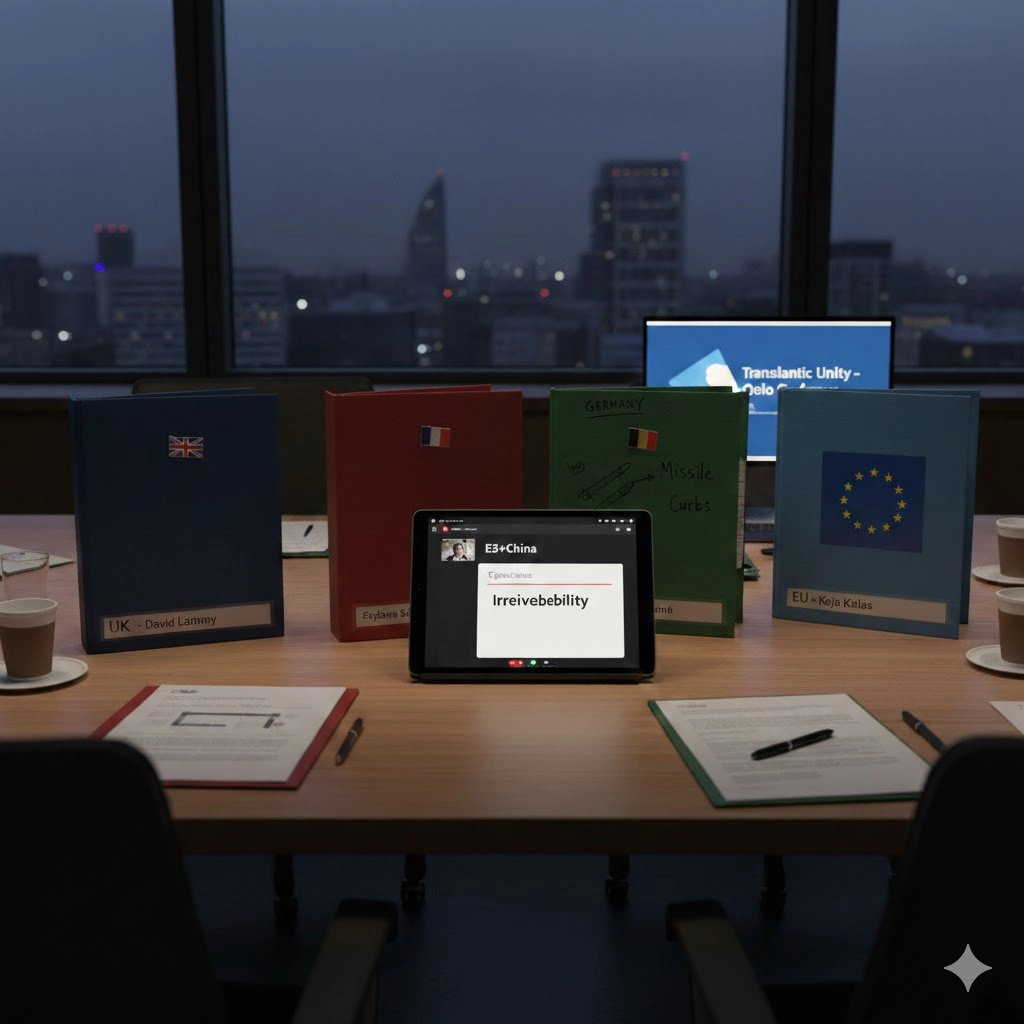
UK's David Lammy conferred with Witkoff 4 February. France's Stephane Sejourne hosted E3+China call on irreversibility.
Germany's Annalena Baerbock stressed missile curbs. EU's Kaja Kallas endorsed transatlantic unity.
What Technical Frameworks Circulate?
Omani 22-page document proposes 1,044 IR-1 centrifuges maximum versus Iran's 10,000 claim. IAEA suggests Isfahan Online Enrichment Monitor.
Drafts cover Arak heavy water redesign and 24/7 cameras at five sites, per New York Times sources.
What Trump Administration Statements Set Parameters?
Trump posted on Truth Social 4 February: "Iran must come to terms on nukes or face consequences." Khamenei replied via media: "Negotiations neither surrender nor confrontation."
State Department 5 February reiterated "maximum pressure unless maximum restraint."