- Iran summoned EU ambassadors from Germany, France, Italy, Netherlands, and Sweden on February 1, 2026, protesting the EU's designation of the IRGC as a terrorist organisation.
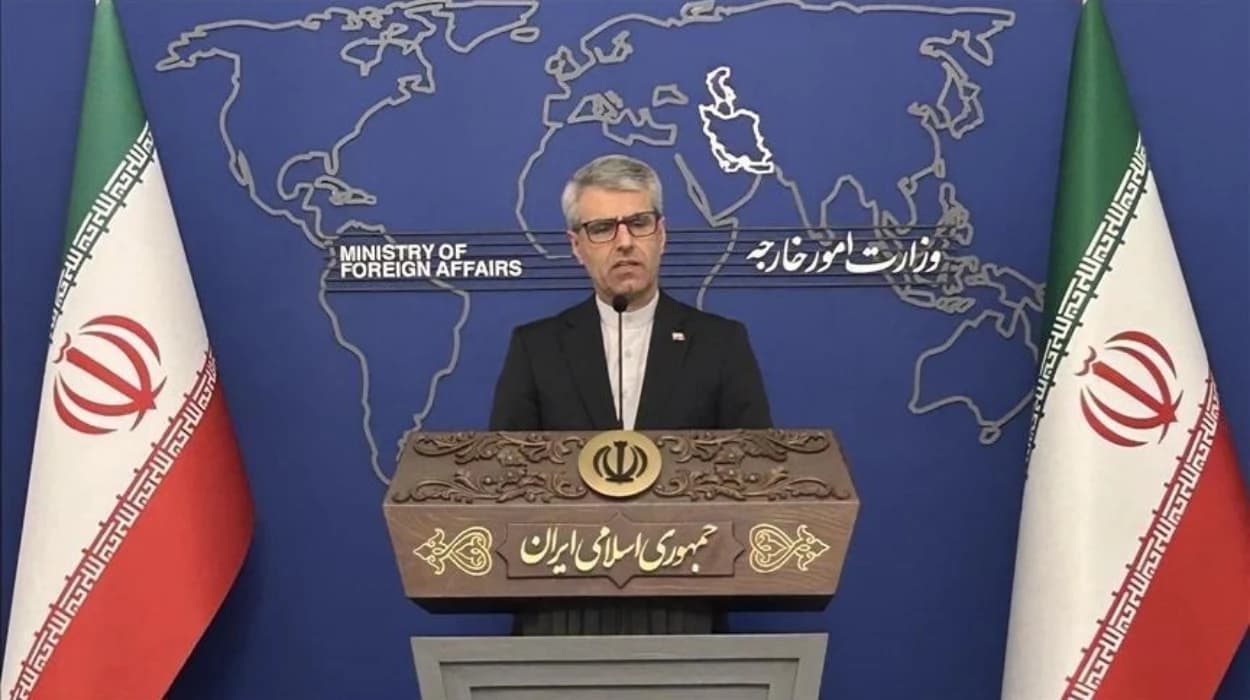
- Foreign Ministry spokesperson Nasser Kanaani called the EU decision a sovereignty infringement and politically motivated, demanding immediate reversal during 45-minute meetings.
- The EU listing, effective February 1, targets IRGC's Quds Force for alleged attacks, imposing asset freezes and travel bans under a renewable three-year framework.
- Tehran issued formal memoranda and warned of proportional responses; EU envoys described talks as frank, with follow-up meetings scheduled for February 3.
- IRGC and Iranian officials denounced the move, while EU justified it based on intelligence linking the group to foiled plots across Europe since 2020.
Tehran (Washington Insider Megazine) February 02, 2026 –
Iran summoned ambassadors from European Union member states on February 1,
2026, to protest the EU's designation of the Islamic Revolutionary Guard Corps
(IRGC) as a terrorist organisation. The Iranian Foreign Ministry cited the
decision as an infringement on sovereignty and a politically motivated act.
Diplomats received formal memoranda outlining Tehran's objections during the
meetings.
Iranian Foreign Ministry spokesperson Nasser Kanaani announced the summons in a televised statement, describing the EU action as "unjust and baseless." The meetings occurred at the ministry's headquarters in Tehran, lasting approximately 45 minutes each with envoys from France, Germany, the United Kingdom, and other key EU nations. Iran demanded the immediate reversal of the IRGC listing, imposed by the EU Council on January 29, 2026.
EU Terrorist Designation Details and Timeline
The European Union formally listed the IRGC as a terrorist entity under its Common Foreign and Security Policy framework. The decision followed a proposal by several member states, backed by intelligence reports linking the group to attacks across Europe and the Middle East. EU High Representative for Foreign Affairs Josep Borrell confirmed the measure targets the IRGC's Quds Force specifically for orchestrating proxy operations.
Assets belonging to designated IRGC commanders face freezing within EU jurisdictions, alongside travel bans for listed individuals. The designation carries a renewable three-year duration, subject to review by the Council of the European Union. Implementation began on February 1, with national authorities instructed to enforce compliance by mid-February.
Iranian officials characterised the move as retaliation for Tehran's support of regional allies. Supreme Leader Ayatollah Ali Khamenei's office issued a statement denouncing the EU as aligned with "Zionist agendas." Parliament Speaker Mohammad Bagher Ghalibaf convened an emergency session to debate reciprocal measures against European entities.
Summoning Sessions and Diplomatic Exchanges
Ambassadors from Germany, France, and Italy met Foreign Minister Abbas Araghchi first, followed by representatives from the Netherlands and Sweden. Each session included presentations of documented grievances, including alleged economic impacts from frozen assets. Iranian diplomats handed over dossiers compiling what Tehran described as "fabricated evidence" used by the EU.
German Ambassador Stefan Auer emerged stating discussions remained "frank but constructive." French envoy Nicolas Mathias noted Iran's emphasis on bilateral trade relations unaffected by security designations. UK chargé d'affaires, acting for the EU in this context, reiterated the decision's basis in verified threats.
The Foreign Ministry scheduled follow-up meetings for February 3 with smaller EU member states. Spokesperson Kanaani warned of "proportional responses" if the listing persists, without specifying details. European diplomats committed to conveying Tehran's positions to their capitals.
IRGC's Role and Prior EU Sanctions History
The Islamic Revolutionary Guard Corps operates as a parallel military structure to Iran's regular armed forces, with an estimated 190,000 active personnel. Established post-1979 Revolution, the IRGC oversees internal security, missile programmes, and expeditionary operations via the Quds Force. EU sanctions targeted IRGC entities since 2010 over nuclear proliferation concerns.
Previous measures included arms embargoes and financial restrictions, expanded in 2023 following proxy attacks on shipping in the Red Sea. The terrorist label escalates penalties, enabling asset seizures and criminal prosecutions for material support. IRGC Commander-in-Chief Hossein Salami addressed troops in Tehran, vowing resilience against "external pressures."
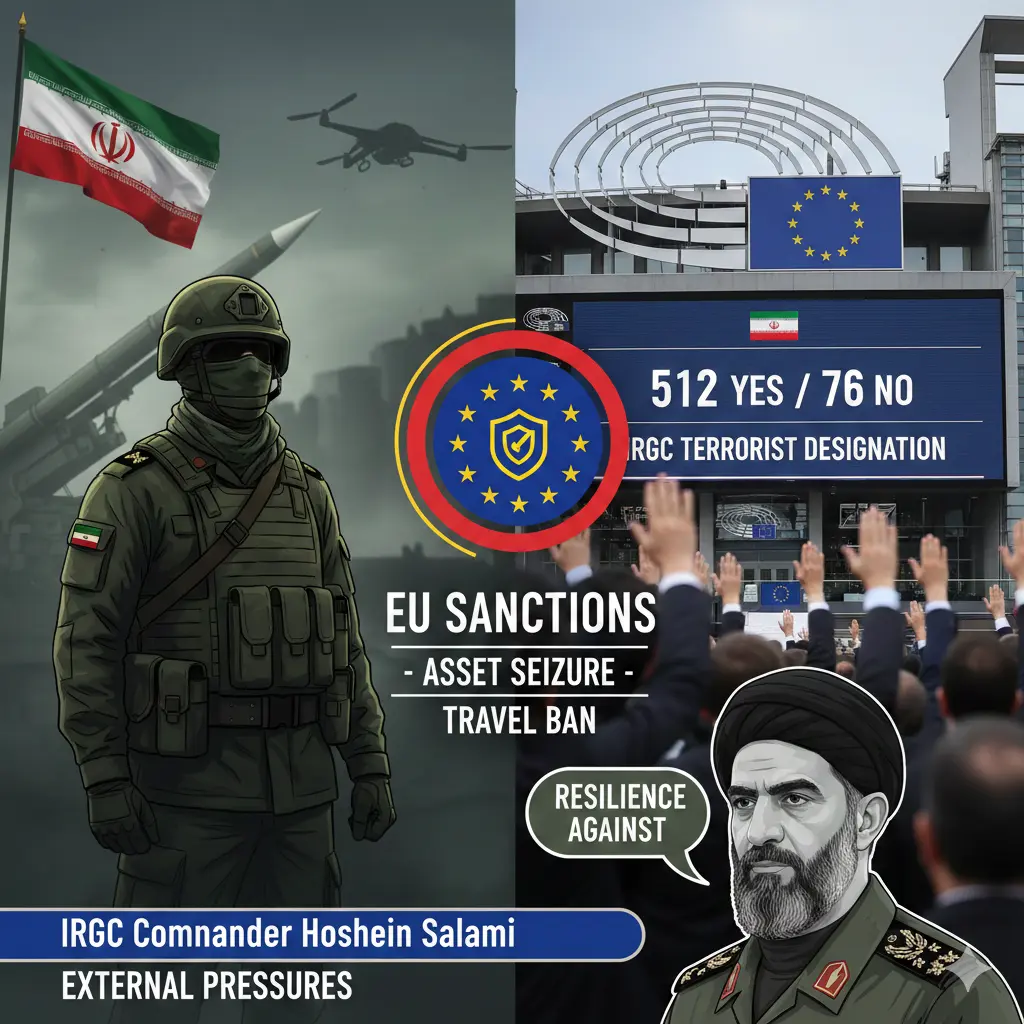
European intelligence agencies attributed over 20 foiled plots since 2020 to IRGC networks, including assassinations in France and Denmark. The EU Parliament voted 512-76 in favour of the designation on January 15, 2026, urging swift Council action.
|
EU Member State |
Ambassador Summoned |
Meeting Duration |
Key Iranian Demand |
|
Germany |
Stefan Auer |
50 minutes |
Reverse IRGC listing |
|
France |
Nicolas Mathias |
45 minutes |
Lift asset freezes |
|
Italy |
Lorenzo Schiano |
40 minutes |
End travel bans |
|
Netherlands |
Ron Keller |
55 minutes |
Review intelligence |
|
Sweden |
Astrid Soederman |
42 minutes |
Bilateral talks |
Iranian Domestic Reactions and Policy Responses
Iranian state media broadcast live coverage of the summoning ceremonies, framing the action as defence of national dignity. Revolutionary Guards-affiliated outlets published editorials calling for expulsion of EU diplomats. Oil Minister Hayyan announced accelerated domestic production to offset potential trade disruptions.
Majlis lawmakers drafted legislation targeting European companies operating in Iran, with 220 deputies signing on. Basij militia units held rallies in Isfahan and Shiraz, chanting against EU "imperialism." President Masoud Pezeshkian instructed economic councils to prioritise Asian partnerships.
Judiciary Chief Gholam-Hossein Mohseni-Eje'i authorised probes into EU-linked NGOs in Iran. State broadcaster IRIB aired interviews with IRGC veterans decrying the designation as slander.
European Union Justification and Implementation Steps
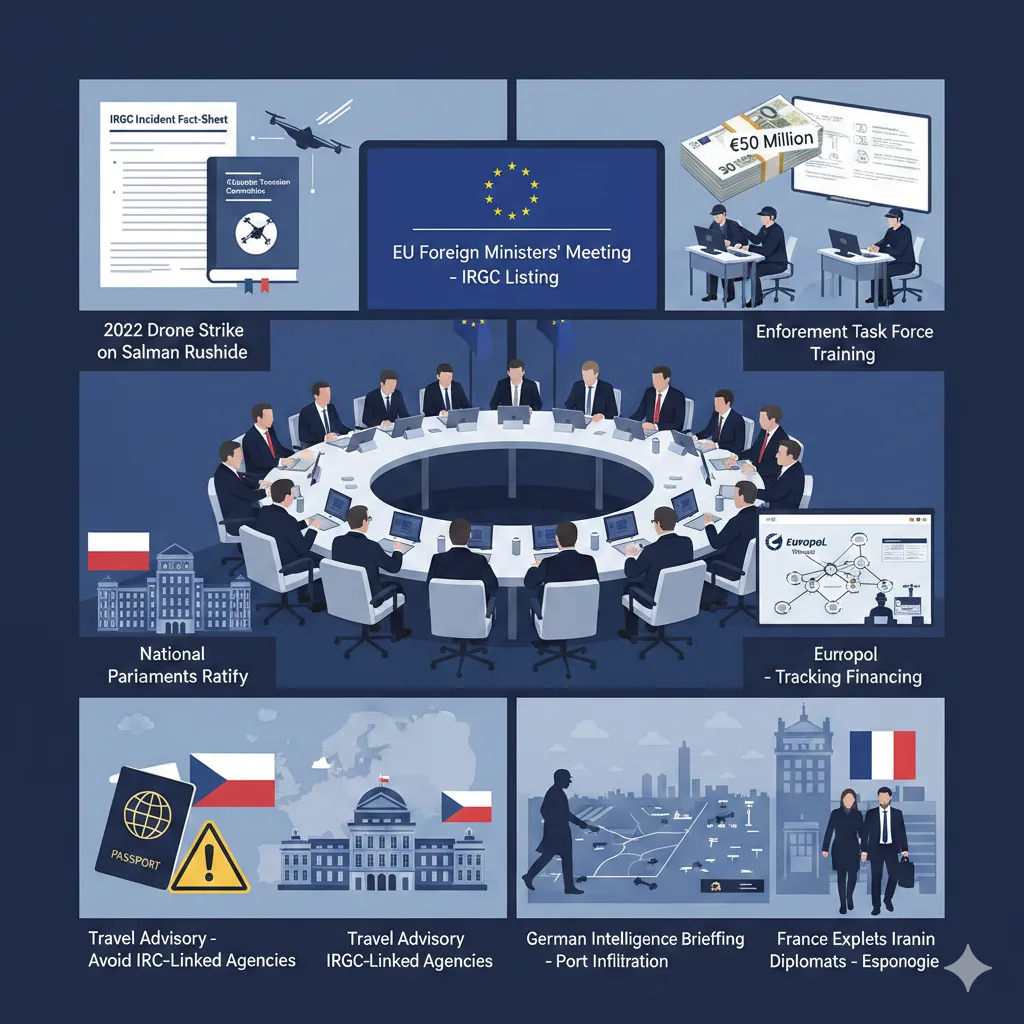
EU foreign ministers met virtually on January 30 to affirm the IRGC listing, citing compliance with UN counter-terrorism conventions. Borrell's office released a fact-sheet detailing 15 incidents, including the 2022 drone strike on Salman Rushdie attributed to IRGC direction. Member states allocated €50 million for enforcement training.
National parliaments in Poland and the Czech Republic ratified supporting resolutions. Europol established a task force to track IRGC financing networks. Travel advisories now warn against IRGC-linked travel agencies.
Germany's Federal Intelligence Service briefed allies on IRGC infiltration of European ports. France expelled two Iranian diplomats in December 2025 over espionage charges.
Regional and International Repercussions
Russia's Foreign Ministry expressed support for Iran, criticising EU "hegemony." China's embassy in Tehran issued a neutral statement urging dialogue. Gulf states monitored developments amid shared IRGC concerns.
United States National Security Council spokesperson reiterated alignment with EU measures. Israeli Prime Minister Benjamin Netanyahu welcomed the designation in a Knesset address. Saudi Arabia's Foreign Minister Faisal bin Farhan convened GCC counterparts on implications for Yemen operations.
UN Secretary-General Antonio Guterres called for de-escalation in diplomatic channels. IAEA Director General Rafael Grossi noted no direct impact on nuclear inspections.
Historical Context of Iran-EU Diplomatic Tensions
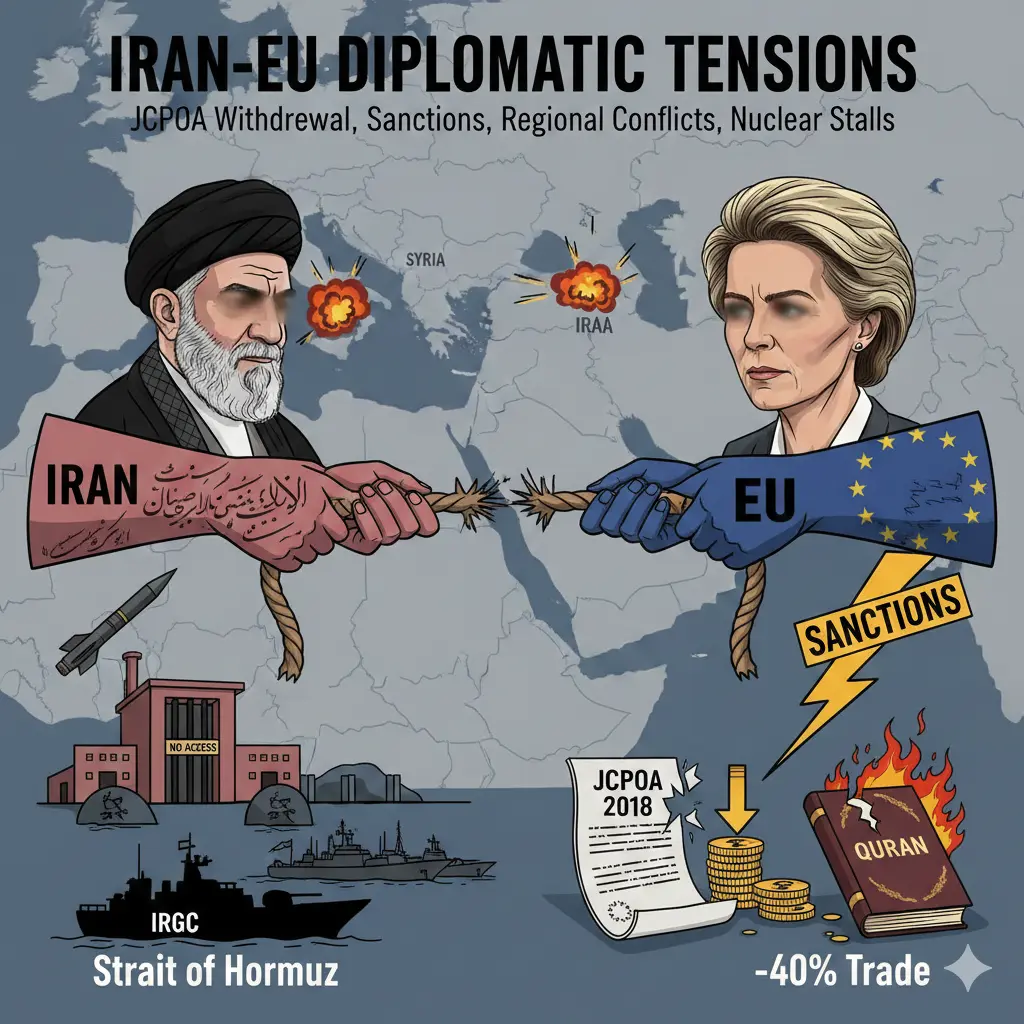
Iran-EU relations deteriorated since the 2018 JCPOA withdrawal by the US, prompting snapback sanctions. Prior summons occurred in 2023 over Swedish Quran burnings and 2024 following Israeli strikes. The IRGC faced US terrorist designation since 2019.
Tehran retaliated previously by blacklisting European Parliament members and restricting imports. Bilateral trade volumes dropped 40 per cent since 2022 peaks. Nuclear talks stalled, with EU observers denied access to Fordow facility.
Proxy conflicts in Syria and Iraq strained ties further. EU naval missions in the Strait of Hormuz logged 200 IRGC vessel approaches since 2021.
Statements from Principal Figures Involved
Foreign Minister Araghchi declared post-meetings: "Europe's error carries consequences for mutual interests." EU Ambassador to Iran Olof Skoog responded: "Decisions rest on evidence protecting our citizens."
IRGC spokesperson Brigadier General Ramezan Sharif stated:
"Sacred defence repels aggressors."
Borrell tweeted:
"Security measures safeguard democratic values."
Khamenei advisor Ali Larijani urged
"unity against Crusader plots"
in a sermon.
Ongoing Diplomatic Processes and Next Steps
Iran plans a complaint to the International Court of Justice alleging discrimination. EU Council schedules review on February 20. Working-level talks proposed in Geneva for February 10.
Foreign Ministry summoned UN envoy on February 2 to apprise of developments. European chambers of commerce in Tehran assess business impacts.
Monitoring continues amid stable diplomatic postures.