
Summary
- Iranian
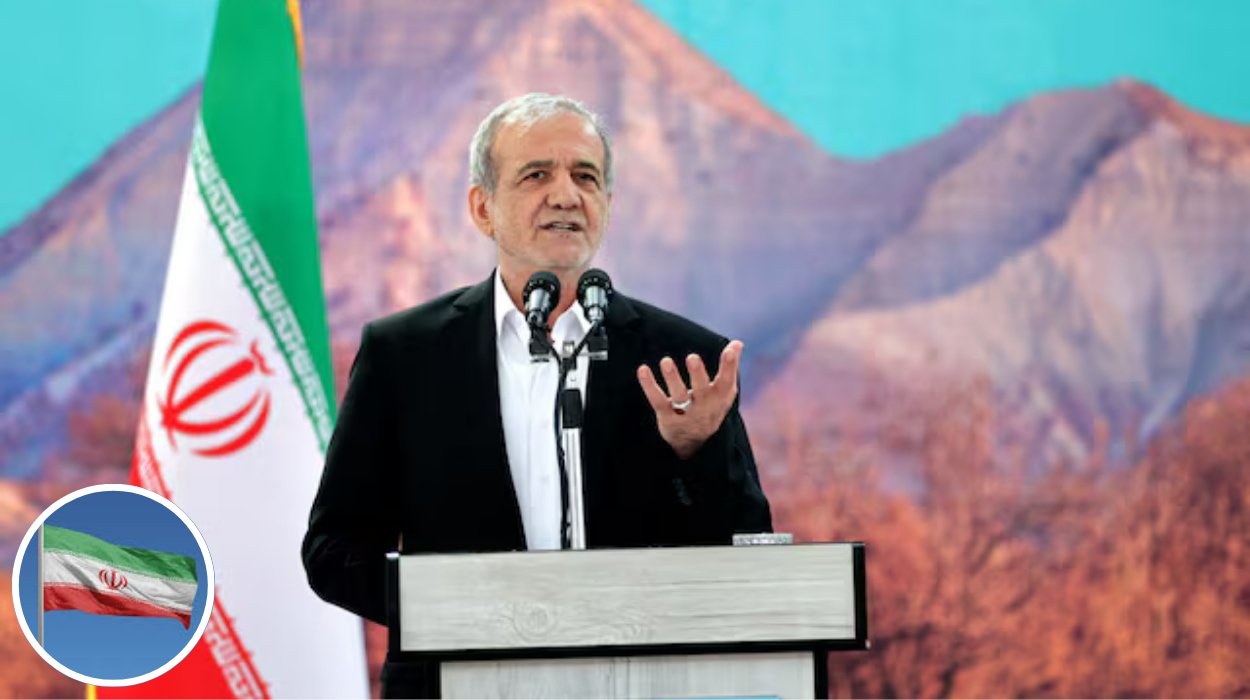
President publicly states that Iran is on the brink of an extreme water
crisis. - The
crisis is attributed to decades of mismanagement, climate change, and
rapid population growth. - Water
shortages have led to significant agricultural, environmental, and social
impacts. - The
government acknowledges the urgent need for reforms and better water
resource management. - Experts
warn that if unaddressed, the crisis could lead to severe economic and
humanitarian consequences. - International
observers note that Iran’s water issues are part of a larger regional
challenge exacerbated by climate shifts.
As Iran grapples with one of the most severe water
shortages in its modern history, the situation has escalated into a national
crisis demanding urgent attention from policymakers, experts, and the public
alike. The warnings issued by the Iranian President underscore the gravity of
water mismanagement compounded by natural factors such as extended droughts and
climate change. With vital sectors like agriculture and industry facing severe
disruptions, and millions of people at risk of water scarcity, the unfolding
crisis poses threats not only to economic stability but also to social cohesion
and environmental sustainability. This report delves deeply into the
multifaceted causes, current impacts, and potential solutions being considered
to address Iran’s escalating water emergency.
What Is the Current Status of Iran’s Water Crisis?
According to statements from the Iranian President reported
by multiple sources, Iran is facing an unprecedented water shortage that puts
the country on the edge of a dire water crisis. The president highlighted that
Iran’s reservoirs and underground water sources have suffered substantial
depletion over recent years, which now threatens the availability of drinking
water and water for agriculture and industry nationwide. The crisis stems from
both natural factors and long-term mismanagement of water resources.
Why Is Iran Experiencing Such a Severe Water Shortage?
The causes of the water crisis, as outlined by the Iranian
President and acknowledged by experts, include:
- Prolonged
droughts linked to climate change, resulting in sharply reduced rainfall
and river flows. - Decades
of inefficient water use in agriculture, which consumes the majority of
Iran’s water resources. - Rapid
population growth and urban expansion increasing demand for potable water. - Over-extraction
of groundwater exceeding natural recharge rates, depleting aquifers. - Insufficient
infrastructure investment and ineffective water management policies.
These combined factors have culminated in a situation where
many provinces face serious water scarcity, threatening food production and
daily life.
How Is Climate Change Intensifying Iran’s Water Crisis?
Scientific studies and expert analyses indicate that climate
change plays a critical role in escalating Iran’s water scarcity. As reported
by environmental researchers featured in international media outlets, rising
temperatures have altered precipitation patterns across the region, resulting
in prolonged droughts and decreased snowpack in the country’s mountainous areas
crucial sources of freshwater runoff. These climatic shifts have reduced
river flows and groundwater recharge, severely stressing the already
overburdened water infrastructure. Moreover, erratic and unpredictable weather
further complicates planning and management efforts, making traditional water
resource models less reliable. This feedback loop of warming and drying
conditions threatens to entrench water shortages deeper into Iran’s future
unless significant climate adaptation strategies are adopted.
How Is the Crisis Impacting Iranian Society and Economy?
The president’s comments, as reported by Iranian state media
and international outlets, indicate that the water shortage has already caused:
- Declining
agricultural output, leading to economic losses and increased food
insecurity. - Loss
of wetlands and natural habitats, causing environmental damage and
biodiversity loss. - Migration
from rural areas to cities as farming becomes untenable. - Heightened
social tensions and public discontent related to water access issues.
What Are the Social and Political Ramifications of the
Water Crisis in Iran?
Beyond environmental and economic fallout, Iran’s water
crisis has profound social and political consequences. As reported by domestic
and foreign journalists covering the issue, water scarcity has heightened
tensions among communities dependent on shared water sources, sometimes
sparking local conflicts and protests. The migration from drought-affected
rural areas to urban centers strains public services and infrastructure in
cities like Tehran, exacerbating unemployment and housing shortages. Politically,
the crisis challenges government legitimacy, as citizens demand transparent and
effective responses to a problem long aggravated by mismanagement. Experts warn
that failure to address water resource governance comprehensively could
undermine social stability and exacerbate regional security risks in the coming
years.
What Measures Has the Iranian Government Announced or
Implemented?
As part of the response, the Iranian government has
expressed commitment to:
- Reform
water use policies and improve efficiency, especially in agriculture. - Invest
in modern irrigation systems and water-saving technologies. - Enhance
water recycling and reuse where feasible. - Promote
public awareness on conserving water resources. - Collaborate
with regional partners on managing transboundary water basins.
Details on specific programs or funding allocations were not
fully disclosed in initial statements but are expected to be part of upcoming
policy announcements.
What Are the Broader Regional and International
Implications?
Experts featured in the coverage highlight that Iran’s water
crisis reflects broader trends across the Middle East and Central Asia, where
many countries face similar challenges due to arid climates and competing
demands. This raises concerns about regional stability, food security, and
potential cross-border conflicts over shared water resources.
International bodies and analysts stress the importance of
coordinated water management strategies and climate adaptation efforts to
mitigate these risks.