
Summary
- Masdar,
a UAE-based renewable energy company, reported turning profitable in 2024
after previous years of investment and development. - The
company’s assets have nearly tripled, reflecting accelerated growth and
expansion in the renewables sector. - The
profit turnaround marks a significant milestone amid increasing global
emphasis on clean energy transitions. - Masdar’s
strategic investments and projects in solar, wind, and sustainable
technologies were instrumental in its financial improvement. - The
company aims to continue its growth trajectory aligned with the UAE’s
broader energy and sustainability goals.
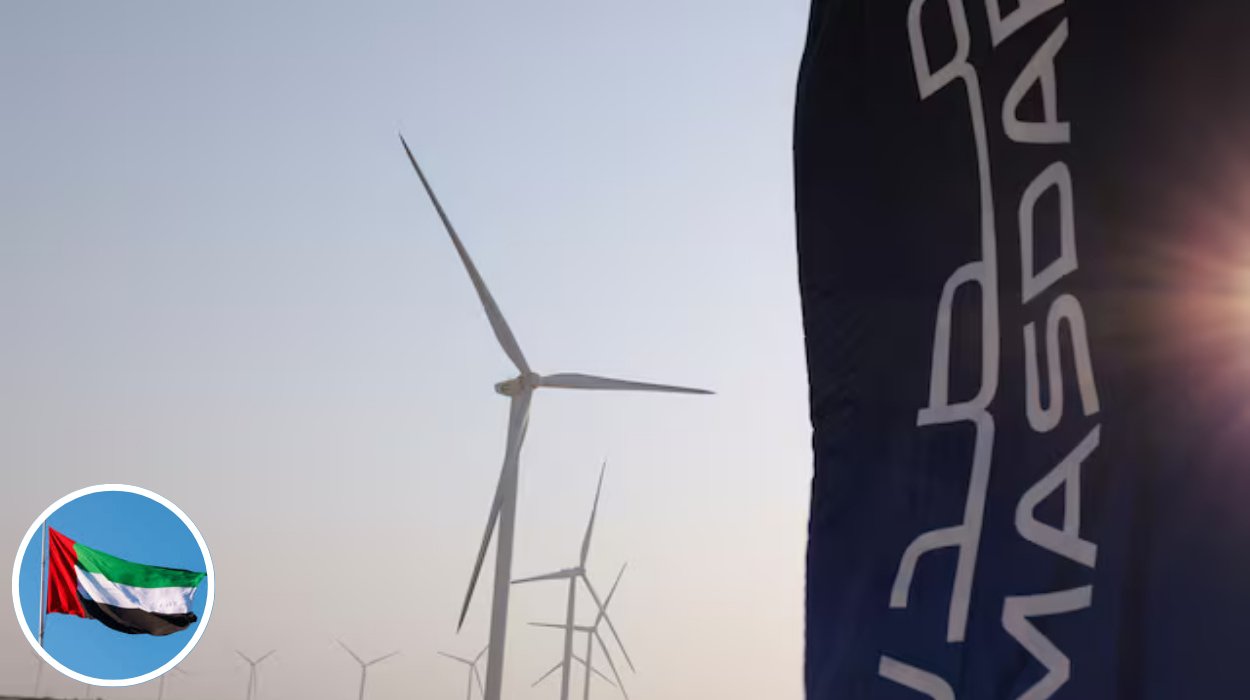
The renewable energy sector in the UAE has witnessed a
significant milestone in 2024 as Masdar, the country’s flagship clean energy
company, reported a remarkable turnaround to profitability alongside a
substantial increase in its asset base. This development reflects not only the
company’s strategic execution and operational efficiency but also highlights
the UAE’s growing leadership role in the global clean energy transition. By
expanding its portfolio across solar, wind, and emerging technologies, Masdar
is setting new benchmarks for sustainable energy growth within the Middle East
and beyond. The following report delves deeper into the factors behind Masdar’s
success, the projects driving its expansion, and the broader implications for
the UAE and international renewable energy markets.
What is the significance of Masdar’s profit in 2024?
Masdar’s announcement of turning profitable in 2024
underscores a pivotal achievement in the renewable energy landscape of the
United Arab Emirates. As reported by various industry sources, the company’s
shift from investment-heavy years into profitability reflects its
solidification as a key player in the global clean energy market. This profit
signifies not just financial success but the maturation of renewables as
commercially viable and scalable energy solutions.
Masdar, the Abu Dhabi Future Energy Company, has
substantially expanded its asset base, reportedly tripling its assets over
recent periods. This growth in assets showcases the accumulation of operational
projects, infrastructure, and ventures that contribute to Masdar’s financial
strengthening. The tripling of assets aligns with the UAE’s vision of becoming
a global hub for renewable energy and clean technology development.
How did Masdar achieve such growth and profitability?
According to detailed industry coverage, Masdar’s growth and
profitability are attributed to its diversified portfolio of renewable energy
projects and strategic investments. The company’s projects span solar
photovoltaic installations, wind farms, and other sustainable technologies
deployed both within the UAE and internationally.
Masdar has placed emphasis on innovation and collaboration,
partnering with global firms and leveraging advanced technologies to optimize
energy production and cost efficiency. This approach allowed the firm to
transition from periods of heavy capital expenditure and development losses
into a phase marked by operational efficiency and revenue generation.
Moreover, the company’s alignment with national
sustainability goals such as the UAE Energy Strategy 2050, which targets a
significant portion of energy from clean sources has provided Masdar with a
conducive policy and financial environment to flourish.
What projects and technologies have been central to
Masdar’s success?
Masdar’s portfolio includes large-scale solar parks,
offshore and onshore wind power projects, and pioneering initiatives in green
hydrogen and energy storage solutions. These projects have not only increased
the company’s asset value but also helped diversify its revenue streams.
Industry reports emphasize Masdar’s investments in solar
technology as a leading contributor, particularly projects like the Mohammed
bin Rashid Al Maktoum Solar Park in Dubai, known as one of the world’s largest
solar parks. By scaling such projects and improving cost-competitiveness,
Masdar secured steady streams of power purchase agreements that support
sustainable income.
Further, Masdar’s exploration into green hydrogen and
integration of energy storage systems position it at the forefront of
next-generation clean energy sectors, enhancing its long-term growth prospects.
Who leads Masdar, and what is their strategic vision?
Masdar is overseen by seasoned executives and guided by the
strategic vision of the Abu Dhabi government, which owns the company through
its Mubadala Investment Company. The leadership emphasizes sustainable growth,
innovation, and international cooperation in the energy transition.
In statements cited by energy sector analysts, Masdar’s CEO
highlighted the company’s commitment to expanding its global footprint while
contributing to the UAE’s net-zero ambitions. The leadership team stresses
making renewable energy more accessible and affordable, reflecting broader
global trends toward decarbonization.
What does this mean for the UAE and the global clean
energy market?
The profitability and asset growth of Masdar present a case
study for successful state-backed renewable energy enterprises in the Middle
East. It demonstrates how targeted investments, government support, and
innovation can propel a company from nascent renewable efforts toward
profitability and leadership.
For the UAE, Masdar’s success bolsters the nation’s
credentials as a clean energy hub and helps diversify the economy beyond oil
dependence. It also reinforces the country’s commitments under the Paris
Agreement and its national sustainability initiatives. Globally, Masdar’s trajectory offers insights into the
viability of renewable projects in diverse geographies and the increasing
competitiveness of clean energy technologies.