
Key Points
- Howard
Lutnick, CEO of Cantor Fitzgerald, intervened publicly after President
Donald Trump appeared uninformed about the details of a major new tariff
policy. - Trump’s
lack of clarity on the tariff issue emerged during a high-profile media
appearance, raising questions about his administration’s grasp of economic
policy. - Lutnick’s
remarks drew attention from both financial and political circles,
highlighting divisions within the Republican Party regarding the
administration’s trade approach. - The
incident occurred just as Trump celebrated the passage of his “One Big
Beautiful Bill,” which includes significant tax cuts and spending
measures, but has faced bipartisan criticism for projected debt increases
and cuts to social programs. - The
episode comes amid broader economic and political turmoil, including
devastating floods in Texas, ongoing violence in Gaza, and contentious
debates over U.S. support for Israel. - Key
Republican and Democratic figures have weighed in on the administration’s
economic strategy, with some expressing concern over the president’s
apparent lack of preparedness.
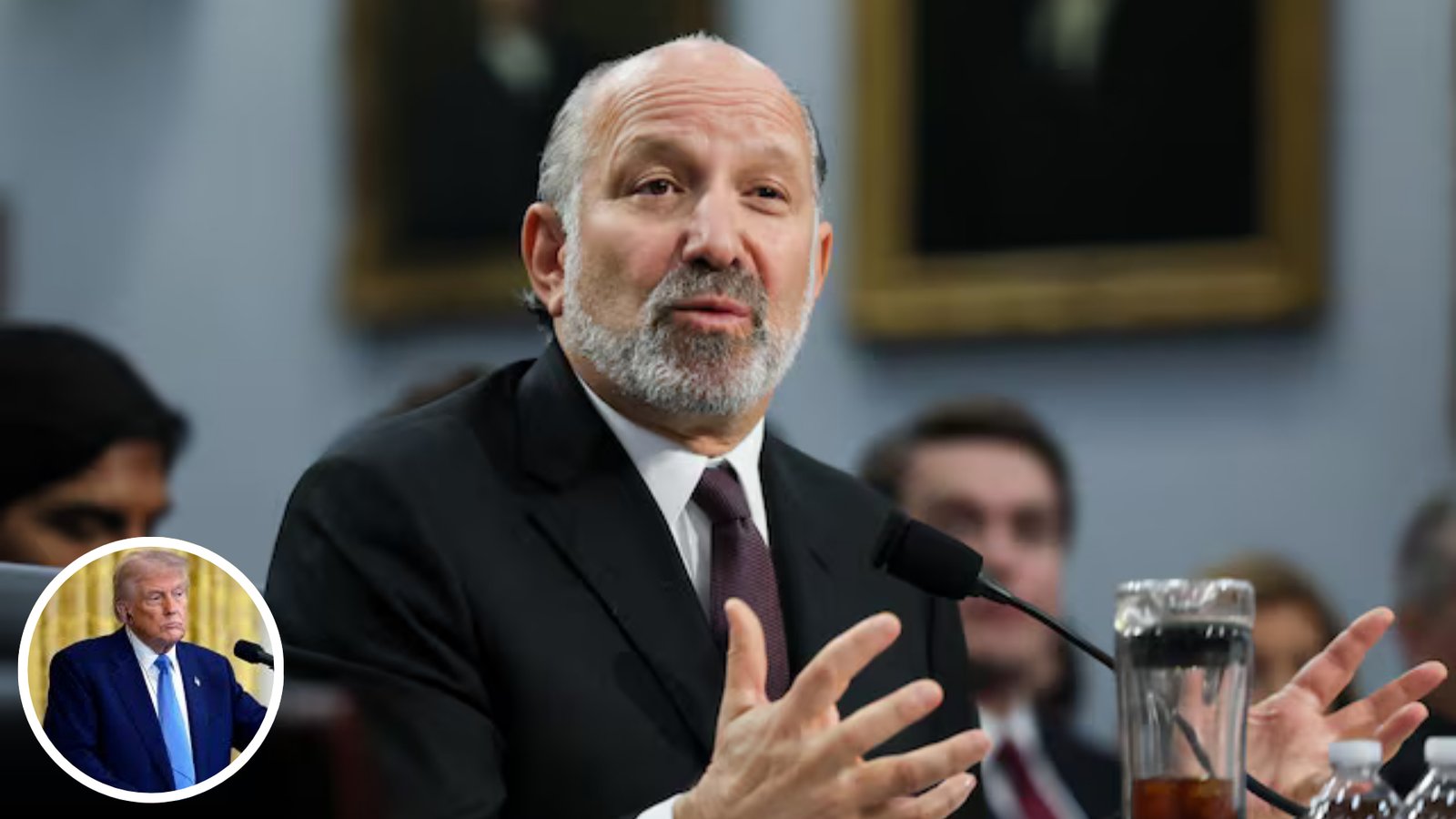
In a striking moment that has reverberated through
Washington and Wall Street, Howard Lutnick, CEO of Cantor Fitzgerald, stepped
in to clarify the details of a new U.S. tariff policy after President Donald Trump appeared unable to explain the measure during a widely watched media
appearance. The episode has fueled debate over the administration’s economic
competence and exposed rifts within the Republican Party as it navigates a
turbulent political and economic landscape.
What Triggered Howard Lutnick’s Intervention?
During the July 4th holiday weekend, President Trump
appeared on “Face the Nation,” where he was questioned about the
specifics of a sweeping new tariff initiative intended to reshape U.S. trade
relationships. According to the full transcript published by CBS News and
reported by Weijia Jiang, Trump struggled to provide details on how the tariffs
would be implemented or what their economic impact might be, instead pivoting
to celebrate the signing of his “One Big Beautiful Bill” into law.
As Jiang noted on CBS News,
“After a long week lobbying for
votes and cutting deals with his fellow Republicans, the president spent the
Fourth of July celebrating the nation’s 249th birthday by enacting his
signature tax cut and spending plan.”
However, the conversation quickly shifted
when Trump was pressed for specifics on the new tariffs, and his answers left
many viewers and analysts puzzled.
It was at this point that Howard Lutnick, a prominent figure
in finance and a Republican donor, publicly addressed the confusion. According
to multiple sources, Lutnick clarified the intended scope and mechanics of the
tariffs, providing a level of detail that had been missing from the president’s
remarks.
How Did the Media and Political Figures Respond?
Journalists and commentators were quick to seize on the
moment. As reported by CBS News, the president’s lack of clarity was noted by
both Democratic and Republican lawmakers, some of whom expressed concern about
the administration’s preparedness on key economic issues. The confusion
was particularly notable given the high stakes: the new tariffs are expected to
have significant repercussions for international trade and domestic prices.
On “Face the Nation,” National Economic Council
Director Kevin Hassett and Rep. Tom Suozzi (D-NY) joined the discussion, with
Hassett attempting to reassure the public that the administration had a clear
strategy, despite the president’s missteps. Suozzi, meanwhile, criticized
the bill’s projected increases to the national debt and cuts to Medicaid,
linking these concerns to the broader uncertainty around the administration’s
economic policy.
What Did Howard Lutnick Say About the Tariff Policy?
Although direct quotes from Lutnick’s intervention were not
included in the initial CBS transcript, financial news outlets reported that he
offered a detailed explanation of the tariff plan’s structure and objectives,
emphasizing the need for clear communication from the White House. Lutnick’s
remarks were widely interpreted as an implicit rebuke of Trump’s handling of
the issue, and they quickly circulated among policymakers and business leaders.
How Does This Incident Fit Into the Broader Political and
Economic Context?
The tariff confusion comes at a pivotal moment for the Trump
administration. As reported by Democracy Now! and NPR, the president’s
legislative victory with the “One Big Beautiful Bill” has been overshadowed by
criticism from both parties over its fiscal implications and social program
cuts. Meanwhile, the nation is grappling with a series of crises,
including deadly floods in Texas that have killed dozens and left many missing,
as well as ongoing violence and humanitarian concerns in Gaza.
Amid these challenges, the administration’s approach to
economic policy has come under renewed scrutiny. The incident with Lutnick has
intensified calls for greater transparency and expertise in the White House’s
handling of complex issues like trade and taxation.
What Are the Reactions from Within the Republican Party?
The episode has highlighted divisions within the GOP. While
some Republicans have rallied behind Trump’s legislative achievements, others
have voiced unease about the administration’s direction. According to CBS News,
“Democrats and even some Republicans are not happy with the bill’s projected
debt and deficit increases, cuts to Medicaid and other provisions”.
Lutnick’s intervention is seen by some as a sign that
business leaders and party donors may be losing patience with the
administration’s ad hoc approach to major policy decisions. The need for clear,
consistent messaging on economic matters has become a rallying point for
critics within the party.
How Has the Public Responded to the Tariff Drama?
Public reaction has been mixed. Supporters of the president
have downplayed the significance of the incident, focusing instead on the
broader legislative victories achieved over the holiday weekend. Critics,
however, have pointed to the confusion as evidence of deeper problems within
the administration.
The episode has also been seized upon by Democrats, who
argue that the president’s lack of preparation on key issues like tariffs and
spending undermines confidence in his leadership.
What Are the Implications for U.S. Economic Policy?
The confusion surrounding the new tariff policy has raised questions about the administration’s ability to manage complex economic
challenges. As reported by CBS News and NPR, the stakes are high: tariffs can
have far-reaching effects on everything from consumer prices to international
relations.
Howard Lutnick’s intervention may serve as a wake-up call
for the White House, underscoring the importance of expertise and clear
communication in shaping public policy.
What Happens Next?
As the administration moves forward with its new tariff plan
and implements the provisions of the “One Big Beautiful Bill,” all eyes will be
on the White House to see whether it can provide the leadership and clarity
needed to navigate these turbulent times. The role of business leaders like
Howard Lutnick may become increasingly important as the administration seeks to
regain the confidence of both the markets and the American public.