
Key Points
- Rep.
Mark Green of Tennessee resigns from Congress, effective immediately,
further reducing the Republican majority in the U.S. House of
Representatives. - Speaker
Mike Johnson now faces an even slimmer margin, complicating legislative
efforts and increasing the risk of Democratic victories on key votes. - Green’s
resignation comes amid ongoing political turbulence and follows a series
of high-profile Republican departures. - No
immediate reason for Green’s resignation has been publicly detailed by
Green or his office. - The
vacancy will trigger a special election in Tennessee’s 7th Congressional
District, with the timeline for the vote yet to be announced. - Green,
a former Army flight surgeon and two-term congressman, was chair of the
House Homeland Security Committee. - His
departure raises questions about Republican leadership stability and the
party’s legislative agenda ahead of the 2026 midterms. - Democrats
have signaled their intent to capitalize on the GOP’s shrinking majority. - Green’s
resignation adds to the list of Republican lawmakers leaving Congress
ahead of the next election cycle.
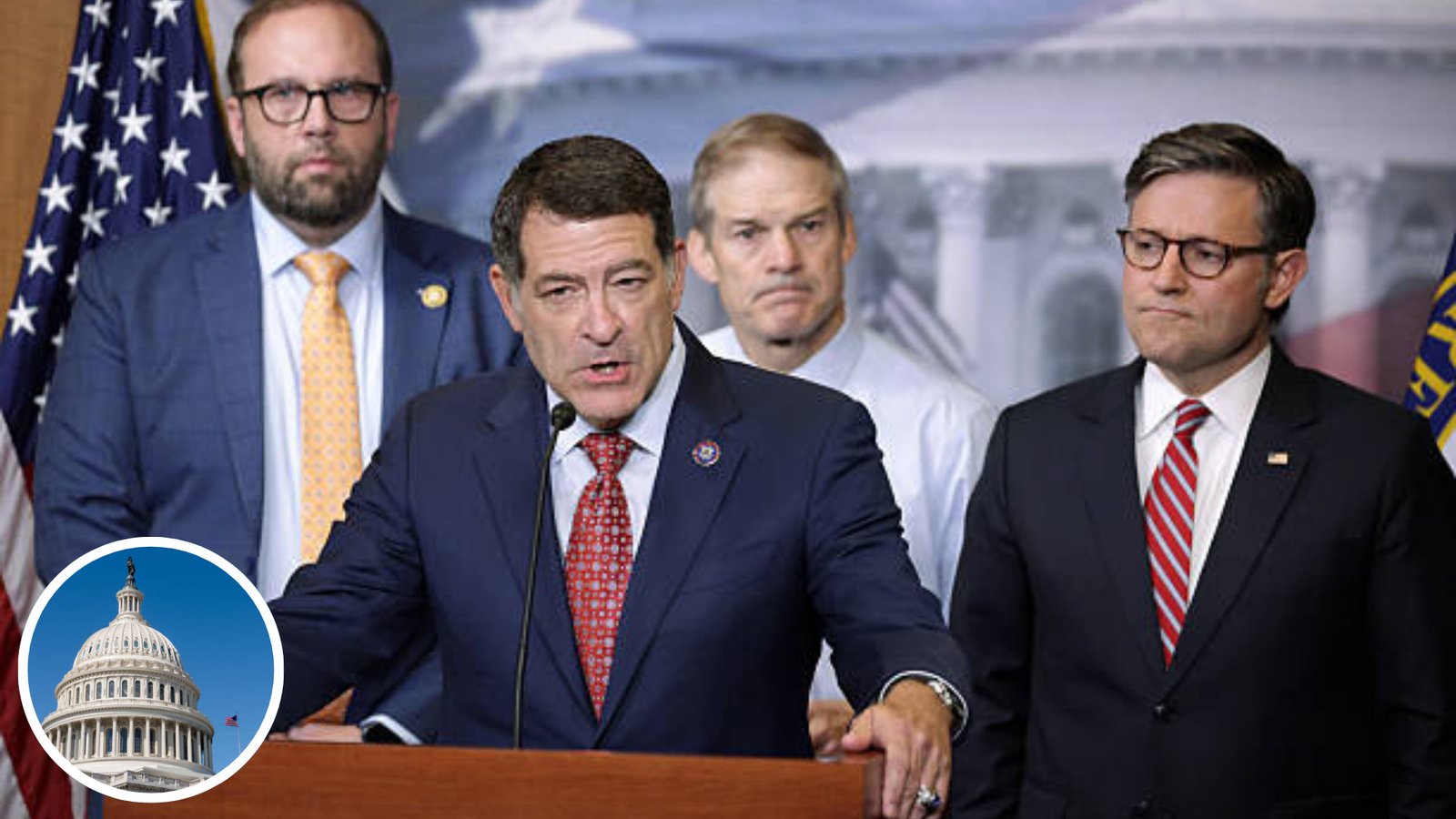
In a move that has sent shockwaves through Capitol Hill,
Rep. Mark Green, a Republican from Tennessee and chair of the House Homeland
Security Committee, has announced his immediate resignation from Congress. The
departure, which was confirmed Monday, July 7, 2025, leaves Speaker Mike Johnson with an even narrower Republican majority in the House, intensifying
the political stakes as the chamber grapples with a series of contentious
legislative battles.
Why Did Rep. Mark Green Resign from Congress?
As reported by ABC News, Rep. Mark Green’s office released a
brief statement Monday confirming his resignation, but did not provide a
detailed explanation for the decision. The lack of a public rationale has
fueled speculation among political observers and lawmakers alike, with some
noting that Green had not previously indicated any intention to leave his post.
Green, a decorated Army veteran and physician, was first
elected to Congress in 2018 and quickly rose through the Republican ranks. He
was serving his second term as chair of the influential House Homeland Security
Committee at the time of his resignation. According to Matt Gutman of ABC News,
Green’s departure comes at a particularly sensitive moment for House
Republicans, who have already seen several members resign or announce plans to
retire in recent months.
How Does Green’s Resignation Affect the Republican Majority
in the House?
Speaker Mike Johnson now faces the daunting task of managing
a House with an even slimmer Republican majority. As Mireya Villarreal reported
on ABC World News Tonight, the GOP’s margin for error on key votes has all but
vanished, raising the specter of Democratic victories on crucial legislation if
even a handful of Republicans break ranks or are absent for votes.
Political analysts note that the loss of Green’s vote could
have immediate consequences for the Republican legislative agenda. With several
high-profile bills pending—including measures on government spending, border
security, and social program reforms—Johnson’s ability to marshal his caucus
will be tested as never before. As reported by Democracy Now!, House GOP
leaders have recently advanced controversial bills to slash social programs and
cut taxes, initiatives that may now face even greater hurdles given the party’s
diminished numbers.
What Has Been the Reaction from Republican and Democratic
Leaders?
Reaction to Green’s resignation has been swift and, in some
cases, sharply divided along party lines. According to CBS News’ “Face the
Nation,” Democrats have seized on the development as evidence of Republican
instability, with Rep. Tom Suozzi of New York stating that the GOP’s internal
divisions are “paralyzing the House and preventing real progress on issues that
matter to Americans”.
On the Republican side, Speaker Johnson has yet to issue a
detailed public statement, but aides close to the Speaker told ABC News that
Johnson was “disappointed” by Green’s decision and is working to ensure party
unity in the wake of the resignation. Other GOP lawmakers have expressed
concern about the impact on the party’s ability to advance its agenda,
particularly as the 2026 midterm elections approach.
What Happens Next for Tennessee’s 7th Congressional
District?
Green’s resignation triggers the need for a special election
to fill the now-vacant seat in Tennessee’s 7th Congressional District. The
timeline for the election has not yet been announced, but state officials are
expected to provide details in the coming days. As reported by ABC News, the
district is considered a Republican stronghold, but Democrats see an
opportunity to make inroads given the current political climate.
Political strategists from both parties are already gearing
up for what is expected to be a closely watched contest. The outcome could have
significant implications for the balance of power in the House, particularly if
other Republican-held seats become vacant or flip to Democratic control in the
coming months.
How Does Green’s Departure Fit into the Broader Trend of
Congressional Resignations?
Green is the latest in a string of Republican lawmakers to
resign or announce plans to retire ahead of the 2026 midterm elections. As
reported by Democracy Now!, the GOP has been grappling with internal divisions
and a series of high-profile departures, raising questions about the party’s
ability to maintain its majority and present a unified front on key issues.
Political observers note that such resignations can have a
cascading effect, undermining party morale and complicating efforts to recruit
strong candidates for upcoming races. The loss of experienced lawmakers like
Green, who brought military and medical expertise to the House, is seen as a
particular blow to Republican leadership.
What Are the Broader Implications for Speaker Johnson and
the House GOP?
Speaker Johnson’s leadership is now under even greater
scrutiny as he navigates the challenges of a shrinking majority and mounting
legislative pressures. According to ABC News, Johnson’s ability to keep his
caucus together will be critical in the weeks and months ahead, especially as
Democrats seek to exploit any signs of Republican weakness.
The departure of committee chairs and senior members like
Green also raises questions about succession planning within the GOP. Party
leaders will need to quickly identify a replacement for the Homeland Security
Committee chairmanship, a key post at a time when national security issues are
front and center in the public debate.
What Are the Next Steps for Congress?
In the immediate term, the House will continue to operate
with a reduced Republican majority, making every vote potentially decisive. As reported by CBS News, Democrats are expected to press their advantage, seeking
to peel off moderate Republicans on issues ranging from healthcare to
infrastructure.
The special election in Tennessee’s 7th District will be
closely watched as a bellwether for the broader political environment heading
into 2026. Both parties are expected to pour resources into the race, with
national implications for control of the House.
As the dust settles on Rep. Mark Green’s unexpected
resignation, the stakes for Speaker Johnson and the House Republican leadership
have never been higher. With the GOP’s majority hanging by a thread and the
2026 midterms looming, the coming months promise to be among the most
consequential in recent congressional history.