

KYIV, Ukraine, 9 June 2026 (Washington Insider Magazine) Ukraine industrial economy is facing growing uncertainty after labor unions and industry representatives warned that proposed rail freight tariff increases could place additional pressure on the country’s steel industry and threaten up to 300,000 jobs connected to manufacturing, mining, logistics, and exports.
The concerns have emerged as Ukraine continues efforts to strengthen industrial production while competing in increasingly challenging global markets. Industry groups argue that higher transportation costs could significantly impact producers that rely heavily on rail networks to move raw materials and finished products throughout the country and to international customers.
Rail Costs Become a Major Concern for Manufacturers
Ukraine’s industrial sector depends heavily on rail transportation. Steel producers, mining companies, and manufacturers use freight rail networks to transport iron ore, coal, steel products, and other essential materials across long distances.
Industry leaders say transportation expenses already represent a substantial portion of operating costs. Any significant increase could reduce competitiveness and make it more difficult for Ukrainian companies to compete with foreign producers.
Several business organizations have urged policymakers to carefully consider the broader economic consequences before implementing major tariff adjustments.
Steel Industry Remains a Key Economic Driver
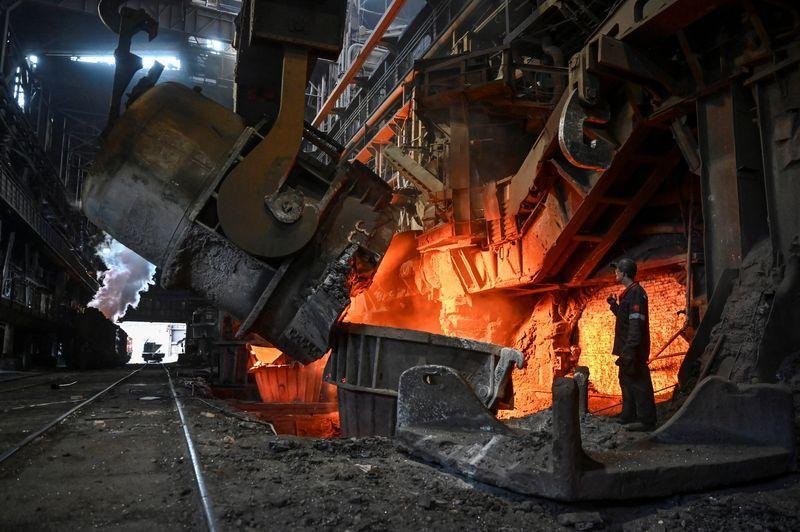
The steel sector continues to play a vital role in the Ukraine industrial economy, supporting thousands of workers directly while creating demand for suppliers, contractors, transportation providers, and export services.
Steel exports remain an important source of foreign revenue and contribute significantly to industrial output. Many communities depend on manufacturing facilities and mining operations as major sources of employment and economic activity.
Industry analysts note that maintaining competitive production costs remains essential for preserving market share and attracting future investment.
Union Leaders Warn About Employment Risks
Labor representatives have voiced concerns that rising freight costs could eventually lead to lower production levels, delayed investments, and reduced hiring across industrial regions.
Union officials estimate that as many as 300,000 jobs linked directly or indirectly to the steel supply chain could face pressure if manufacturers struggle to absorb higher transportation expenses.
One industry representative stated:
“Competitive transportation costs are essential for industrial growth, export success, and long-term employment stability.”
The warning highlights growing concern among workers and businesses about the potential ripple effects throughout the economy.
Export Competitiveness Under the Spotlight
Global steel markets remain highly competitive, with producers from multiple countries competing for international contracts. Even modest increases in logistics costs can influence purchasing decisions and affect export performance.
Manufacturers argue that higher freight charges could weaken their position in key export markets, especially when competitors benefit from lower operating expenses or stronger infrastructure support.
As a result, transportation policy has become an important factor in discussions surrounding industrial growth and economic recovery.
Balancing Infrastructure Investment and Growth
Supporters of rail tariff adjustments argue that transportation networks require significant investment to maintain efficiency, safety, and reliability. Modern rail infrastructure remains essential for supporting long-term economic development.
However, industry groups believe policymakers must find a balance between infrastructure funding needs and the competitiveness of manufacturers.
Many organizations are calling for consultations that would allow businesses, labor unions, transportation officials, and government representatives to evaluate potential solutions together.
Economic Outlook Remains Closely Watched
The debate surrounding freight transportation costs reflects broader questions about the future direction of the Ukraine industrial economy. Investors, manufacturers, and labor organizations are monitoring developments closely as discussions continue.
While infrastructure modernization remains a priority, industry leaders emphasize that protecting jobs, supporting exports, and maintaining competitiveness should remain central objectives.