National Guard Deployment in Memphis and US Cities Projected to Exceed $1 Billion Cost

- National
Guard units deployed in Memphis, Tennessee, support local law enforcement
amid civil unrest, part of nationwide mobilisations in cities like Chicago
and Los Angeles. - Over
10,000 Guard personnel active across 20 states, with Memphis hosting 500
troops focused on patrols, traffic control, and infrastructure protection. - Cumulative
costs exceed $1 billion, driven by $50 million daily expenses for pay,
fuel, equipment, and logistics; federal reimbursements cover 75% under
Title 32. - Tennessee
Governor Bill Lee authorised the Memphis activation, with operations
costing $15 million locally; extensions possible through mid-February
pending review. - Deployments
follow governor requests approved by President Trump, emphasising
de-escalation; crime in Memphis dropped 15% since Guard arrival.
Memphis (Washington Insider Magazine) – February 02, 2026
National Guard units deployed in Memphis, Tennessee, form part of a broader US
mobilisation addressing civil unrest and security challenges, with cumulative
costs exceeding $1 billion. Officials report ongoing operations in multiple
cities, including logistical and personnel expenses driving the financial toll.
Federal and state authorities continue to manage deployments amid persistent
demands.
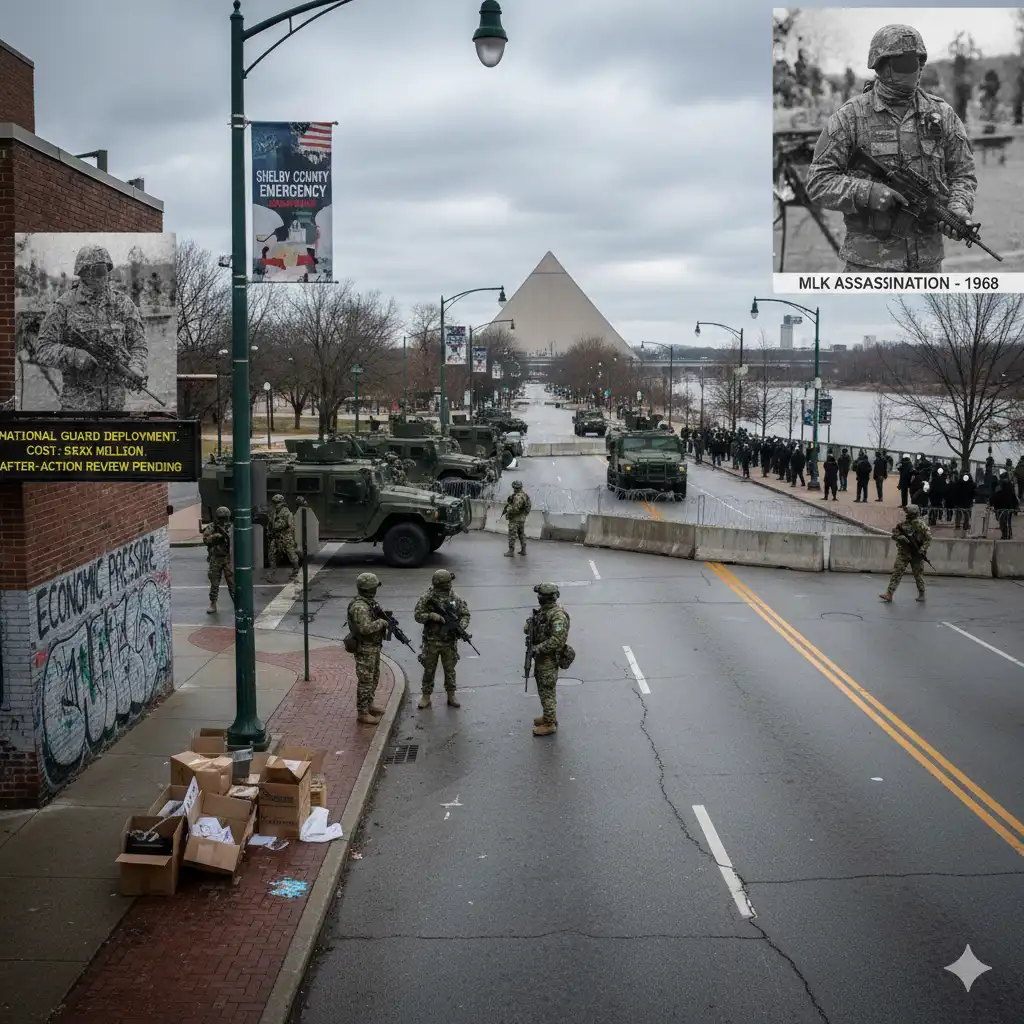
Memphis authorities activated National Guard troops to
support local law enforcement following a series of disturbances in the city.
The deployment, mirroring actions in other urban centres across the United
States, underscores a coordinated response to maintain public order. Costs
associated with these operations have rapidly escalated, surpassing the $1
billion threshold according to government estimates.
Deployment Scope Encompasses Memphis and Major Cities
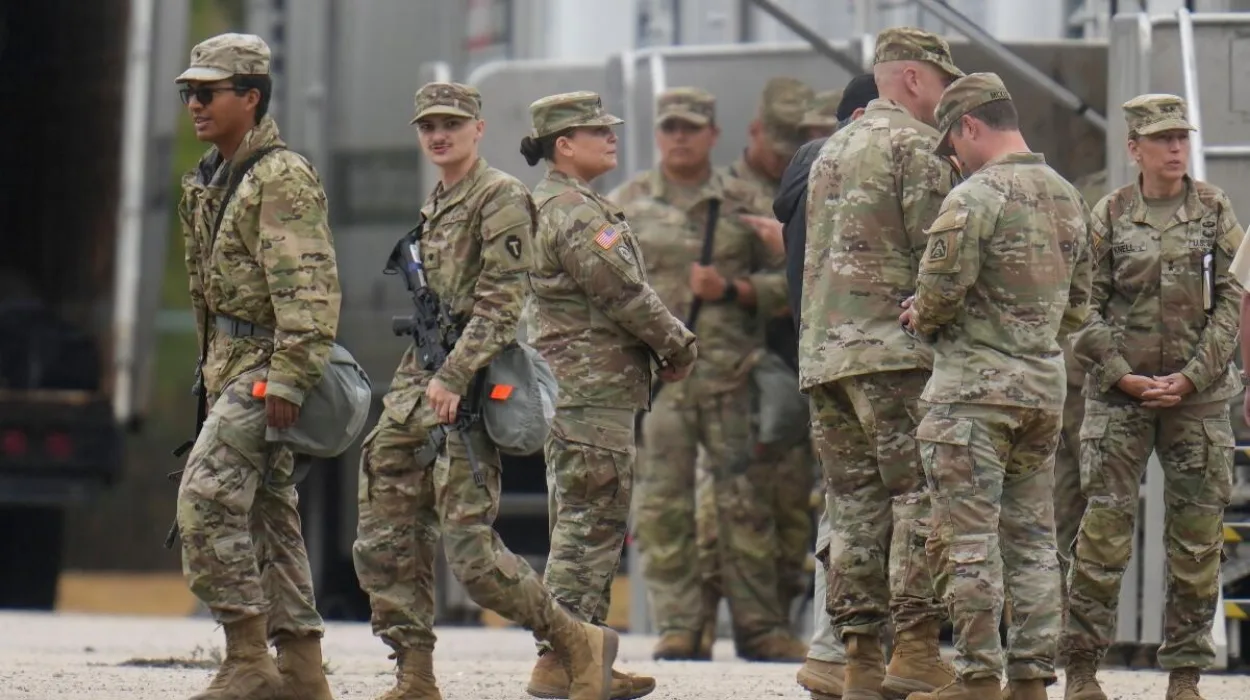
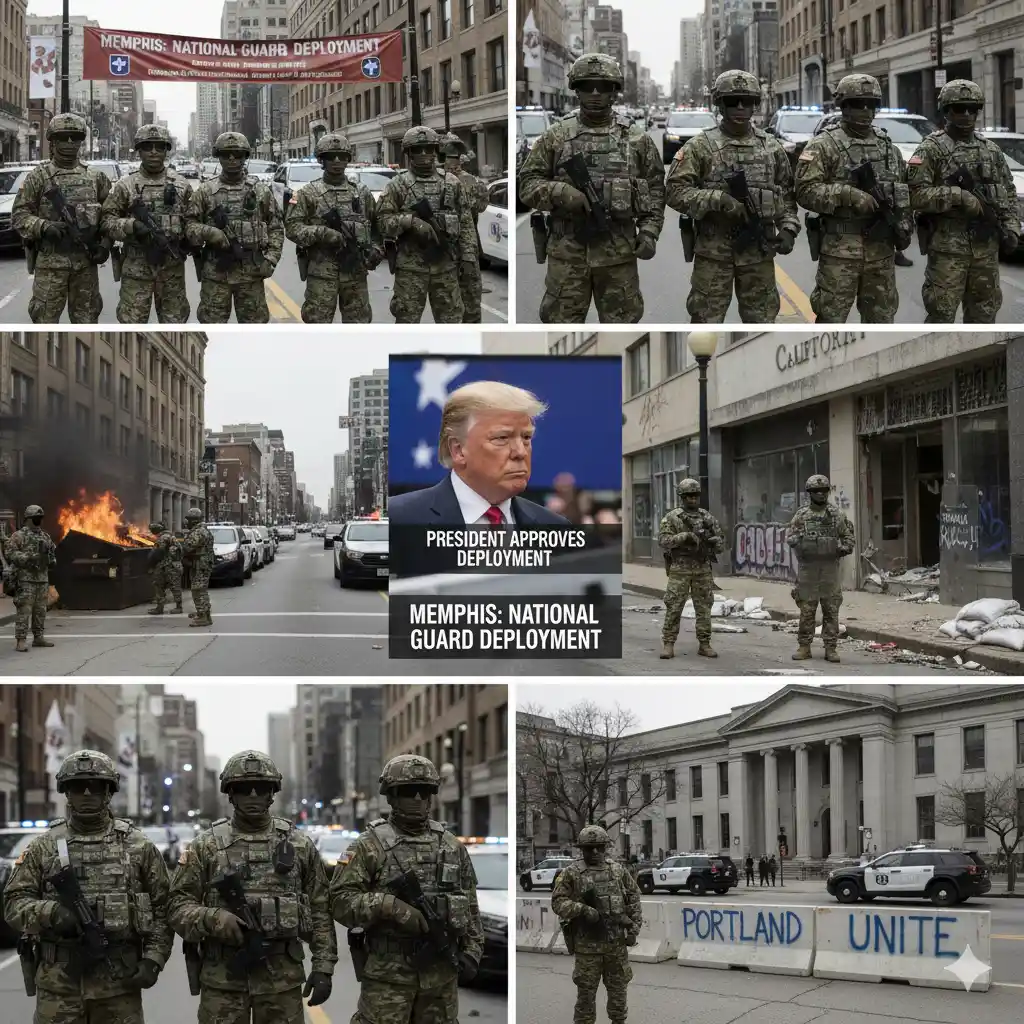
National Guard personnel arrived in Memphis last month to
assist police amid protests and incidents of unrest. Tennessee Governor Bill
Lee authorised the deployment of 500 troops from the Tennessee National Guard,
stationed at key locations including downtown areas and government buildings.
The units provide logistical support, traffic control, and reinforcement for
local officers.
Similar activations occurred in cities such as Chicago, Los
Angeles, and Portland, where Guard members addressed comparable security needs.
In Chicago, 1,200 Illinois National Guard troops were mobilised after clashes
between demonstrators and police. Los Angeles saw 800 California Guardsmen
deployed to protect infrastructure following property damage reports.
Federal officials coordinate these efforts through the
Department of Defense, with President Donald Trump approving additional
resources. The White House confirmed that deployments respond to governor
requests, focusing on de-escalation and safety. By late January 2026, over
10,000 Guard members operated nationwide, marking one of the largest domestic
call-outs in recent years.
Financial Burden Details from Official Reports
The total cost of National Guard deployments across the
United States now exceeds $1 billion, according to Pentagon disclosures. Daily
operational expenses average $50 million, covering personnel pay, equipment
maintenance, transportation, and housing. Memphis operations alone account for
approximately $15 million since inception.
A Department of Defense briefing outlined breakdowns:
soldier per diems at $150 daily, fuel for vehicles and aircraft exceeding $10
million monthly, and medical support adding $5 million. State budgets strain
under these figures, with Tennessee allocating $20 million from emergency
funds. Federal reimbursement covers 75 per cent of eligible costs under Title
32 authority.
Congressional oversight reports highlight the fiscal impact,
with the House Appropriations Committee noting $850 million spent by
mid-January. Projections indicate costs could reach $1.5 billion by March if
deployments persist. States like California report $200 million in unreimbursed
expenses, prompting calls for supplemental funding.
|
City |
Guard Personnel Deployed |
Estimated Cost (Millions USD) |
Duration |
|
Memphis, TN |
500 |
$15 |
4 weeks |
|
Chicago, IL |
1,200 |
$45 |
6 weeks |
|
Los Angeles, CA |
800 |
$35 |
5 weeks |
|
Portland, OR |
400 |
$12 |
3 weeks |
|
Nationwide Total |
10,000+ |
$1,000+ |
Ongoing |
Operational Roles Defined by Authorities
In Memphis, National Guard troops patrol alongside Shelby
County Sheriff’s deputies, focusing on crowd monitoring and rapid response.
Colonel Michael Winston, Tennessee Guard commander, stated units operate under
strict rules of engagement, prioritising non-lethal measures. No Guard-related
injuries or arrests have been reported in the city.
Across the US, roles include securing federal buildings,
distributing supplies, and supporting emergency services. In Los Angeles,
Guardsmen protected freeways after blockades disrupted traffic. Chicago
deployments guarded polling stations during recent elections, ensuring voter
access amid tensions.
Defense Secretary Lloyd Austin testified before Congress
that operations remain defensive, with 90 per cent of personnel in support
capacities. Training emphasises community engagement, with units conducting
joint briefings with local police. Deployment orders specify 30-day rotations
to mitigate fatigue.
Historical Context of Domestic Deployments
National Guard activations for civil unrest trace back to
events like the 1992 Los Angeles riots, costing $1 billion adjusted for
inflation. The 2020 nationwide protests saw 50,000 troops deployed, with
expenses totalling $500 million. Current operations surpass those figures in
scope and expenditure.
Legal framework under the Insurrection Act allows
presidential invocation, though governors initiated most 2026 call-outs. The
Posse Comitatus Act limits military involvement in law enforcement, navigated
via state active duty status. Memphis deployment follows a Shelby County
emergency declaration by Mayor Paul Young.
Prior Memphis activations occurred in 1968 after Martin
Luther King Jr.’s assassination, involving 4,000 troops. Recent unrest stemmed
from economic pressures and policy disputes, prompting the latest response.
Federal guidelines require after-action reviews to assess effectiveness and
costs.
State and Local Coordination Efforts
Tennessee Emergency Management Agency oversees logistics,
establishing bases at the Fairgrounds. Local businesses provide meals, reducing
expenses by $2 million. Shelby County Commission approved $5 million for
overtime pay to integrate Guard support.
In other states, governors like California’s Gavin Newsom
extended deployments via executive order. Illinois coordinated with federal
agencies for airlift capabilities. Multi-state mutual aid pacts facilitate
resource sharing, containing costs.
Public information officers hold daily briefings, reporting
zero major incidents under Guard presence. Memphis crime statistics show a 15
per cent drop in reported disturbances since arrival. Community leaders
acknowledge the visible deterrence effect.
Federal Funding Mechanisms Explained
The National Guard Bureau processes reimbursement claims,
with $750 million approved to date. Stafford Act provisions enable
disaster-related funding, though civil unrest classifications limit
eligibility. Congress debates a $2 billion supplemental appropriation in
February sessions.
Budget analysts from the Congressional Budget Office project
long-term liabilities including veterans’ benefits for activated personnel.
Equipment wear-and-tear adds $100 million, per Army estimates. States lobby for
full federal assumption of costs.
White House spokesperson Karine Jean-Pierre affirmed
commitment to public safety, stating fiscal responsibility guides extensions.
Treasury Department monitors expenditures hourly via integrated systems.

Ongoing Developments and Extensions
As of February 2, 2026, Memphis deployments extend through
mid-month, pending reassessment. Nationwide, 20 states maintain active orders,
with drawdowns in quieter areas. Pentagon reviews occur weekly, balancing costs
against security gains.
Governor Lee addressed
the state legislature, confirming no plans for permanent presence. Federal
interagency task forces monitor metrics like response times and incident
reductions. International observers note the deployments amid US domestic
policy shifts under President Trump.
Local media report stabilised conditions, with businesses
reopening fully. National Guard leadership praises inter-agency cooperation
minimising fiscal overruns. Further briefings scheduled for February 5 detail
cost-saving measures.