
- Syrian
Democratic Forces (SDF) imposed a curfew across Syria’s northeast,
including Hasakah, Qamishli, and Raqqa, starting February 1, 2026, to
secure areas ahead of Syrian government forces’ entry. - The
measure enforces dusk-to-dawn restrictions with exemptions for medical
emergencies, following a late January agreement between Damascus and SDF
for peaceful territorial handover. - Syrian
army units, totalling 15,000 soldiers, began advancing from Palmyra,
taking control of checkpoints and oil fields like Al-Omar under joint
inspections. - UN
observers and international stakeholders monitor the transition, with aid
convoys delivering supplies to 500,000 civilians amid stabilised
conditions. - SDF
commanders and Syrian officials confirm coordination to prevent
disruptions from ISIS remnants, targeting full reintegration by early
March.
Damascus (Washington Insider Megazine) February 02, 2026
–
Syrian Democratic Forces (SDF) imposed a curfew across Syria’s northeast region
on February 1, 2026, in anticipation of Syrian government forces entering the
area. The measure aims to maintain security during the transition following a
recent agreement between Damascus and the SDF. Official statements confirm
coordination between the parties to facilitate a peaceful handover of control.
The curfew took effect at 6:00 PM local time and remains in
place until further notice, covering major cities including Hasakah, Qamishli,
and Raqqa. SDF commanders announced the restriction via radio broadcasts and
social media channels, directing residents to remain indoors except for
essential needs. Syrian government spokespersons confirmed the impending
deployment of army units to secure the territories previously held by the SDF.
Curfew Details and Enforcement Mechanisms
SDF patrols intensified along main roads and checkpoints
following the curfew announcement. Exemptions apply to medical emergencies,
with designated safe passages at hospitals in Hasakah and Deir ez-Zor.
Violations carry penalties including fines and temporary detention, according
to SDF military police statements.
Local councils in SDF-controlled areas distributed guidance
pamphlets outlining compliance rules. Electricity and water supplies continue
uninterrupted, with generators supporting critical infrastructure.
Telecommunications remain operational, allowing families to report urgent
situations to hotline numbers provided by authorities.
The curfew aligns with a broader ceasefire agreement signed
in late January 2026 between SDF leadership and the Syrian Ministry of Defence.
Terms include the gradual withdrawal of SDF fighters from urban centres,
replaced by Syrian Arab Army brigades. United Nations observers monitor the
process from neutral positions along the Euphrates River.
Background to Government Forces Entry Agreement
Negotiations between Damascus and the SDF concluded on
January 28, 2026, after months of indirect talks mediated by regional actors.
The deal stipulates full government sovereignty over oil fields in Deir ez-Zor
and Hasakah provinces by mid-February. SDF delegates cited economic pressures
and security threats from dormant ISIS cells as key factors prompting the
accord.
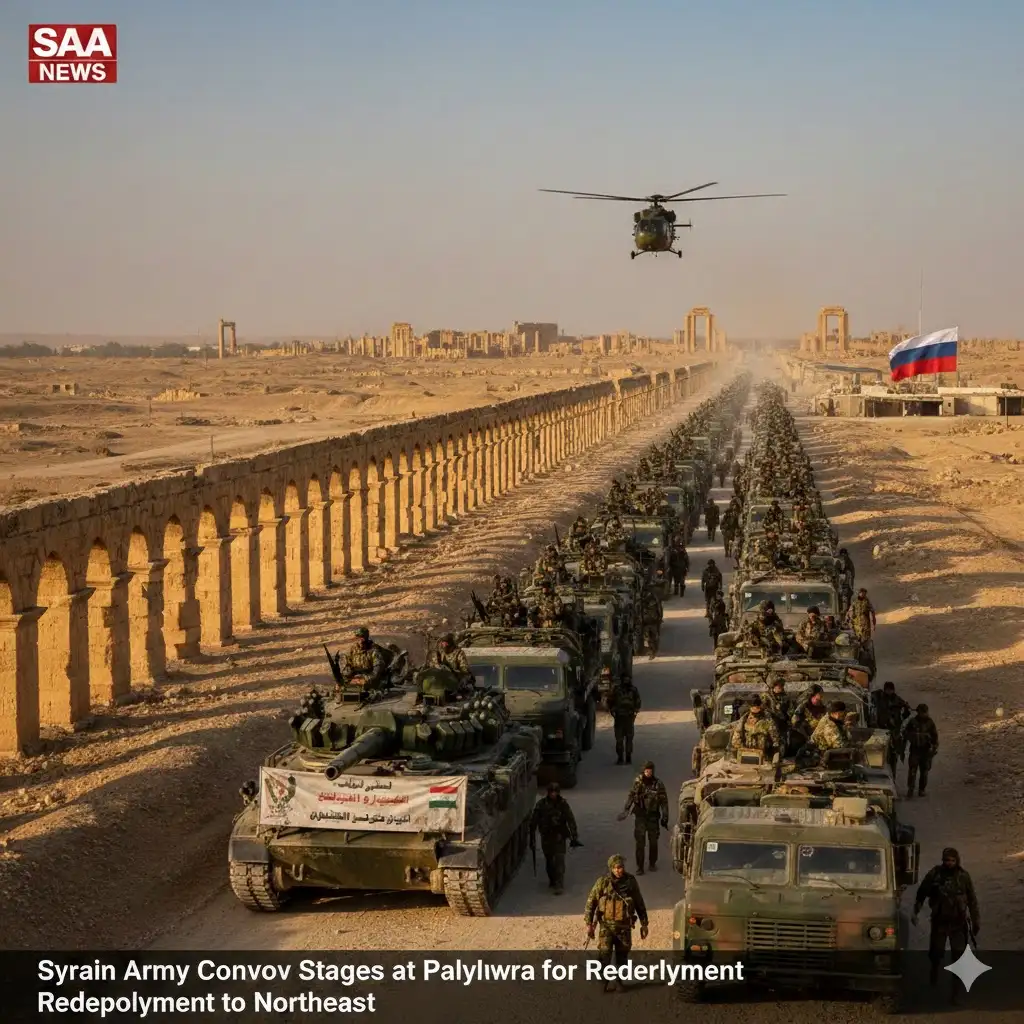
Syrian President Bashar al-Assad directed the redeployment
of five army divisions, totalling 15,000 soldiers, from southern fronts to the
northeast. Convoys began staging at government-held Palmyra on January 30,
equipped with armoured vehicles and logistics trains. State media aired footage
of troops conducting drills tailored for urban pacification operations.
International stakeholders welcomed the development. The
United States, maintaining a limited presence at select bases, announced plans
to adjust troop postures accordingly. Russia’s military coordination centre in
Hmeimim confirmed joint patrols with Syrian forces upon entry.
Regional Security Implications and Local Responses
Residents in Qamishli reported stockpiling food and fuel
prior to the curfew, with markets closing early on January 31. Schools
suspended classes until February 7, shifting to remote learning via
government-approved platforms. Hospitals activated contingency plans,
increasing staff shifts and medical supply reserves.
SDF spokesperson Mustafa Bali stated the curfew prevents
potential disruptions from opportunistic groups. “Our forces secure the
transition to ensure civilian safety,” Bali said in a televised address. Syrian
Defence Minister Ali Mahmoud Abbas echoed the sentiment, promising “orderly
reintegration without bloodshed.”
Cross-border dynamics shifted as Turkish-backed forces
paused operations near the Syria-Turkey border. Ankara issued statements
supporting Syria’s territorial integrity while monitoring SDF withdrawals from
Kobani and Tal Abyad.
|
Location |
Curfew Hours |
Exempt Services |
Responsible Authority |
|
Hasakah City |
6 PM – 6 AM |
Hospitals, Pharmacies |
SDF Military Police |
|
Qamishli |
Sunset – Sunrise |
Emergency Vehicles |
SDF Patrol Units |
|
Raqqa |
5 PM – 7 AM |
Water Delivery |
Joint SDF-Govt Teams |
|
Deir ez-Zor |
Full Nightly |
Fuel Stations (Limited) |
Syrian Army Advance Units |
Military Movements and Logistical Preparations
Syrian army convoys crossed into former SDF zones at dawn on
February 2, starting with engineering units clearing routes. Bulldozers
repaired bridges damaged in prior clashes, facilitating heavier equipment
transport. Air support from Syrian Arab Air Force helicopters provided overhead
reconnaissance.
SDF handed over 12 checkpoints in Hasakah province by noon,
including radar installations and ammunition depots. Inventories transferred
under protocol witnessed by International Committee of the Red Cross delegates.
Government forces established forward operating bases at repurposed SDF
barracks.
Oil infrastructure at Al-Omar field saw initial joint
inspections, with production resuming at 40 per cent capacity. Technicians from
Syria’s Ministry of Petroleum arrived to assess pipelines linked to national
grids.
Humanitarian Considerations and Aid Coordination
United Nations Office for the Coordination of Humanitarian
Affairs allocated $10 million for emergency supplies in the northeast. Convoys
carrying flour, medicine, and blankets queued at border crossings from Iraq and
Jordan. World Food Programme teams pre-positioned rations for 500,000
civilians.
Local NGOs reported no immediate displacement waves,
attributing stability to the curfew’s deterrent effect. Refugee camps at Rukban
received reinforcements from Jordanian authorities. European Union pledged €20
million for reconstruction once full government control establishes.
Health Ministry directives mandated vaccinations against
seasonal diseases, with mobile clinics operating under curfew waivers. Water
quality tests confirmed safe levels across urban supplies.
Statements from Key Figures and Institutions
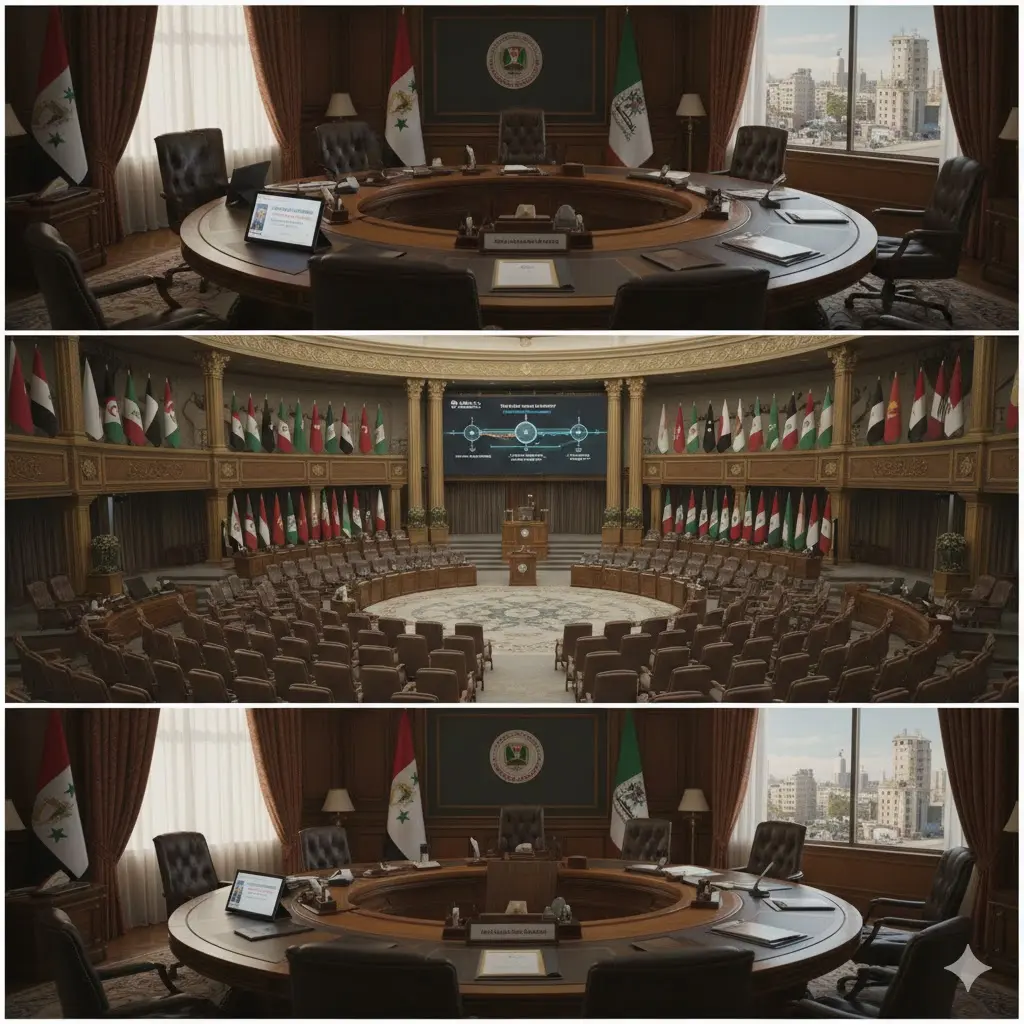 SDF General Commander Mazloum Abdi hailed the agreement as a
“step toward national unity” in an interview with state television. “The
curfew protects our people during this sensitive phase,” Abdi remarked.
Foreign Minister Faisal Mekdad addressed the Arab League,
detailing timelines for administrative reintegration.
“Syria reclaims its
northeast without foreign interference,”
Mekdad declared.
United States Special Envoy for Syria Barbara Leaf confirmed
ongoing dialogues, stating,
“Transitions must prioritise human rights
protections.”
Historical Precedents and Prior Agreements
The SDF-government pact follows 2023 truces in Manbij and
Tabqa, where similar handovers occurred without major incidents. Earlier pacts
faltered over power-sharing disputes, leading to sporadic clashes in 2024.
ISIS remnants, numbering under 1,000 fighters, pose the
primary threat, with Syrian forces detaining 50 suspects since January. Al-Hol
camp houses 40,000 families linked to extremists, under heightened guard.
Russia’s Foreign Ministry reported 200 joint training
sessions preparing Syrian troops for northeast conditions. Iranian advisors
withdrew from forward positions per agreement terms.
International Monitoring and Verification Processes
UN Security Council Resolution 2254 framework
guides the process, with monthly reports due from Damascus. European
observers deployed to five sites, equipped with satellite communications.
Turkey’s Defence Ministry confirmed no incursions during the
curfew period. Israel maintained radio silence on Golan Heights postures.
Ongoing briefings occur daily at SDF headquarters in
Qamishli, with media access granted to accredited journalists. Final handover
phases target March 1 completion.