
Summary
- Yemen’s
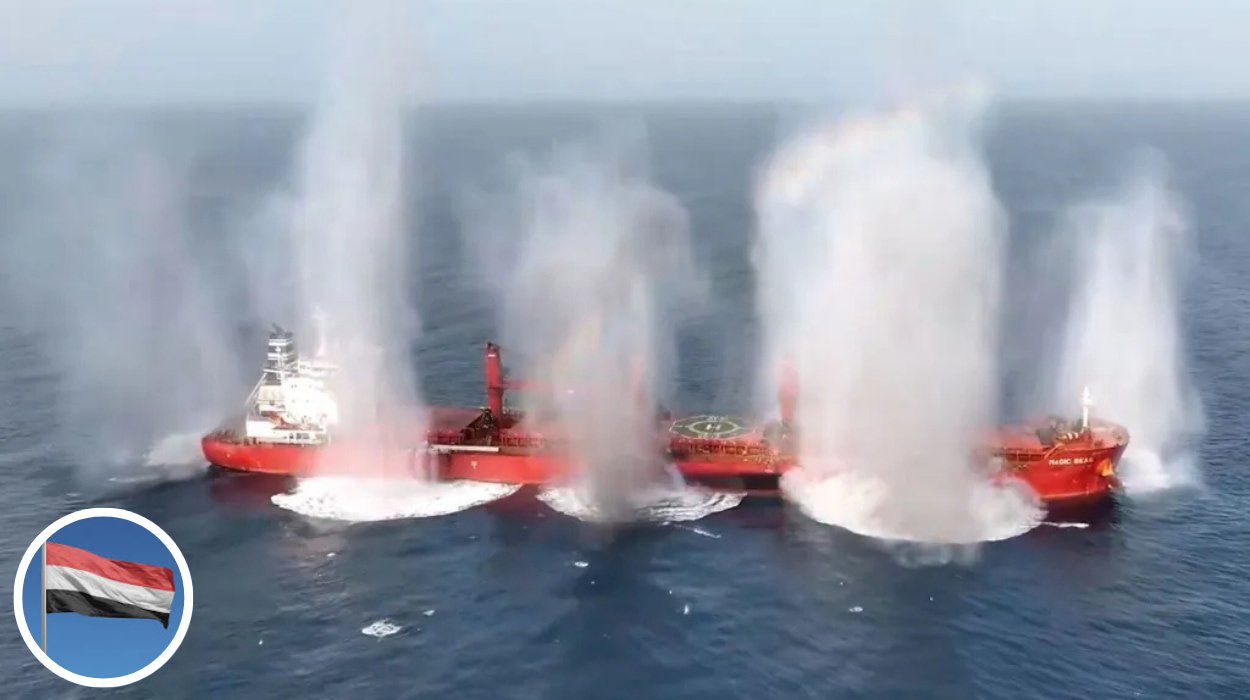
Houthi rebels threaten to escalate attacks on ships linked to Israel. - The
warning increases tensions in the strategically vital Red Sea maritime
routes. - Houthis
have a history of targeting vessels they associate with Israeli interests. - The
announcement occurs amid escalating violence in the Israel-Palestine
conflict. - International
powers express concern over maritime security and freedom of navigation. - The
conflict risks disrupting global trade and humanitarian aid delivery. - Regional
and global diplomatic efforts continue to seek de-escalation. - The
Houthis’ actions reflect broader geopolitical and sectarian dynamics in
Yemen.
The latest declarations from the Yemen based Houthi group
underline the fragile security situation in the Red Sea, a crucial artery for
global shipping and energy supplies. As these rebel forces signal their intent
to intensify maritime attacks targeting Israel linked vessels, the potential
impact extends beyond regional conflict to threaten international commerce and
humanitarian operations. Observers emphasize the urgency of coordinated
diplomatic efforts to prevent further escalation and ensure the continued
safety of shipping lanes vital to the global economy.
What Did the Yemen Houthis Announce About Their Maritime
Operations?
As reported by multiple news sources covering Middle
Eastern affairs, the Yemen-based Houthi rebel group has publicly declared it
will escalate its attacks on ships associated with Israel. This announcement
signals a possible intensification of naval hostilities in the Red Sea, a
critical corridor for international shipping.
The Houthis, who control significant parts of Yemen, have
long opposed Israel and its regional allies. Their recent statement highlights
a willingness to target maritime vessels they identify as linked to Israeli
interests, including commercial and potentially military ships. The group’s
maritime operations have previously disrupted shipping lanes, causing global
concern over Red Sea security, including for vessels transiting to and from the
Suez Canal.
This militant posture is part of broader Houthi
retaliation against what they perceive as Israeli aggression and its alliances,
particularly in the context of the ongoing Israel-Palestine conflict.
How Does This Fit Into the Larger Middle East Conflict?
The Houthi announcement comes during a period of
escalating violence in the Israel and Palestine region, where the humanitarian and
security situations have reached critical levels. United Nations
Secretary-General António Guterres has described the conflict as reaching a
“breaking point,” calling for urgent political action and a two-State
solution to resolve decades of strife.
At a recent high-level conference reported by Vibhu
Mishra of the UN News service, Guterres condemned acts of terror from Hamas
against Israel, while simultaneously admonishing the heavy civilian casualties
and destruction in Gaza, which he described as unacceptable. The ongoing siege,
displacement, and violence are exacerbating regional instability.
In this volatile environment, the Houthis’ maritime
threats add a new dimension of risk to international shipping and broader
regional security. Their actions align with wider anti-Israel sentiment among
certain actors in the Middle East allied with or sympathetic to them.
What Has Been the International Response to the Houthi
Threats?
While specific statements on the Houthis’ latest maritime
warnings have yet to be detailed by major governments, global powers remain
concerned over any escalation in the Red Sea. The United States and European
nations stress the importance of freedom of navigation and continue to monitor
the situation closely, given the strategic global significance of these
maritime passages.
In parallel, diplomatic efforts involving leaders such as
the UK Prime Minister and US President Donald Trump focus on ceasefire negotiations and humanitarian aid
access in conflict zones, including Gaza. These efforts aim to stabilize the
region and reduce the risk of wider confrontations.
Regional experts warn that Houthi actions could provoke
responses from naval forces committed to securing these shipping lanes,
potentially drawing external powers into an expanded conflict.
How Are the Houthis Positioning Themselves Within the
Yemen Conflict?
The Houthis have long been engaged in a multifaceted
conflict within Yemen, which involves regional powers and has had catastrophic
humanitarian consequences. Their maritime attacks on ships linked to Israel are
part of their broader strategic posture, which also includes missile strikes
and ground offensives.
The group’s willingness to extend its operations to
international waters reflects their intent to exert pressure beyond Yemeni
borders, leveraging their position to influence regional dynamics and support
allied causes, such as the Palestinian struggle.
What Are the Potential Implications for Global Trade?
The Red Sea is one of the world’s busiest shipping
corridors, connecting the Mediterranean Sea via the Suez Canal to ports in Asia
and the Middle East. Any escalation of attacks on vessels threatens to disrupt
this vital trade artery.
Maritime insurance costs could surge, shipping companies
might reroute vessels, and the global supply chain could face delays and
increased costs. Such disruptions would have ripple effects on economies
worldwide, particularly affecting energy supplies and imports for Europe, Asia,
and Africa.
What Are the Broader Humanitarian Concerns Linked to This
Situation?
The ongoing violence in the region, including Yemen’s
internal conflict and Israel-Palestine hostilities, has led to widespread
humanitarian crises. The United Nations reports that millions face hunger and
displacement. The situation remains fluid, with the Yemen Houthis
signaling a potentially dangerous phase for maritime security in the Middle
East. International observers and stakeholders are watching closely, urging
restraint and the need for diplomatic resolution to prevent further escalation.
According to a recent UN report cited by Catherine
Russell, UNICEF Executive Director, over 190 million children under five suffer
from undernutrition globally, with vulnerable populations in conflict zones
being most affected. Rising food prices and disrupted supply chains exacerbate
these challenges. The escalation of maritime hostilities risks compounding
these problems by limiting aid access through blockade or damage to logistics
routes.