
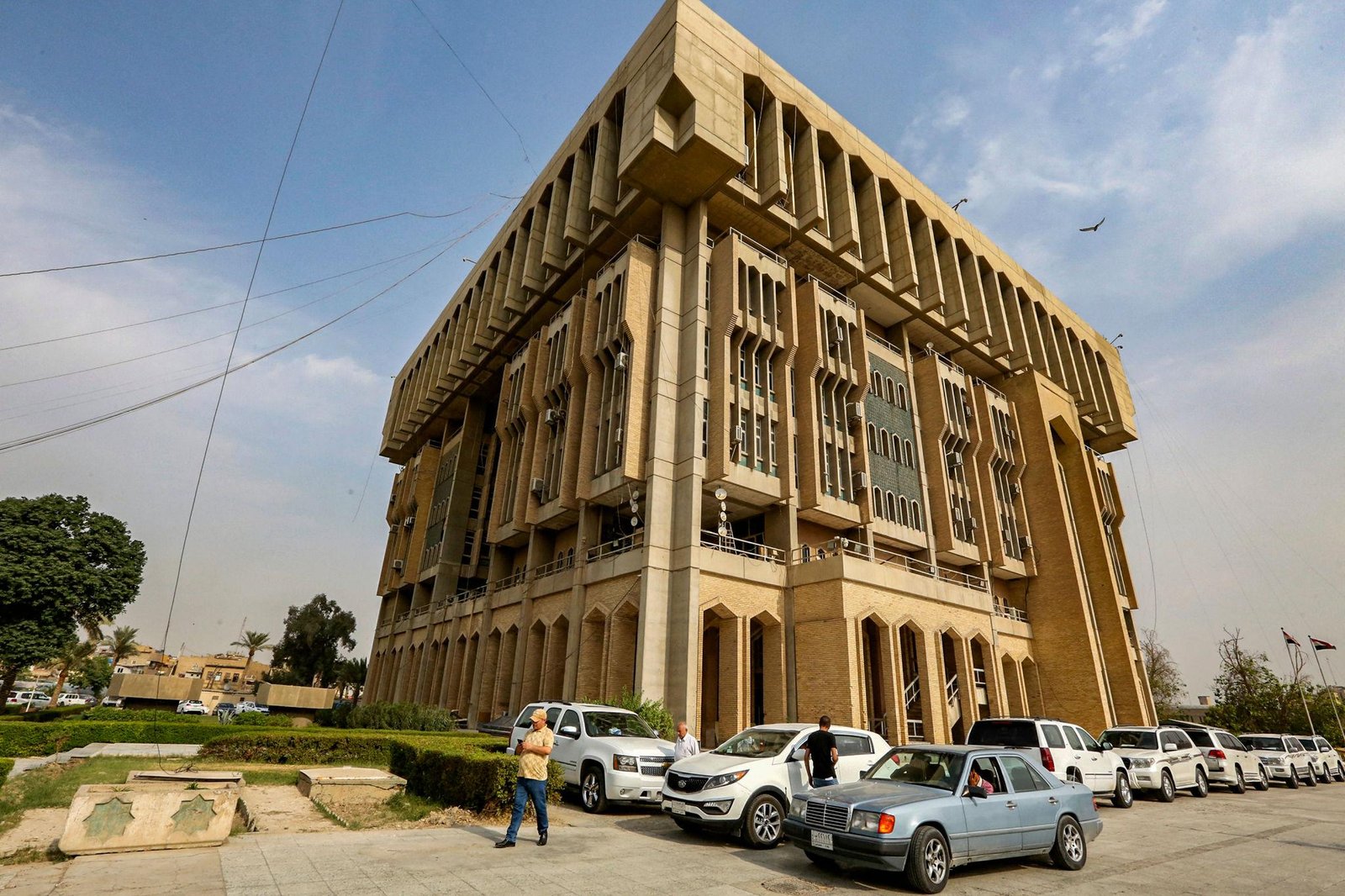

BAGHDAD, Iraq – May 7, 2026 (Washington Insider Magazine) US Iran conflict tensions intensified sharply after Washington imposed sanctions on Iraq’s deputy oil minister and several militia leaders accused of supporting Iranian-linked operations across the Middle East. The move marks another escalation in the ongoing confrontation between the United States and Iran as regional instability continues impacting energy markets, security conditions, and diplomatic relations.
The United States Treasury Department accused Iraqi Deputy Oil Minister Ali Maarij Al-Bahadly of facilitating oil diversion schemes benefiting Iran and allied militia organizations operating in Iraq. The sanctions also targeted senior figures linked to Iran-aligned militias Kata’ib Sayyid Al-Shuhada and Asa’ib Ahl Al-Haq.
American officials said the measures are intended to disrupt financial networks allegedly helping Iran bypass sanctions and fund regional proxy operations.
Washington Expands Economic Pressure
The latest sanctions reflect the growing intensity of the US Iran conflict as Washington continues expanding financial restrictions tied to Iranian regional influence.
Treasury Secretary Scott Bessent stated that the United States would continue targeting groups accused of exploiting Iraq’s oil resources to finance operations hostile to American interests and regional allies.
“Like a rogue gang, the Iranian regime is pillaging resources that rightfully belong to the Iraqi people,” Bessent said in a statement released by the Treasury Department.
The sanctions freeze any US-based assets connected to the targeted individuals and generally prohibit American entities from conducting business with them.
Analysts believe the measures are part of a broader campaign designed to weaken Iran’s regional financial networks without direct military confrontation.
Iraq Faces Growing Political Pressure
Iraq remains trapped between competing relationships with Washington and Tehran. The country relies heavily on economic and military cooperation with the United States while maintaining deep political and geographic ties with Iran.
The latest escalation in the US Iran conflict places additional pressure on Iraqi leadership already struggling with political divisions, security threats, and economic challenges.
Regional observers warn that sanctions involving senior oil officials may complicate Iraq’s efforts to stabilize its economy and attract foreign investment.
“Iraq is facing enormous geopolitical pressure from both sides,”
one Middle East analyst explained.
“Any escalation between Washington and Tehran immediately creates risks for Baghdad.”
The sanctions also raise concerns about Iraq’s energy sector because oil exports remain central to the country’s economic stability.
Oil Markets Closely Monitor Developments
Global energy markets reacted cautiously following the sanctions announcement as investors evaluated potential risks tied to Middle East oil production and shipping routes.
Iraq remains one of the world’s largest oil exporters, making regional stability critically important for global energy supply conditions.
The growing US Iran conflict has repeatedly influenced oil prices during recent years due to fears surrounding infrastructure disruptions, sanctions enforcement, and regional military tensions.
Energy analysts warn that additional instability involving Iraq, Iran, or Gulf shipping lanes could increase volatility across international oil markets.
Recent geopolitical tensions involving the Strait of Hormuz have already heightened concerns among global energy traders and shipping companies.
Iran-Backed Militias Remain a Key Concern
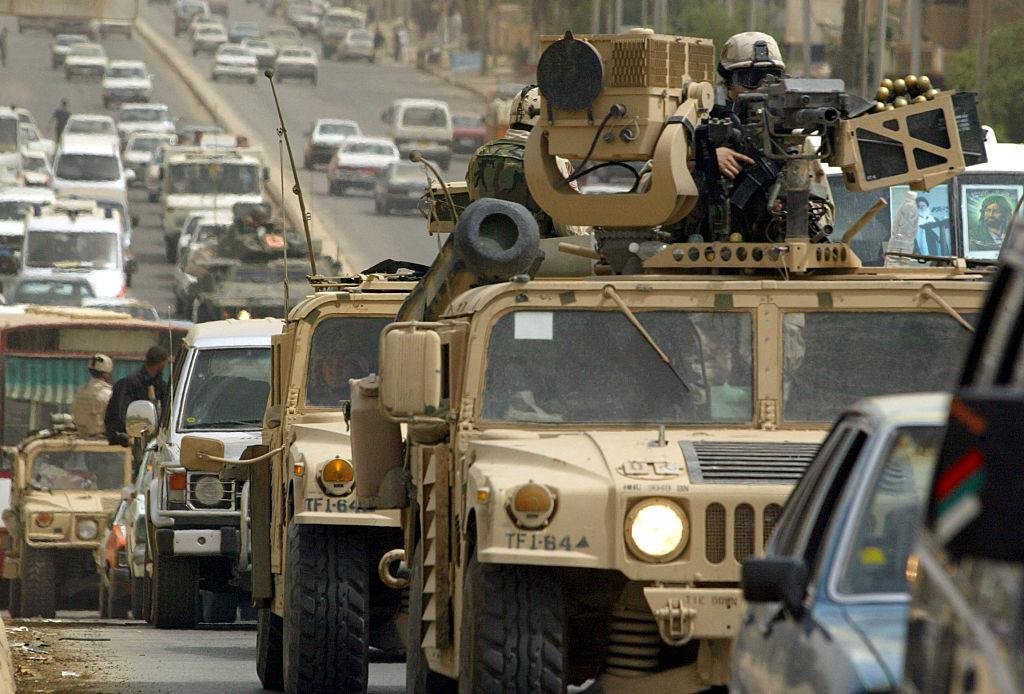
The United States has long accused Iran-backed militias operating in Iraq of conducting attacks against American facilities and regional allies.
Several militia groups maintain significant political and military influence within Iraq while also participating in broader regional operations.
The Treasury Department specifically accused Ali Maarij Al-Bahadly of helping divert Iraqi oil products for the benefit of Iran-backed militia groups.
The broader US Iran conflict continues involving not only diplomatic disputes but also proxy conflicts linked to militia organizations operating across Iraq and Syria.
According to recent reports, US facilities in Iraq have faced hundreds of attacks since the broader Iran conflict intensified earlier this year.
Security experts warn that escalating pressure could increase the likelihood of retaliatory actions involving drone strikes, cyberattacks, or militia operations.
Economic Risks Continue Rising Across the Region
Economic analysts believe prolonged instability tied to the US Iran conflict could affect investment conditions across the Middle East.
Foreign companies often become more cautious about infrastructure projects and energy investments when geopolitical tensions rise sharply.
Iraq’s economy remains especially vulnerable because it depends heavily on oil exports and international financial relationships.
The latest sanctions may also complicate banking operations, cross-border trade, and energy partnerships involving Iraqi institutions and regional businesses.
“Geopolitical instability creates immediate uncertainty for investors,”
an international energy consultant said.
“The longer tensions continue, the greater the economic risk becomes.”
Some analysts also warn that rising sanctions pressure could contribute to inflation concerns and energy market volatility globally.
China and International Powers Watch Closely
The expanding US Iran conflict has increasingly drawn attention from global powers including China, which maintains strong energy and trade relationships with Iran.
China recently pushed back against US sanctions targeting entities involved in Iranian oil purchases, signaling growing international disagreement regarding sanctions enforcement.
Meanwhile, diplomatic discussions between Iranian and Chinese officials have intensified amid rising Middle East tensions and global energy concerns.
International observers believe the evolving geopolitical landscape could eventually influence broader global trade patterns and diplomatic alignments.
Historical Background of US-Iran Tensions
Tensions between Washington and Tehran have shaped Middle Eastern geopolitics for decades through sanctions, proxy conflicts, military operations, and disputes involving nuclear development.
Economic sanctions remain one of the primary tools used by the United States to pressure Iran financially and politically.
The current US Iran conflict reflects years of escalating disputes involving regional militias, oil exports, sanctions enforcement, and military influence throughout the Middle East.
Iraq frequently becomes central to these tensions because of its strategic geographic position and close ties to both countries.
Key Takeaways
The United States imposed sanctions on Iraq’s deputy oil minister and militia leaders accused of supporting Iranian-linked operations, intensifying already fragile Middle East tensions. The growing US-Iran conflict continues affecting energy markets, regional security, and global diplomatic relations as Washington expands financial pressure against Tehran and allied groups operating throughout Iraq and the broader region.