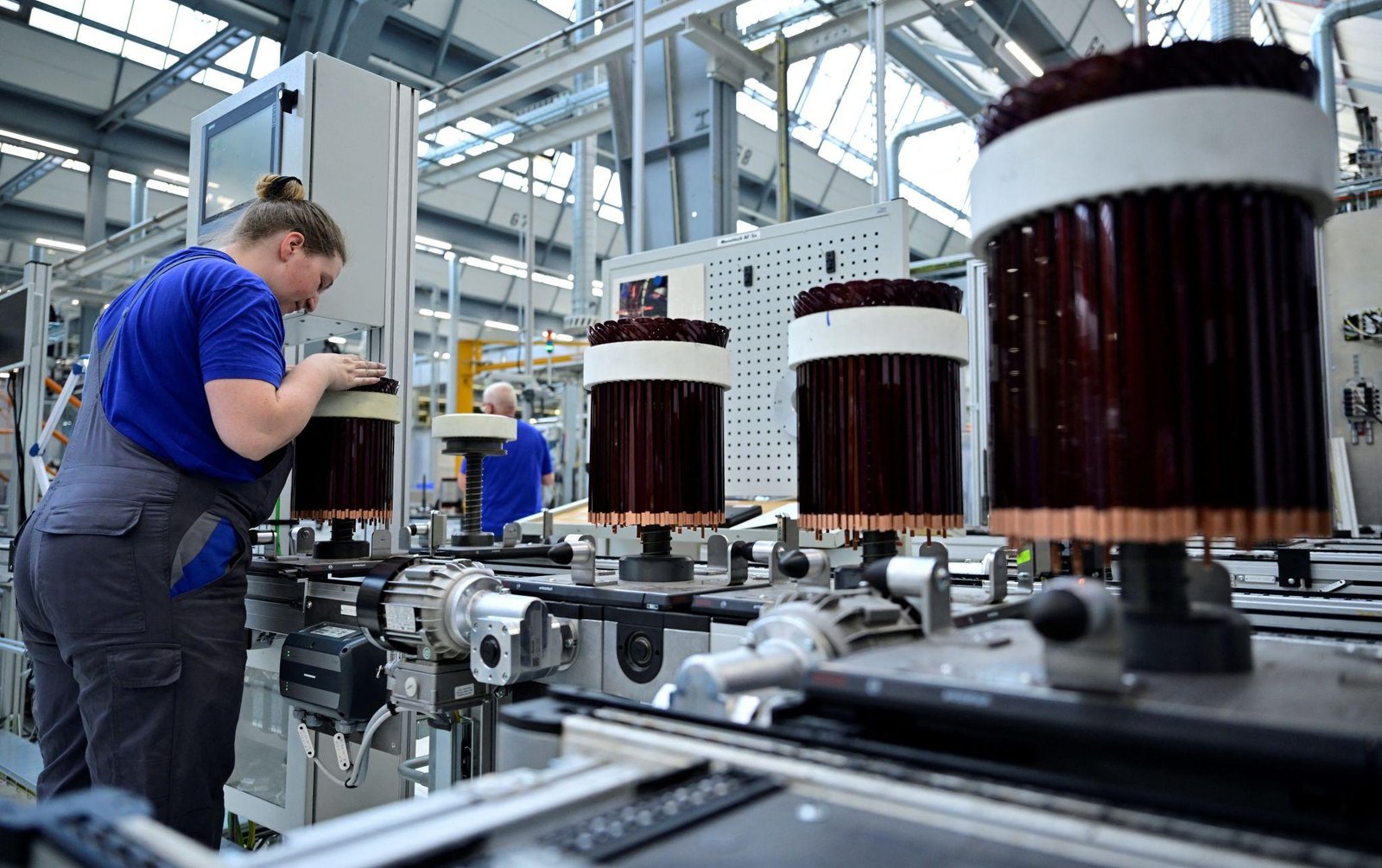
Continental’s 1,600 Job Cuts Deepen Pressure on Germany Industrial Economy in Hanover 2026

HANOVER, Germany – May 7, 2026 (Washington Insider Magazine) Germany industrial economy concerns intensified after automotive supplier Continental confirmed a labour agreement involving approximately 1,600 job cuts across Germany. The restructuring plan highlights growing pressure on Europe’s manufacturing sector as companies struggle with rising operational costs, electric vehicle transition expenses, and slower industrial demand.
The agreement comes during a difficult period for Germany’s industrial base, which remains heavily dependent on automotive manufacturing, exports, and advanced engineering production. Industry analysts believe the latest workforce reductions reflect broader economic challenges facing Europe’s largest economy in 2026.
Continental said the restructuring aims to improve operational efficiency while helping the company adapt to rapidly changing market conditions in the automotive industry.
Continental Responds to Automotive Industry Changes
Company officials explained that the workforce reductions are part of a long-term modernization strategy tied to electric vehicle development, digital manufacturing, and software integration.
Automotive suppliers throughout Europe are facing increasing pressure to reduce costs while investing heavily in next-generation technologies. Electric vehicles require fewer traditional mechanical components than gasoline-powered vehicles, forcing suppliers to redesign production systems and manufacturing priorities.
The growing uncertainty surrounding the Germany industrial economy has accelerated restructuring activity across the automotive supply chain.
“The entire industry is transforming at a historic pace,”
one European manufacturing analyst stated.
“Companies must modernize quickly or risk losing competitiveness.”
Continental emphasized that negotiations with labour representatives focused on limiting disruption while creating a structured transition process for affected employees.
Germany’s Automotive Industry Faces Mounting Pressure
Germany’s automotive sector has long served as one of the country’s strongest economic pillars. Major manufacturers and suppliers support millions of jobs across production, logistics, engineering, and exports.
However, the industry now faces multiple challenges, including slowing industrial growth, high energy prices, international competition, and changing consumer demand.
The latest developments involving the Germany industrial economy reflect how quickly industrial transformation is affecting employment across Europe’s manufacturing sector.
Automakers are increasingly investing in battery technology, artificial intelligence systems, autonomous driving platforms, and software-driven mobility solutions. This transition has reduced demand for some traditional manufacturing operations linked to combustion engine production.
Industry experts believe additional restructuring may continue across Germany’s industrial sector during the coming years.
Labour Agreement Aims to Reduce Conflict
German labour agreements often involve detailed negotiations between corporations, labour unions, and workers’ councils regarding severance packages, retraining opportunities, and phased staffing reductions.
Continental stated that the agreement seeks to provide stability during the restructuring process while supporting long-term operational changes.
Still, labour representatives continue expressing concern about future employment conditions as automation and digital transformation accelerate throughout manufacturing industries.
The growing debate surrounding the Germany industrial economy has increased pressure on political leaders and corporate executives to balance industrial modernization with workforce protections.
“Workers are increasingly concerned about how quickly technology is reshaping manufacturing,”
one labour adviser explained.
“Many traditional industrial jobs are changing permanently.”

Electric Vehicle Expansion Reshapes Manufacturing
The shift toward electric vehicles remains one of the biggest forces reshaping Europe’s industrial economy.
Electric vehicles require different production systems and supply chains compared with traditional gasoline-powered vehicles. Suppliers that historically focused on engine components and mechanical systems must now invest heavily in electronics, battery systems, and software technologies.
The transition has created uncertainty throughout the Germany industrial economy, especially among suppliers facing rising investment costs and tightening profit margins.
Some analysts believe Europe’s automotive workforce could experience continued restructuring as companies adapt to changing technologies and global competition.
Germany’s Economic Outlook Remains Uncertain
Germany’s broader economy has experienced continued industrial pressure linked to inflation concerns, weak manufacturing demand, geopolitical instability, and slower export growth.
The automotive industry remains particularly vulnerable because it relies heavily on global trade and international supply chains.
Economic analysts warn that prolonged manufacturing weakness could affect employment levels, consumer confidence, and overall economic growth.
The latest developments surrounding the Germany industrial economy have therefore attracted attention from investors, policymakers, and labour organizations across Europe.
Some economists argue that industrial modernization is necessary to maintain Germany’s global competitiveness, while others warn that rapid restructuring may create long-term social and economic challenges.
Automation and Technology Continue Expanding
Automation and artificial intelligence technologies are also transforming industrial production systems across Europe.
Manufacturers increasingly rely on robotics, AI-driven monitoring systems, and digital manufacturing platforms to improve efficiency and reduce costs.
While these technologies may strengthen long-term productivity, they can also reduce demand for certain traditional industrial roles.
The growing changes affecting the Germany industrial economy are becoming closely connected to automation, digitalization, and technological innovation.
Industry experts believe companies capable of adapting successfully to advanced manufacturing systems may remain more competitive within the evolving global economy.
Key Takeaways
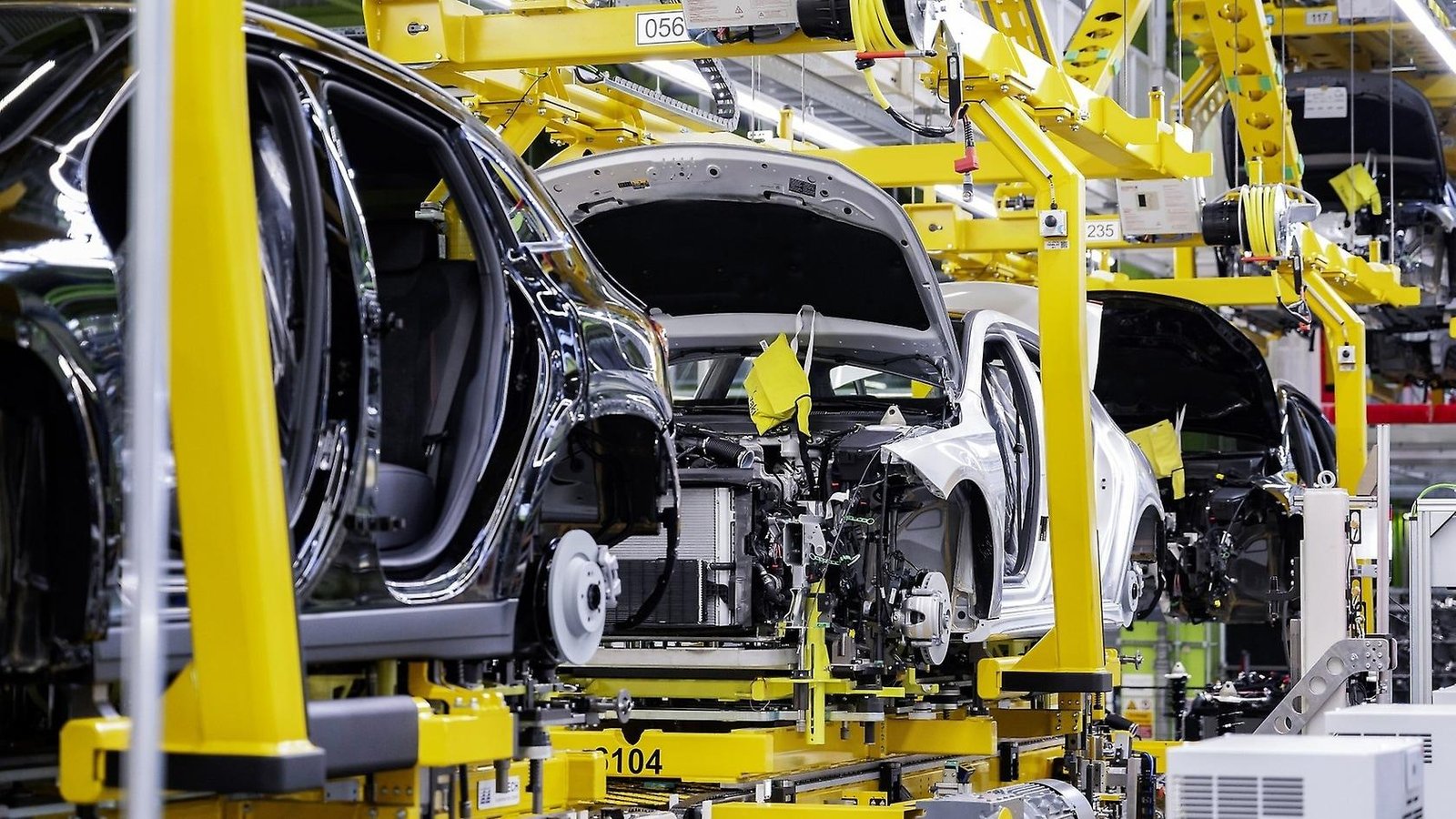
Continental’s labour agreement involving approximately 1,600 job cuts highlights the growing pressure facing Germany’s industrial sector in 2026. Rising costs, electric vehicle expansion, automation, and changing global market conditions continue reshaping Europe’s manufacturing economy. Analysts expect industrial restructuring to remain a major economic issue as automotive companies accelerate modernization efforts throughout the coming years.