
Key Points
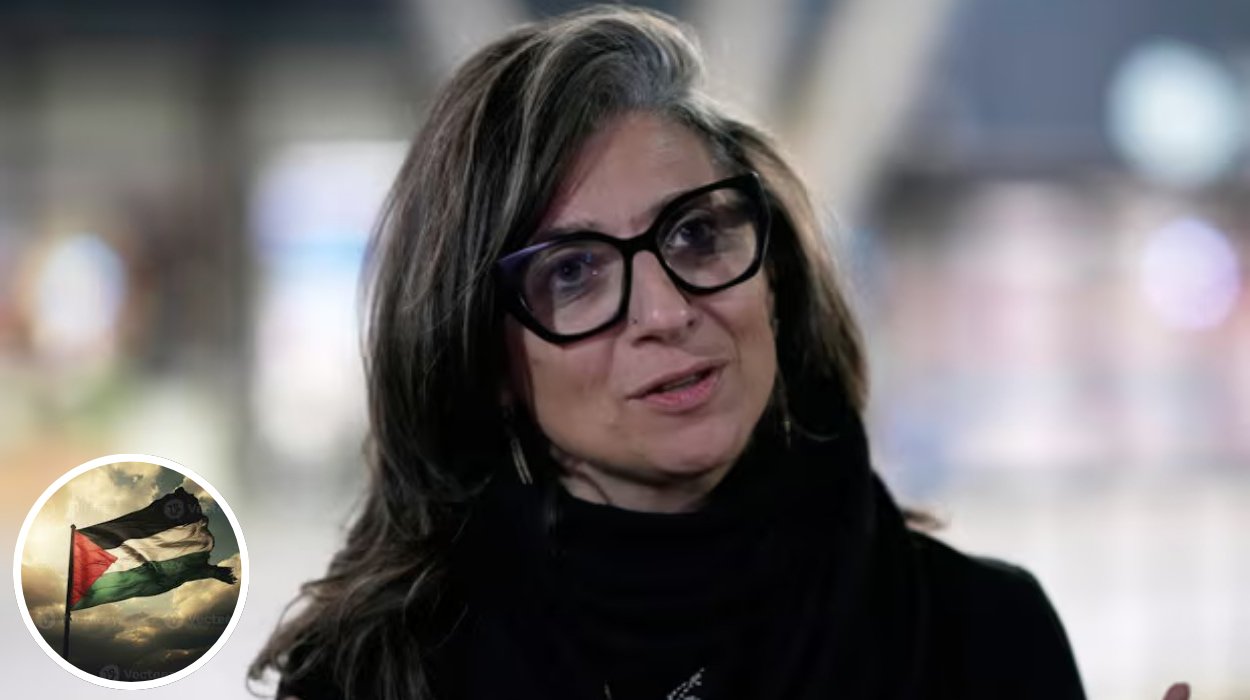
- Francesca
Albanese, UN Special Rapporteur on the situation of human rights in the
Palestinian territories, has been sanctioned by the United States. - Albanese
interprets these sanctions as a sign of “guilt” on the part of the US
regarding her findings. - The
sanctions come amid heightened tensions and ongoing conflict in Gaza. - Albanese’s
role involves investigating human rights violations in Gaza and the West
Bank. - The US
sanctions against her have sparked international debate on freedom of
investigation and human rights accountability. - The
situation reflects broader geopolitical conflicts involving the US,
Israel, and Palestinian territories.
The US sanctions imposed on Francesca Albanese mark a significant moment in the ongoing struggle over human rights investigations in the Palestinian territories. These measures have sparked widespread discussion about the independence of UN mandates and the pressures faced by investigators working in politically sensitive environments. Albanese’s stance and the reactions from the international community underscore the complex dynamics between geopolitical interests and the enforcement of international human rights standards. This situation serves as a critical test for the credibility and effectiveness of global human rights institutions.
What Are the US Sanctions Against Francesca Albanese?
As reported by multiple international news outlets,
Francesca Albanese, the United Nations Special Rapporteur tasked with
investigating human rights conditions in the Palestinian territories, has
recently been subjected to sanctions by the United States government. These
sanctions include restrictions on travel and financial transactions,
effectively limiting Albanese’s ability to operate freely in certain
jurisdictions.
Albanese herself has publicly stated that she views these
sanctions as a “sign of guilt” by the US, implying that the punitive measures
are a reaction to her critical reports on the situation in Gaza and the West
Bank. Her investigations have highlighted alleged human rights abuses and
violations committed during the ongoing conflict, which has drawn significant
international attention and controversy.
Who Is Francesca Albanese and What Is Her Role?
Francesca Albanese is a seasoned human rights expert
appointed by the United Nations Human Rights Council to serve as Special
Rapporteur on the situation of human rights in the Palestinian territories
occupied since 1967. Her mandate includes monitoring, investigating, and
reporting on violations of international law and human rights abuses in Gaza
and the West Bank.
Her work involves gathering testimonies, analyzing evidence,
and presenting findings to the UN, aiming to hold parties accountable and
promote justice and peace. Albanese’s reports have often been critical of
actions by Israeli authorities and have called for international intervention
to protect civilians.
Why Did the US Impose Sanctions on Albanese?
According to statements from US officials cited by reputable
media, the sanctions against Albanese are linked to her perceived bias and the
nature of her reports, which the US government argues are one-sided and
unfairly critical of Israel. The US, a close ally of Israel, has historically
opposed UN investigations that it views as undermining Israel’s security or
legitimacy.
Albanese, however, contends that her work is impartial and
grounded in international law. She argues that the sanctions are politically
motivated and serve to suppress independent scrutiny of human rights abuses in
Gaza, a region that has seen devastating conflict and civilian suffering.
How Has the International Community Reacted?
The sanctions against Albanese have triggered a wave of
reactions from various international actors. Human rights organizations and UN
officials have expressed concern that such punitive measures threaten the
independence of UN investigators and undermine efforts to promote
accountability.
Some diplomats and experts warn that sanctioning a UN
Special Rapporteur sets a dangerous precedent, potentially discouraging others
from carrying out their mandates fearlessly. This development has been viewed
as part of a broader pattern of political interference in UN human rights
mechanisms.
What Is the Current Situation in Gaza and Why Is Albanese’s
Work Important?
The Gaza Strip remains a focal point of conflict and
humanitarian crisis. Recent escalations have resulted in significant civilian
casualties and widespread destruction, as reported by UN agencies. The
International Criminal Court has also highlighted ongoing war crimes and
systematic sexual violence in related conflict zones such as Darfur,
underscoring the global urgency of addressing such violations.
UNICEF and other UN bodies have condemned the killing of
civilians, including children, during aid distributions in Gaza. Albanese’s
investigations contribute critical documentation of these abuses, aiming to
ensure that the international community remains informed and responsive.
What Are the Implications of These Sanctions for Human
Rights Work?
The sanctions against Albanese raise important questions
about the independence and effectiveness of UN human rights investigations. If
investigators face political retaliation, their ability to operate objectively
and without fear is compromised.
Experts warn that such actions may embolden perpetrators of
human rights abuses by signaling that international scrutiny can be politically
obstructed. This could hinder justice for victims and prolong conflicts.
What Are the Next Steps for Francesca Albanese and the UN?
Despite the sanctions, Francesca Albanese has vowed to
continue her work. The UN Human Rights Council and other bodies are expected to
discuss the implications of the sanctions and consider measures to protect the
independence of their investigators.
World leaders are also gathering soon at the High-Level
Political Forum 2025 in New York to discuss global progress on human rights and
sustainable development, a context in which Albanese’s situation may be
addressed.
This evolving story highlights the complex interplay between
international diplomacy, human rights advocacy, and geopolitical interests in
one of the world’s most volatile regions. As Francesca Albanese continues her
investigations under challenging circumstances, the global community watches
closely for developments that could impact peace, justice, and accountability
in Gaza and beyond.