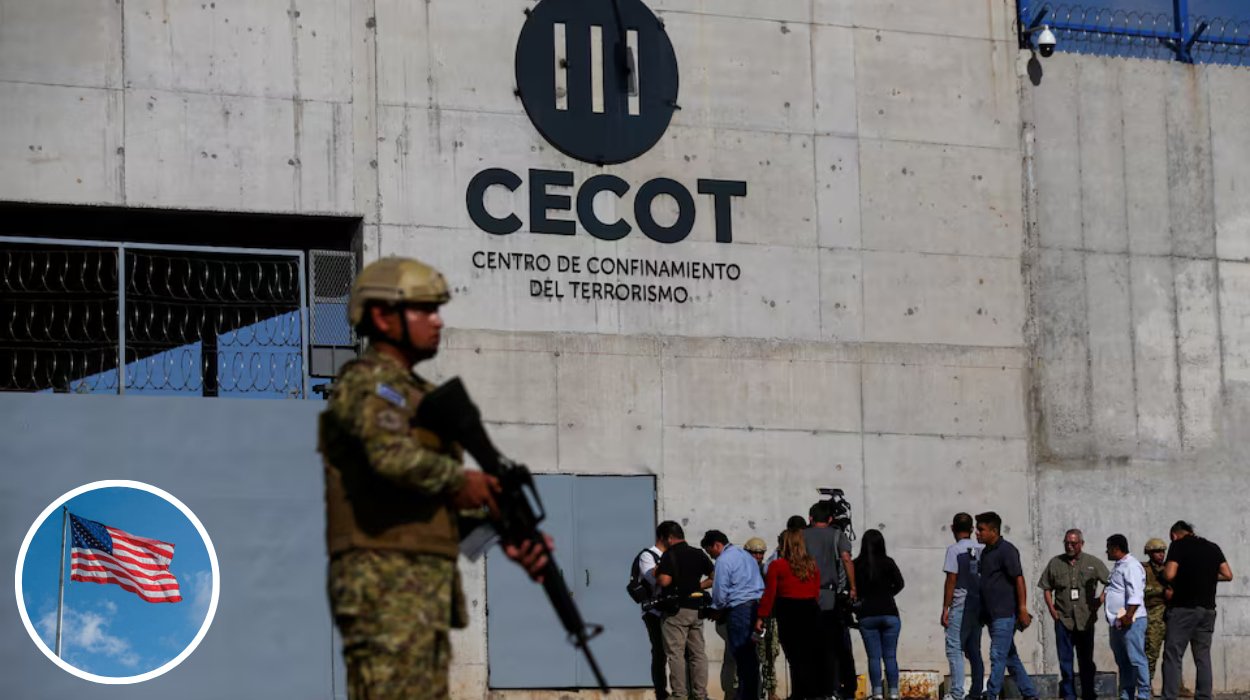

Summary
- The
United States initially claimed it had no choice but to deport certain
individuals to a third country. - Despite
that claim, those individuals were subsequently deported directly to their
home countries. - The
move raises questions about U.S. immigration and deportation policies and
accountability. - Official
statements and reactions highlight the complex legal and humanitarian
implications of this action. - Coverage
from multiple media outlets underlines the controversy surrounding U.S.
government decisions on deportations.
The recent developments in U.S. deportation practices have
sparked significant controversy and raised pressing questions about the
government’s transparency and adherence to immigration laws. Initially, the
U.S. administration maintained that deporting certain individuals to a third
country was the only viable option due to legal and diplomatic complexities.
However, reports now reveal that these individuals were ultimately deported
directly to their home countries, contradicting earlier official statements.
This shift has attracted scrutiny from legal experts, human rights advocates,
and media outlets alike, highlighting the complex interplay between immigration
enforcement, international agreements, and humanitarian obligations. The
following report delves into the details of this case, examining the
implications for U.S. immigration policy and the voices involved in this
unfolding story.
Why Did the U.S. Initially Say It Had to Deport to a Third
Country?
According to multiple reports, the U.S. government initially
stated that it had no option but to deport certain individuals to a third
country due to legal, diplomatic, and logistical constraints. This explanation
was used to justify deportations that avoided returning individuals directly to
their home countries, presumably to comply with international agreements or to
manage diplomatic sensitivities.
This position was officially presented as the only viable
solution at the time, reflecting the complexities of deportation law where
individuals sometimes cannot be sent directly back to their countries of origin
for various reasons, including risks of persecution or lack of diplomatic
clearance.
What Actually Happened: Deportations to Home Countries?
Contrary to the earlier official stance, the U.S. later
executed deportations sending individuals back to their home countries
directly. This shift has been carefully documented by journalists across
several outlets, exposing a discrepancy between the government’s initial public
rationale and its actual immigration enforcement practices.
The direct deportations occurred despite previous assertions
that a third country was the only feasible destination, thereby sparking
debates among legal experts, human rights advocates, and policymakers about the
transparency and legality of such actions.
How Did Media Report on the U.S. Deportation Actions?
Coverage by various news agencies, including NBC News and
CNN, highlighted the evolving situation. For instance, the NBC News report
discussed the broader context of U.S. immigration enforcement, touching on
administrative decisions, labor official firings related to immigration policy,
and ongoing debates about deportation practices.
CNN’s news bulletins emphasized the contradiction between
official statements and the actual deportation routes, questioning the
government’s approach and its accountability. The reports from both outlets
cited statements from government officials and immigration lawyers who
underscored the complications and potential violations in deportation
procedures.
What Are the Legal and Humanitarian Implications?
Legal analysts point out that deporting individuals contrary
to initially stated policies could violate both U.S. immigration law and
international protections concerning refugees and asylum seekers. This raises
concerns about the potential exposure of deportees to danger upon their return
and questions the adherence to due process and fairness in immigration
enforcement.
Human rights organizations have expressed alarm about these
developments, urging for clearer policies and greater oversight to ensure
deportations do not compromise the safety and rights of migrants. The U.S.
government has yet to fully address these concerns in public statements, which
adds to the uncertainty and criticism surrounding its immigration strategies.
What Statements Have Officials Made?
Government spokespeople and immigration officials have
reiterated the challenges involved in navigating international deportation
agreements and emphasized their commitment to lawful enforcement. However,
detailed explanations about the reasons behind the shift from third-country
deportations to direct returns remain limited.
Statements from affected individuals and their advocates, as
reported by journalists, illustrate the human impact of the policy shifts,
highlighting personal stories of uncertainty and distress amid the deportation
processes.
What Does This Mean for U.S. Immigration Policy Going
Forward?
The situation underscores persistent challenges in U.S.
immigration and deportation policies, including managing international
agreements, diplomatic relations, and humanitarian obligations. It also
illustrates the ongoing tension between policy pronouncements and on-the-ground
enforcement realities. Experts suggest that greater transparency and consistency in
deportation practices are necessary to restore public trust and uphold legal
and ethical standards. The debate continues as stakeholders await further
government clarifications and potential policy adjustments.