
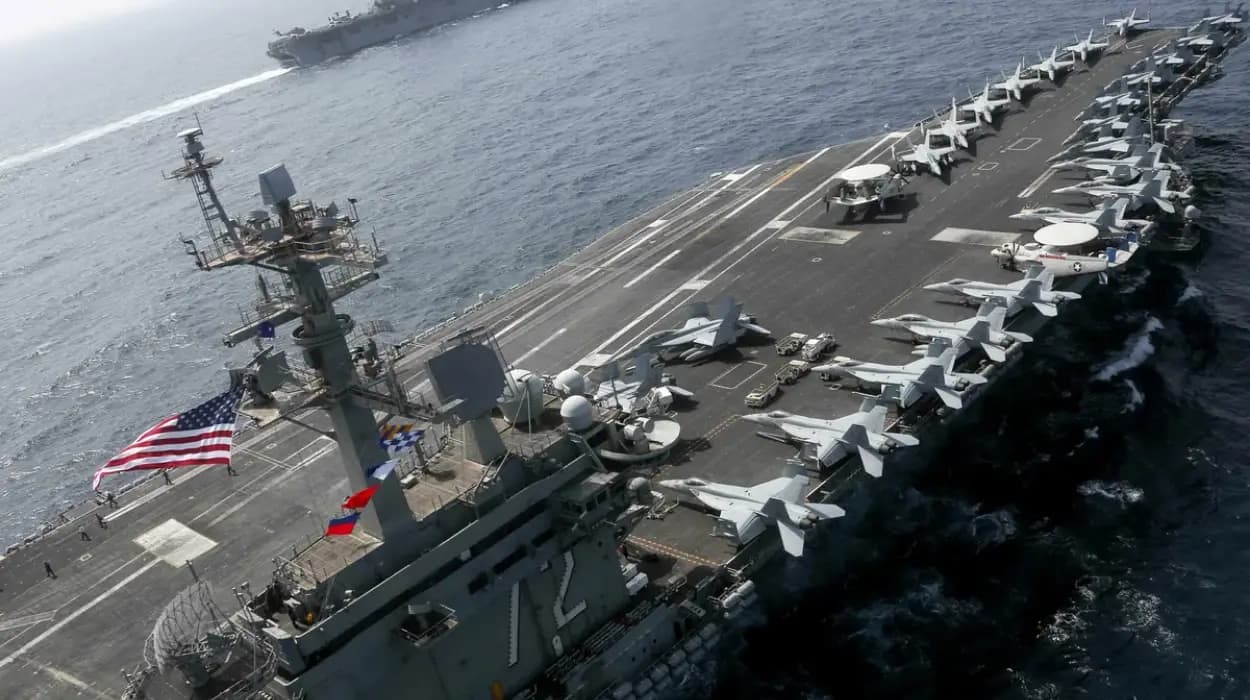
- US warns Iran against "Great Prophet 19" military drills near Fifth Fleet in Persian Gulf, citing risks of miscalculation and threat to shipping lanes.
- Pentagon boosts surveillance with P-8s and MQ-9s as IRGC mobilises speedboats, missile corvettes and hypersonic tests near Strait of Hormuz.
- Trump convenes NSC to weigh responses including carrier deployments, FONOPs; posts warning of "big price" if Iran crosses the line.
- Tehran dismisses concerns as interference, vows to proceed with routine exercises in sovereign waters; Gulf allies heighten defences.
- Global oil prices spike 3%; UN, EU urge restraint amid sanctions, proxy conflicts and nuclear tensions shaping escalation risks.
Washington (Washington Insider Magazine) January 31, 2026 – The United States has issued a formal warning to Iran over planned military exercises positioned close to American naval forces in the Persian Gulf region. Senior US officials stated the drills represent a provocative escalation that could lead to miscalculation, as President Donald Trump considers potential responses including enhanced deployments or countermeasures. Tehran dismissed the concerns, describing the manoeuvres as routine defensive operations within Iranian territorial waters.
The warning follows intelligence reports indicating Iran intends to conduct large-scale naval and air exercises involving ballistic missile tests and fast-attack boat swarms within 50 nautical miles of the US Fifth Fleet's operational area. Pentagon spokespeople emphasised that while the US respects freedom of navigation, Iran's actions threaten regional stability and the safety of international shipping lanes. Diplomatic channels remain active, with US envoy Steve Witkoff engaging Gulf allies to coordinate messaging.
Pentagon Identifies Iranian Drills as Direct Threat to US Assets
US Central Command reported that Iranian Revolutionary Guard Corps (IRGC) naval units have begun mobilising for exercises designated as "Great Prophet 19," featuring live-fire drills, electronic warfare simulations and anti-access/area denial tactics. The manoeuvres coincide with the annual anniversary of Iran's 1979 revolution, a period historically marked by heightened military posturing. American officials noted the proximity of the exercise zone to the Strait of Hormuz, through which 20 per cent of global oil transits daily.
Fifth Fleet commander Vice Admiral [redacted] stated in a briefing that US forces maintain freedom of navigation operations and will not be deterred by Iranian proximity. Satellite imagery released by the Pentagon shows IRGC speedboats and missile corvettes assembling near Bandar Abbas, with air defence systems deployed along the coast. The US has increased airborne surveillance patrols using P-8 Poseidon aircraft and MQ-9 Reapers to monitor developments.
National Security Adviser Mike Waltz described the drills as "unacceptable brinkmanship" during a Fox News appearance, noting President Trump's direct involvement in response planning. The White House confirmed Trump convened the National Security Council to review options ranging from diplomatic protests to preemptive freedom of navigation operations.
Iran Rejects US Warnings, Vows to Continue Exercises
Iranian Foreign Ministry spokesperson Nasser Kanaani responded to the US statement during a press conference in Tehran, asserting the drills occur entirely within sovereign waters and pose no threat to any nation. Supreme Leader Ali Khamenei's office issued a statement characterising American complaints as interference in Iran's defensive rights. IRGC Navy commander Rear Admiral Alireza Tangsiri announced the exercises would proceed as scheduled, featuring new hypersonic missile tests and unmanned underwater vehicle demonstrations.
State media broadcast footage of IRGC preparations, including Kheibar Shekan ballistic missile launches into the Gulf and drone swarm tactics. Tehran framed the manoeuvres as a response to recent US arms sales to Gulf Arab states and Israeli strikes on Iranian proxies in Syria and Lebanon. President Masoud Pezeshkian linked the drills to broader regional tensions, accusing Washington of enabling aggression against the Islamic Republic.
Iranian officials warned that any US incursion into the exercise zone would provoke a "decisive response," referencing past incidents like the 2016 clash with US sailors. Diplomatic sources indicated Tehran notified the UN and International Maritime Bureau of the exercise coordinates, claiming compliance with international notification protocols.
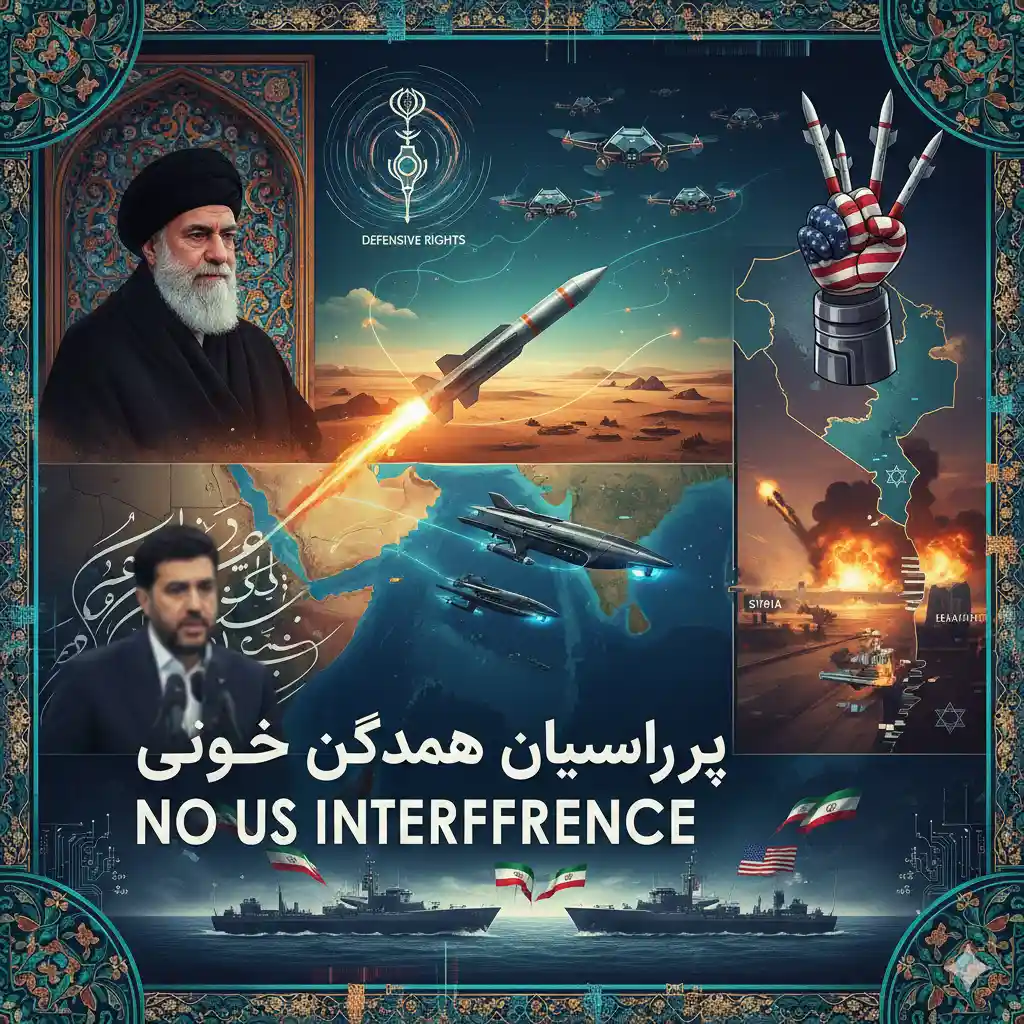
Trump Administration Weighs Military and Diplomatic Options
President Trump posted on Truth Social: "Iran thinks they can play games near our great sailors. Wrong! We are watching very closely, and they will pay a big price if they cross the line." The message amplified concerns raised in closed-door congressional briefings, where lawmakers from both parties expressed support for firm measures. Senate Foreign Relations Committee chair Jim Risch called for "maximum pressure" sanctions renewal.
The State Department summoned the Iranian chargé d'affaires in Washington to deliver the formal demarche, reiterating US commitments to allies Saudi Arabia, UAE and Bahrain. Secretary of State Marco Rubio scheduled consultations with Gulf Cooperation Council ministers, emphasising unity against Iranian adventurism. Treasury announced new designations targeting IRGC-linked shipping firms accused of oil smuggling.
Military planners at Central Command outlined contingency options, including deployment of the USS Abraham Lincoln carrier strike group from the Arabian Sea and additional Patriot batteries to US bases in Qatar and Bahrain. B-52 bombers at Diego Garcia stand ready for rapid response, while Israel coordinated intelligence sharing through the Quintet alliance.
Gulf Allies Bolster Defences Amid Heightened Tensions
Saudi Arabia declared a heightened alert status for its eastern province oil facilities, deploying additional F-15 squadrons to Khamis Mushait airbase. UAE President Mohammed bin Zayed held a virtual summit with Trump, pledging logistical support for US operations. Bahrain hosted trilateral talks between US, UK and French naval commanders to synchronise patrols.
Oman, maintaining neutrality, urged restraint through the Muscat channel, offering to mediate deconfliction arrangements. Qatar's Al Udeid Air Base increased F-35 sortie rates for reconnaissance over the Gulf. Regional shipping insurers raised war risk premiums for Hormuz transits, citing potential disruptions.
Historical Context of US-Iran Gulf Confrontations
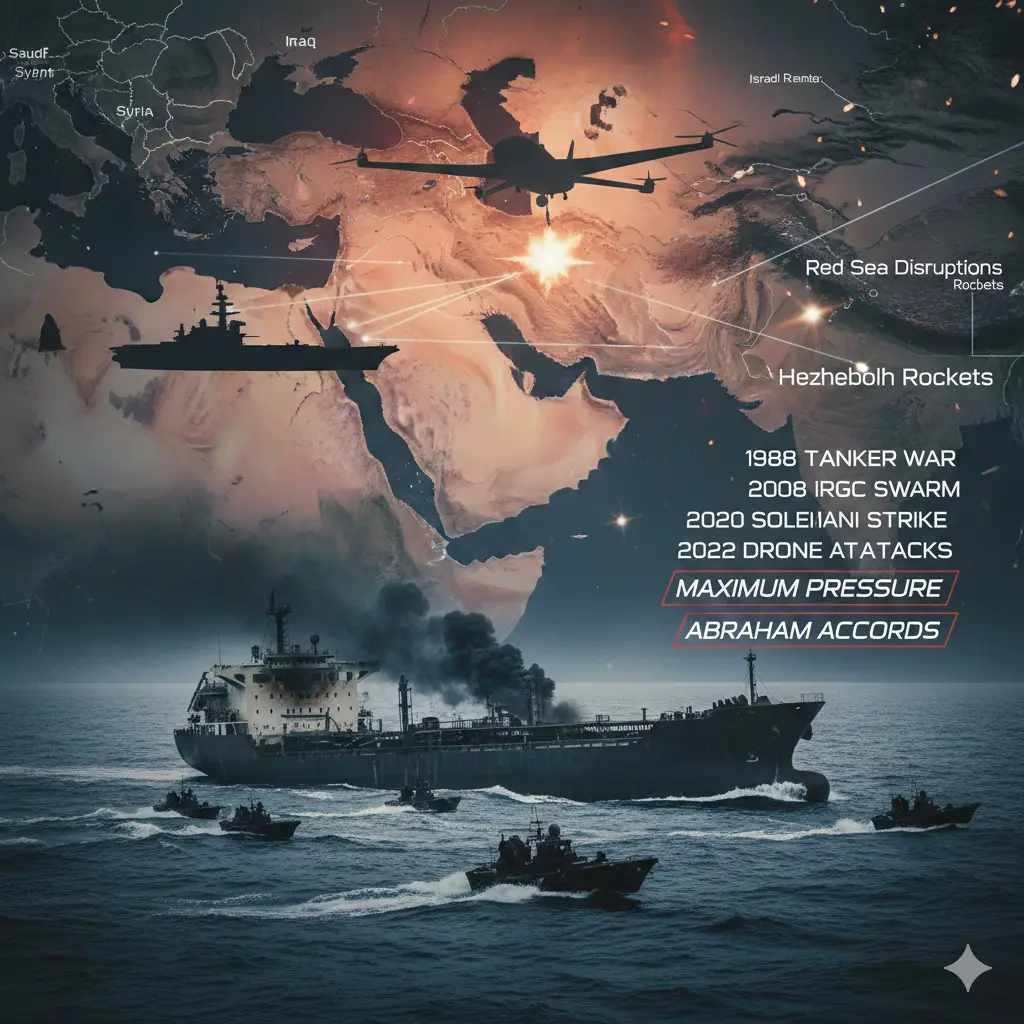
Past incidents shape current calculations, including the 1988 Tanker War, 2008 IRGC boat swarm threats and 2020 Soleimani strike aftermath. The 2019 "Tanker War" saw mutual accusations over attacked vessels, prompting Trump's "maximum pressure" campaign. Biden-era JCPOA revival attempts collapsed amid 2022 drone attacks on US positions.
Recent escalations include IRGC support for Houthis disrupting Red Sea shipping and Hezbollah rocket fire on Israel. US strikes degraded Iranian proxy capabilities in Syria and Iraq, prompting Tehran's warnings of asymmetric retaliation. The Abraham Accords realigned Gulf security architecture against shared Iranian threats.
International Community Monitors Developments Closely
United Nations Secretary-General António Guterres called for de-escalation, warning of catastrophic oil market consequences. European Union foreign policy chief Kaja Kallas urged dialogue through the E3+3 format. China expressed concern over energy security, with Foreign Minister Wang Yi engaging Tehran via video call. Russia blamed NATO expansion for regional instability.
India, reliant on Gulf oil imports, increased naval deployments to the Arabian Sea. Japan and South Korea coordinated with Washington on contingency stockpiling. The International Maritime Organization scheduled an emergency session on navigation safety.
Economic Implications for Global Energy Markets
Brent crude futures spiked 3 per cent following the US warning, with analysts projecting $100 per barrel if Hormuz disruptions materialise. OPEC+ producers discussed emergency production hikes, while US shale operators ramped Permian output. European LNG importers accelerated Norwegian and Qatari contracts.
Airlines hedged jet fuel premiums, and chemical manufacturers warned of petrochemical cost surges. Goldman Sachs revised short-term forecasts upward, citing 5 per cent risk of Strait closure. Bitcoin and gold rallied as safe-haven assets amid uncertainty.
US Domestic Political Consensus on Iran Policy
Congressional leaders united behind Trump, with House Speaker Mike Johnson pledging supplemental defence funding. Senate Minority Leader Chuck Schumer endorsed "ironclad" ally commitments while critiquing past appeasement. Progressive Democrats joined resolutions condemning Iranian proxy terrorism.
Veterans groups rallied support for sailors, while think tanks like AEI and Heritage advocated preemptive deterrence. Polling indicated 68 per cent public approval for strong measures against Iran. Evangelical leaders framed solidarity with Israel paramount.
Iranian Domestic Dynamics Influencing Posture
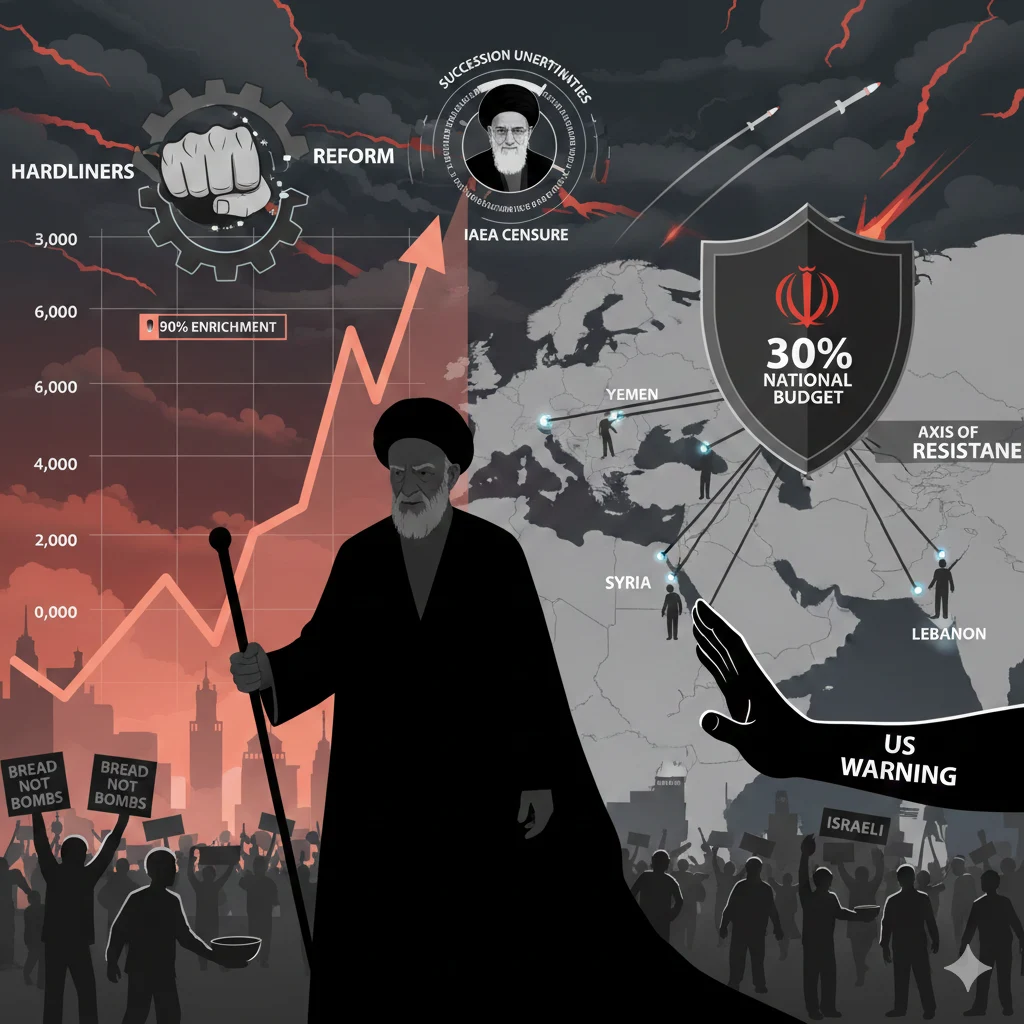
Tehran faces economic headwinds from sanctions and subsidy cuts, with rial depreciation fuelling protests. Hardliners dominate post-Pezeshkian election, prioritising military spending over reform. Succession uncertainties around 87-year-old Khamenei amplify aggressive signalling.
IRGC budget consumes 30 per cent of national expenditure, funding proxy networks across the Axis of Resistance. Nuclear program advances to 90 per cent enrichment, prompting IAEA censure. Missile proliferation to Yemen and Syria heightens escalation risks.
The US warning underscores deepening confrontation as Trump recalibrates Middle East strategy, prioritising deterrence against Iranian expansionism while pursuing Saudi-Israeli normalisation.