
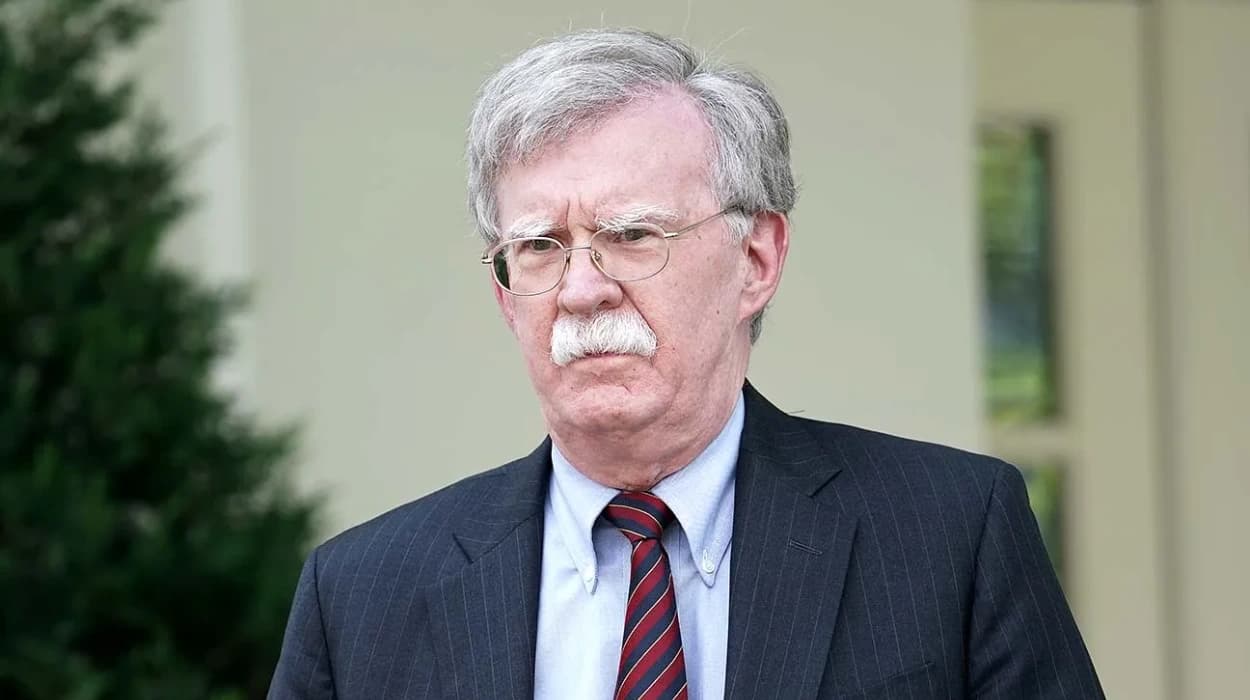
In an era where global threats demand bold strategies, few figures embody the tension between hawkish resolve and diplomatic nuance like John Bolton during his pivotal time shaping U.S. national security policy. As a key advisor to the president on matters of defense, intelligence, and international relations, Bolton's approach left an indelible mark on how America projects power. His tenure highlighted timeless debates: when to wield military might, how to confront adversaries, and the balance between alliances and unilateral action. This exploration delves into his background, signature policies, and the broader lessons that continue to resonate in foreign policy circles.
Early Career and Rise to Prominence
John Bolton's path to national security advising began with a foundation in law and public service. A Yale Law School graduate, he cut his teeth in the Reagan administration, tackling arms control and international organizations. His early roles at the State Department and Justice Department honed a worldview skeptical of multilateral institutions, favoring American sovereignty.
Bolton's stint as Under Secretary of State for Arms Control and International Security in the early 2000s amplified his voice. He championed efforts to curb weapons proliferation, pushing for stringent measures against nations pursuing nuclear ambitions. According to the United Nations, non proliferation treaties remain critical, with over 190 countries committed to preventing the spread of weapons of mass destruction yet enforcement gaps persist, a challenge Bolton aggressively addressed.
Critics often labeled him a unilateralist, but supporters saw a realist attuned to threats. His confirmation battles, marked by partisan divides, foreshadowed the controversies of his higher profile posts. By the time he ascended to advise directly on national security strategy, Bolton had authored influential works critiquing global bodies like the UN, arguing they diluted U.S. leverage.
Appointment as National Security Advisor
Stepping into the White House as National Security Advisor, John Bolton inherited a portfolio amid shifting geopolitical sands. This role, unbound by Senate confirmation, positioned him at the epicenter of presidential decision making on threats from terrorism to great power rivalry. Reporting directly to the Oval Office, he coordinated across agencies, shaping responses to crises without the bureaucracy of traditional diplomacy.
His appointment signaled a pivot toward assertive postures. Bolton advocated "peace through strength," echoing doctrines where military readiness deters aggression. The World Economic Forum notes that global military spending exceeds $2 trillion annually, underscoring the high stakes of such strategies—a reality Bolton navigated daily.
Policy Stances: Confronting North Korea's Nuclear Threat
Few issues defined Bolton's influence more than NorthKorea's nuclear program. He pushed for "maximum pressure" campaigns, including sanctions that squeezed the regime's economy. The International Monetary Fund highlights how targeted sanctions can reduce illicit trade by up to 30% in sanctioned economies, a tool Bolton wielded to isolate Pyongyang.
Skeptical of summits, Bolton viewed them as risks without ironclad commitments to denuclearization. His memos reportedly urged preparation for worst case scenarios, including military options. While talks faltered, his framework emphasized verification—demanding dismantlement before relief a stance that endures in ongoing negotiations.
The Iran Nuclear Deal Withdrawal
Bolton's long opposition to the Joint Comprehensive Plan of Action (JCPOA) reached fruition under his watch. Advising against the Obama era accord, he argued it legitimized Iran's path to bombs while funding terrorism. The U.S. exit, paired with reimposed sanctions, aimed to force a tougher bargain.
Data from the World Bank illustrates the deal's fragility: Iran's oil exports plummeted post withdrawal, contracting GDP growth amid sanctions. Bolton's strategy sought regime change through economic strangulation, though it escalated tensions, including tanker attacks in the Gulf. His view that appeasement invites aggression remains a benchmark for deal skeptics.
Venezuela and Regime Change Advocacy
In Latin America, Bolton spotlighted Venezuela's collapse as a hemispheric security risk. Championing opposition leader Juan Guaidó, he coordinated sanctions and rallied allies against Nicolás Maduro's rule. The Organization for Economic Co operation and Development (OECD) reports that hyperinflation in such crises can exceed 1 million percent, devastating populations a humanitarian angle Bolton framed as a U.S. imperative.
His rhetoric, invoking the Monroe Doctrine, stirred debate on interventionism. While military action stayed off the table, Bolton's pressure contributed to Maduro's isolation, though the crisis lingers, validating his warnings on failed states exporting instability.
Tensions with Russia and China
Bolton's worldview extended to peer competitors. On Russia, he stiffened resolve post Crimea annexation, advocating lethal aid to Ukraine and NATO bolstering. The UN estimates over 14,000 deaths in the Donbas conflict, a toll Bolton cited to justify arming Kyiv.
Versus China, he raised alarms on intellectual property theft and South China Sea militarization. IMF analyses peg annual global losses from such practices at hundreds of billions, fueling Bolton's calls for decoupling. His tenure accelerated export controls on tech, setting precedents for supply chain security.
Internal White House Dynamics
No account of John Bolton as National Security Advisor omits the friction. Clashes with diplomats favoring engagement marked his time. Leaks and memoirs later revealed pushback on troop drawdowns in Afghanistan and Syria, where Bolton prioritized counterterrorism footholds.
His ouster amid policy rifts underscored advisory perils: influence without authority invites rivals. Yet, these battles illuminated fractures in executing "America First" abroad protectionism at home versus global entanglements.
Controversies and Public Persona
Bolton's bombast drew fire. Nicknamed a "war hawk," he faced accusations of saber rattling, from preemptive strike advocacy to UN reform critiques. Detractors pointed to intelligence disputes during his UN ambassadorship, but allies praised his candor.
Post tenure, his memoir The Room Where It Happened ignited furor, detailing Oval Office discord. It portrayed a presidency at odds with its advisor, yet affirmed Bolton's consistency: prioritize U.S. interests unapologetically.
Lasting Legacy in National Security Strategy
John Bolton's imprint endures beyond his tenure, with his emphasis on deterrence reshaping debates on Iran, North Korea, and beyond. Policies like the Abraham Accords, normalizing Israel Arab ties, trace indirect roots to his anti Iran axis building. Critics decry his unilateralism as alliance straining, while proponents credit it with restraining foes fueling ongoing "Boltonism" discussions in think tanks: maximum pressure without endless wars. UNESCO data reveals over 250 million children out of school amid conflicts, tying security to development in ways Bolton linked through stability promotion
His career exemplifies the National Security Advisor's outsized role as whisperer in chief, often more consequential than cabinet secretaries. The World Bank warns that fragile states host 40% of the world's extreme poor, reinforcing his focus on preempting chaos. In a multipolar world, his tenure reminds policymakers that resolve deters as much as conciliation builds. As threats evolve from cyber domains to climate induced migrations Bolton's playbook offers enduring tools: leverage sanctions, fortify alliances selectively, and never blink first, lessons future advisors will grapple with.