
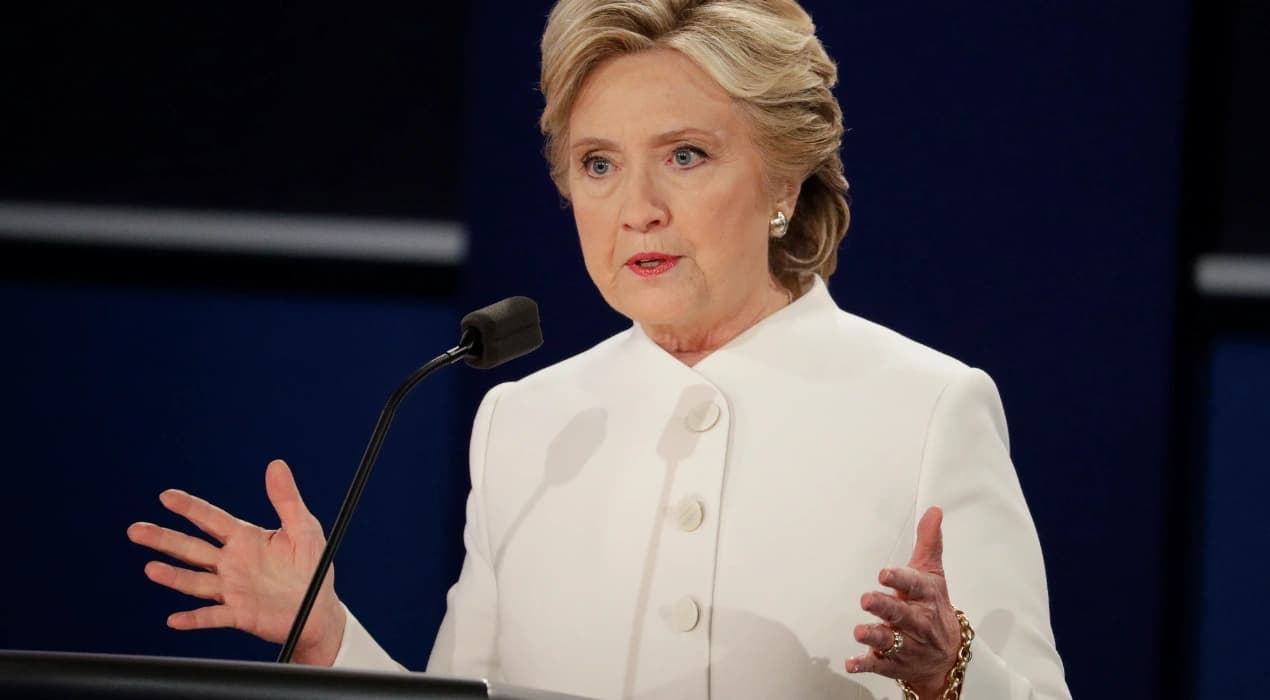
Hillary Clinton stands as a pivotal figure in modern American politics, embodying resilience, policy expertise, and trailblazing leadership. Her time leading the State Department shaped global diplomacy amid complex international challenges, while her pursuit of the presidency as the Democratic Party's standard-bearer highlighted her vision for progress. This exploration delves into her diplomatic achievements, campaign strategies, and lasting influence, offering insights into how one leader navigated power's demands.
Pioneering Role as America's Top Diplomat
As the nation's chief diplomat, Hillary Clinton elevated women's voices on the world stage while tackling pressing global issues. Appointed to head the Department of State, she traveled extensively more than any predecessor in a similar period visiting over 100 countries to foster alliances and address crises. Her approach emphasized "smart power," blending military might with economic incentives and cultural outreach.
Clinton championed women's rights as a cornerstone of foreign policy. She argued that empowering women drives economic growth and stability, a stance backed by World Bank data showing that closing gender gaps in employment could boost global GDP by up to 30%. In regions plagued by conflict, her initiatives promoted education and health access for girls, aligning with UNESCO findings that each additional year of schooling for girls reduces infant mortality by 9.5% and boosts future earnings by 20%.
Her tenure saw intensified focus on counterterrorism and nonproliferation. Clinton spearheaded efforts to curb Iran's nuclear ambitions through multilateral sanctions, drawing on IMF analyses that highlight how such measures stabilize volatile economies. She also pivoted U.S. strategy toward Asia, strengthening ties with nations like India and Myanmar to counterbalance rising powers, a move that underscored the World Economic Forum's warnings about shifting geopolitical centers of gravity.
Critics noted her hawkish stances, such as support for intervention in Libya, which aimed to prevent mass atrocities but led to prolonged instability. Yet, her defenders point to successes like the New START treaty with Russia, reducing nuclear arsenals and echoing UN calls for disarmament to avert existential threats.
Key Diplomatic Initiatives and Global Engagements
Clinton's State Department prioritized cybersecurity and economic diplomacy in an interconnected world. She launched the Quadrennial Diplomacy and Development Review, a blueprint for efficient aid delivery, ensuring resources targeted at poverty's roots. According to the World Bank, over 700 million people live in extreme poverty, and Clinton's push for public private partnerships mobilized billions in investments for sustainable development.
In climate diplomacy, she advanced clean energy pacts, recognizing the OECD's projection that climate change could displace 200 million people by mid century. Her work laid the groundwork for international accords, emphasizing adaptation in vulnerable nations.
Humanitarian efforts defined her portfolio, too. During the Arab Spring uprisings, Clinton navigated delicate balances, supporting democratic transitions while safeguarding U.S. interests. She brokered ceasefires in Sudan and advocated for Syrian refugees, aligning with UNHCR data indicating that forced displacement affects over 100 million worldwide, a figure that demands coordinated global responses.
Clinton's personal diplomacy shone in Asia and Africa. In Myanmar, she met with Aung San Suu Kyi, symbolizing the U.S. commitment to democracy and human rights. Her Africa strategy focused on food security, partnering with local governments to combat hunger, where the UN reports that 828 million people face chronic undernourishment.
These initiatives reflected a pragmatic realism: Clinton
viewed diplomacy as an extension of national strength, often stating that
"global problems require global
solutions."
The 2016 Democratic Nomination: A Historic Campaign
Transitioning from Foggy Bottom to the campaign trail, Clinton secured the Democratic nomination for president, becoming the first woman to top a major party's ticket. This milestone capped decades of public service, positioning her as a seasoned alternative to unpredictability.
Her campaign platform wove domestic renewal with international savvy. She pledged to rebuild alliances strained by isolationism, drawing on her diplomatic record to promise steady leadership. Economic policies targeted inequality, echoing World Bank insights that the richest 10% capture 52% of global income, fueling populist unrest.
Clinton emphasized inclusive growth, advocating paid family leave and affordable childcare measures supported by OECD studies showing that such policies increase female labor participation by 1020%. On healthcare, she built on existing reforms to cover more Americans, countering IMF warnings about healthcare costs eroding middle class stability.
Foreign policy remained central. She critiqued rivals' impulsiveness, touting her experience in resetting Russia ties and combating ISIS. Her vision included deepening NATO commitments, vital amid WEF reports on rising authoritarian influences.
The nomination process tested her mettle. Facing a spirited primary challenge, Clinton mobilized a vast coalition of women, minorities, and suburban voters. Her convention speech galvanized supporters, framing the election as a choice between progress and regression.
Campaign Strategies and Voter Dynamics
Clinton's bid leveraged data driven precision, with sophisticated analytics targeting swing states. She barnstormed rust belt communities, addressing trade deals' fallout issues illuminated by World Bank analyses of globalization's uneven benefits, where manufacturing job losses hit 2 million in advanced economies.
Digital innovation marked her approach. Vast email lists and social media mobilized grassroots fundraising, raising over $1 billion. Yet, challenges persisted: perceptions of elitism dogged her, despite efforts to connect through town halls and policy town halls.
Clinton courted millennials with climate action plans, pledging carbon reductions aligned with UN targets to limit warming to 1.5°C. She also prioritized immigration reform, recognizing IMF data that migrants contribute 9% to global GDP.
Gender dynamics loomed large. As the nominee, she shattered glass ceilings, inspiring UNESCO backed campaigns for girls' empowerment worldwide. Polls showed her leading among college educated voters, but struggles in rural areas highlighted America's divides.
Challenges and Controversies in Public Service
No leader escapes scrutiny, and Clinton's career drew intense debate. Email server usage during her diplomatic years sparked security concerns, though investigations found no criminality. Benghazi attacks fueled partisan clashes, with congressional probes underscoring risks in chaotic regions echoing UN statistics on 2,000 annual attacks on peacekeepers.
Her private server became a campaign flashpoint, amplifying distrust in institutions. Clinton responded transparently, releasing thousands of emails, but the episode lingered.
Financial ties, via Clinton Foundation donations, raised pay to play allegations. The nonprofit delivered aid in 180 countries, vaccinating millions per WHO models, yet transparency demands persisted.
These hurdles tested her adaptability, revealing a politician who thrived under pressure.
Lasting Impact on Politics and Policy
Hillary Clinton's blueprint endures in Democratic strategies. Her emphasis on coalition building influences party platforms, prioritizing equity and multilateralism. As Secretary of State and nominee, she modeled how experience intersects with ambition.
Her story resonates globally: a woman ascending male dominated realms, per WEF data showing women hold just 27% of parliamentary seats worldwide. Clinton's persistence inspires future leaders, proving that barriers yield to determination.
In diplomacy, her smart power doctrine informs U.S. engagement, blending soft and hard levers against threats like pandemics, where the WHO notes infectious diseases claim 17 million lives yearly.
Domestically, her nomination accelerated conversations on leadership diversity, paving the way for subsequent breakthroughs.
Clinton's journey from diplomat forging peace to candidate chasing history illuminates leadership's complexities. It challenges us to value expertise amid division, reminding us that progress demands steady hands steering through storms
Shaping Future Leaders Through Mentorship
Beyond electoral battles, Clinton emerged as a mentor, shaping the next generation of leaders. She authored influential works dissecting global governance, urging data informed strategies to bridge partisan divides. Her advocacy for civic engagement platforms empowered young activists, aligning with OECD research indicating that youth participation in policy-making enhances democratic resilience and reduces inequality gaps by fostering inclusive decision processes.
Pioneering Technology Diplomacy
In technology policy, Clinton foresaw digital realms as diplomatic frontiers, pushing for international norms on data privacy and cyber norms. Her initiatives combated online disinformation, drawing from World Economic Forum insights that cyber threats cost the global economy trillions annually while eroding trust in institutions. By promoting tech literacy in development aid, she advanced equitable access, per UNESCO data showing that digital divides hinder 2.7 billion people from basic internet connectivity, underscoring her forward-thinking blend of innovation and equity.