
Key Points
- Twelve
Turkish soldiers died from gas exposure while searching a cave in
northern Iraq. - The
incident occurred during a military operation targeting Kurdish militants. - The
Turkish Defense Ministry confirmed the deaths and is investigating the
source of the gas. - The
operation was part of Turkey’s ongoing campaign against the Kurdistan
Workers’ Party (PKK), which Ankara considers a terrorist group. - Kurdish
sources allege Turkey used chemical agents, a claim Turkish officials
deny. - The
deaths have sparked renewed debate over Turkey’s military tactics and the
risks faced by its forces in cross-border operations. - International
human rights organizations are calling for an independent investigation
into the use of chemical weapons in the conflict. - The
incident highlights the ongoing volatility in northern Iraq and the
complex dynamics between Turkey, Kurdish groups, and regional authorities.
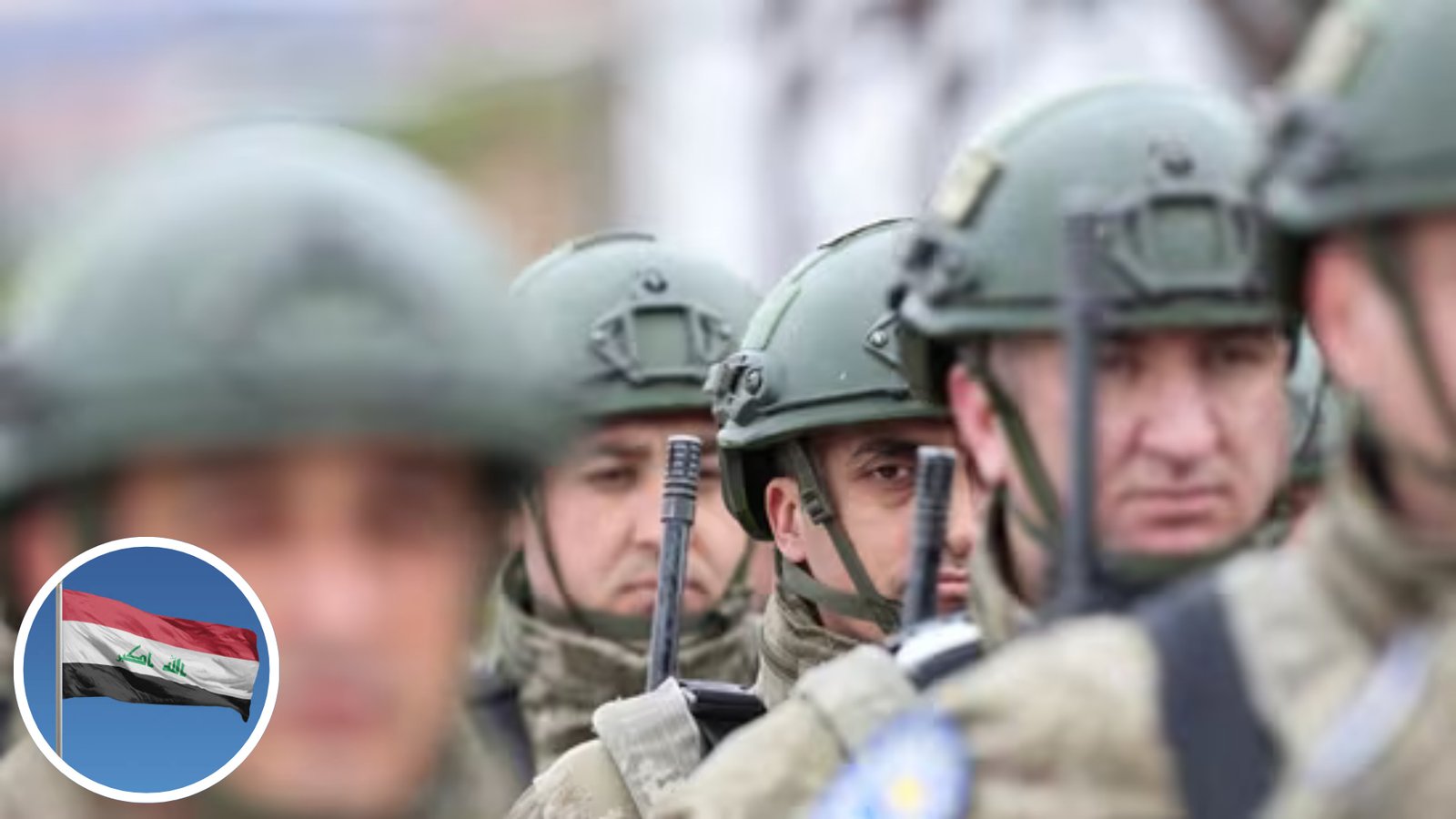
Twelve Turkish soldiers lost their lives due to gas
exposure during a cave search in northern Iraq, marking one of the deadliest
single incidents for Turkish forces in the region in recent years. The deaths
occurred as part of an ongoing military campaign against Kurdish militants,
raising urgent questions about the tactics and risks involved in Turkey’s
cross-border operations.
What Happened During the Cave Operation in Iraq?
The Turkish Defense Ministry announced that twelve soldiers
were killed after being exposed to toxic gas while searching a cave believed to
be used by members of the Kurdistan Workers’ Party (PKK) in northern Iraq. The
incident took place amid a broader Turkish military campaign aimed at rooting
out PKK fighters from their strongholds along the mountainous Iraq-Turkey
border.
As reported by Democracy Now! in its July 3, 2025,
headlines, the Turkish military has intensified operations in the region, with
recent actions resulting in significant casualties and raising concerns about
the humanitarian impact of the conflict. The Defense Ministry stated that
an investigation is underway to determine the exact cause and nature of the gas
exposure.
How Did Turkish Officials Respond to the Incident?
In a statement attributed to the Turkish Defense Ministry
and reported by multiple international news outlets, officials confirmed the
deaths and expressed condolences to the families of the fallen soldiers. The
Ministry emphasized that the operation was part of a legitimate effort to
combat terrorism and ensure national security.
Turkish authorities have denied allegations from Kurdish
sources that chemical weapons were used during the operation. According to
reporting by Democracy Now!, such claims have surfaced repeatedly in recent
years, but Turkish officials maintain that their military adheres to
international law and does not deploy chemical agents in combat.
What Are Kurdish Groups Saying About the Gas Exposure?
Kurdish organizations, including representatives of the PKK,
have accused Turkey of employing chemical weapons in its operations against
Kurdish militants. These groups allege that the Turkish military has resorted
to banned substances in order to flush fighters out of fortified positions,
particularly caves and tunnels.
While these claims have not been independently verified,
they have fueled calls for an international investigation. Human rights groups
such as Amnesty International and Human Rights Watch have urged the United
Nations to send inspectors to the region to assess the use of chemical agents
and ensure accountability for any violations of international law.
What Is the Broader Context of Turkey’s Military Campaign in
Iraq?
Turkey’s military has conducted numerous cross-border
operations into northern Iraq over the past decade, targeting PKK fighters who
use the rugged terrain as a base for launching attacks into Turkey. The PKK is
designated a terrorist organization by Turkey, the United States, and the
European Union.
As noted by Julia Frankel of Democracy Now!, these
operations have intensified in recent months, with both Turkish and Kurdish
casualties mounting. The Turkish government argues that such actions are
necessary to protect its citizens from PKK attacks, while Kurdish groups and
some Iraqi officials accuse Ankara of violating Iraqi sovereignty and harming
civilians.
How Have International Organizations Reacted?
International human rights organizations have expressed
alarm over the reported use of gas and the high number of military and civilian
casualties in the ongoing conflict. In a joint statement signed by 170
charities and aid groups, including Oxfam, Save the Children, and Amnesty
International, the organizations called for an immediate end to hostilities and
a thorough investigation into the incident.
The statement highlighted the “blatant disregard for
international humanitarian law” in the region and urged all parties to
prioritize the protection of civilians and combatants alike.
What Are the Implications for Regional Stability?
The deaths of twelve Turkish soldiers underscore the dangers
of the conflict in northern Iraq and the potential for escalation. The incident
has prompted renewed scrutiny of Turkey’s military tactics and the broader
strategy of using cross-border force against Kurdish militants.
Regional analysts warn that the use of gas—whether
accidental or deliberate—could further inflame tensions between Turkey, Kurdish
groups, and the Iraqi government. The situation is complicated by the presence
of multiple armed factions, shifting alliances, and the ongoing instability in
Iraq.
What Happens Next?
The Turkish Defense Ministry has pledged to continue its
operations against the PKK while investigating the circumstances surrounding
the soldiers’ deaths. Kurdish groups are demanding accountability and greater
international oversight.
As reported by Democracy Now!, the incident has intensified
calls for a diplomatic solution to the conflict and increased pressure on the
international community to intervene. The outcome of the investigation and
any subsequent actions by Turkey or international bodies will likely shape the
trajectory of the conflict in the months to come.