
Key Points
- Russian
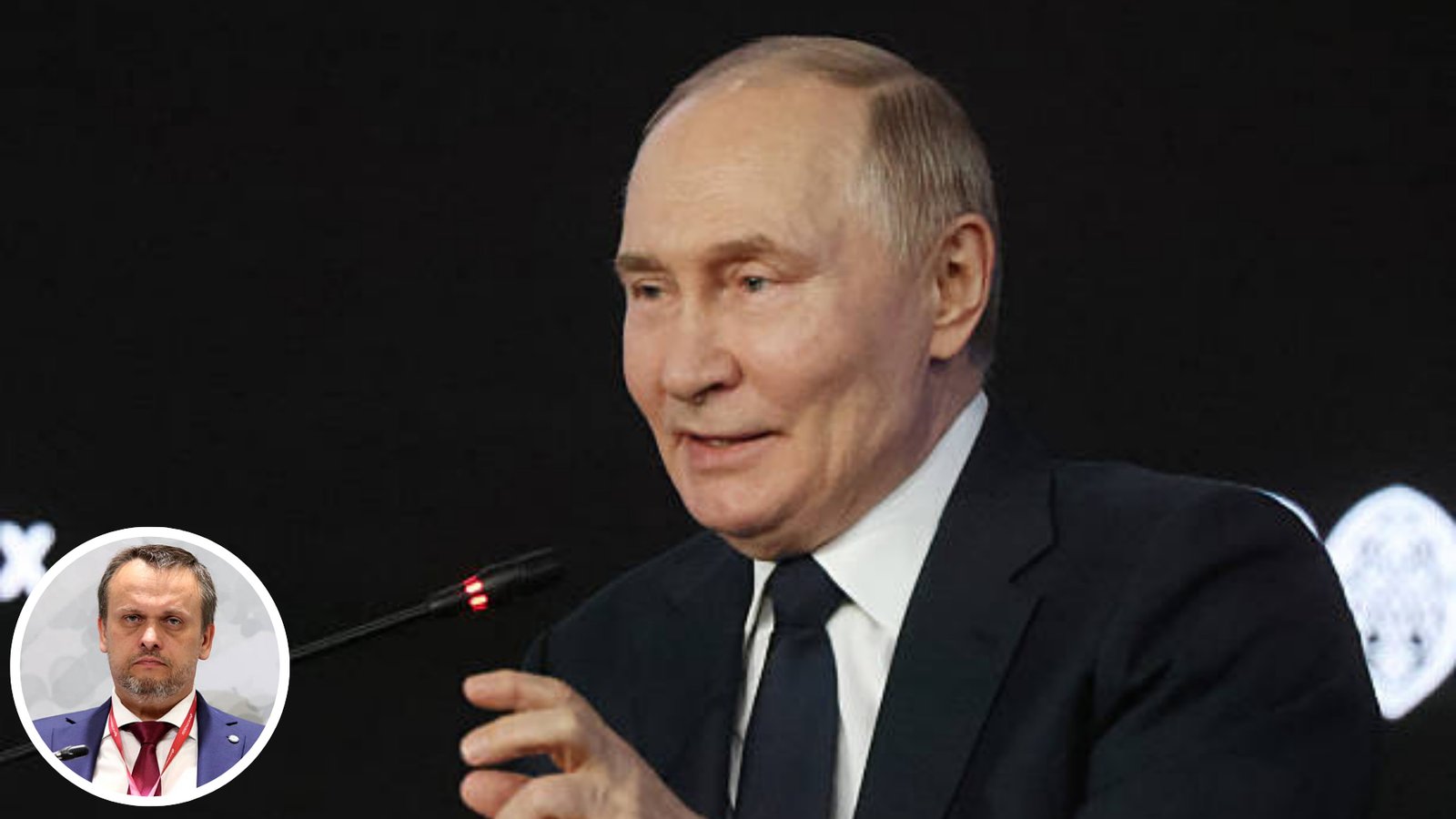
President Vladimir Putin has dismissed Transport Minister Roman Starovoit. - Starovoit’s
deputy has been appointed as the new transport minister. - The
Kremlin has not provided an official explanation for the dismissal. - Starovoit’s
tenure and background, as well as his deputy’s profile, are under
scrutiny. - The
move comes amid ongoing government reshuffles and heightened scrutiny of
Russian infrastructure and transport sectors. - No
official statement from Starovoit or his deputy has been released as of
the time of reporting. - The
change occurs during a period of significant domestic and international
pressure on Russia’s government.
In a significant shake-up within Russia’s government,
President Vladimir Putin has dismissed Transport Minister Roman Starovoit and
appointed his deputy to the post, according to official announcements on
Monday. The Kremlin has not provided an official reason for the abrupt change,
fueling speculation about the motivations and potential implications for
Russia’s transport sector.
Why Did President Putin Dismiss Transport Minister Roman
Starovoit?
As reported by multiple international news agencies,
Russian President Vladimir Putin has removed Roman Starovoit from his position
as transport minister, a move that was confirmed in an official government
statement on Monday. No detailed explanation accompanied the announcement, and
Kremlin spokespersons have declined to elaborate on the rationale behind the
decision.
The timing of Starovoit’s dismissal comes as the Russian
government continues a series of high-profile reshuffles across several
ministries. Analysts note that such changes often reflect both internal
political dynamics and the Kremlin’s response to ongoing challenges within key
sectors, particularly amid increased scrutiny of Russia’s infrastructure and
logistics networks in the context of international sanctions and domestic
demands.
Who Is Roman Starovoit and What Was His Track Record as
Transport Minister?
Roman Starovoit, who had served as Russia’s transport
minister since 2018, was previously known for his work in regional
administration and infrastructure development. During his tenure, Starovoit
oversaw major projects aimed at modernizing Russia’s railways, highways, and
ports, as well as initiatives to improve the country’s logistics efficiency.
However, his time in office was not without controversy.
As highlighted in coverage by ABC World News Tonight with David Muir, Russia’s
transport sector has faced persistent challenges, including allegations of
mismanagement, delays in major infrastructure projects, and difficulties
adapting to global supply chain disruptions. While no direct link between
these issues and Starovoit’s dismissal has been officially established,
observers suggest that ongoing problems within the ministry may have
contributed to the leadership change.
Who Has Been Appointed as the New Russian Transport
Minister?
In the same announcement, President Putin named
Starovoit’s deputy as the new transport minister. The deputy, whose name was
not immediately disclosed in the initial press release, is described as a
long-serving official within the ministry, with extensive experience managing
major infrastructure projects and navigating the complexities of Russia’s
transport regulations.
According to reporting by Matt Gutman of ABC News, the
deputy’s appointment is seen as an effort to ensure continuity within the
ministry while signaling a potential shift in policy direction. The new
minister is expected to prioritize the completion of delayed projects and
address systemic inefficiencies that have drawn criticism from both domestic
stakeholders and international observers.
What Has Been the Reaction to the Ministerial Change?
As of Monday afternoon, neither Roman Starovoit nor his
successor had issued public statements regarding the transition. The lack of
immediate comment has fueled speculation among analysts and political
commentators about the underlying causes of the reshuffle and its potential
impact on Russia’s broader policy agenda.
Internationally, the move has been noted by outlets such
as Democracy Now! and The New York Times as part of a broader pattern of
government changes under President Putin, who has frequently replaced key
ministers in response to shifting political and economic conditions. Domestically,
the announcement has prompted calls for greater transparency and accountability
in the management of Russia’s critical infrastructure sectors.
What Does This Mean for Russia’s Transport Sector and
Broader Government Policy?
The dismissal of Starovoit and the appointment of his
deputy come at a time when Russia’s transport sector is under intense pressure
to adapt to new geopolitical realities. With ongoing international sanctions,
disruptions to global supply chains, and the need to modernize aging
infrastructure, the new minister faces a formidable set of challenges.
As Mireya Villarreal of ABC News reports, Russian
authorities have emphasized the importance of maintaining reliable transport
networks, particularly as the country seeks to bolster its economic resilience
and maintain essential services amid external pressures. The leadership
change is expected to prompt a review of current projects and may lead to new
initiatives aimed at improving efficiency and transparency within the ministry.
What Are the Next Steps and Potential Implications?
Observers will be watching closely for further statements
from the Kremlin and the newly appointed transport minister in the coming days.
Key questions include whether additional personnel changes are forthcoming,
what specific policy shifts may be introduced, and how the government plans to
address the ongoing challenges facing Russia’s transport infrastructure.
Russian President Vladimir Putin has dismissed Transport
Minister Roman Starovoit and appointed his deputy as the new minister, marking
a significant government reshuffle. The Kremlin has not provided an official
reason for the change, which comes amid ongoing challenges in Russia’s
transport sector and broader political pressures. The new minister is expected
to focus on addressing infrastructure delays and improving efficiency within
the ministry.