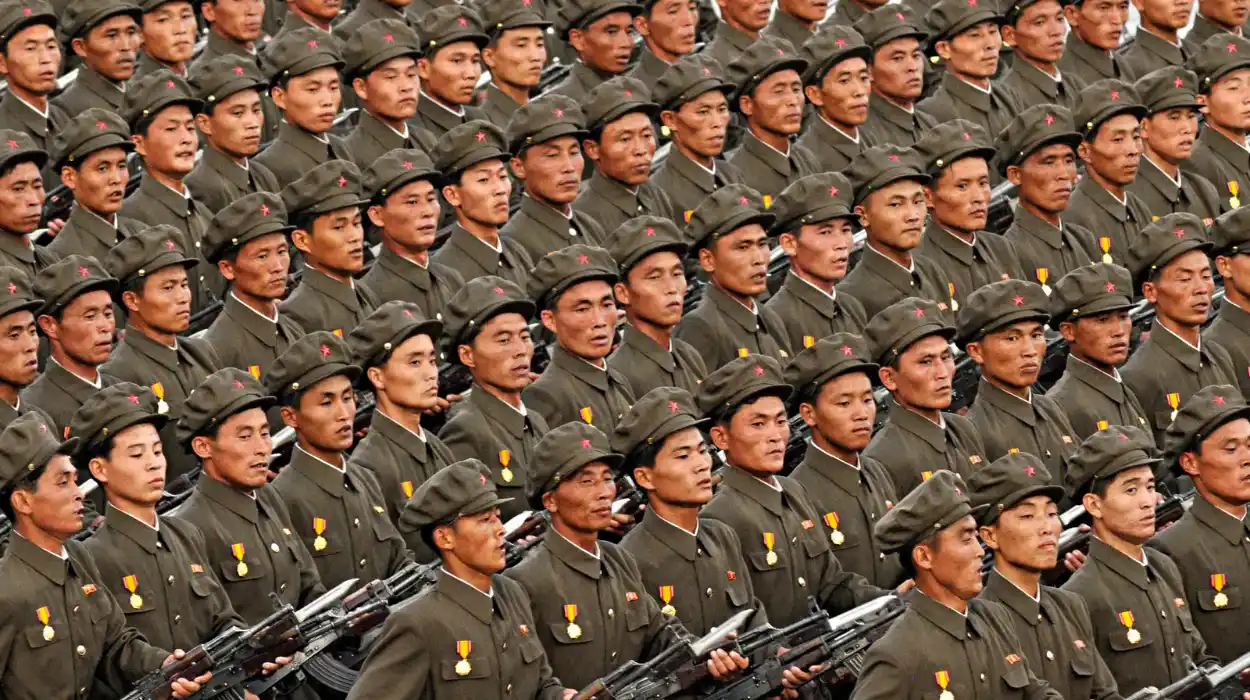

- China,
India, the United States, Russia and North Korea rank among the world’s
largest militaries by active-duty troop numbers, each fielding several
hundred thousand to over two million personnel. - The 25
largest forces also include major regional powers such as Pakistan, South
Korea, Iran, Vietnam, Egypt, Turkey, Brazil, and key NATO members like
France and the United Kingdom. - Rankings
are based on active-duty personnel only and exclude reservists and most
paramilitary forces, meaning some countries have far greater total
military manpower than their active figures alone suggest. - Large
active forces typically reflect factors such as population size,
conscription policies, perceived external threats, and the use of
militaries for internal security or border defence. - Analysts
note that troop numbers indicate latent manpower but do not fully capture
overall military power, which also depends on equipment quality,
technology, training, budgets and alliance structures.
Washington (Washington Insider Megazine) January 23, 2026
– The world’s largest militaries by active troop numbers are dominated by a
small group of populous and geopolitically influential states, led by China,
India and the United States, with Russia and North Korea also ranking near the
top. Data compiled from defence institutes and reference sources show that
these 25 countries collectively maintain many millions of personnel on active
duty, reflecting differing security priorities, conscription policies and
regional tensions. While overall global active troop numbers have fluctuated in
recent years, several countries in Asia and the Middle East continue to field
large standing forces.
The rankings focus on active-duty military personnel only
and do not include reservists or paramilitary units, which for some states
would significantly increase total available manpower.
Global overview of the largest active-duty forces
Defence databases and yearbooks consistently place China,
India and the United States at the top of global active-duty personnel counts.
These three countries each maintain armed forces numbering in the high hundreds
of thousands to well over a million active troops, underpinning their standing
as major military powers.
Russia, North Korea and Pakistan also rank among the largest
in terms of active troop numbers, with sizeable ground forces supported by
significant air and naval components. Several other countries, including South
Korea, Iran, Vietnam and Egypt, maintain large standing armies influenced by
regional security dynamics and, in some cases, long-standing conscription
systems.
Top tier: countries exceeding half a million active
troops
 Credit: documentarytube.com
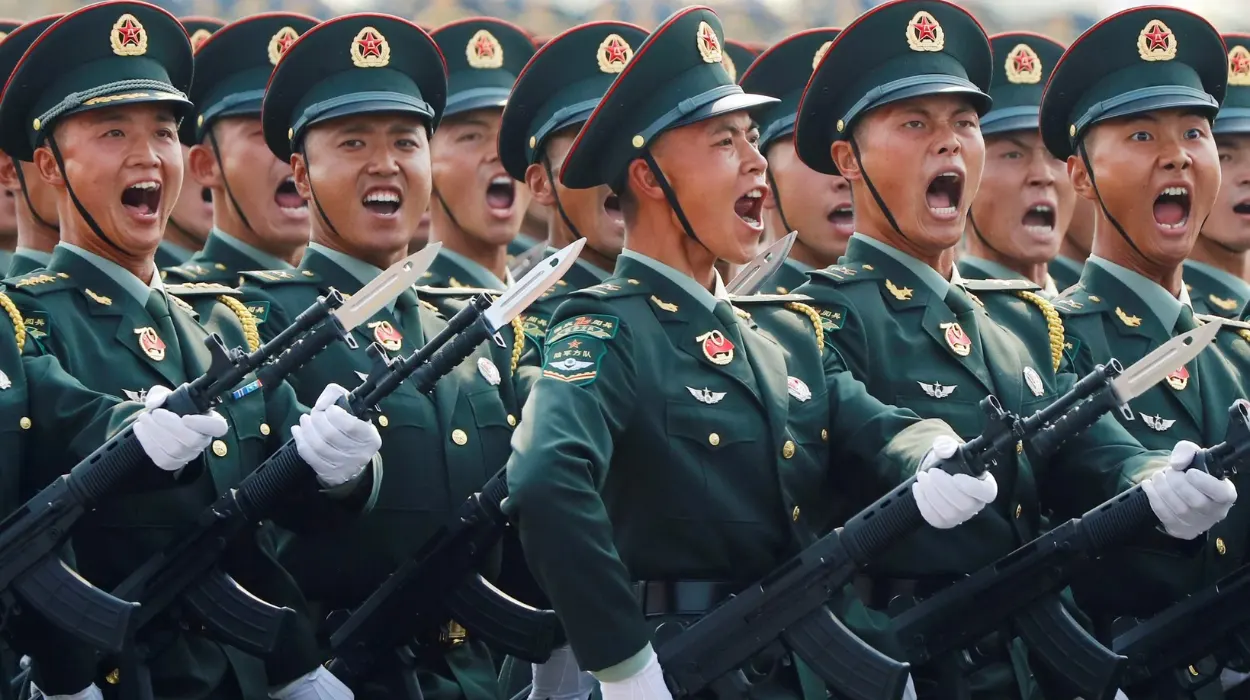
China is widely reported to field the world’s largest
active-duty military, with the People’s Liberation Army – including ground,
naval, air, rocket and strategic support forces – collectively numbering well
over one million personnel. India similarly maintains a very large standing
force spread across its army, navy and air force, supported by extensive
paramilitary formations not counted in active-duty totals.
The United States, despite its advanced technological edge
and emphasis on professional volunteer service, also retains a very large
active force, generally placed third globally by personnel numbers. Russia,
although having reduced its overall size compared with its Soviet predecessor,
still ranks among the top militaries in terms of active-duty numbers,
particularly when including forces engaged in ongoing operations.
Major Asian militaries shaping regional balances
Beyond China and India, several Asian states appear
prominently in lists of the largest active militaries. North Korea is
frequently cited as having one of the highest active troop counts relative to
population, reflecting decades of militarisation and extensive conscription.
South Korea, facing a longstanding security challenge on the
Korean Peninsula, maintains a large conscript-heavy active force supported by a
sizeable reserve. Pakistan, Vietnam and Iran also feature among the top 25 for
active-duty numbers, driven by regional security concerns and, in some cases,
historical conflicts.
Middle Eastern and African contributors to the top 25
 Credit: animalia-life.club
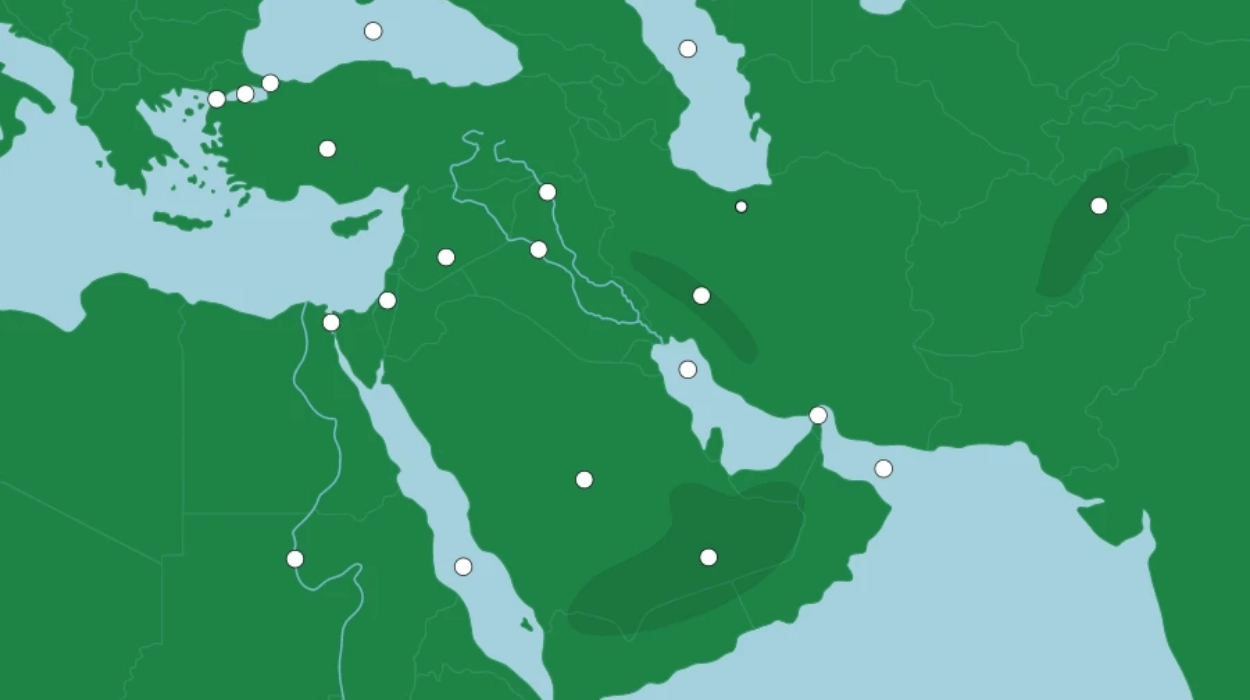
In the Middle East, Turkey and Iran are consistently listed
among the world’s bigger militaries by active personnel, with both countries
maintaining substantial land forces and significant air capabilities. Egypt,
traditionally one of the region’s key military powers, also appears in the
upper portion of global rankings through a large standing army and conscription
system.nytimes+1
Saudi Arabia, while investing heavily in modern equipment,
fields a smaller active force than the very largest players but still ranks
within the top 25 given its overall personnel levels and role in Gulf security.
In Africa, countries such as Algeria and possibly others enter the lower end of
the top 25 depending on the specific dataset and year considered.gov.georgia+1
European militaries with significant active-duty strength
Among European states, Russia clearly dominates active troop
counts, though it is often grouped as a Eurasian power. Outside Russia,
countries such as France and Germany maintain sizable professional forces,
albeit smaller than those of the largest Asian powers.idra+1
Italy, the United Kingdom and several other NATO members
typically appear in the lower portion of the top 25 rankings when measured
solely by active-duty personnel. However, many European states rely on a mix of
smaller active forces, modern equipment, and alliance structures rather than
very large standing armies.nytimes+1
Latin American and other regional actors in the rankings
In Latin America, Brazil is regularly identified
as having one of the region’s largest armed forces, featuring a substantial
number of active troops in its army, navy and air force. Mexico and Colombia
also maintain notable active-duty numbers linked to both external defence and
internal security roles.
Other regional actors, including some in South and Southeast
Asia, contribute to the remainder of the top 25, with their positions varying
depending on the precise methodology used by each defence database. These lists
generally reflect a combination of conscription policies, population size,
security environment and historical military traditions.