
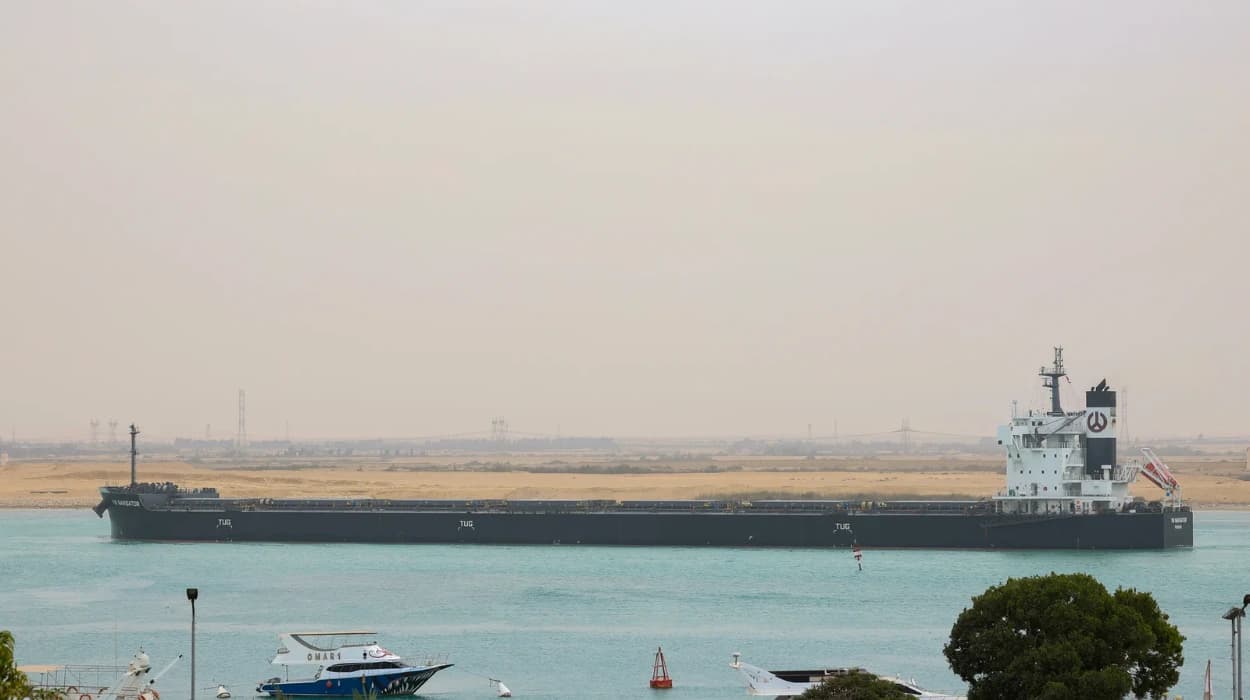
- Red Sea reopening efforts stall amid ongoing Houthi attacks and Middle East security threats, preventing full commercial shipping resumption.
- Major operators like Maersk continue rerouting around Africa's Cape of Good Hope, adding 10-14 days and $1 million in fuel costs per voyage.
- Naval coalitions under Operation Prosperity Guardian maintain patrols, but insurance premiums remain 20 times normal levels for strait transits.
- Economic impacts include 70 per cent drop in Suez Canal bookings, $1 trillion annual global trade costs, and supply chain delays for Europe and Asia.
- Regional tensions persist with US airstrikes, Iranian support for Houthis, and diplomatic initiatives led by Oman and Saudi Arabia.
Dubai (Brussels Morning Newspaper) January 21, 2026 - Efforts to fully reopen the Red Sea to commercial shipping have stalled amid ongoing security threats linked to Houthi attacks and broader Middle East tensions. Major shipping operators continue rerouting around Africa despite temporary lulls in strikes. Regional powers monitor developments as insurance rates remain elevated and naval patrols intensify.
The Red Sea, a vital artery for 12 per cent of global trade, faces persistent disruptions more than two years after initial Houthi attacks began targeting vessels. Shipping companies report limited resumption of direct routes through the Bab al-Mandeb Strait following US-led airstrikes against Yemen's Houthi rebels. Container bookings via the Suez Canal dropped 70 per cent from peak levels, according to industry data.
Naval coalitions including the US, UK, and EU maintain patrols under Operation Prosperity Guardian, but sporadic drone and missile incidents continue. Maersk and other operators cite risk assessments preventing full return to pre-conflict volumes.
Houthi Attack Patterns and Recent Incidents
 Credit: washingtoninstitute.org
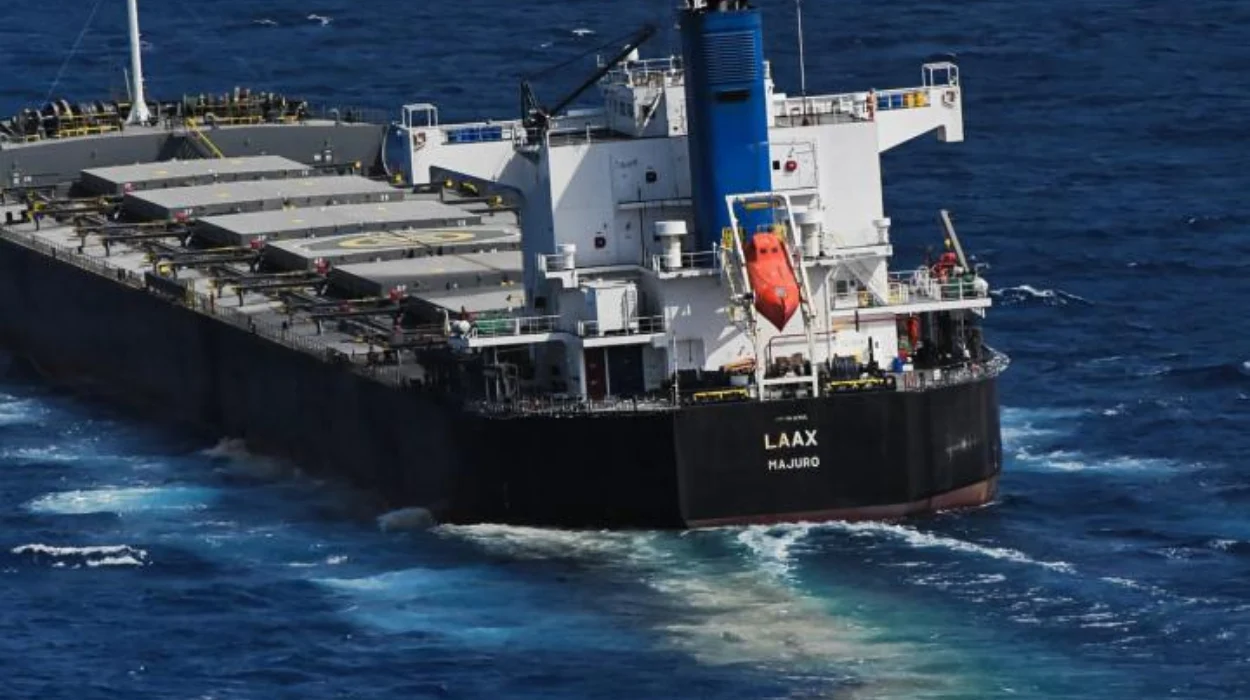
Yemen's Houthis claimed responsibility for targeting three vessels last week, including a Greek-owned bulk carrier sustaining minor damage. The Iran-backed group states attacks respond to Israel's operations in Gaza and US support for Tel Aviv. US Central Command reported destroying four Houthi drones and two anti-ship missiles since January 15.
The Red Sea saw 25 attacks in December 2025, down from 40 in November, per US military logs. However, Houthi leadership vowed escalation following recent US carrier deployments to the region. Maritime security firms advise minimum 50-nautical-mile standoff distances from Yemen's coast.
BP resumed limited shipments through the strait in phases during 2025 but suspended operations again after drone strikes hit tankers.
Shipping Industry Rerouting and Economic Impact
 Credit: Reuters
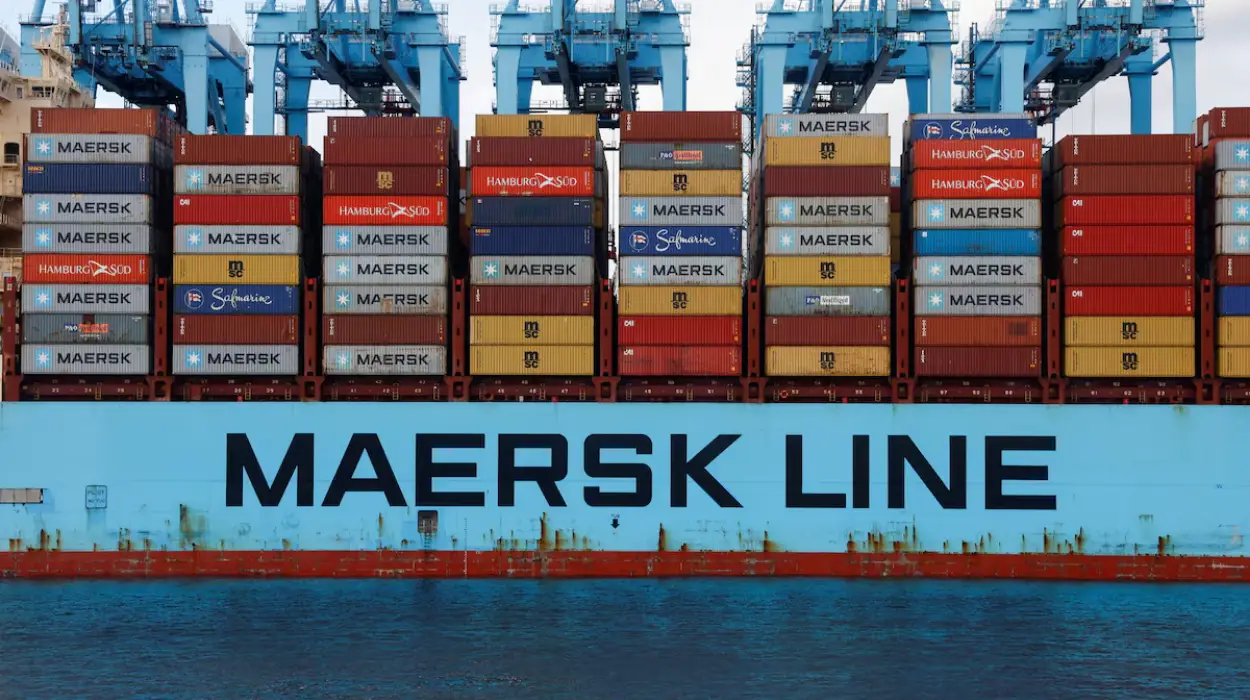
Maersk rerouted 95 per cent of its Red Sea-bound vessels around Africa's Cape of Good Hope since January 2024. Transit times increased by 10-14 days, adding $1 million per voyage in fuel costs. Global container rates surged 300 per cent year-on-year, with Asia-Europe spot rates reaching $4,000 per 40-foot unit.
The detour inflated insurance premiums by 20 times normal levels for Red Sea transits. Suez Canal revenues fell 60 per cent to $3.5 billion in 2025, per Egyptian authorities. UN Conference on Trade and Development estimates $1 trillion annual global trade cost from disruptions.
Naval Coalitions and International Responses
The US-led Prosperity Guardian coalition includes 20 nations providing 40 warships for escort duties. France, Italy, and Spain contribute frigates equipped with advanced radar systems. EU Naval Force operates under Aspides mission, protecting 250 transits since February 2024.
China deployed two destroyers for independent patrols, coordinating minimally with Western forces. Saudi Arabia maintains de facto ceasefire with Houthis since 2022 truce but avoids direct intervention. Iran denies supplying weapons while increasing naval presence in Gulf of Aden.
Broader Middle East Geopolitical Context
 Credit: EPA
Israel intensified operations against Hezbollah in Lebanon, prompting Houthi solidarity statements. Syria's new HTS-led government faces Israeli airstrikes targeting former Assad stockpiles. Iraq's PMF militias launched five drone attacks on Israeli targets in October 2025.
US President Trump authorised additional F-35 deployments to Diego Garcia amid threats to Houthi leadership. UK Defence Secretary John Healey announced extending HMS Diamond's Red Sea deployment through March. Russian Wagner remnants in Mali conducted joint exercises with Houthi maritime units.
Economic Ripple Effects on Global Supply Chains
European retailers report 20 per cent inventory shortages for spring collections due to delays. Asian factories idle 15 per cent capacity awaiting vessel returns from Africa routes. Oil tanker diversions added 2 million barrels daily to global floating storage.
S&P Global Ratings downgraded Egypt's sovereign debt citing canal revenue losses. IMF approved $8 billion standby arrangement for Cairo in December 2025. World Bank forecasts 0.7 per cent drag on global GDP growth from sustained disruptions.
Houthi Capabilities and Weaponry Sources
Houthis deployed Iranian-supplied 358 and 375 cruise missiles with 1,000km ranges. Chinese C-802 anti-ship missiles modified for land launches intercepted by US destroyers. Yemen smuggled 20 Islamic Revolutionary Guard Corps trainers into Hodeidah province.
Satellite imagery shows 12 underground missile silos constructed near Al Hudaydah since 2024. Russian Spetsnaz advisors train Houthi drone operators on modified Orlan-10 platforms. UN Panel of Experts documented 50 metric tons of ammonium perchlorate rocket fuel shipments via Oman.
Alternative Routes and Capacity Constraints
Cape of Good Hope route utilises 75 per cent more fuel per voyage, per Drewry Shipping Consultants. Panama Canal restrictions limit LNG carrier transits to 24 daily from 38 peak. Arctic Northern Sea Route opened three weeks early but ice limits container drafts.
Evergreen Marine added five chartered vessels to Europe-Asia loop for rerouted capacity. ZIM Line leased 12 LR2 tankers for extended haulage around southern Africa. ONE increased sailings on Cape route by 40 per cent since November 2025.
Insurance Market Adjustments and War Risk Premiums
Lloyd's of London syndicates raised war risk premiums to 1 per cent of hull value for Red Sea exposure. P&I Clubs exclude Houthi attack liability for non-escorted transits. Bermuda reinsurers pulled $500 million capacity from Middle East marine lines.
Joint War Committee expanded high-risk list to include Gulf of Aden approaches. Norwegian hull underwriters imposed 72-hour notice for strait transits. Singapore Club increased supplementary calls 0.5 per cent for exposed members.
Regional Diplomatic Initiatives
Oman mediated five rounds of US-Houthi talks in Muscat since November 2025. Saudi Crown Prince MBS hosted Yemeni presidential council for reconciliation summit. UAE-backed Southern Transitional Council deployed 3,000 troops to Shabwa coast.
UN Special Envoy Hans Grundberg reported 80 per cent compliance with Stockholm Agreement ceasefire. Qatar funded $200 million Houthi salary payments to maintain stability. Egypt proposed joint Arab naval task force for Bab al-Mandeb protection.