
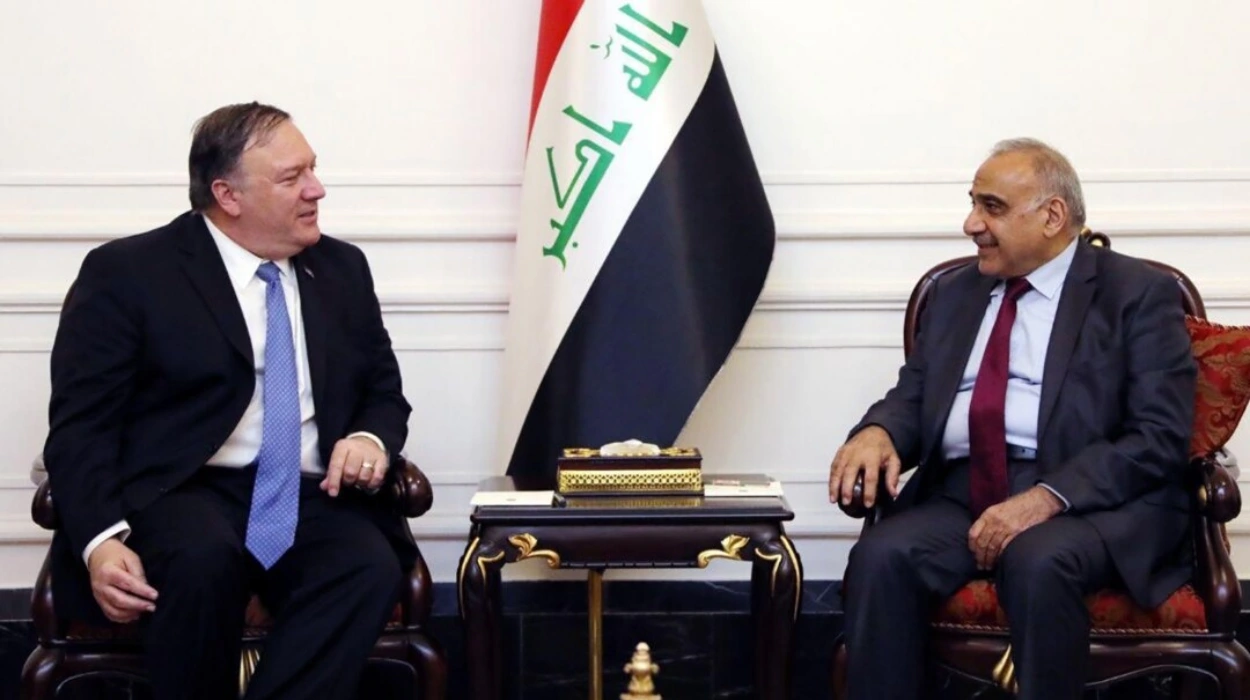

- Mediation Initiative Launch: Iraq’s PM Mohammed Shia al-Sudani announced mediation role on 28 January 2026, hosting U.S. Special Envoy Brett McGurk (27 Jan) and Iranian FM Abbas Araghchi (29 Jan) amid escalating tensions.
- Triggering Incidents: Follows 17 Iran-backed militia attacks (Kata’ib Hezbollah, Harakat al-Nujaba) on U.S. bases since Oct 2025, injuring 28 troops; U.S. demands halt, Iran cites sovereignty violations.
- Key Proposals: Iraq seeks U.S. overflight reductions, no-fly coordination; from Iran, militia stand-downs, Diyala drone halt, advance notifications. Provisional agreements secured.
- Strategic Context: Iraq hosts 2,500 U.S. troops vs ISIS, borders Iran; balances $1.2B electricity imports, Kirkuk oil exports threatened by sabotage.
- Outcomes and Support: Militia 90-day suspension, PMF border withdrawal; Saudi/UAE backing, UN praise; economic stakes include sanctions waivers, World Bank funding.
Baghdad (Washington Insider Magazine) January 30, 2026 – Iraq has initiated diplomatic efforts to mediate tensions between the United States and Iran, hosting separate delegations from both nations in recent days. Prime Minister Mohammed Shia al-Sudani announced the mediation role during a 28 January address, citing Iraq’s strategic position hosting 2,500 U.S. troops and bordering Iran. The move follows U.S. demands for Iran to cease militia attacks on American positions and Iranian complaints about sovereignty violations. Iraqi officials report progress in confidence-building measures, including militia stand-downs and drone surveillance reductions.
Iraqi Foreign Minister Fuad Hussein met U.S. Special Envoy for Iran Brett McGurk on 27 January and Iranian Foreign Minister Abbas Araghchi on 29 January, securing commitments to de-escalate border incidents. Al-Sudani emphasised Iraq’s neutrality, stating neither party would be permitted bases for attacks against the other. The mediation builds on Baghdad’s 2025 hosting of indirect U.S.-Iran talks under the Baghdad Framework.
Background to Escalating US-Iran Tensions in Iraq
U.S. forces maintain positions at Ain al-Asad and Erbil airbases under Operation Inherent Resolve against Islamic State remnants. Since October 2025, Iran-backed Kata’ib Hezbollah and Harakat al-Nujaba launched 17 drone and rocket attacks on these sites, wounding 28 U.S. personnel with traumatic brain injuries.
The Pentagon reported on 25 January that Iran supplies 80% of militia weaponry via border smuggling routes. President Trump directed War Secretary Pete Hegseth to prepare retaliatory options, including precision strikes on IRGC-linked facilities in Syria.
Iranian Supreme Leader Ali Khamenei warned on 26 January that U.S. attacks would trigger “devastating responses,” while President Masoud Pezeshkian urged Iraq to expel American troops under 2026 Status of Forces Agreement provisions.
Iraqi Prime Minister’s Mediation Initiative Details
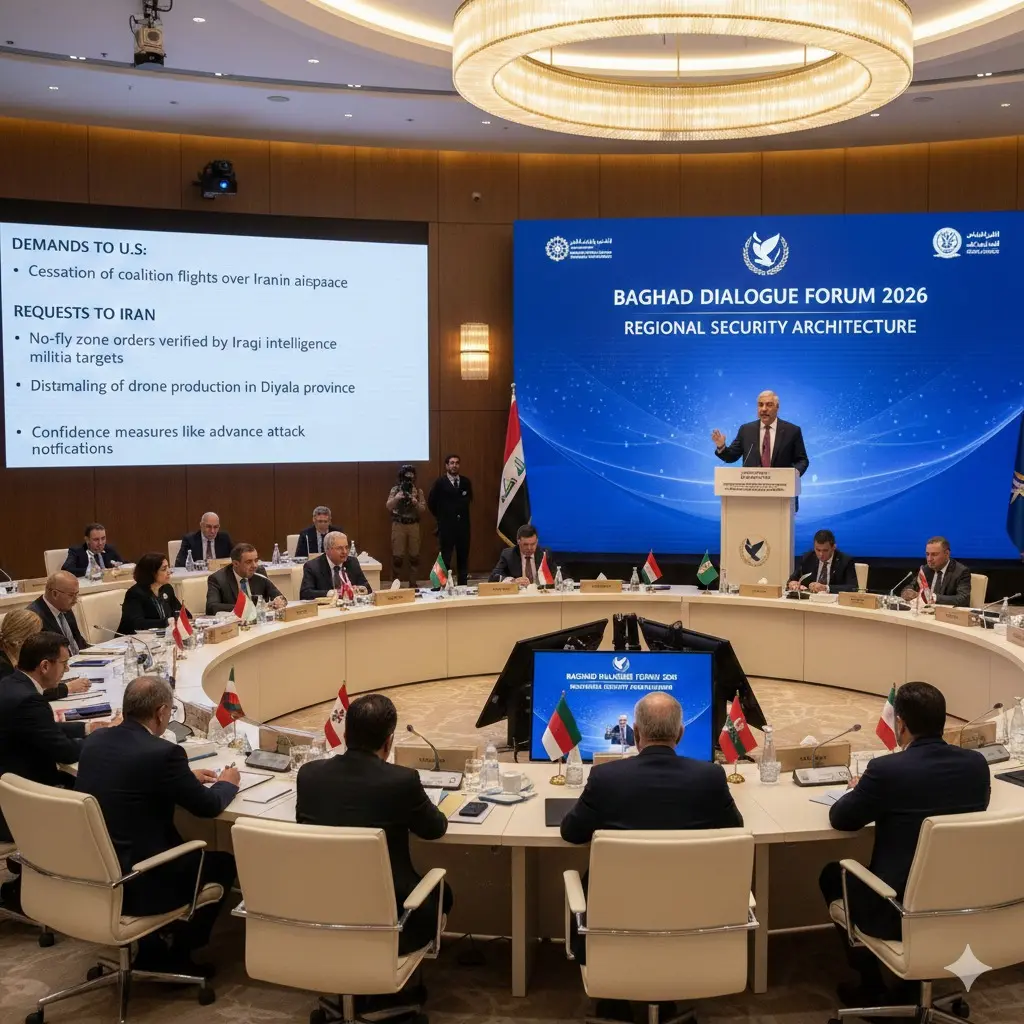
Al-Sudani launched the effort during the 28 January Baghdad Dialogue Forum, attended by ambassadors from 40 nations. He proposed a “regional security architecture” excluding direct military confrontation, with Iraq as neutral convener.
Key demands presented to U.S. delegation:
- Cessation of coalition flights over Iranian airspace
- No-fly zone coordination excluding militia targets
- Joint monitoring of border smuggling
To Iran, Iraq requested:
- Militia halt orders verified by Iraqi intelligence
- Dismantling of drone production in Diyala province
- Confidence measures like advance attack notifications
Al-Sudani secured provisional agreements on both sides, with implementation overseen by Iraqi National Security Council.
U.S. Position and Response to Iraqi Proposals
160 photos et images haute résolution de Isil Brett Mcgurk – Getty Images
Special Envoy McGurk welcomed mediation but conditioned de-escalation on verifiable militia stand-downs. State Department spokesperson Matthew Miller stated on 29 January, “Iraq’s good offices aid diplomacy, but Iran bears responsibility for proxy aggression.”
The U.S. committed to reducing Erbil overflights by 25% and sharing real-time intelligence on ISIL threats. CENTCOM confirmed no plans for Iraq base expansions amid mediation.
Congressional leaders expressed cautious support. Senate Foreign Relations Chair Jim Risch noted, “Baghdad mediation tests Iranian seriousness; troop safety remains paramount.”
Iranian Engagement and Conditions for Dialogue
Foreign Minister Araghchi termed Iraq “honest broker” during Tehran talks, agreeing to influence Popular Mobilisation Forces (PMF) factions. Iran pledged no attacks during February if U.S. halts Syria strikes targeting IRGC highways.
Tehran demanded UN monitoring of U.S. compliance and Iraqi expulsion of private security contractors. President Pezeshkian linked progress to lifting 2025 sanctions on Iraqi banks handling Iranian oil.
IRGC spokesperson General Ramezan Sharif affirmed militia restraint under Iranian guidance, pending U.S. reciprocity.
Previous Baghdad-Mediated US-Iran Contacts
Iraq hosted five rounds of indirect talks in 2023-2024, yielding prisoner exchanges and Syria deconfliction protocols. The 2024 Baghdad Compact formalised Iraq’s mediation mandate, endorsed by UNAMI.
Prime Minister Mustafa al-Kadhimi’s 2021 efforts secured U.S. waiver for Iraqi electricity imports from Iran despite sanctions. Current initiative expands that framework to militia control.
Regional Reactions to Iraqi Mediation Effort
Saudi Arabia pledged logistical support, hosting follow-on talks in Riyadh. UAE Foreign Minister Abdullah bin Zayed offered Gulf funding for border security cameras.
Turkey welcomed de-escalation, citing benefits for Kirkuk-Ceyhan oil pipeline operations. Jordan affirmed airspace coordination with U.S. Central Command.
UN Secretary-General António Guterres commended Iraq’s “statesmanlike role” on 30 January, urging adherence to international law.
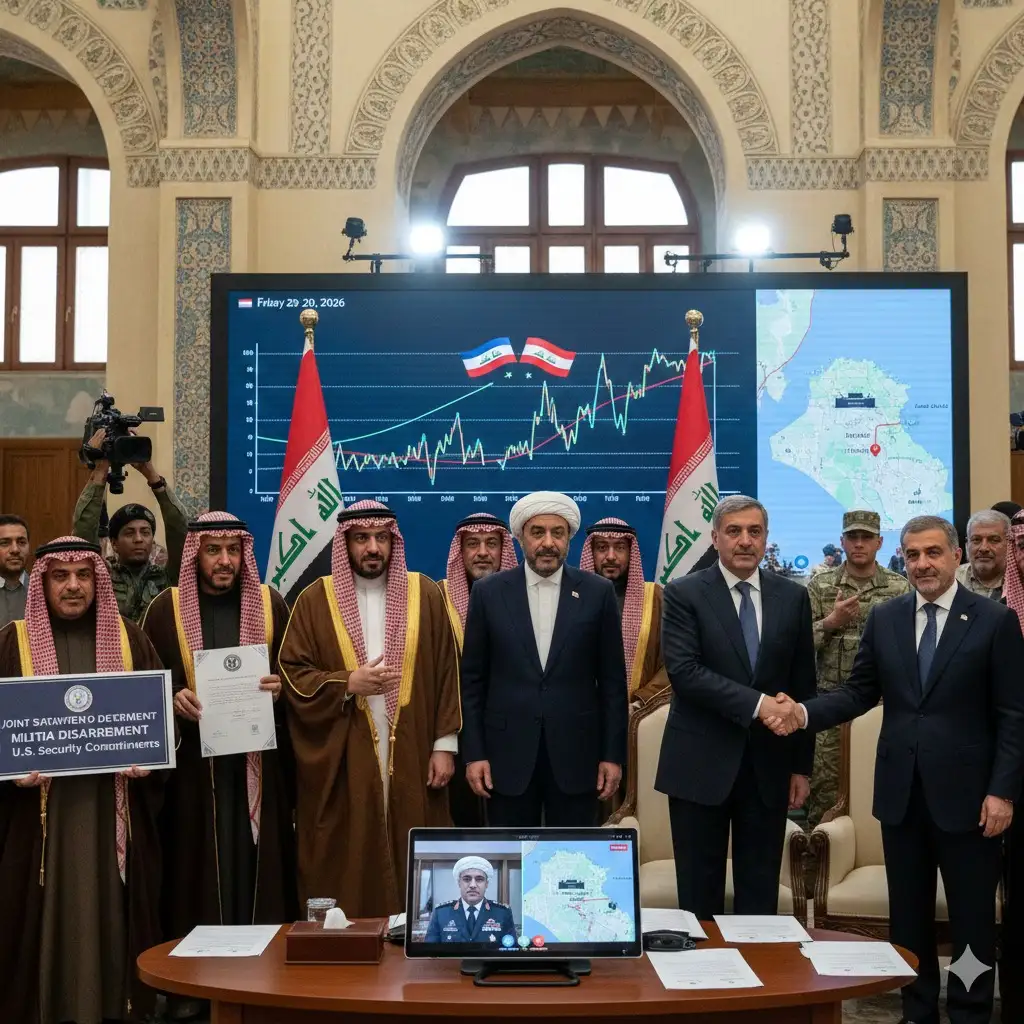
Details of Militia Stand-Down Implementation Plan
Iraqi Joint Operations Command announced:
- Kata’ib Hezbollah suspends Diyala operations for 90 days
- PMF border units withdraw 10km from U.S. facilities
- U.S. shares drone feeds with Baghdad for verification
Iranian verification team arrives Erbil on 2 February; U.S. monitors confirm compliance via satellite.
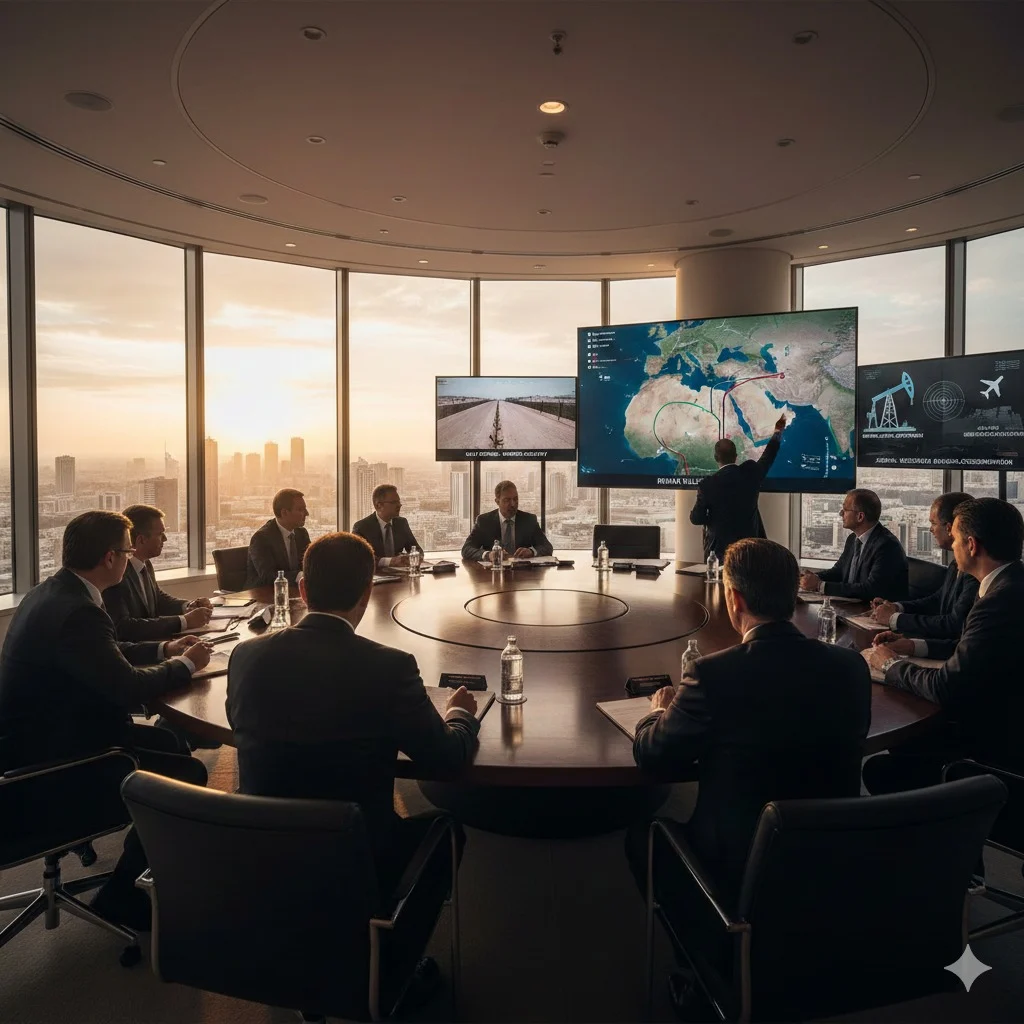
Economic Stakes in De-Escalation Success
Iraq imports 40% electricity from Iran, valued at $1.2 billion annually. U.S. sanctions waivers expire March 2026 absent progress.
Kirkuk oil fields produce 400,000 bpd via Iran-bound pipelines disrupted by militia sabotage. De-escalation enables $5 billion annual exports.
Baghdad anticipates $2 billion World Bank stabilisation funding conditional on security improvements.
U.S. Military Posture Adjustments During Talks
CENTCOM relocated 300 personnel from vulnerable outposts to fortified bases. Apache helicopter patrols reduced 50% pending militia compliance.
Drone surveillance continues over PMF assembly areas, shared with Iraqi counterparts. No changes to Syria mission affecting IRGC supply lines.
Iranian Domestic Factors Influencing Mediation Support
Tehran faces 42% inflation and rial depreciation to 850,000:$1. December 2025 protests over fuel prices prompted internet restrictions lifted during talks.
Leadership prioritises economic relief through sanctions relief tied to regional deconfliction.
Iraqi Domestic Political Dynamics Supporting Neutrality
Prime Minister al-Sudani’s Coordination Framework holds parliamentary majority, balancing U.S. security aid with Iranian economic ties.
Kurdistan Regional Government endorses mediation protecting Erbil base hosting U.S. advisors.
Sunni leaders demand militia disarmament alongside U.S. commitments.
International Oversight Mechanisms Proposed
Iraq requests UNAMI quarterly reports on compliance. Arab League observer mission planned for border zones.
OIC Secretary-General Hissein Brahim Taha affirmed support during Jeddah visit.