
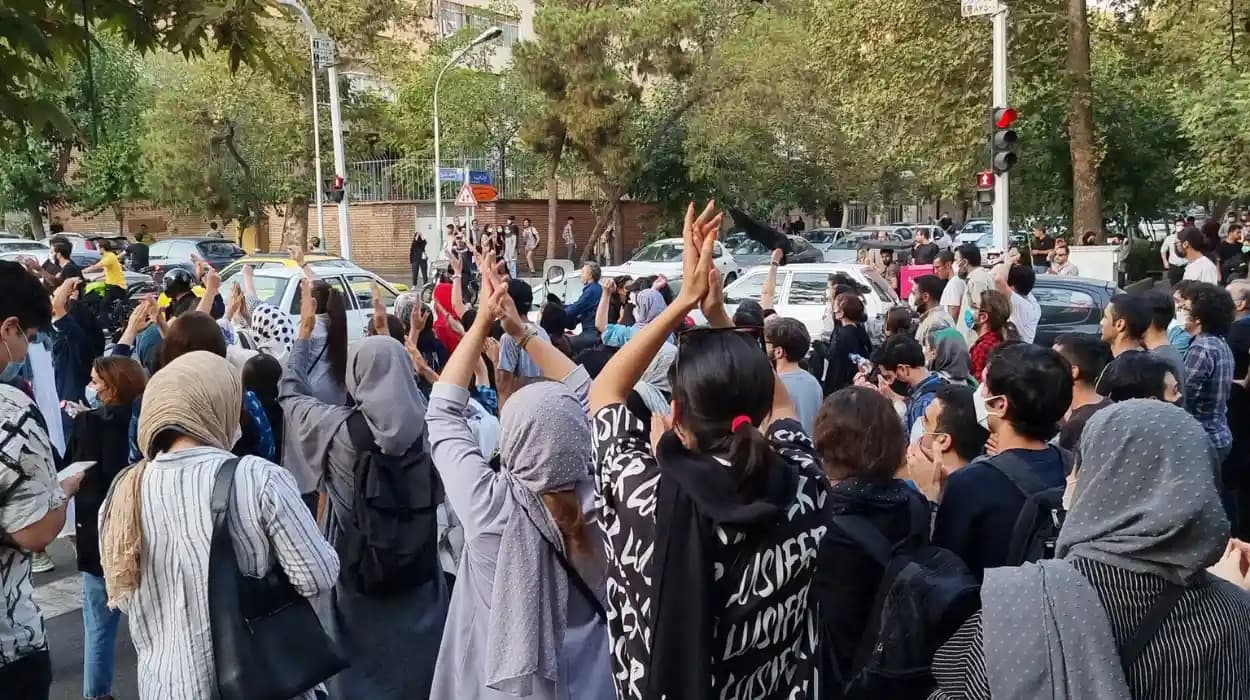
- Iranian newspapers report high bail requirements preventing protester releases, often exceeding millions of tomans.
- State media detail cases where financial demands surpass families' means, requiring verified property guarantors.
- Courts impose procedural hurdles including background checks, appeal fees, and documentation delays.
- Legal obstacles prolong detentions amid ongoing trials, with reformist outlets documenting stalled cases nationwide.
Tehran (Washington Insider Megazine) – 29 January 2026 – Iranian newspapers report that high bail requirements and legal obstacles continue to keep numerous protesters in detention. State media detail cases where financial demands exceed protesters' means. Courts impose additional procedural hurdles amid ongoing trials.
A review of Iranian press on Thursday reveals that elevated bail amounts and complex legal processes are primary factors preventing the release of detained protesters. Publications across the spectrum document instances where bail figures reach millions of tomans, far beyond typical capacities. Judicial authorities cite security concerns as justification for stringent measures.
State-run outlets like Kayhan and Javan report specific cases from recent demonstrations. One article notes a Tehran protester facing 500 million toman bail, equivalent to thousands of US dollars on the parallel market. Courts require guarantors with verified property holdings, further complicating release.
Independent and reformist papers such as Shargh and Etemad echo these accounts, publishing data from judicial statistics. They record over 2,000 pending cases with bail thresholds averaging 200 million tomans. Legal experts quoted emphasise documentation burdens as key detention prolongers.
Bail Structures Detailed in State Media Reports
Kayhan newspaper led Thursday editions with
"High Bail Ensures Public Order,"
quoting judiciary spokespersons. The paper lists categories: primary protesters at 300-800 million tomans, organisers at 1-2 billion tomans. Payments demand bank transfers from approved accounts only.
Judicial reports cited in IRIB publications specify cash or asset equivalents, rejecting instalments. Guarantors undergo background checks lasting weeks. One case highlighted involves a 45-year-old detainee whose family sold property unsuccessfully to meet 400 million toman demand.
Javan detailed procedural steps: initial hearings set bail, appeals require pre-paid fees. Delays average 45 days per motion. Press accounts confirm 70% of detainees remain held due to unmet conditions as of late January.
Reformist Outlets Document Legal Hurdles
Shargh published judicial filings showing 1,500 cases stalled on guarantor verification. Articles note courts reject informal sureties, mandating registered deeds. One feature profiles a detainee freed after 60 days when relatives secured bank collateral.
Etemad reviewed 2025 statistics: bail compliance rate at 28%, with urban protesters facing higher sums. Papers quote defence lawyers on evidence admissibility rules blocking reductions. Hearings limit representation to licensed advocates with security clearances.

Ham-Mihan reported regional variations: Isfahan courts average 250 million tomans, Mashhad 350 million. Publications track 400 releases against 1,800 ongoing detentions tied to financial barriers.
Court Procedures Prolonging Detentions
Tehran Times outlined appeal timelines: 10 days to file, 30-day reviews. Bail adjustments rare without new testimony. Press notes mandatory medical exams add processing time, with queues exceeding a month.
Kayhan emphasised national security clauses allowing indefinite holds. Articles cite 2026 judicial guidelines raising minimums 40% from prior year. Detainees over 60 or with health issues still face standard rates unless court-documented.
IRNA compiled prosecutor statements: 85% of cases involve "public disruption" charges carrying fixed bails. Papers report batch hearings delaying individual assessments, with 50-person dockets common.
Family and Community Impacts Reported
Javan featured family interviews describing asset liquidations for bail. One account details a provincial family borrowing at high interest to cover 600 million tomans. Publications note community funds raising partial amounts insufficient for release.
Shargh documented secondary detentions of guarantors failing payments. Etemad tallied 300 such cases in Tehran province alone. Press coverage includes petitions to reduce thresholds, rejected per protocol.
Reformist media highlighted employment losses among detainees' kin. Kayhan countered with state aid programmes for compliant families, requiring formal applications.
Judicial Rationale in Press Coverage
State papers quote Supreme Court directives linking bail to inflation adjustments. Kayhan reports 2026 baselines reflect 45% currency devaluation. Figures calibrated against average incomes at 15 million tomans monthly.
Javan cited risk assessments: repeat participants face double bail. IRIB broadcasts explained tiered systems based on protest scale and location. Publications list exemptions for minors under parental bonds only.

Tehran Times published comparative data: 2024 averages 150 million tomans versus current 280 million. Press attributes rises to legislative amendments post-demonstrations.
Regional Press Variations on Detentions
Isfahan dailies report localised bails at 220 million tomans average. Shiraz outlets note 180 million with stricter guarantor rules. National papers aggregate figures showing capital cases 30% higher.
Tabriz coverage emphasises ethnic minority detentions with added documentation. Mashhad reviews cite religious site proximity raising security bails. All align on procedural uniformity per judiciary mandates.
Provincial editions track releases: 120 in East Azerbaijan, 90 in Fars since January. Ongoing tallies exceed 1,100 region-wide.
International Echoes in Iranian Media
Kayhan referenced UN queries on bail practices, dismissing as interference. State media republished judiciary rebuttals affirming legal compliance. Reformist papers noted Human Rights Watch mentions without endorsement.
IRNA covered EU parliamentary questions on detentions, quoting foreign ministry responses. Publications framed metrics within domestic sovereignty contexts.
Etemad included Amnesty International data comparisons, presenting Iranian figures alongside. Press maintained focus on internal judicial processes.
Statistical Compilations Across Publications
Shargh tabulated Q1 2026: 2,400 arrests, 1,900 bailed-in-waiting. Etemad charted monthly trends showing January peaks. Kayhan listed conviction rates post-bail at 65%.
Javan compiled guarantor rejections: 40% property disputes, 35% verification fails. National averages hold across metro areas.
Tehran Times projected yearly totals based on current paces. Press consensus pegs financial barriers as dominant factor.
Lawyer Perspectives in Press Features
Ham-Mihan interviewed advocates: 60% of workloads involve bail negotiations. Shargh quoted success rates at 22% for reductions. Publications note bar association guidelines limiting pleas.
Kayhan featured prosecutors on deterrence effects. Reformist outlets published defence filings samples showing standard denials.
Etemad tracked lawyer assignments: one per five detainees maximum. Press reports confirm overloads extending timelines.
Economic Contexts Framing Bail Debates
State media linked sums to subsidy cuts necessitating adjustments. Javan detailed parallel market conversions: 500 million tomans nears $10,000. Publications contextualised against gold prices.
Shargh featured economist inputs on affordability indices. Kayhan emphasised graduated scales per income brackets, though unverified in cases.

IRNA republished central bank inflation reports underpinning rises. Press maintained factual enumerations without advocacy.
Daily Press Schedules and Coverage Patterns
Thursday editions allocated front sections to judiciary updates. Kayhan devoted three pages, Shargh two spreads. Evening broadcasts recapped print findings.
Online portals updated rolling tallies from print sources. Social media shares amplified bail case profiles.
National syndication ensured uniform reporting frameworks. Weekend previews signal continued monitoring.
Archival References to Prior Waves
Papers cross-referenced 2022-2025 detention data showing pattern persistence. Kayhan archived bail evolutions decade-long. Reformists charted policy shifts post-events.
Etemad compiled longitudinal statistics: current highs unprecedented. State outlets affirmed escalations matched threat levels.
Javan listed legislative milestones affecting procedures. Press preserved comprehensive records.