
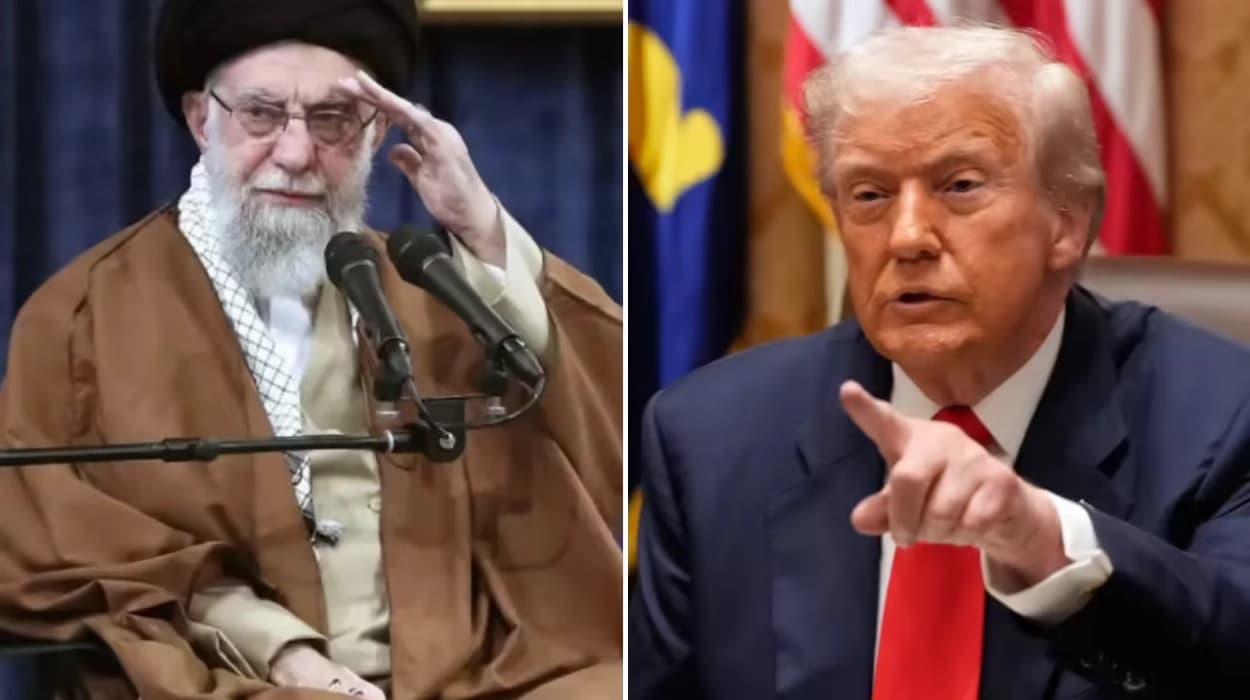
- Trump's Claim: US President Donald Trump stated his intervention led Iran to cancel executions of over 800 detained protesters, crediting the halt to reduced US military action risks.
- Prosecutor's Denial: Iran's top prosecutor Mohammad Movahedi rejected the assertion as "completely false," stating no such number of prisoners exists and no judicial decision was made.
- Protest Context: Denial occurs amid nationwide Iranian protests, with activists reporting 5,002 deaths from government crackdown and a two-week internet blackout limiting verification.
- Judicial Charges: Some detainees face death-eligible offences like "mohareb," though officials emphasise court processes determine penalties without foreign influence.
- US-Iran Exchange: Trump's repeated commendations contrast Tehran's separation-of-powers stance, highlighting tensions over protester fates and diplomatic frictions.
Dubai (Washington Insider Megazines) January 23, 2026 – Iran’s top prosecutor Mohammad Movahedi has denied US President Donald Trump’s claim that his intervention halted the execution of 800 detained protesters. Movahedi described the assertion as “completely false,” stating no such number of prisoners existed and no related judicial decision had been made. The denial comes amid ongoing nationwide protests in Iran, with activists reporting at least 5,002 deaths from the government crackdown and a prolonged internet blackout hindering verification.
Trump has repeatedly stated that Iran cancelled the hangings of over 800 people detained during the protests, crediting his own influence without detailing the source of the information. He made these remarks to reporters while departing the White House for his Mar-a-Lago estate, adding that he respected Iran’s decision to cancel the executions.pbsYouTube
Prosecutor Movahedi issues direct denial of execution halt claim
Credit: timesofmalta.com
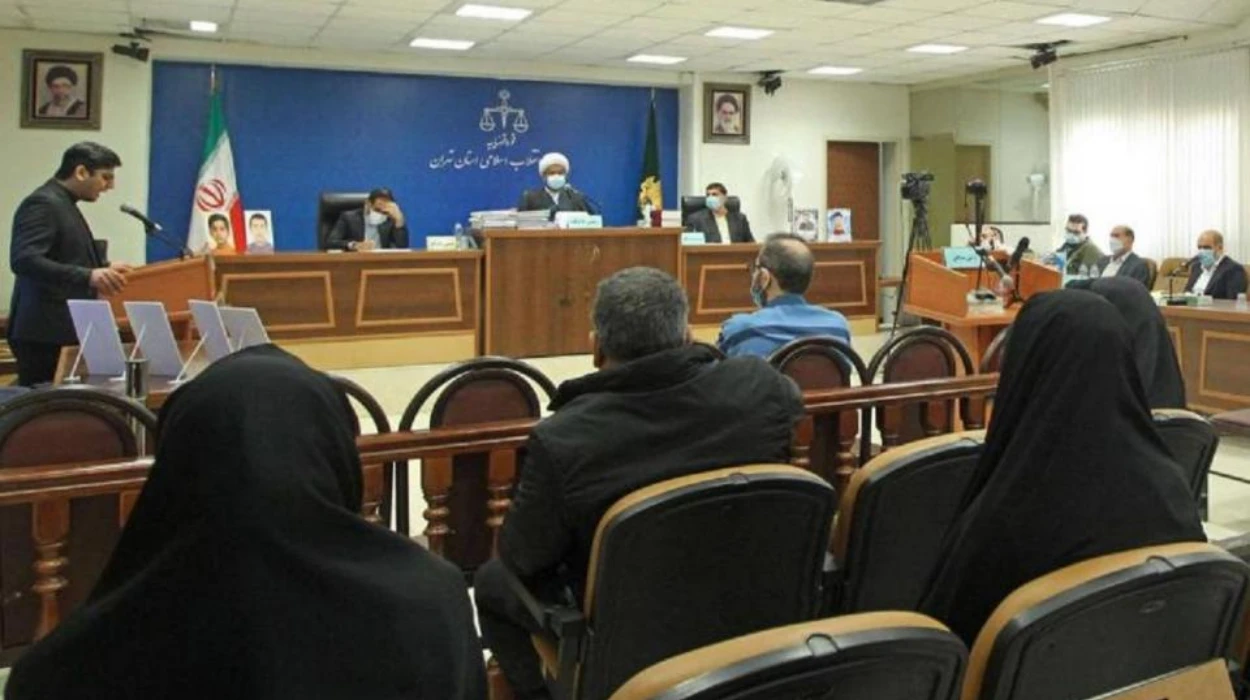
Iran’s judiciary news agency Mizan quoted Prosecutor Mohammad Movahedi as rejecting Trump’s statements on Friday. “This claim is completely false; no such number exists, nor has the judiciary made any such decision,” Movahedi said. He emphasised the separation of powers within Iran’s institutions and stated that judicial responsibilities are clearly delineated without foreign directives.
The prosecutor’s comments addressed Trump’s repeated assertions, which linked the supposed halt to reduced prospects of US military action against Iran. Iranian officials have indicated that some detainees face charges carrying the death penalty, including “mohareb” or “enemies of God,” historically associated with executions.
Trump’s repeated statements commend Iran on postponements
President Trump first commended Iran publicly on the matter during a press interaction on January 16, stating
“Iran canceled the hanging of over 800 people”
and expressing respect for the decision. He described the scheduled hangings as having been set for the previous day but not carried out, calling it a significant development.
Trump connected his remarks to earlier threats of potential US strikes if Iran proceeded with mass executions of peaceful protesters, which he termed a red line. When asked about influences on his stance, Trump replied that he had convinced himself, noting the postponement as a factor diminishing military intervention likelihood.
In subsequent statements, Trump reiterated the claim multiple times without elaborating on sources or evidence for the figure of 800 prisoners.
Nationwide protests trigger deadly crackdown and blackout
 Credit: Agence France-Presse — Getty Images
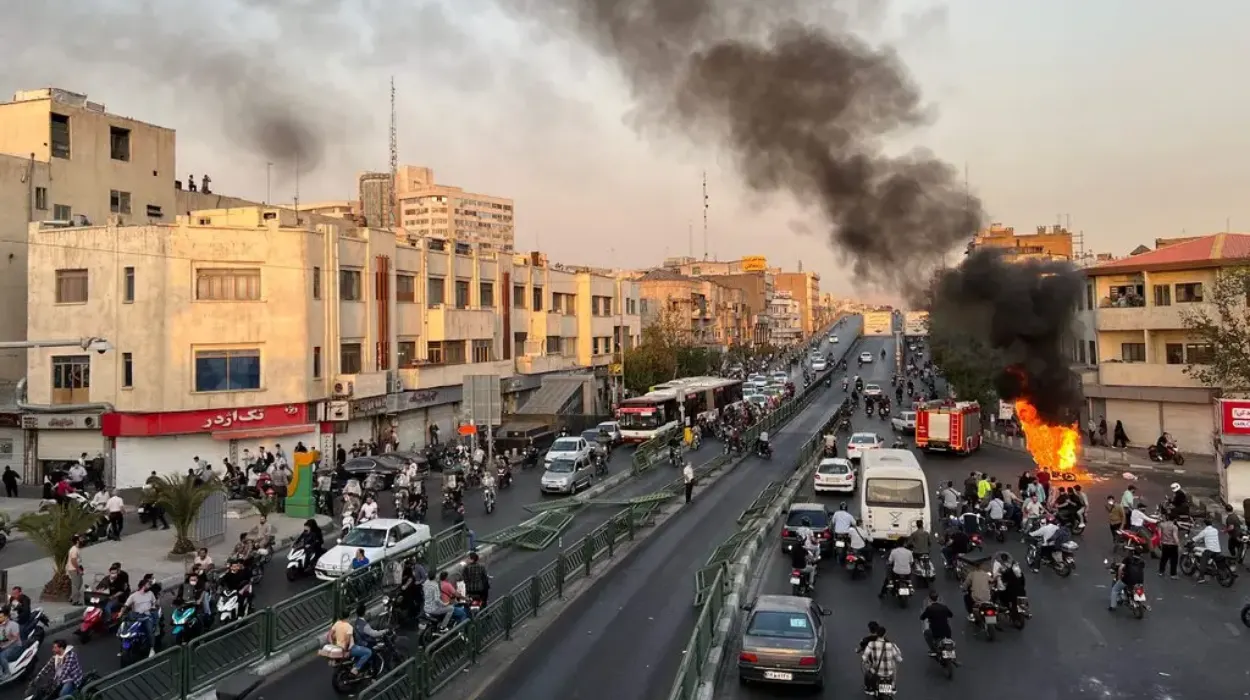
Activists tracking the unrest report the death toll from the government’s response has reached at least 5,002, with fears of higher numbers due to Iran’s most comprehensive internet blackout exceeding two weeks. The protests, sweeping multiple cities, stem from economic grievances, political demands, and human rights concerns.
Communication restrictions have severely limited independent verification of casualties and events, complicating activist efforts to document developments. State media and officials have acknowledged arrests but denied widespread execution plans matching Trump’s description.
One case highlighted involved protester Erfan Soltani, reported by human rights groups as potentially facing execution before state media clarified he faced charges of colluding against internal security and propaganda, not automatically carrying the death penalty. A family member confirmed Soltani was not executed as previously scheduled.
Judicial charges against detainees include capital offences
Iranian authorities have charged numerous protesters with offences eligible for the death penalty, according to reports from the judiciary and state media. Officials have labelled some detainees as “mohareb,” a charge permitting execution and previously linked to mass judicial actions.
The judiciary has maintained that court confirmations determine penalties, and not all charges result in capital punishment. Tehran has rejected foreign interference in its legal processes, aligning with Movahedi’s separation-of-powers emphasis.
Trump ties claims to broader Iran policy threats
Trump’s comments on the executions occurred alongside warnings of “serious consequences” for Iran unless it addressed US concerns, including over detained Americans in past contexts. He has framed mass executions and protester killings as triggers for potential military responses.
The US State Department has monitored specific cases, such as activist Erfan Soltani, warning via its Farsi X account that he might be the first protester executed, though Iranian clarifications followed.
Activists document rising casualties amid unrest
Human rights groups continue compiling data on protest‑related deaths despite blackout challenges, placing the confirmed toll at 5,002 as of recent updates. They express concern over potential further fatalities and executions in the ongoing crackdown.
The scale of demonstrations has prompted international attention, with US statements amplifying focus on judicial threats to detainees. Iranian responses, including the prosecutor’s denial, seek to counter external narratives on the handling of arrests.
Historical context of protest executions in Iran
Iran’s judiciary has conducted executions following previous unrest, applying charges like “mohareb” to participants in demonstrations. Past waves involved dozens of hangings after trials criticised by rights groups for speed and fairness issues.
Current cases follow similar patterns, with officials confirming some death‑eligible prosecutions amid the latest protests. The government blackout aims to control information flow during the heightened tensions.
US-Iran tensions encompass prisoners and protests
 Credit: West Asia News Agency/Handout via REUTERS
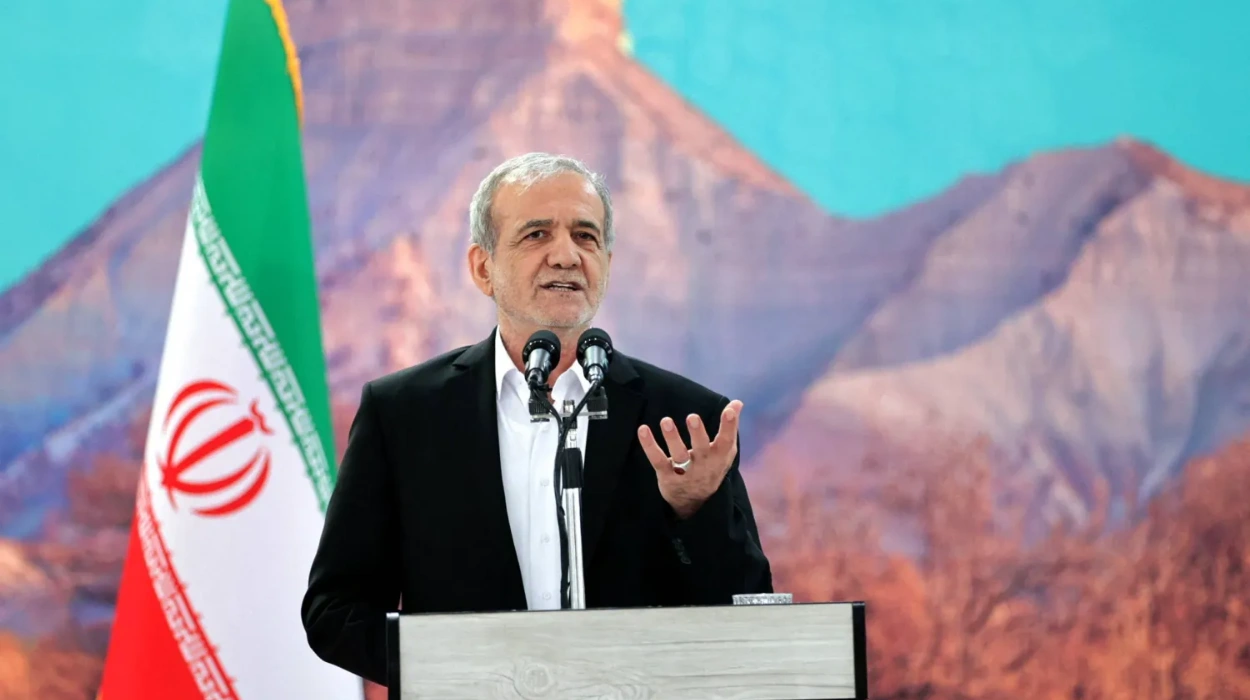
Trump’s intervention claims fit into longstanding frictions, including demands for release of US nationals held in Iran on spying and related charges. Families of detainees like Baquer Namazi have sought presidential action, though recent focus shifts to protester fates.
Iran has consistently rejected US demands on prisoners, denying knowledge in some disappearances and upholding court verdicts. The latest exchange underscores persistent diplomatic strains over human rights and security.