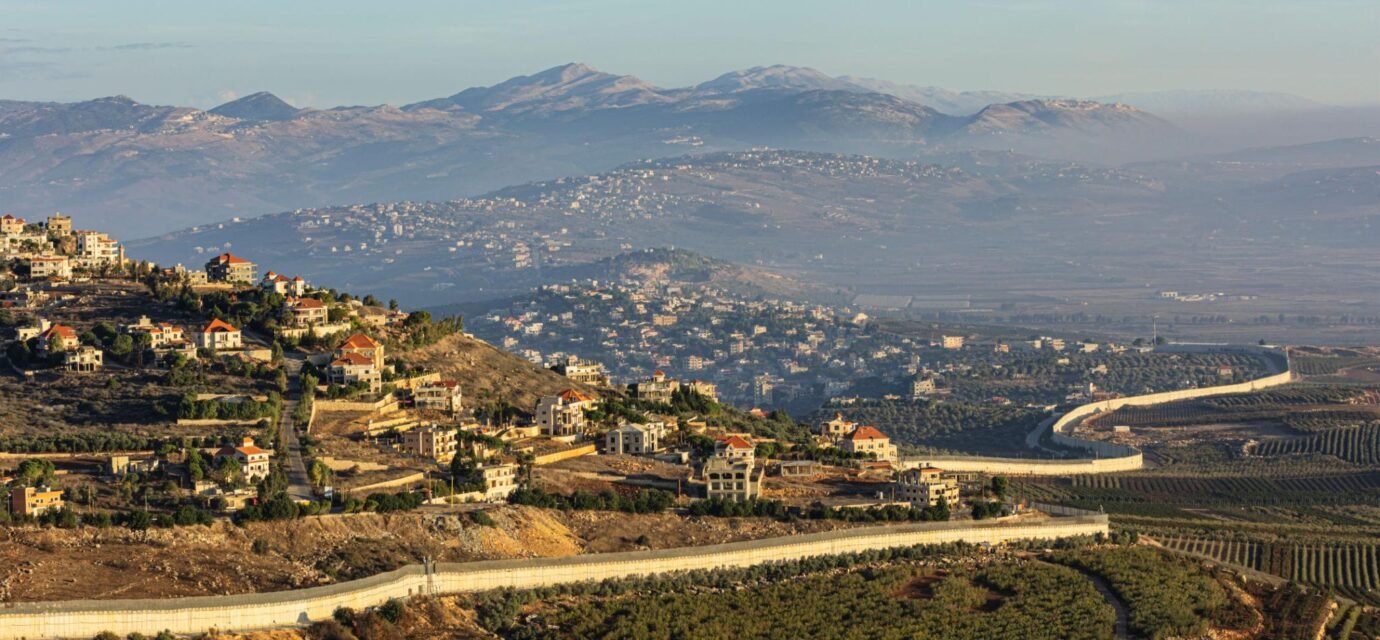

Beirut, Lebanon, 6 June 2026 (Washington Insider Magazine) Lebanon security crisis concerns have intensified following a deadly border incident that has triggered strong reactions from Lebanese leaders and renewed international attention on security conditions along the country’s southern frontier. Officials in Beirut have described the event as a serious violation of national sovereignty, while regional observers warn that the situation could further complicate efforts to maintain stability in an already volatile part of the Middle East.
The incident has quickly become a major diplomatic issue, prompting calls for restraint and renewed engagement among regional and international stakeholders. As investigations continue, governments across the region are closely monitoring developments and assessing potential implications for security and diplomacy.
Lebanese Leadership Condemns the Incident
Lebanese officials responded forcefully following reports that members of the country’s armed forces were among the casualties.
Government leaders stated that protecting national sovereignty remains a fundamental responsibility and stressed that military personnel operating within Lebanese territory must be safeguarded. The incident has fueled domestic debate about border security, military readiness, and the country’s broader security strategy.
Officials also reiterated Lebanon’s commitment to pursuing diplomatic channels while maintaining the country’s territorial integrity. The response reflects growing concerns among policymakers regarding the frequency of security incidents occurring near sensitive border areas.
“Respect for national sovereignty remains essential for preserving peace and preventing wider instability.”
The statement resonated across political and diplomatic circles as discussions about regional security intensified.
Border Security Remains a Major Challenge
The southern border has long represented one of the most sensitive security zones in the Middle East.
Over the years, the area has experienced periodic military incidents, heightened surveillance operations, and diplomatic tensions. Security experts note that border regions often become focal points during periods of broader geopolitical uncertainty.
The current Lebanon security crisis highlights the difficulties governments face in balancing national defense requirements with efforts to avoid escalation. Increased military readiness and monitoring activities have become common as authorities seek to deter threats and maintain stability.
Analysts believe that strengthening communication mechanisms between regional actors may help reduce the risk of misunderstandings that could lead to further confrontations.
International Community Calls for Restraint
The latest developments have prompted responses from governments and international organizations worldwide.
Several diplomatic missions have urged all parties to exercise restraint and avoid actions that could contribute to additional instability. International observers continue to emphasize the importance of dialogue, transparency, and adherence to international norms governing military operations.
Many foreign policy experts argue that diplomacy remains the most effective tool for reducing tensions and preventing isolated incidents from developing into larger regional crises.
The international focus on the Lebanon security crisis reflects broader concerns regarding stability across the Middle East.
Regional Stability Faces New Pressure
The incident comes at a time when multiple geopolitical challenges are already affecting the region.
Security concerns involving neighboring countries, maritime routes, and military activities have contributed to an environment of heightened uncertainty. Regional governments continue working to strengthen security partnerships while encouraging diplomatic engagement.
Economic considerations also play a role, as instability can affect investor confidence, trade activity, and broader development goals. Policymakers recognize that long-term prosperity depends heavily on maintaining a secure and predictable environment.
“Regional stability requires both effective security measures and sustained diplomatic engagement.”
This view is increasingly shared by officials seeking to prevent further deterioration of regional relations.

Looking Ahead
The Lebanon security crisis is likely to remain a significant topic of discussion in the coming weeks as investigations continue and diplomatic efforts advance. Lebanese leaders have made clear that sovereignty concerns remain central to their response, while international partners continue advocating for restraint and dialogue.
Although tensions remain elevated, many observers believe that sustained diplomatic engagement can help prevent further escalation. The situation serves as a reminder of the fragile security environment that continues to shape the Middle East and the importance of cooperation in maintaining regional stability.