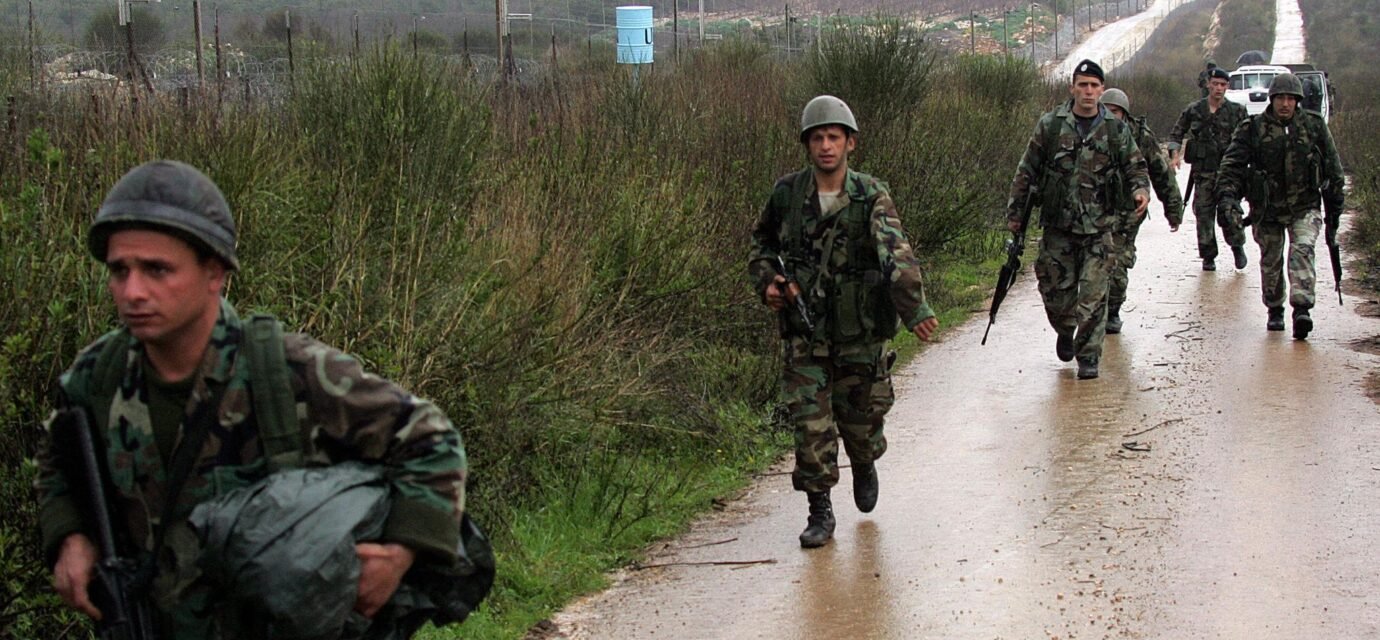

Southern Lebanon, 6 June 2026 (Washington Insider Magazine) Lebanon border conflict concerns have intensified following a deadly military incident in southern Lebanon that has renewed international attention on one of the Middle East’s most sensitive security zones. The latest development comes amid growing concerns about the durability of ceasefire arrangements and the potential impact of continued tensions on regional stability.
Officials confirmed that the incident involved members of the Lebanese Armed Forces operating near the southern frontier. The event quickly triggered political reactions, diplomatic discussions, and renewed calls for restraint from international observers concerned about the risk of further escalation.
As governments across the region monitor developments, the situation has become another reminder of the challenges facing efforts to maintain peace and stability along the border.
Military Incident Draws National Attention
The recent incident has generated significant attention throughout Lebanon.
Government officials described the event as a serious security matter and emphasized the importance of protecting military personnel responsible for maintaining stability in border regions. Lebanese authorities have launched investigations while military commanders continue assessing operational and security implications.
The loss of military personnel has also prompted broader discussions regarding security conditions in southern Lebanon and the risks faced by forces stationed near sensitive areas.
For many observers, the incident highlights the fragile nature of the current security environment and the importance of preventing additional confrontations.
“Maintaining stability along the border remains essential for protecting both national security and regional peace.”
Ceasefire Stability Faces Renewed Challenges
The latest development has placed renewed focus on existing ceasefire arrangements.
Although ceasefire mechanisms have helped reduce large-scale hostilities over the years, periodic incidents continue to test their effectiveness. Security analysts note that events involving military personnel can create additional pressure on diplomatic efforts aimed at preserving calm.
The current Lebanon border conflict underscores the difficulties associated with maintaining long-term stability in regions where political tensions and security concerns remain unresolved.
Many experts believe that strengthening communication channels and reinforcing confidence-building measures could help reduce future risks.
Southern Border Remains a Strategic Flashpoint
Southern Lebanon continues to hold major strategic importance due to its geographic location and security history.
The region has experienced numerous periods of tension over the past several decades, making it one of the most closely monitored areas in the Middle East. International peacekeeping missions and diplomatic initiatives have worked to support stability, yet challenges persist.
Military experts frequently describe the border area as a potential flashpoint where localized incidents can quickly attract regional and international attention.
The latest Lebanon border conflict developments demonstrate how rapidly security concerns can become major diplomatic issues.
International Community Calls for Restraint
Governments and international organizations have responded by encouraging restraint and dialogue.
Diplomatic representatives emphasized the importance of avoiding actions that could increase tensions and undermine stability. Many officials reiterated support for peaceful solutions and stressed the need for all parties to respect established security arrangements.
International observers remain focused on preventing further escalation while encouraging continued diplomatic engagement.
Foreign policy analysts note that diplomacy becomes increasingly important during periods of heightened uncertainty because it helps reduce the risk of misunderstandings and unintended consequences.

Regional Stability Remains a Priority
The broader implications of the incident extend beyond Lebanon.
Regional governments continue monitoring developments due to concerns about security, economic confidence, and geopolitical stability. Any increase in tensions could affect diplomatic relationships and complicate ongoing efforts aimed at strengthening regional cooperation.
Many policymakers agree that preserving stability remains a shared interest across the Middle East. Continued dialogue, transparency, and cooperation are widely viewed as essential tools for preventing additional conflict.
“Diplomatic engagement remains the strongest path toward reducing tensions and supporting long-term stability.”