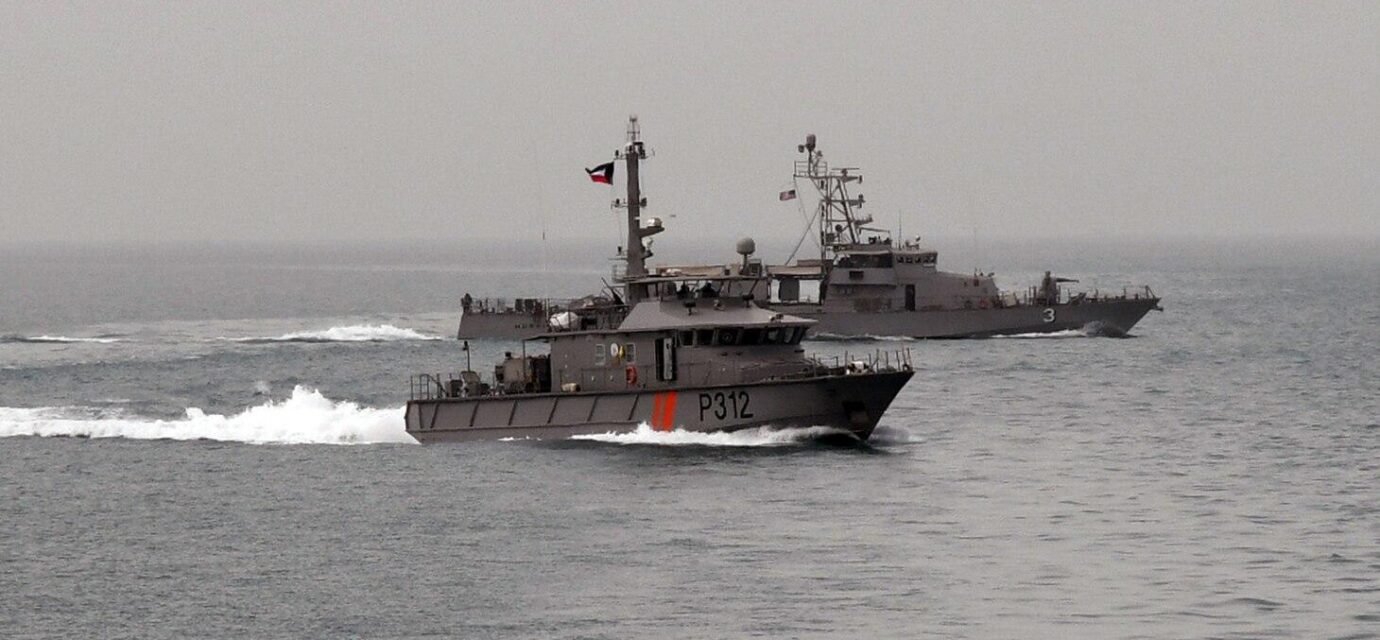

Gulf Region, 6 June 2026 (Washington Insider Magazine) Regional security crisis concerns are growing across the Middle East as rising tensions between Iran, the United States, and several Gulf nations continue to reshape the security landscape. Military alerts, increased air defense activity, and diplomatic efforts to prevent further escalation have placed the region under intense international scrutiny.
The latest developments come amid heightened concerns about missile threats, drone activity, maritime security, and the potential impact on global energy supplies. Governments throughout the Gulf have responded by strengthening defensive measures while emphasizing the importance of maintaining regional stability.
Military Activity Increases Across the Gulf
Recent military developments have led to increased vigilance among Gulf nations. Air defense systems have remained on high alert as governments monitor potential threats to strategic infrastructure, military facilities, and civilian populations.
Defense officials across the region continue to coordinate closely with international partners to ensure that security measures remain effective. While authorities have reported successful interceptions of various threats in recent weeks, the situation remains fluid and unpredictable.
The growing military presence throughout key areas of the Gulf reflects concerns that additional incidents could further destabilize the region.
“Stability remains the primary objective as governments work to prevent a broader conflict.”
Strategic Importance of the Gulf Region
The Gulf remains one of the world’s most strategically significant regions due to its role in global energy production and international trade.
Major shipping routes pass through regional waterways, including the Strait of Hormuz, making security developments particularly important for international markets. Any disruption to maritime traffic can have consequences far beyond the Middle East, affecting energy prices, supply chains, and economic confidence.
As a result, governments around the world continue to closely monitor developments and support diplomatic initiatives aimed at reducing tensions.
Diplomatic Efforts Continue
Despite ongoing security concerns, diplomatic engagement remains active.
Regional governments, international organizations, and global powers are working through various channels to prevent misunderstandings and reduce the likelihood of further military escalation. Officials have repeatedly emphasized the importance of dialogue and restraint.
Diplomats acknowledge that achieving lasting stability will require cooperation among multiple stakeholders with differing political and security interests. However, many observers believe diplomacy remains the most effective path toward reducing tensions.
Impact on Global Energy Markets
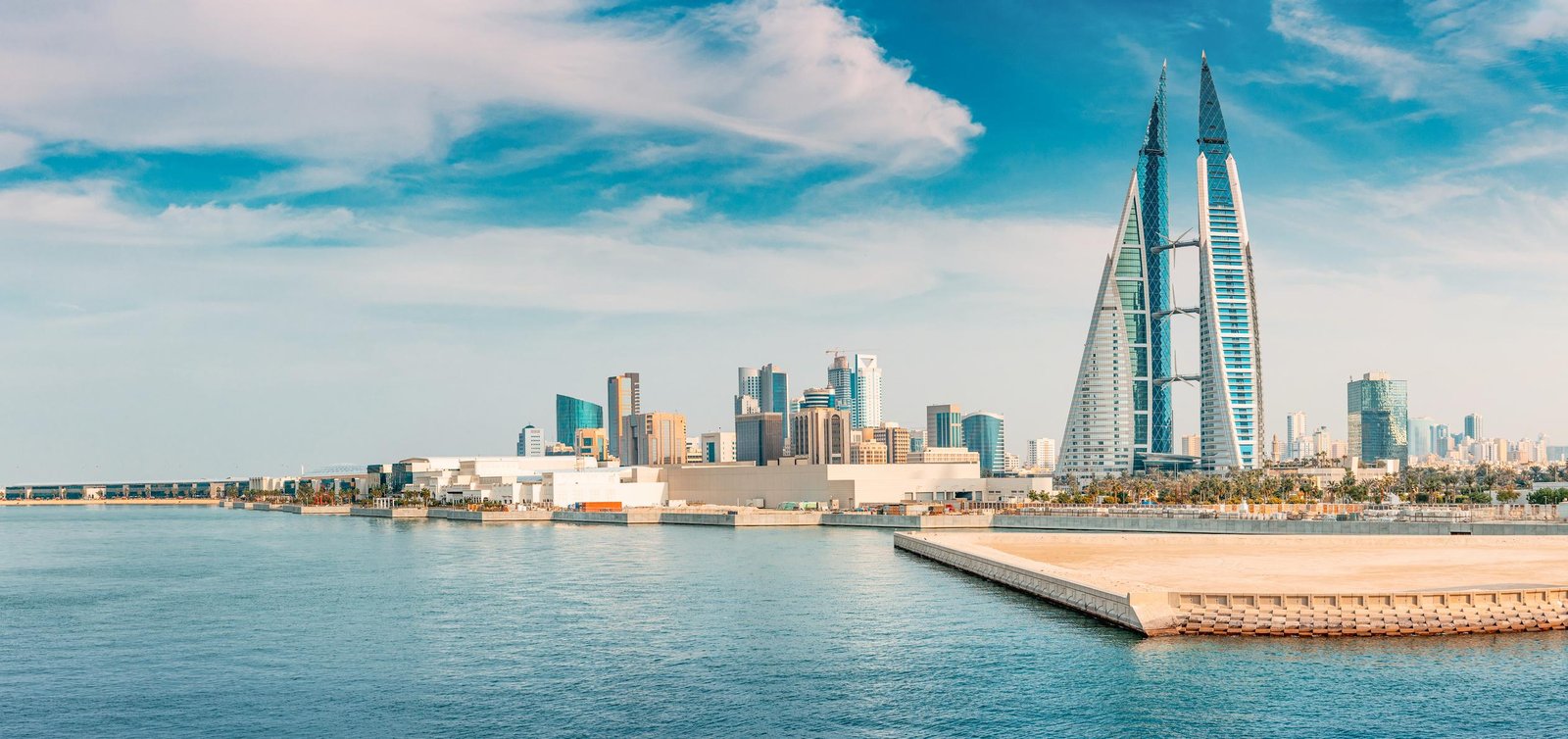
One of the most significant concerns surrounding the current Regional security crisis is its potential impact on energy markets.
The Gulf supplies a substantial portion of the world’s oil and natural gas exports. When geopolitical tensions increase, investors often react to uncertainty regarding future supply conditions.
Energy analysts note that markets remain highly sensitive to developments involving regional infrastructure, shipping routes, and military activity. Although major supply disruptions have not materialized, uncertainty alone can contribute to increased market volatility.
Regional Security Challenges Ahead
Security experts caution that the region faces several ongoing challenges, including missile proliferation, drone technology, cyber threats, and maritime security risks.
Governments continue investing in advanced defense systems while strengthening intelligence-sharing partnerships. These efforts are designed to improve readiness and reduce vulnerabilities in an increasingly complex security environment.
Many analysts believe long-term stability will depend not only on military preparedness but also on successful diplomatic engagement and economic cooperation.
“Regional security requires both strong defenses and sustained diplomacy.”