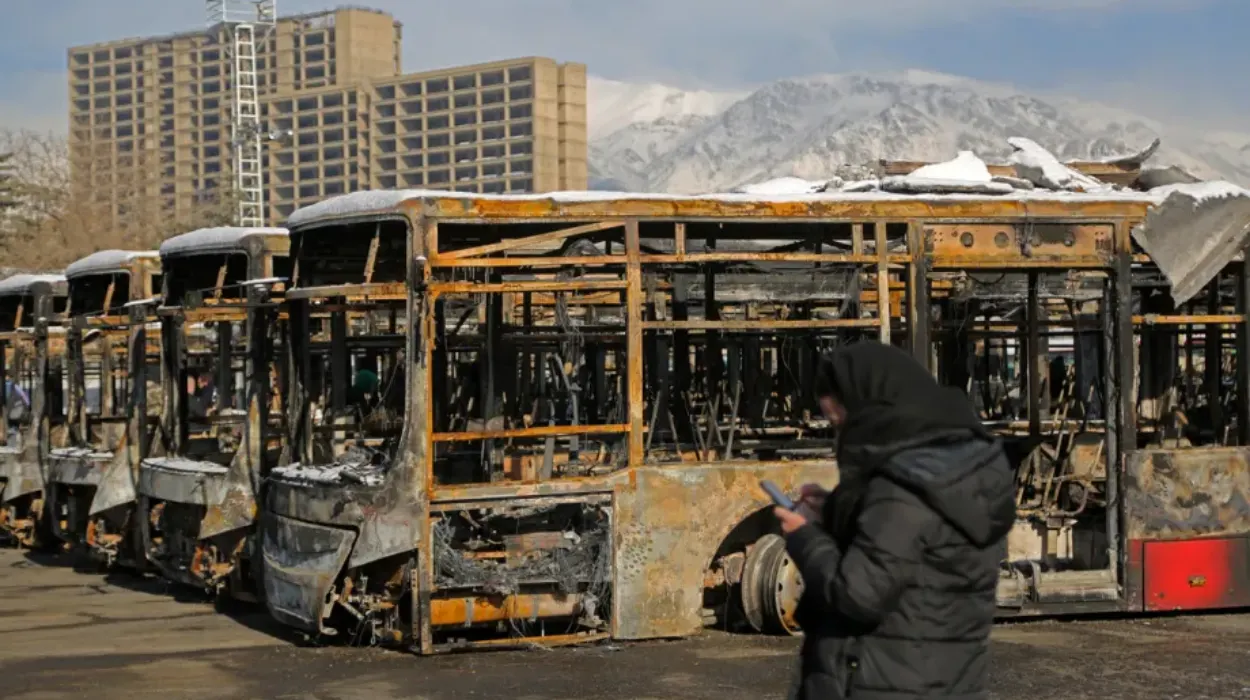

- Iran’s
Foreign Minister Abbas Araghchi reports 3,117 deaths from late December
2025 protests: 2,427 civilians/security forces, 690 terrorists. - Damage
includes 300 private homes, 750 banks, 414 government buildings, 749
police stations, 200 schools, 350 mosques destroyed. - HRANA
documents higher toll of 5,002 confirmed deaths, 26,752 arrests, 7,391
severe injuries by protest day 26. - Protests
began over economic grievances, escalated with security force crackdown
involving live ammunition reported by Amnesty International. - Internet
blackout from January 8 limited reporting; UN rapporteur cites medical
sources estimating up to 20,000 civilian deaths.
Tehran (Washington Insider Megazine) January 24, 2026 –
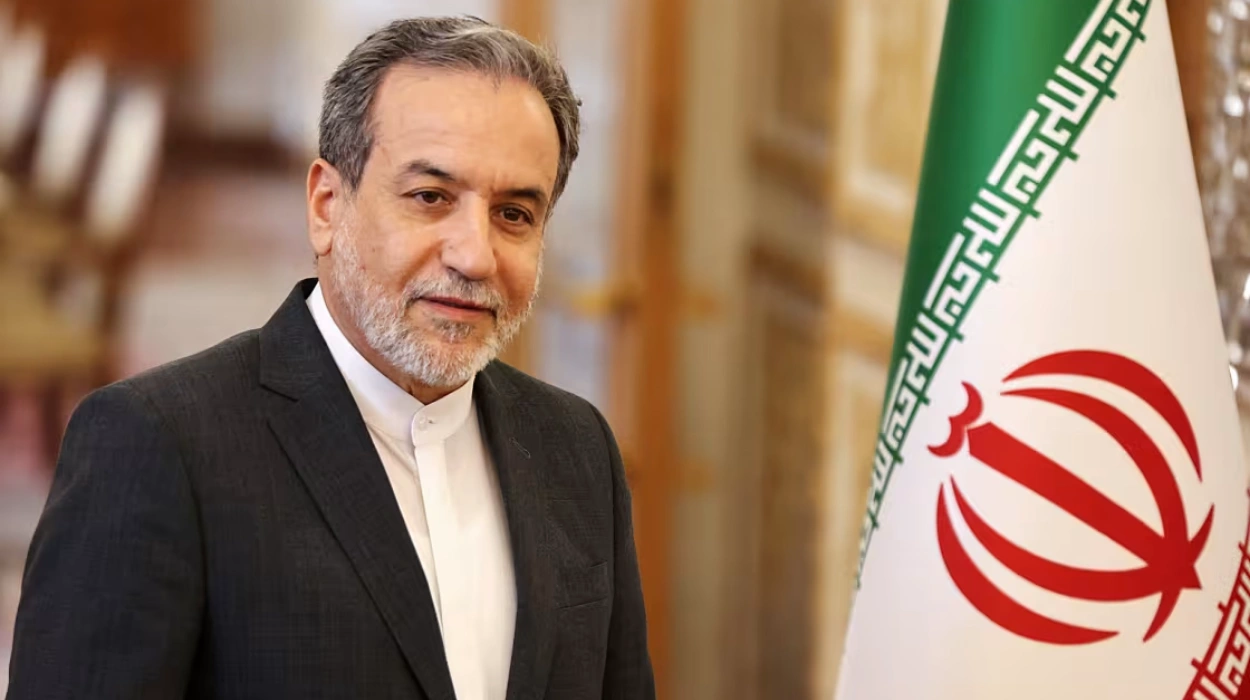
Iran’s Foreign Minister Abbas Araghchi has published official figures on
casualties and property damage from nationwide protests that began in late
December 2025. The government reports 3,117 deaths, including 2,427 civilians
and security forces, and 690 identified as terrorists. Damage affected 300
private homes, 750 banks, 414 government buildings, 749 police stations, 200
schools, and 350 mosques, among other sites.
Araghchi shared the data on social media platform X,
describing the events as mayhem from a terrorist operation. The figures respond
to comments by US Vice President JD Vance on handling US unrest. Rights groups
report higher death tolls, with HRANA citing 5,002 confirmed deaths and
thousands more under investigation.
Foreign Minister Araghchi Shares Detailed Breakdown
 Credit: Atta Kenare / AFP via Getty Images
Foreign Minister Abbas Araghchi listed extensive damage in
his X post on January 23, 2026. Affected infrastructure includes 305 ambulances
and buses, 24 gas stations, 700 convenience stores, 300 private homes, 750
banks, 414 government buildings, 749 police stations, 120 Basij centres, 200
schools, 350 mosques, 15 libraries, and two Armenian churches.
Additional damage struck 253 bus stations, 600 ATMs, and 800
private vehicles. Araghchi stated the death toll reached 3,117, with 2,427
civilians and security forces killed, and 690 classified as terrorists.
The Martyrs Foundation reported 2,427 of the fatalities as
civilians and security personnel.
Rights Groups Report Higher Casualty Numbers
The US-based Human Rights Activists News Agency (HRANA)
reported 5,002 deaths as of January 22, 2026, with 26,752 arrests and 7,391
severe injuries by the 26th day of protests.
HRANA documented 4,519 deaths, including 4,251
demonstrators, 197 security personnel, 35 minors, and 38 bystanders, with 9,049
additional cases under review.
UN special rapporteur Mai Sato cited medical reports
estimating up to 20,000 civilian deaths.
Iran International reported over 12,000 killed during the
crackdown on January 8 and 9, 2026.
Protests Originate from Economic Grievances
 Credit: specialeurasia.com
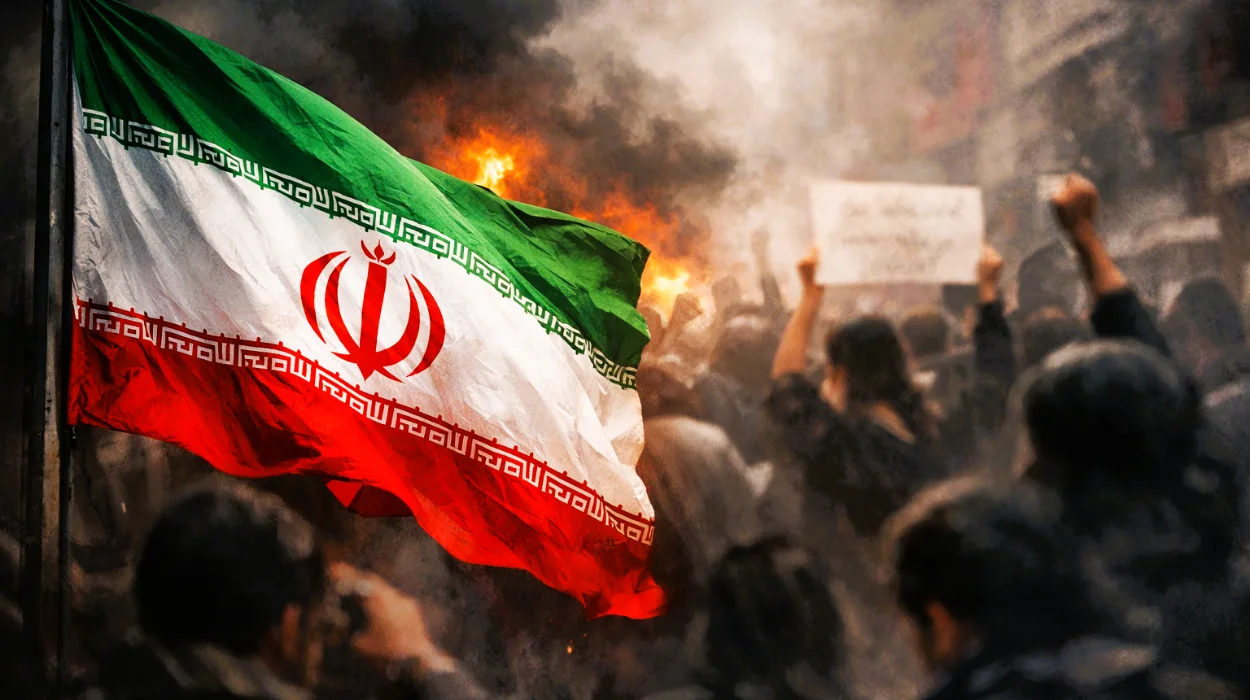
Protests erupted in late December 2025 over declining
currency value and rising living costs, initially led by shopkeepers.
The unrest expanded into broader anti-government
demonstrations, which Iranian officials labelled a terrorist operation incited
by the United States.
Security forces responded with lethal force, drawing
criticism from human rights organisations.
Government Actions During the Unrest
Iran’s National Security Council issued the first official
toll of 3,117 deaths on January 21, 2026.
Prosecutor General announced on January 21 that the sedition
had ended, vowing punishment for those responsible.
Supreme Leader Ali Khamenei stated in a January 17 speech
that several thousand people were killed during the protests.
Human Rights Reports Document Crackdown Methods
Amnesty International reported security forces used live
ammunition, tear gas, and crowd-control weapons, targeting unarmed protesters
in the head and torso.
HRW documented mass killings after protests escalated on
January 8, 2026.
Videos from Malekshahi showed IRGC agents firing from a
Basij base, killing three to four protesters instantly.
Internet Restrictions Limit Information Flow
An internet blackout began on January 8, 2026, restricting
casualty reporting for several days.
HRANA verified 483 protester deaths by January 11, with 579
under investigation.
The Center for Human Rights in Iran estimated 490 protester
deaths as of January 11.
International Reactions to Reported Figures
US Vice President JD Vance commented on US protest handling
in Minneapolis on January 22, prompting Araghchi’s response.
President Donald Trump called for US intervention in favour
of demonstrators.
Araghchi wrote in the Wall Street Journal that Iran would
respond with full force to aggression, citing restraint shown in 2024.
Casualty Estimates from Various Sources
CBS News cited activist groups estimating up to 20,000
deaths on January 13, 2026.
The Sunday Times reported 16,500 to 18,000 killed and
330,000 injured on January 17.
NewsNation sources estimated figures closer to 30,000 than
HRANA counts.
Iran International verified 4,714 adult protester deaths, 42
minors, 207 security forces, and 39 non-participants by January 22, with 9,798
under investigation.
Damage to Public Infrastructure Detailed
Araghchi’s figures included destruction to emergency
services with 305 ambulances and buses damaged.
Educational facilities saw 200 schools affected, alongside
15 libraries.
Religious sites numbered 350 mosques and two Armenian
churches impacted.
Financial infrastructure suffered with 750 banks, 600 ATMs,
and 700 convenience stores damaged.
Arrest and Injury Statistics Reported
HRANA documented 26,752 arrests by January 6, 2026.
Over 7,391 sustained severe injuries by day 26 of protests.
The Guardian reported three children killed and over 40
minors arrested in the first eight days.
Medical and Logistical Strain Described
Hospitals and morgues faced body bag shortages, storing
bodies in corridors.
No funeral ceremonies permitted in some cases, with families
pressured not to speak publicly.
Doctors provided reports to UN rapporteur estimating 20,000
civilian deaths.
Government Classification of Events
Iranian officials consistently described protests as
terrorist mayhem.
Prosecutor General declared the sedition over on January
21.
National Security Council provided the initial official
death toll.
UN and International Monitoring Efforts
 Credit: iranintl.com
UN Human Rights Council extended mandates for fact-finding
on January 23, 2026.
Special rapporteur Mai Sato updated estimates based on
internal medical sources.
Amnesty International and HRW issued reports on security
force tactics.
Timeline of Protest Escalation
Protests
began late December 2025 over economic issues.
Escalation occurred on January 8 with widespread violence.
Internet cutoff limited reporting from January 8.
Official figures released January 21-23.
Comparison of Official and Independent Counts
Government: 3,117 total deaths.
HRANA: 5,002 confirmed, 9,049 under review.
UN rapporteur: Up to 20,000 civilians.
Iran International: 12,000 on January 8-9.