
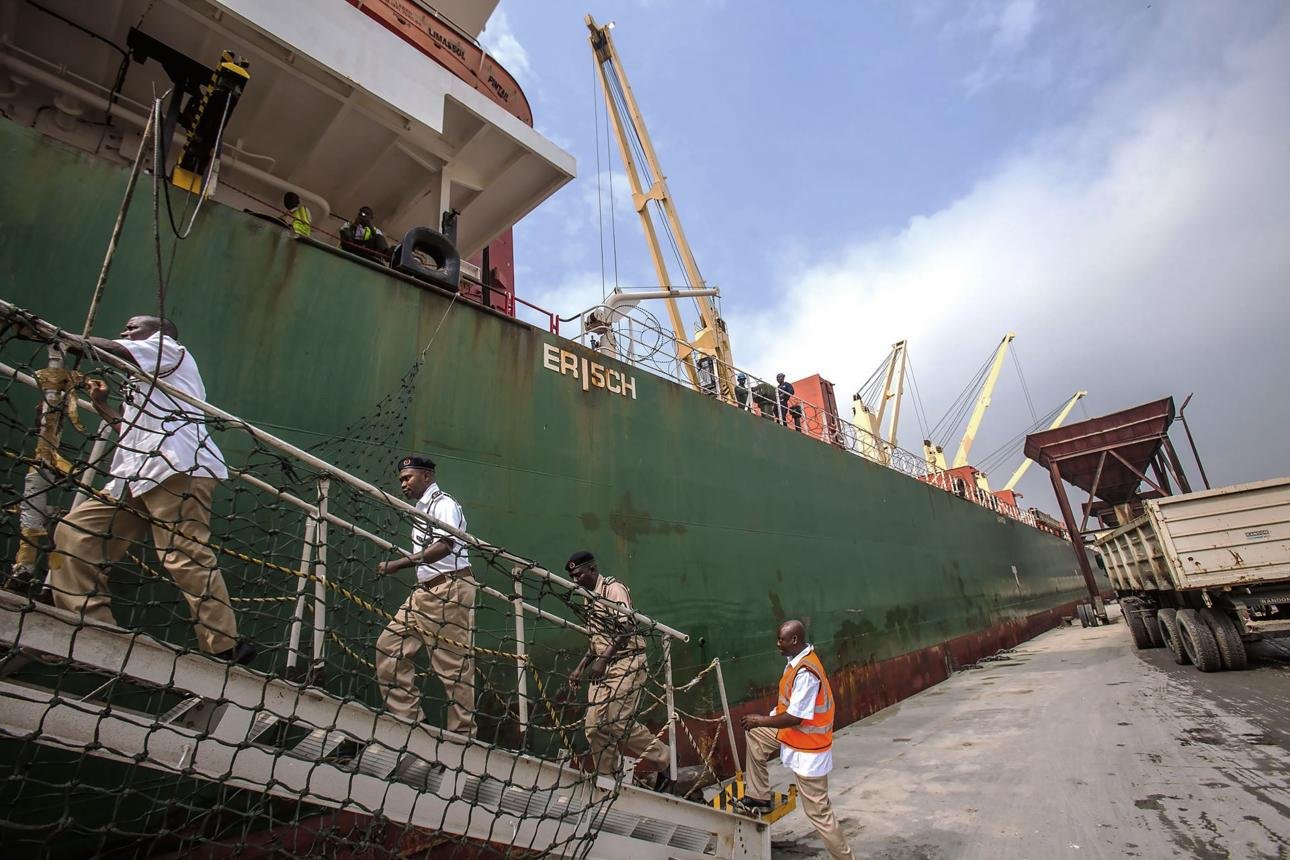

A hantavirus outbreak at sea has triggered emergency health measures aboard a commercial vessel in the Atlantic Ocean during May 2026.
Medical experts and maritime officials are racing to contain the virus while investigating sanitation and rodent exposure risks onboard.
The incident is prompting global discussions about disease prevention standards for cruise ships and cargo vessels.
ATLANTIC OCEAN, May 9, 2026 (Washington Insider Magazine) The hantavirus outbreak at sea now under international investigation has sparked urgent health alerts across the maritime industry as infectious disease specialists work to understand how the virus spread aboard a commercial vessel operating in the Atlantic shipping corridor.
The outbreak reportedly began after several crew members and passengers developed flu-like symptoms during a multi-day voyage. Initial medical evaluations reportedly failed to identify the illness immediately, allowing concerns to grow before advanced testing linked the cases to hantavirus exposure.
Health officials say the situation represents one of the first major investigations involving a possible ship-based hantavirus transmission scenario, creating concern among cruise operators, shipping companies, and port authorities worldwide.
“This incident highlights how vulnerable confined transportation systems can become when sanitation and environmental monitoring fail,” one infectious disease specialist said during a briefing on the situation.
Authorities are now monitoring exposed individuals while maritime health experts draft emergency guidance intended to prevent similar incidents from occurring in the future.
| Category | Details |
|---|---|
| Incident Type | Suspected viral outbreak aboard vessel |
| Virus Identified | Hantavirus |
| Region | Atlantic Ocean |
| Year | 2026 |
| Main Concern | Rodent contamination and confined exposure |
| Industry Impact | Maritime travel and cargo operations |
| Current Response | Medical isolation and sanitation review |
| Investigation Focus | Ventilation, waste handling, rodent exposure |
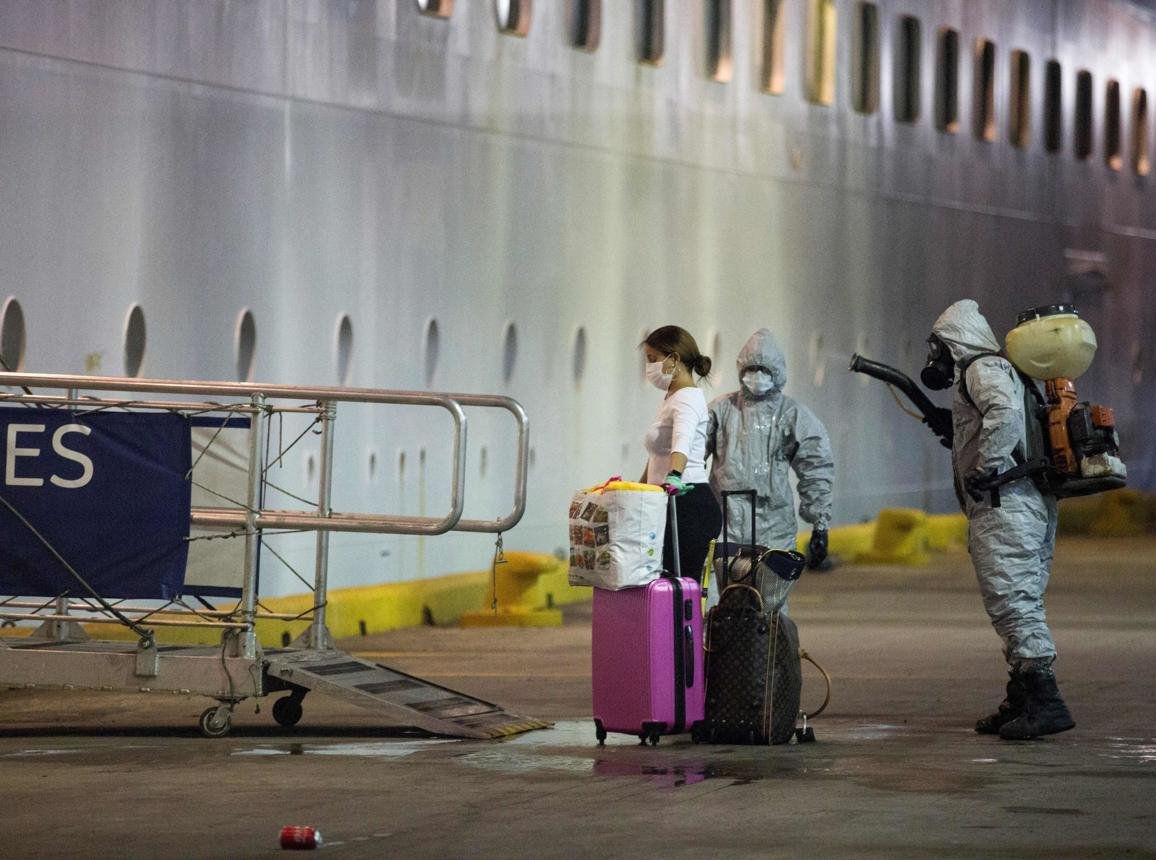
What Investigators Know About the Maritime Health Incident
The hantavirus outbreak at sea reportedly came to the attention of health authorities after onboard medical personnel noticed an increasing number of passengers and crew complaining of respiratory distress, fatigue, fever, and muscle pain.
As symptoms worsened among several individuals, emergency consultations with infectious disease specialists were initiated. Laboratory testing later identified hantavirus markers in multiple cases, leading to immediate containment measures onboard the vessel.
Investigators are now focusing on several possible contributing factors:
- Rodent contamination near food storage areas
- Improper waste management systems
- Poor airflow in lower deck compartments
- Delayed reporting of illness symptoms
- Shared crew sleeping quarters
Officials have not yet confirmed the total number of infections, but health experts believe rapid intervention likely helped prevent a more serious escalation.
Understanding How Hantavirus Spreads
Medical experts emphasize that hantavirus is most commonly linked to exposure to infected rodent urine, droppings, or saliva. People may become infected after inhaling contaminated particles in enclosed or poorly ventilated spaces.
Common symptoms include:
- Fever
- Fatigue
- Muscle aches
- Chills
- Headaches
- Shortness of breath
- Severe respiratory complications
Doctors warn that symptoms can initially resemble influenza or seasonal respiratory infections, making early diagnosis difficult.
The hantavirus outbreak at sea has generated particular concern because ships operate in confined environments where sanitation failures may create ideal conditions for contamination risks.
Health specialists say rapid identification and environmental cleanup are essential to reducing exposure.
Maritime Industry Faces Pressure to Improve Safety Standards
The developing situation is placing intense pressure on maritime operators to review sanitation procedures, pest control systems, and onboard health monitoring programs.
Several international ports have reportedly increased inspections involving:
- Food storage conditions
- Ventilation systems
- Rodent prevention programs
- Waste disposal procedures
- Crew medical reporting systems
Shipping analysts believe the outbreak could lead to significant policy changes throughout the maritime sector.
“Health preparedness is now part of operational security,”
a maritime safety consultant explained.
“Companies that fail to modernize their prevention systems may face regulatory and financial consequences.”
Industry leaders are also concerned about potential impacts on passenger confidence if travelers begin associating ships with elevated health risks.
Historical Concerns About Disease Transmission at Sea
While the hantavirus outbreak at sea represents a rare modern incident, ships have historically played major roles in the spread of infectious diseases throughout global trade history.
Centuries ago, maritime routes contributed to outbreaks involving cholera, plague, influenza, and other illnesses that spread between ports and continents. Crowded ship conditions, limited sanitation systems, and long travel durations often increased exposure risks.
Modern vessels now operate with advanced medical protocols, ventilation systems, and sanitation technologies. However, infectious disease experts say global transportation systems remain vulnerable whenever environmental contamination or delayed reporting occurs.
Researchers studying the current outbreak believe lessons learned from this incident could permanently reshape maritime disease prevention strategies worldwide.
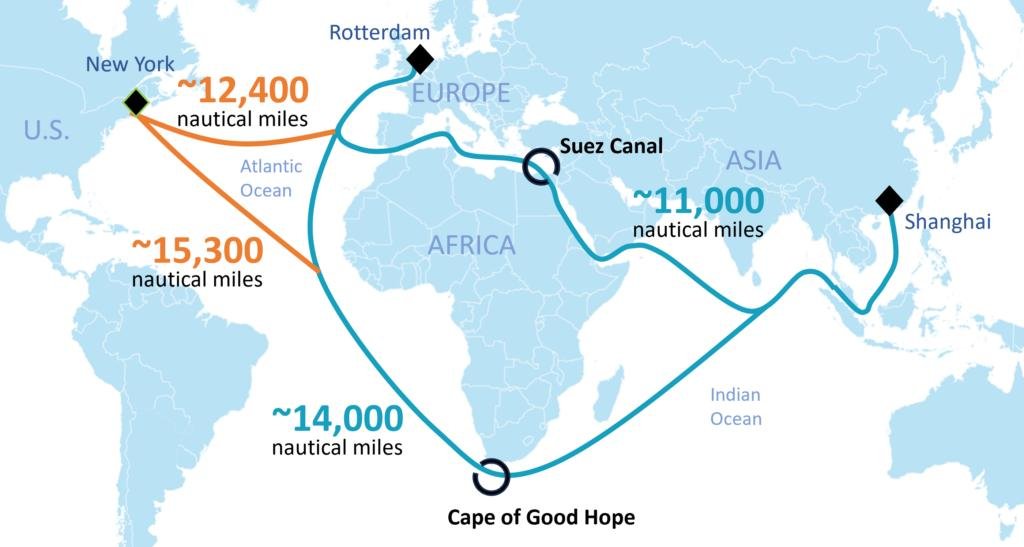
Experts Rush to Develop Emergency Maritime Guidance
Medical researchers and public health agencies are now working together to produce emergency recommendations specifically designed for ship environments.
The guidance under development may include:
Enhanced Rodent Surveillance
Shipping operators may soon be required to increase pest monitoring and prevention efforts throughout vessels.
Faster Isolation Procedures
New emergency protocols could require dedicated isolation areas for sick passengers or crew members.
Mandatory Health Reporting
Health officials are discussing systems that would require immediate reporting of unusual illness clusters onboard vessels.
Ventilation System Reviews
Experts are studying whether airflow systems contributed to contamination risks in confined ship environments.
Expanded Crew Training
Future recommendations may require additional infectious disease prevention training for maritime workers.
“The world cannot ignore health vulnerabilities tied to international transportation,”
one epidemiologist stated.
“Preparedness is now essential for global commerce.”
Public Reaction Intensifies Across Travel Industry
The hantavirus outbreak at sea has quickly become a trending topic across travel forums and social media platforms, where travelers are questioning how prepared shipping and cruise companies are for unusual health emergencies.
Travel analysts say memories of recent global health crises continue influencing consumer behavior, making transparency critically important for the maritime industry.
Some cruise operators have reportedly increased onboard cleaning procedures while reviewing emergency response plans in case additional incidents occur elsewhere.
Despite growing concerns, health officials continue emphasizing that hantavirus infections remain relatively uncommon and are typically associated with direct environmental exposure rather than widespread person-to-person transmission.
Global Ports Increase Monitoring Measures
Several ports around the world are reportedly increasing monitoring efforts following the outbreak investigation.
Authorities are focusing on:
- Incoming vessel inspections
- Crew health declarations
- Cargo sanitation reviews
- Waste management procedures
- Environmental contamination assessments
Some experts believe additional health screening measures may become standard practice for vessels traveling through major international trade routes.
Shipping companies are also expected to review contingency plans designed to manage onboard medical emergencies more effectively.
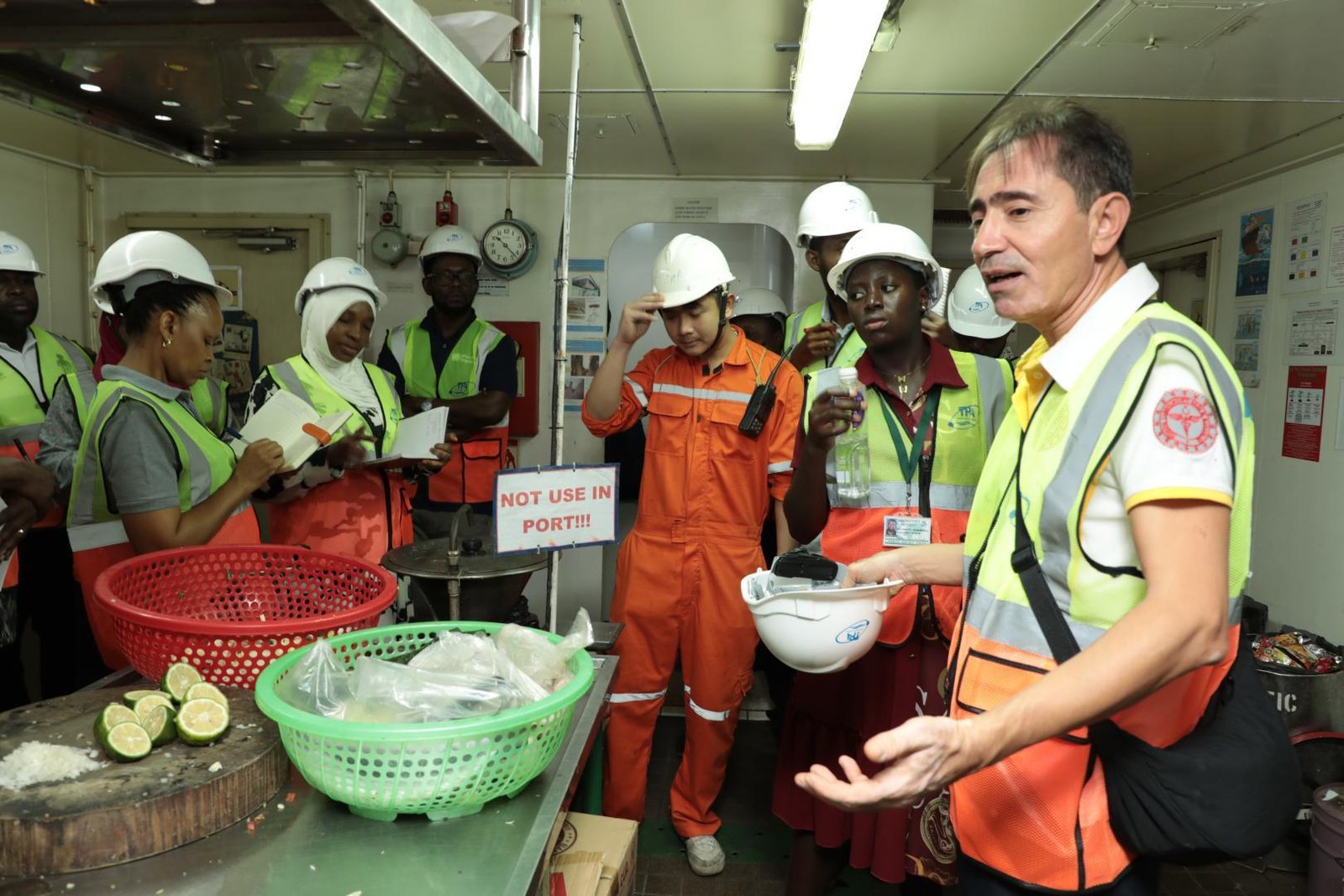
Why This Outbreak Matters to Global Transportation
The hantavirus outbreak at sea is drawing worldwide attention because it demonstrates how quickly health threats can impact interconnected transportation systems.
Modern vessels transport thousands of passengers and crew members while moving through multiple international jurisdictions. Infectious disease specialists say this creates unique challenges involving containment, communication, and emergency coordination.
The current investigation is expected to influence future regulations involving maritime sanitation, emergency preparedness, and disease reporting procedures.
Experts believe the shipping industry may soon face stricter oversight aimed at preventing future outbreaks linked to confined transportation environments.
The hantavirus outbreak at sea has rapidly evolved into a major international health concern as experts investigate how the virus may have spread aboard a commercial vessel in the Atlantic during 2026. The incident is already influencing discussions about maritime sanitation, emergency preparedness, and global transportation safety standards.
Health officials continue monitoring exposed individuals while maritime operators prepare for potential regulatory changes designed to reduce future risks. As investigators gather more information, the shipping industry faces growing pressure to strengthen disease prevention systems across international waters.
The outcome of this investigation may ultimately redefine how global maritime health emergencies are managed in the years ahead.