
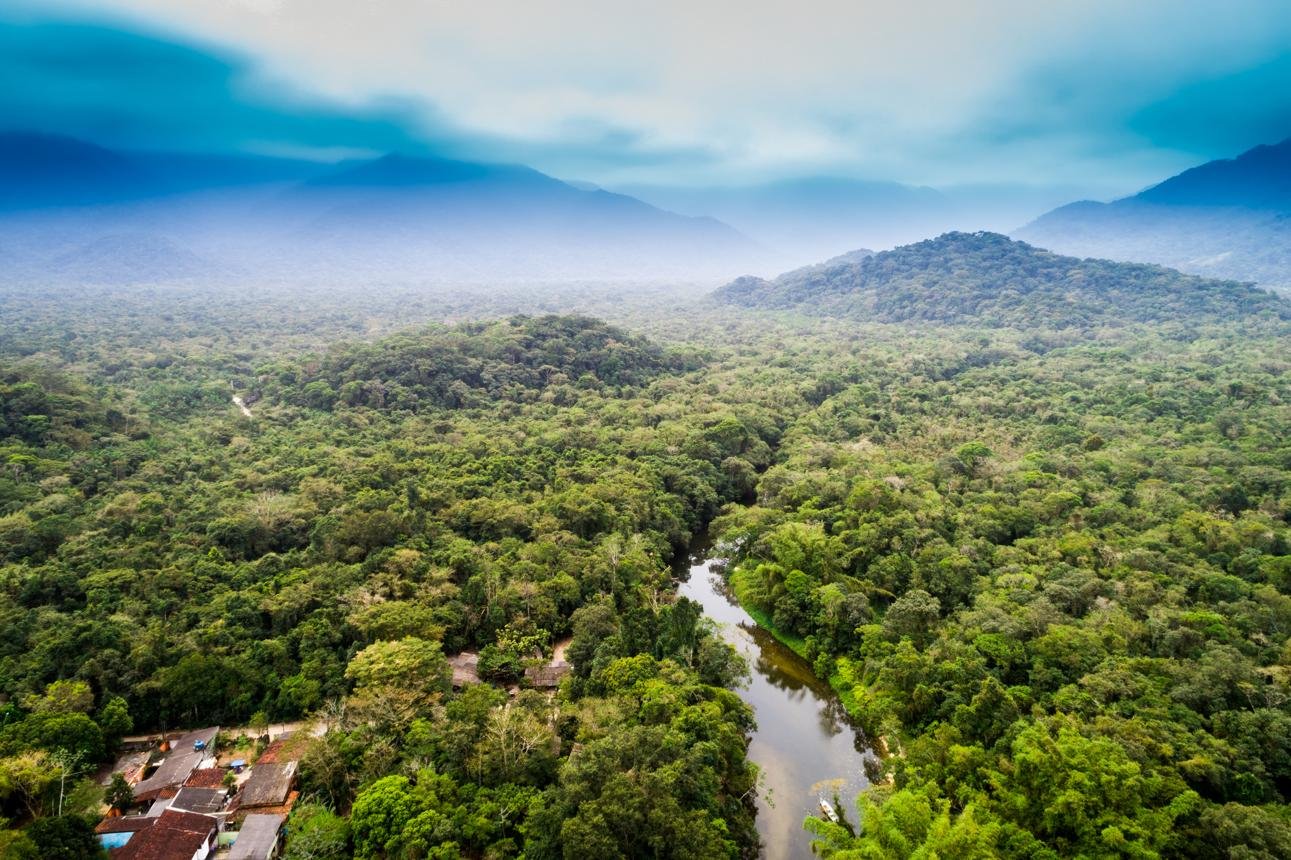

China’s changing consumer habits in 2026 are creating new discussions around Amazon rainforest recovery and global sustainability.
Experts say demand for sustainable products may reduce economic pressure linked to deforestation across South America.
Environmental analysts believe shifting trade patterns could help reshape the future of rainforest conservation.
BEIJING, China, May 9, 2026 (Washington Insider Magazine) Amazon rainforest recovery is becoming an increasingly important global topic as economists, environmental researchers, and international trade analysts monitor how changing consumer behavior in China could influence environmental conditions in South America. In 2026, sustainability trends inside China are beginning to reshape international supply chains tied to agriculture, livestock production, and deforestation-linked commodities.
The growing conversation surrounding Amazon rainforest recovery reflects broader concerns about climate change, biodiversity loss, and the long-term stability of global ecosystems. As China’s middle class expands and younger consumers increasingly favor sustainable products, experts believe these changes may help reduce pressure on industries historically connected to rainforest destruction.
“Consumer choices now influence environmental outcomes on a global scale,”
one international sustainability analyst said.
“Large economies can reshape conservation efforts simply through shifting purchasing behavior.”
Environmental organizations and economic observers are watching these developments closely because China remains one of the world’s largest importers of commodities linked to Amazon land development.
| Category | 2026 Outlook |
|---|---|
| Major Concern | Amazon deforestation |
| Key Market Influence | Chinese consumer demand |
| Environmental Impact | Reduced land-clearing pressure |
| Main Industries Affected | Beef, soybeans, timber |
| Sustainability Trend | Growing demand for eco-friendly goods |
| Climate Importance | Carbon absorption and biodiversity |
| Global Focus | Supply chain transparency |
Sustainability Awareness Expands Across China
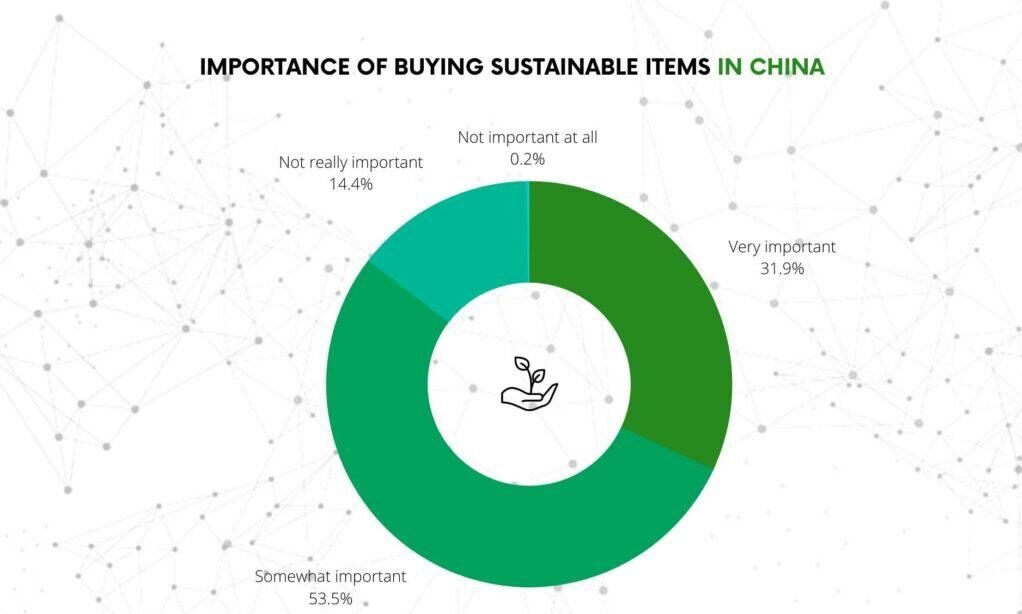
Over the last decade, sustainability awareness has grown rapidly across China’s urban centers. Younger consumers increasingly prioritize environmental responsibility when purchasing food, clothing, electronics, and imported products.
This trend is important because global commodity markets often respond directly to consumer demand. Historically, large-scale soybean farming and cattle ranching in South America expanded partly to support growing export demand from major international markets.
Now, environmental experts believe changing preferences inside China could support Amazon rainforest recovery by reducing incentives for aggressive agricultural expansion in vulnerable rainforest regions.
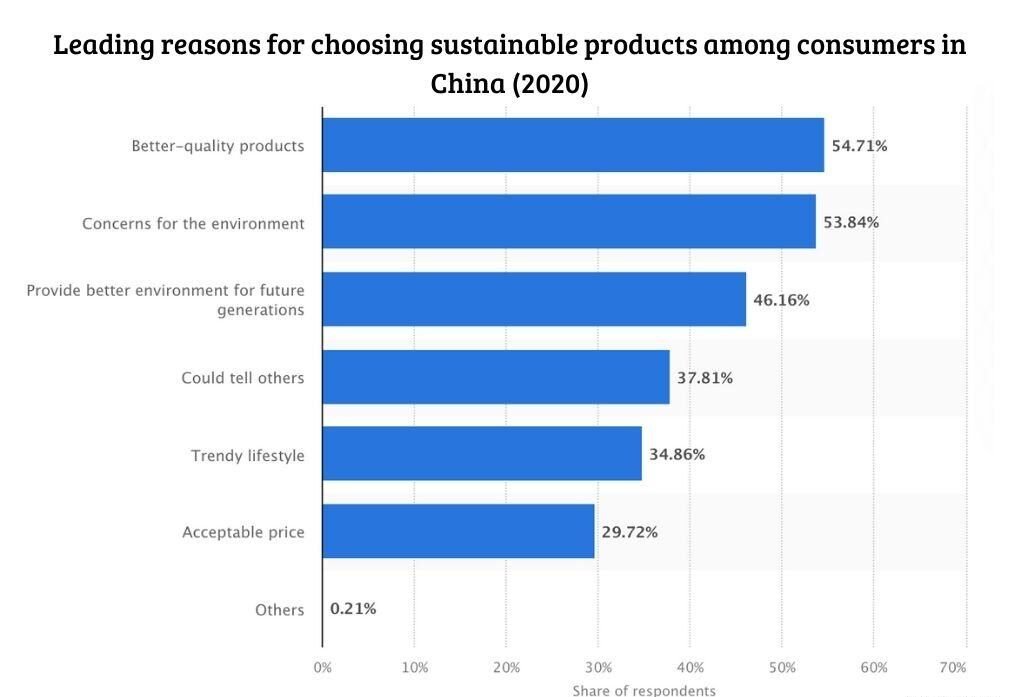
Several factors are driving this transition:
- Increased awareness of climate change
- Health-conscious dietary trends
- Government sustainability campaigns
- Social media discussions about environmental issues
- Demand for ethically sourced products
Retailers and food suppliers are increasingly marketing environmentally responsible goods to attract younger consumers.
Why the Amazon Rainforest Matters Globally
The Amazon rainforest remains one of the most critical environmental systems on Earth. Scientists often describe the region as essential for regulating global climate patterns, storing carbon dioxide, and preserving biodiversity.
The rainforest supports millions of plant and animal species while helping stabilize weather conditions throughout South America and beyond.
Environmental researchers warn that continued deforestation threatens:
- Rainfall systems
- Agricultural productivity
- Global climate stability
- Freshwater supplies
- Wildlife habitats
As a result, Amazon rainforest recovery has become a central issue in international environmental discussions.
“The Amazon is not just a regional issue anymore,”
one climate researcher explained.
“Its future affects the entire world economy and global climate system.”
History of Global Demand and Amazon Expansion
For decades, international demand for agricultural exports contributed to increased development inside Amazon regions. Growing consumption of beef, soybeans, and timber created strong economic incentives for land clearing.
China’s rapid industrial growth and expanding population significantly increased commodity imports during the early 2000s and 2010s. South American producers responded by expanding agricultural operations, sometimes at the expense of rainforest ecosystems.
Environmental groups repeatedly warned that uncontrolled expansion risked long-term ecological damage.
Today, however, the conversation is beginning to shift toward sustainability and environmental accountability. Analysts say this transformation may help encourage Amazon rainforest recovery over time.
Food Consumption Patterns Are Beginning to Change
One of the most important developments involves changing dietary habits among younger Chinese consumers.
While meat consumption remains significant overall, analysts say growth rates have slowed compared to previous decades. Plant-based foods and environmentally conscious meal options are becoming increasingly visible across major Chinese cities.
Restaurants and grocery chains are adapting to new consumer preferences by promoting:
- Plant-based alternatives
- Sustainable sourcing practices
- Organic products
- Environmentally friendly packaging
Because cattle ranching remains one of the leading causes of Amazon deforestation, experts believe these dietary shifts could eventually support Amazon rainforest recovery by reducing demand pressures tied to land clearing.
“Small behavioral changes across a massive population can create enormous environmental consequences,”
one market strategist said.
Technology and Social Media Shape Environmental Awareness
China’s advanced digital economy is also accelerating sustainability discussions.
Consumers now receive more information about product origins, supply chains, and environmental impacts through social media platforms and e-commerce applications.
Online influencers frequently discuss:
- Carbon footprints
- Sustainable farming
- Eco-friendly lifestyles
- Climate responsibility
- Ethical manufacturing
This digital transparency is increasing pressure on companies to improve sourcing standards and environmental reporting.
Many businesses now view sustainability branding as an essential competitive advantage rather than simply a public relations strategy.
Experts believe this shift may contribute to stronger international support for Amazon rainforest recovery initiatives.
International Companies Face New Expectations
Global corporations operating in China are also adjusting to rising sustainability expectations.
Investors, regulators, and consumers increasingly demand transparency regarding supply chains connected to deforestation risks.
Companies linked to environmental controversies may face:
- Reputation damage
- Investor pressure
- Consumer backlash
- Regulatory scrutiny
- Trade restrictions
As a result, businesses are investing more heavily in traceability systems designed to verify sustainable sourcing practices.
This trend is reshaping how agricultural commodities move through global markets.
Environmental Policies Continue Expanding Worldwide
Governments around the world are introducing stricter environmental standards tied to trade and resource development.
China has increased investments in renewable energy, electric transportation, and carbon reduction programs while publicly supporting climate-related initiatives.
Although environmental challenges remain significant, analysts say sustainability is becoming more integrated into long-term economic planning.
International cooperation between governments, corporations, and consumers may play a major role in supporting Amazon rainforest recovery during the next decade.
“Environmental sustainability is now part of economic strategy,”
one international policy adviser stated.
“That shift could redefine global trade priorities.”
Major Challenges Still Threaten Rainforest Stability
Despite encouraging trends, environmental experts warn that serious risks remain.
Illegal logging, mining operations, infrastructure expansion, and agricultural development continue threatening large areas of the Amazon rainforest.
Several obstacles complicate conservation efforts:
- Weak regional enforcement
- Political instability
- Illegal land occupation
- Global commodity demand
- Economic pressures on local communities
Experts caution that Amazon rainforest recovery will require long-term international cooperation rather than relying solely on consumer behavior changes.
Still, many researchers believe evolving global consumption patterns represent one of the most important economic shifts influencing conservation efforts today.
Global Markets Are Entering a Sustainability Era
International supply chains are changing rapidly as businesses respond to consumer expectations surrounding environmental responsibility.
Companies increasingly recognize that sustainability concerns influence purchasing decisions, investor confidence, and long-term profitability.
China’s massive consumer market gives it extraordinary influence over global trade systems. Even moderate shifts in consumer demand can reshape industries connected to agriculture and land development.
For environmental advocates, these evolving trends offer cautious optimism regarding the future of rainforest protection.
Amazon rainforest recovery remains one of the world’s most important environmental challenges in 2026. As sustainability awareness expands across China and global markets evolve, experts believe changing consumer habits may gradually reduce some economic pressures contributing to deforestation.
Although significant challenges remain, environmental analysts say rising demand for sustainable products, ethical sourcing, and transparent supply chains could reshape the future of rainforest conservation. Governments, businesses, and consumers are expected to play critical roles in determining whether the Amazon rainforest moves closer toward long-term stability and environmental recovery.