
- Parliamentary
Work Plan Update: Azerbaijani Milli Majlis Committee on International
Relations included measures to enhance ties with US Congress in its 2026
spring session agenda. - Strategic
Partnership Foundation: Initiative follows elevation of Azerbaijan-US
relations to strategic level via documents signed in Washington on 8
August 2025, covering energy, defence, and trade. - Interparliamentary
Mechanisms: Ties supported by Azerbaijan-US working group since 1997 and
US Congress Azerbaijan Caucus since 2004, with recent high-level visits. - Recent
Diplomatic Engagements: US delegations met President Aliyev in January
2026 to discuss Section 907 repeal, peace processes, and cooperation in
economy and security. - Broader
Global Outreach: Plan also targets EU, Turkic States, Non-Aligned
Movement, and Islamic Cooperation parliaments alongside US focus.
Baku (Washington Insider Magazines) – 21 January 2026 –
The Azerbaijani parliament has included measures to enhance engagement with the
United States Congress in its Committee on International Relations work plan
for the 2026 spring session. This initiative follows the elevation of
Azerbaijan-US relations to strategic partnership status after documents signed
in Washington on 8 August 2025. Lawmakers aim to foster closer bilateral
cooperation through targeted interparliamentary efforts.
The Milli Majlis Committee on International Relations and
Inter-Parliamentary Ties approved the plan during a recent meeting. Azerbaijani
lawmakers cited the historic Washington agreements as a foundation for expanded
ties. The measures seek to strengthen political, economic, and defence
relations between the two nations.
Committee Work Plan for Spring 2026 Session
 Credit: UNDP/PAPP image Bank
The committee’s agenda incorporates specific actions to
boost cooperation with the US Congress. These include organising exchanges and
joint initiatives to align parliamentary priorities. The plan reflects
Azerbaijan’s broader diplomatic strategy amid evolving regional dynamics.
Additional priorities involve improving ties with the
European Union-Azerbaijan Cooperation Council. Lawmakers emphasised reinforcing
links with Organisation of Turkic States parliaments, stating that the Turkic
world constitutes their family. Engagement with the Non-Aligned Movement
Parliamentary Network and Parliamentary Union of the Organisation of Islamic
Cooperation will also advance.
Recent Elevation of Azerbaijan-US Strategic Partnership
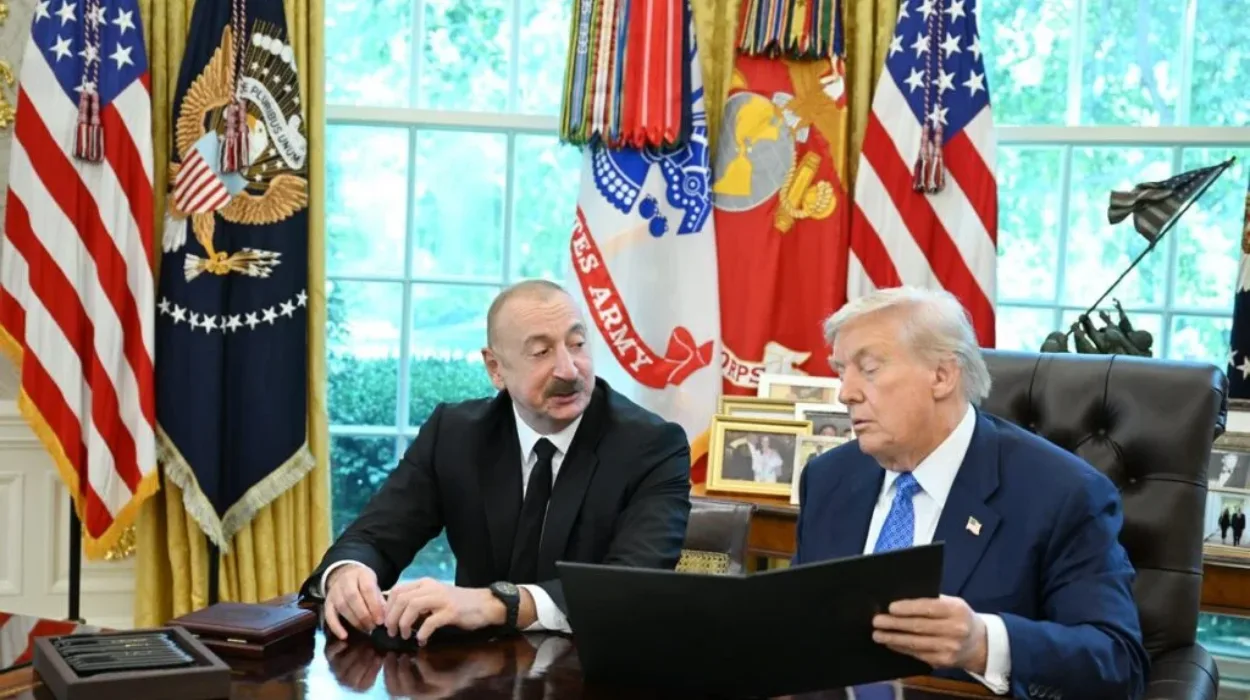 Credit: thediplomaticinsight.com
Relations between Azerbaijan and the US reached strategic
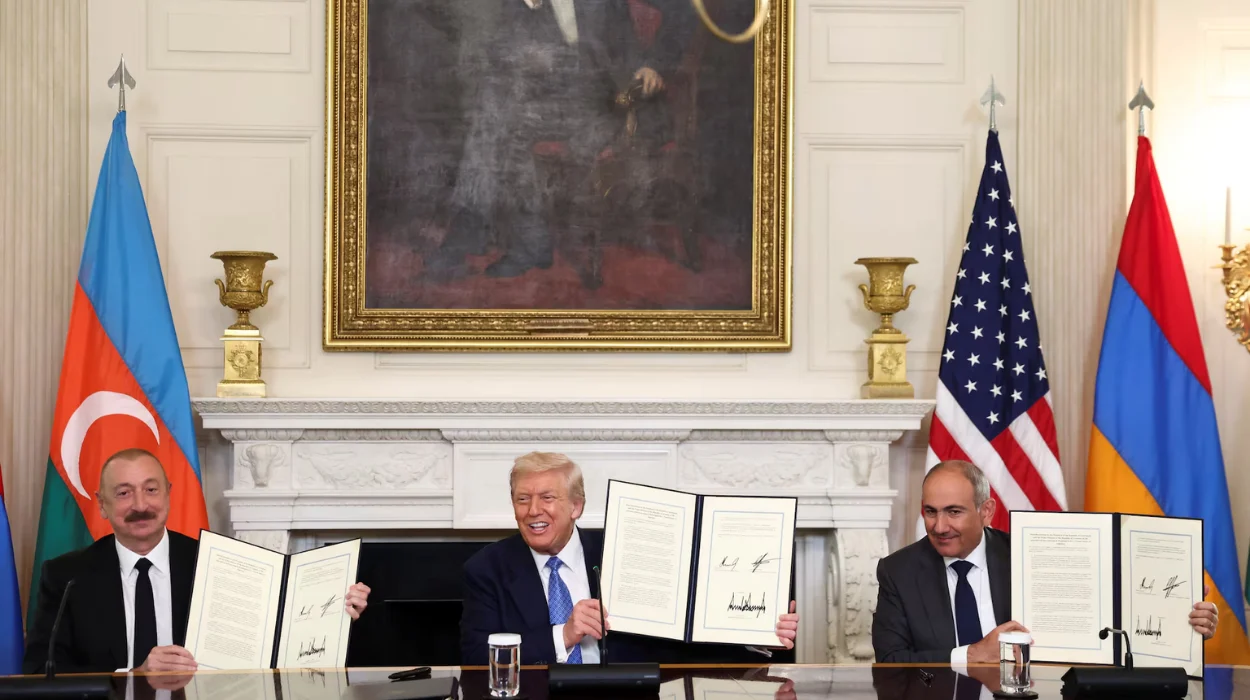
partnership level following a White House summit on 8 August 2025. Participants
signed a Memorandum of Understanding establishing a Strategic Working Group.
The document covers regional connectivity, energy, trade, transit, economic
investment, artificial intelligence, digital infrastructure, defence, arms
sales, and counterterrorism.
To date, the two countries have concluded 86 bilateral
documents across various fields. This partnership lays groundwork for increased
US technology and investments into Azerbaijan and the region. Parliamentary
cooperation forms a key pillar of these developments.
Established Interparliamentary Mechanisms
Interparliamentary engagement has operated
since 1997 through a working group on Azerbaijan-US relations within the Milli
Majlis, chaired by Samad Seyidov. The US Congress hosts the Azerbaijan Caucus
since 2004, co-chaired by Representatives Steve Cohen (D-TN) and Robert
Aderholt (R-AL). These structures facilitate ongoing dialogue.
Recent visits underscore active exchanges. A US
congressional delegation led by Senator Markwayne Mullin met President Ilham
Aliyev, discussing security and defence. On 4 January 2026, Aliyev received
another US delegation in Baku, addressing bilateral relations, Section 907 of
the Freedom Support Act, peace processes, trade, and future cooperation.
Key Discussions in Recent US-Azerbaijan Meetings
During the January meeting, President Aliyev stated that
Section 907 does not match current bilateral levels and welcomed its suspension
by the US President. He expressed hope for congressional efforts towards its
full repeal. Both sides highlighted positive relation developments and
opportunities in political, economic, energy, defence, education, and IT
sectors.
An Azerbaijani delegation visited the US in November 2025,
meeting US State Department officials, Congress members, think tanks, and
Jewish organisations. Discussions covered bilateral dynamics post-Washington
summit, Section 907 repeal, and regional peace with Armenia. The group briefed
on South Caucasus developments and innovations.
Broader Diplomatic Engagements and Regional Context
Azerbaijan maintains institutional parliamentary ties
globally. On 12 January 2026, the Federal National Council of the UAE and Milli
Majlis discussed cooperation under a memorandum for institutional exchanges.
Such efforts enhance technical and administrative links.
US-Azerbaijan diplomatic relations began on 28 February
1992, evolving into multifaceted cooperation. Recent summits, including one
with Armenian Prime Minister Nikol Pashinyan, advanced regional interests.
Azerbaijan’s non-aligned status and Turkic focus shape its parliamentary
outreach.
Historical Background of Bilateral Relations
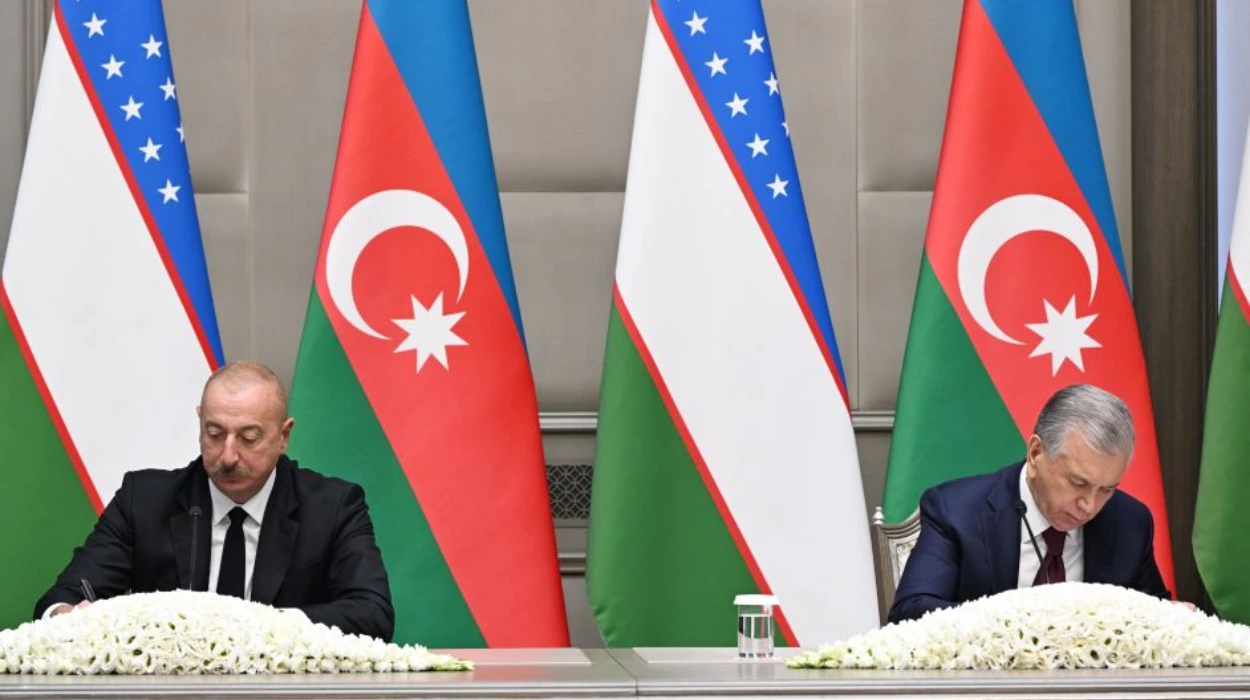 Credit: azernews.az
Since independence, Azerbaijan and the US have built ties in
politics, economy, and security. The 2004 Azerbaijan Caucus and 1997 working
group institutionalised parliamentary links. Energy cooperation remains
central, with Azerbaijan supplying Europe via pipelines.
Challenges like Section 907, restricting US aid unless
waived, have persisted but face repeal pushes. Bipartisan efforts in Congress,
including the Armenia Security Partnership Act, reflect ongoing debates.
Azerbaijan’s post-2020 Karabakh recovery influences its diplomacy.
Implications for Future Interparliamentary Ties
The spring 2026 plan positions the Milli Majlis to
operationalise strategic partnership gains. Targeted measures with US Congress
aim at mutual priorities in defence and trade. This aligns with Azerbaijan’s
multi-vector foreign policy.
Ongoing visits and roundtables sustain momentum. The
committee’s comprehensive agenda ensures balanced global engagement.
Developments follow closely after key 2025 milestones.