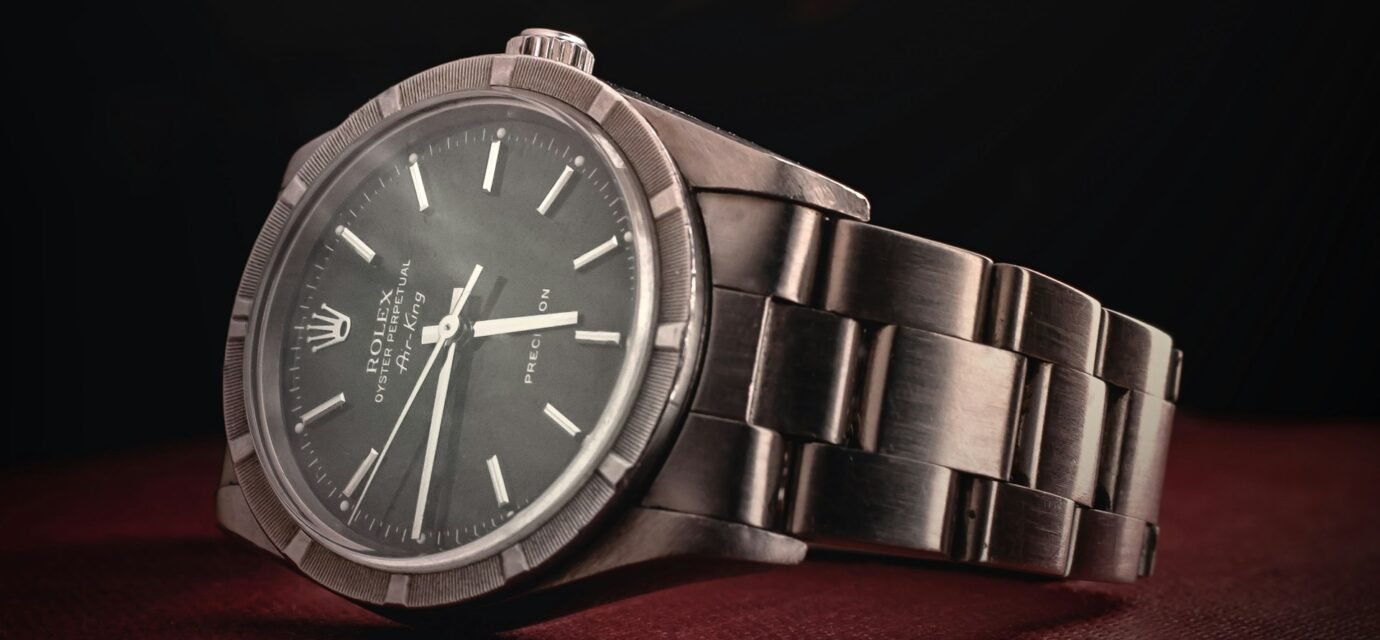

Geneva, Switzerland, 12 June 2026 (Washington Insider Magazine) Rolex investment watches are once again in the spotlight after Rolex raised prices on several gold models, reinforcing the strength of the luxury watch market despite broader economic uncertainty. The latest increase highlights a trend that has become familiar to collectors and affluent consumers: demand for premium Rolex timepieces remains resilient even as ownership becomes more expensive.
The Swiss watchmaker has built a reputation for combining exclusivity, craftsmanship, and long-term value. While price increases might slow sales in many industries, the luxury watch sector continues to show a different pattern. High-net-worth buyers remain active, particularly in the market for precious-metal models that are often viewed as both luxury accessories and collectible assets.
Gold Models Remain Among the Most Sought-After
Rolex’s latest pricing adjustments primarily affect gold watches, including some of the brand’s most recognizable collections. Analysts say higher precious-metal costs and sustained consumer demand have contributed to the decision.
Gold prices have remained elevated in recent years, increasing manufacturing expenses for luxury brands that rely heavily on precious metals. However, Rolex has demonstrated an ability to pass those costs on to consumers without significantly affecting demand.
Many buyers are willing to absorb higher prices because ownership of a Rolex extends beyond traditional consumer spending. For many collectors, a Rolex represents prestige, heritage, and long-term desirability.
Why Wealthy Consumers Keep Buying
Luxury spending patterns often differ from those seen in the broader economy. While inflation and higher interest rates can influence everyday purchases, affluent consumers typically have greater financial flexibility.
This has allowed premium brands such as Rolex to maintain strong sales momentum. Demand continues to be supported by a growing global population of wealthy consumers, particularly in North America, the Middle East, and Asia.
Industry experts note that exclusivity also plays a major role. Limited production, waiting lists, and controlled distribution help maintain the perception of scarcity, which can increase buyer interest rather than reduce it.
Rolex Watches Gain Attention as Alternative Assets
Another factor driving demand is the growing popularity of Rolex investment watches among collectors and investors. Certain models have demonstrated strong value retention over time, attracting buyers who see luxury watches as alternative assets.
Although watch values can fluctuate, many collectors believe premium Rolex models offer a combination of enjoyment and potential long-term value. This perception has expanded the audience beyond traditional enthusiasts to include investors seeking diversification.
One luxury market analyst recently stated:
“Rolex remains one of the strongest names in luxury goods because buyers continue to view many models as both personal luxury items and long-term stores of value.”
That confidence has helped support demand even during periods of economic uncertainty.
Limited Supply Strengthens Pricing Power
Rolex continues to carefully manage production levels while maintaining strict quality standards. As a result, supply often remains below demand for many popular references.
This imbalance gives the company considerable pricing power. Buyers frequently encounter waiting lists at authorized dealers, while some sought-after models trade at premiums in secondary markets.
The combination of limited availability and strong brand recognition has allowed Rolex to maintain its position at the top of the luxury watch industry.
Luxury Market Shows Continued Strength
The latest price increase serves as another indication that the global luxury sector remains resilient. Premium brands continue benefiting from strong demand among affluent consumers who prioritize quality, exclusivity, and craftsmanship.
For Rolex, the ability to raise prices while retaining customer interest reflects the enduring appeal of its products. As long as demand remains robust and supply stays limited, many analysts expect the brand to remain a dominant force in the luxury watch market.