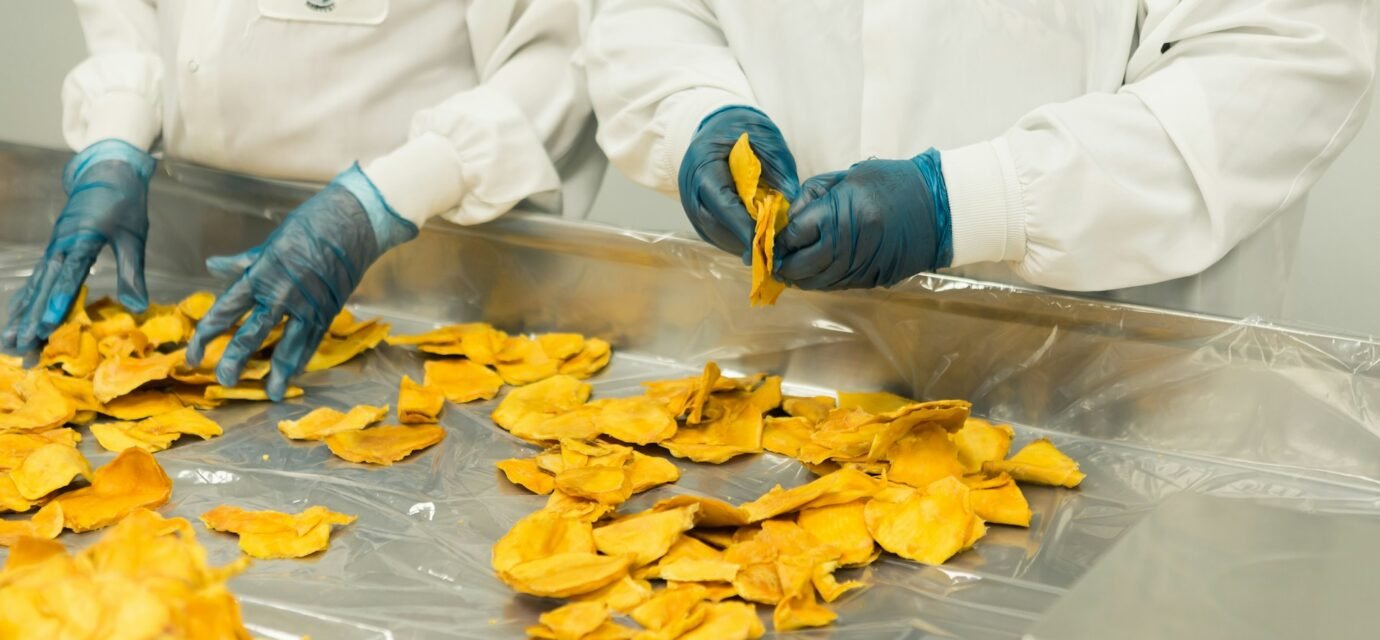

NEW DELHI, India, 12 June 2026 (Washington Insider Magazine) food safety standards have returned to the spotlight following renewed discussions about product quality and consumer protection in the packaged food sector. Recent concerns involving food products have prompted companies and regulators to emphasize the importance of manufacturing controls, quality assurance programs, and supply chain monitoring designed to protect consumers.
The issue highlights how food safety remains one of the most important responsibilities for manufacturers operating in highly competitive consumer markets. Companies are under growing pressure to maintain transparency while ensuring products meet regulatory requirements and consumer expectations.
Industry experts note that food safety concerns can quickly attract public attention because consumers place significant trust in the brands they purchase regularly.
Why Quality Control Starts Before Products Reach Shelves
Food safety begins long before products arrive in stores. Manufacturers typically implement multiple layers of inspection during production, packaging, storage, and distribution. These procedures are designed to identify potential issues before products reach consumers.
Modern food production facilities often rely on automated systems, laboratory testing, and routine inspections to monitor quality. Raw ingredients are frequently evaluated before entering production lines, while finished products may undergo additional reviews before shipment.
These safeguards are intended to reduce risks and help ensure products meet both company standards and regulatory requirements.
Consumer Expectations Continue to Rise
Consumers today have greater access to information than ever before. Social media platforms, online reviews, and digital news sources allow product concerns to spread rapidly, increasing public awareness of food safety issues.
As a result, companies are expected to respond quickly and provide clear explanations whenever questions arise. Brand reputation can be influenced significantly by how organizations communicate during periods of public scrutiny.
Industry analysts say transparency has become almost as important as product quality itself when maintaining consumer trust.
Regulators Play an Important Oversight Role
Government agencies responsible for food safety continue monitoring compliance across the industry. Regulatory frameworks require manufacturers to follow established procedures regarding production, labeling, packaging, and quality management.
Regular inspections and compliance reviews help ensure that food products entering the market meet required standards. These oversight measures are intended to protect consumers while supporting confidence in the broader food supply system.
Businesses that operate within regulated industries often invest heavily in compliance programs to maintain high operational standards.
Supply Chains Face Growing Scrutiny
Food safety extends beyond manufacturing facilities. Storage conditions, transportation systems, and retail handling practices can all influence product quality. Companies therefore increasingly monitor supply chains to ensure standards are maintained throughout the distribution process.
Advances in tracking technology have improved visibility across supply networks, allowing businesses to identify potential issues more quickly. These systems have become an important component of modern quality assurance strategies.
One food industry expert recently said,
“Consumer confidence depends on consistent quality controls throughout every stage of the food supply chain.”
The statement reflects the growing recognition that food safety requires coordination across multiple parts of the production and distribution process.
Trust Remains the Industry’s Most Valuable Asset
For food manufacturers, maintaining consumer trust remains a top priority. Product quality concerns can have long-term consequences if not addressed effectively. Companies therefore continue investing in testing procedures, employee training, monitoring systems, and communication strategies designed to protect brand credibility.
As consumer awareness grows and regulatory oversight continues evolving, food safety standards are expected to remain a major focus across the global food industry. The latest discussions serve as a reminder that maintaining product quality is essential not only for regulatory compliance but also for preserving public confidence in the brands consumers rely on every day.