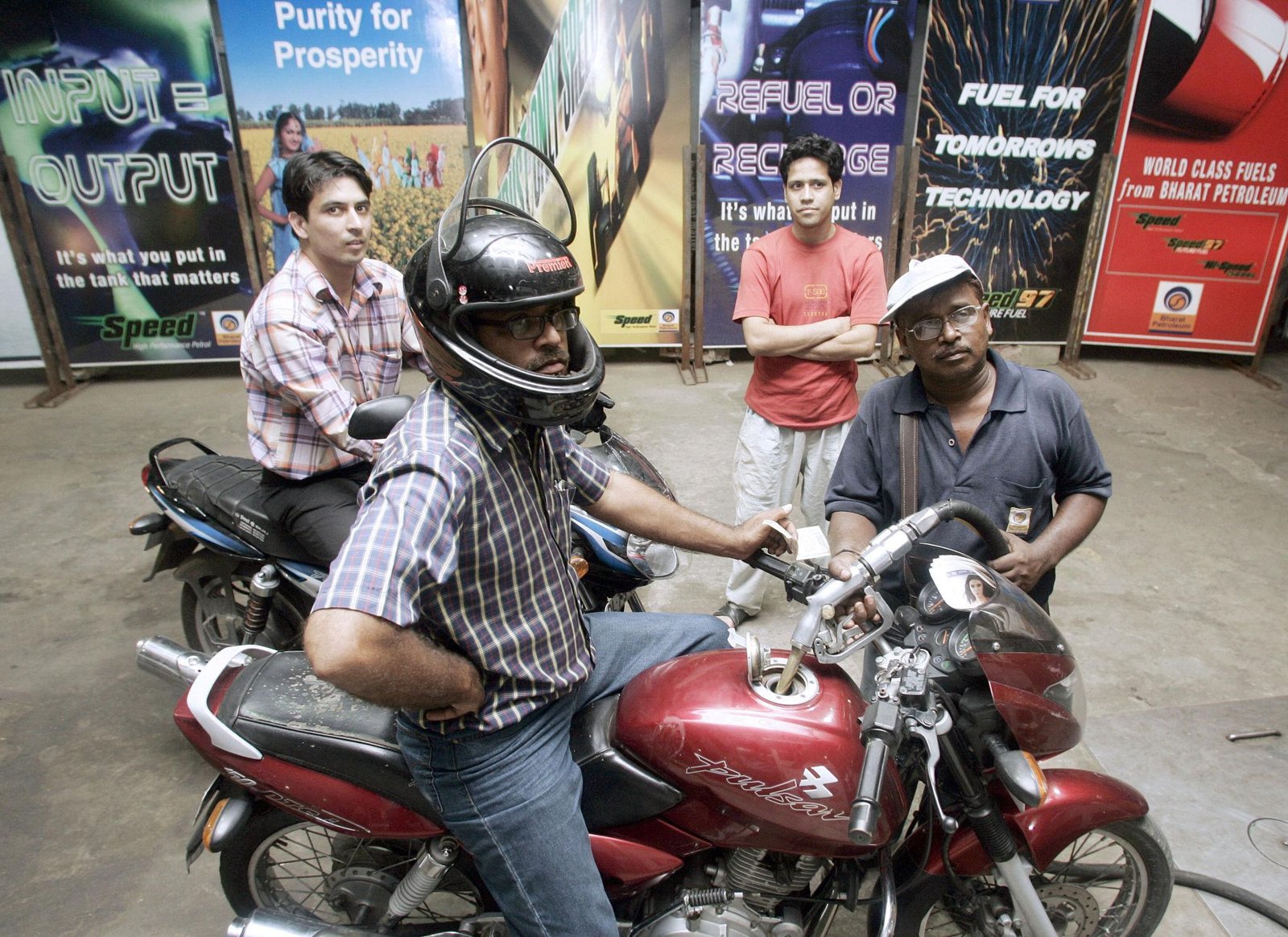

NEW DELHI, India – May 11, 2026 (Washington Insider Magazine) Modi economic warning discussions intensified across financial and political circles after Indian Prime Minister Narendra Modi urged citizens and industries to reduce unnecessary fuel consumption, limit foreign spending, and cut dependence on imports to protect India’s foreign exchange reserves during a period of rising global economic uncertainty.
The comments come as India faces growing pressure from volatile oil markets, geopolitical instability, rising energy costs, and currency fluctuations affecting economies worldwide. Analysts say the statement reflects broader concerns inside the Indian government about maintaining economic stability while continuing rapid national growth.
Government officials stressed that protecting forex reserves remains essential for economic resilience in one of the world’s fastest-growing economies.
“Every dollar saved through smarter consumption strengthens the nation’s economic security,”
one financial strategist said following the announcement.
India’s Fuel Dependency Continues Pressuring National Finances
India remains heavily dependent on imported crude oil to support transportation, manufacturing, aviation, and industrial operations. As international oil prices fluctuate, the country’s import bill can increase sharply, placing additional pressure on foreign exchange reserves.
The Modi economic warning has therefore become part of a larger discussion surrounding:
- Fuel conservation
- Import reduction
- Economic self-reliance
- Currency stability
- Energy efficiency
Economic experts say reducing unnecessary fuel consumption could help lower the financial burden caused by international energy purchases.
India imports millions of barrels of crude oil every day, making global market shifts extremely important to national financial planning.
Government Encourages Smarter Spending Habits
Officials emphasized that the current strategy focuses on encouraging disciplined consumption rather than imposing strict restrictions.
Citizens and businesses are being encouraged to:
- Reduce unnecessary travel
- Improve fuel efficiency
- Support domestic industries
- Limit avoidable foreign spending
- Adopt energy-saving practices
The Modi economic warning also reflects growing global concern about balancing economic expansion with financial sustainability during uncertain international conditions.
Many analysts believe even small nationwide reductions in fuel usage could save billions in foreign exchange costs over time.
“Energy conservation is no longer only an environmental issue,”
one Mumbai economist said.
“It is now directly connected to national financial stability.”
Import Reduction Gains National Attention
The government’s message also included renewed emphasis on reducing dependence on imported products whenever possible.
India has increasingly promoted domestic manufacturing programs aimed at strengthening local industries and reducing reliance on foreign supply chains.
Industries receiving major investment include:
- Electronics manufacturing
- Renewable energy production
- Automobile production
- Technology development
- Industrial equipment
Officials believe expanding domestic manufacturing can help improve economic resilience while preserving valuable foreign exchange reserves.
However, economists warn that reducing imports too quickly could create inflation pressure if domestic production fails to keep pace with demand.
History of India’s Forex Challenges
Economic Pressures Previously Tested India’s Financial Stability
India has experienced several periods in modern history where protecting foreign exchange reserves became a national priority.
During previous economic downturns, rising oil prices and global financial instability created challenges including:
- Currency depreciation
- Inflation increases
- Trade deficits
- Import cost surges
Over time, India strengthened reserve management strategies and implemented reforms designed to improve financial resilience.
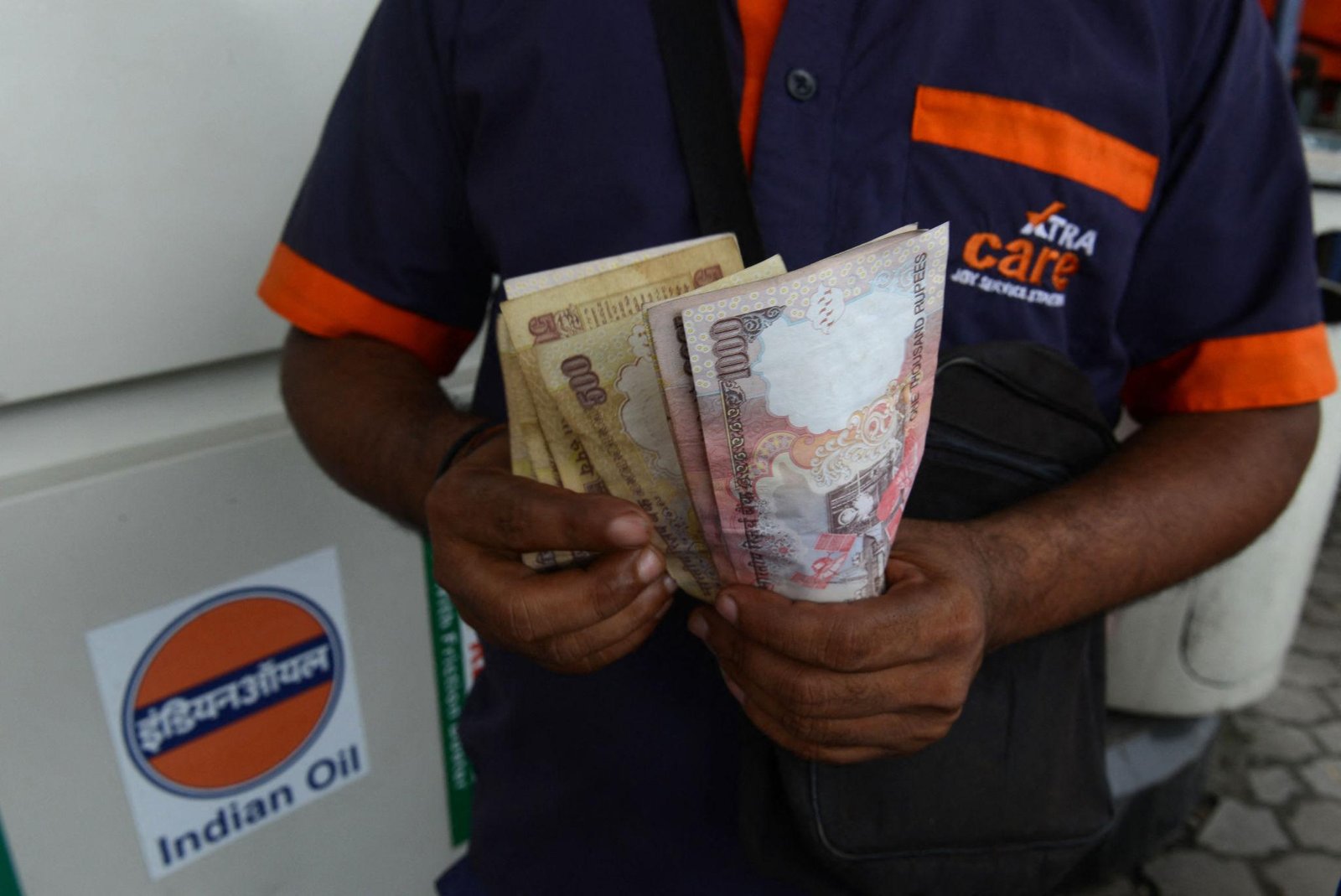
Today, India holds one of the world’s largest forex reserve systems, but international energy volatility continues influencing economic policy decisions.
The Modi economic warning reflects lessons learned from past financial pressures and the importance of maintaining economic flexibility during uncertain global conditions.
Rising Oil Prices Create Additional Pressure
Global oil prices remain highly sensitive to geopolitical conflicts, shipping disruptions, and supply chain instability.
India’s rapidly growing economy continues increasing energy demand each year through:
- Urban expansion
- Industrial growth
- Airline traffic
- Vehicle ownership
- Infrastructure development
Energy experts believe India must accelerate renewable energy investments and electric vehicle adoption to reduce long-term dependency on imported fuel.
The government has already expanded investments in:
- Solar energy
- Wind power
- Electric transportation
- Battery production
Many analysts believe future economic stability may depend heavily on energy diversification.
Businesses React to Economic Concerns
Corporate leaders across transportation, logistics, manufacturing, and aviation sectors are monitoring the Modi economic warning closely.
Some companies have already begun increasing focus on:
- Remote work strategies
- Fleet fuel efficiency
- Renewable energy usage
- Supply chain optimization
Financial markets are also watching whether the government introduces additional conservation measures later in 2026.
Investors remain concerned that prolonged energy volatility could affect consumer spending, industrial growth, and corporate profitability.
“Global uncertainty is forcing governments to think more carefully about economic resilience,”
one regional investment analyst said.
Public Reaction Remains Divided
Public reaction to the Modi economic warning has varied across India.
Some citizens support conservation efforts and believe reducing dependency on imported fuel is necessary for long-term economic stability.
Others worry the message could signal:
- Rising living costs
- Higher transportation expenses
- Slower economic activity
- Pressure on tourism industries
Economists note that balancing growth with financial discipline remains one of the greatest challenges facing rapidly developing economies.
India’s Economic Outlook Remains Strong
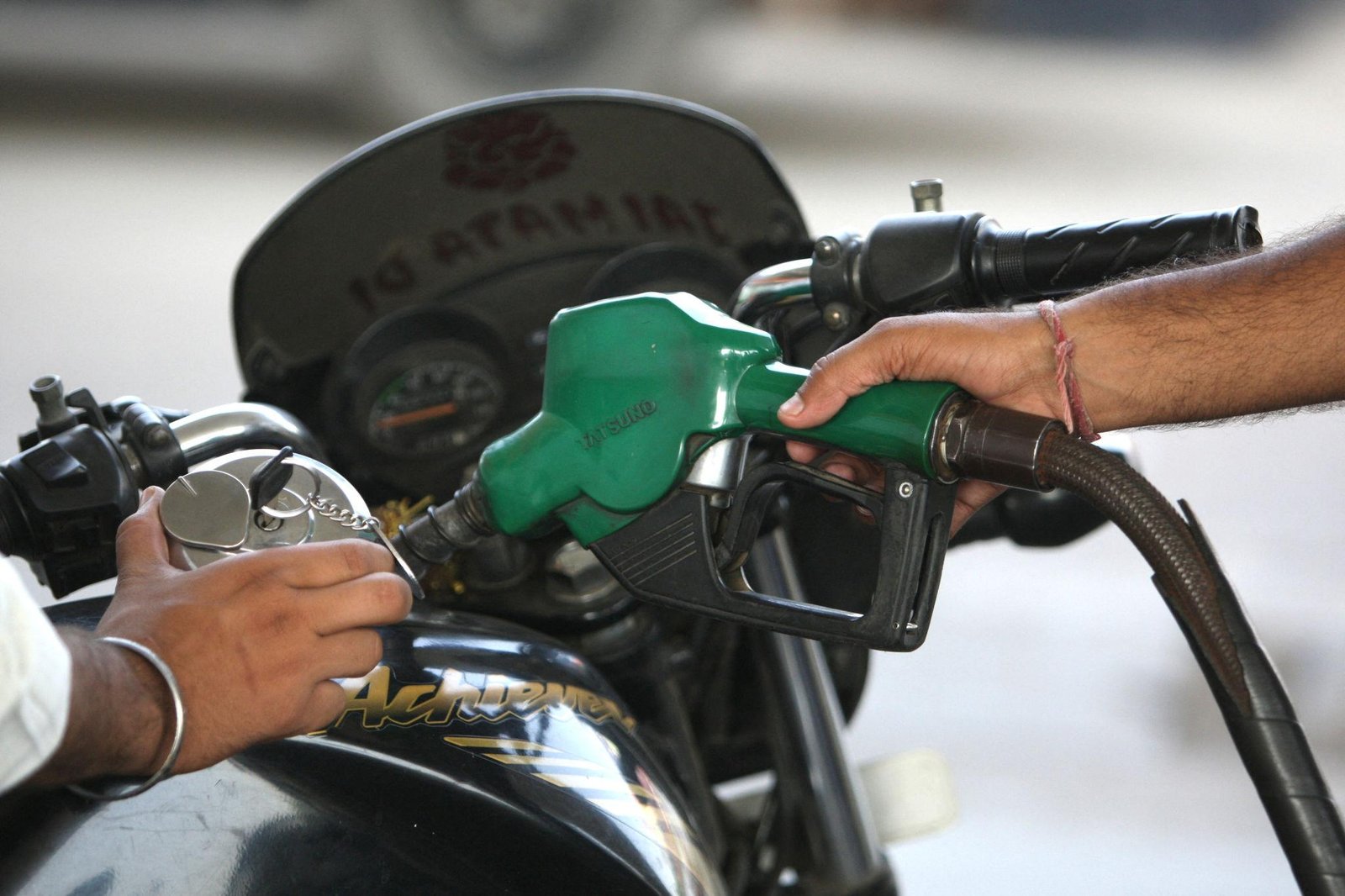
Despite current pressures, analysts continue viewing India as one of the world’s strongest long-term growth markets.
India benefits from:
- Strong domestic demand
- Rapid digital expansion
- Infrastructure investment
- Technology sector growth
- Manufacturing expansion
The Modi economic warning is widely seen as part of a broader strategy focused on preserving economic stability while supporting future growth.
As global markets remain volatile throughout 2026, India is expected to continue prioritizing energy efficiency, domestic production, and stronger financial resilience.