Iran Faces Currency Collapse and Over 6,000 Protest Deaths as U.S. Deploys Aircraft Carrier

- U.S.
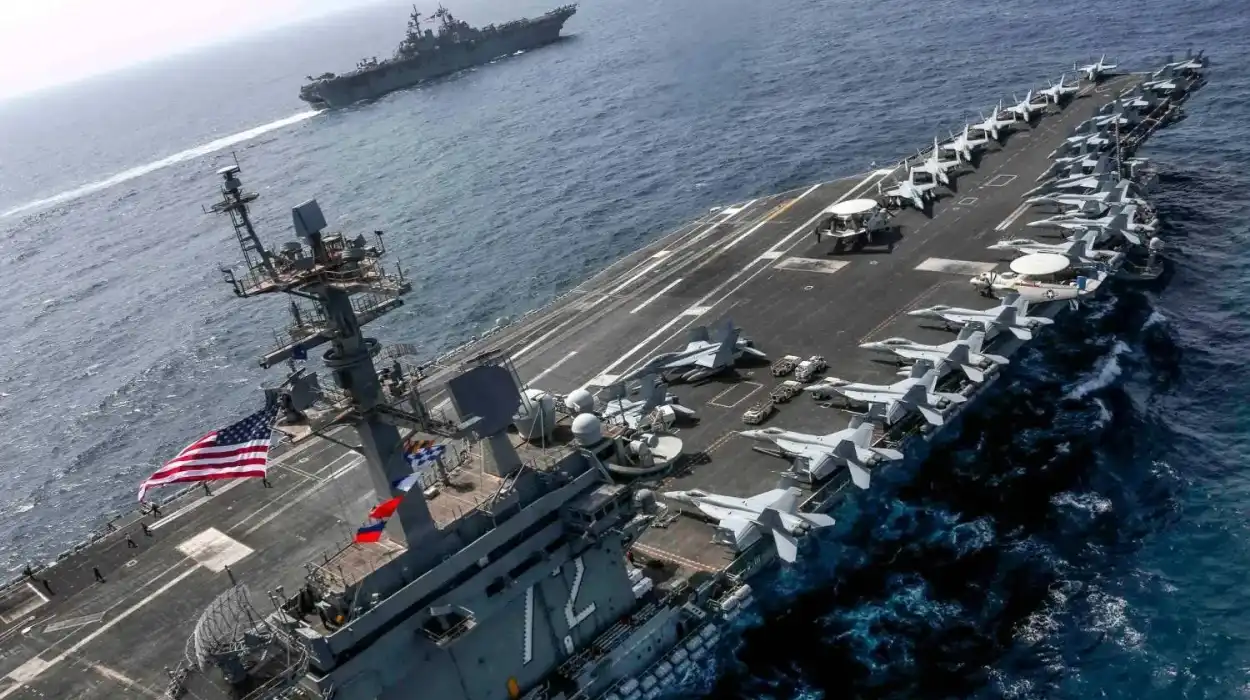
Aircraft Carrier Deployment: A U.S. aircraft carrier has arrived in the
Persian Gulf region amid escalating tensions from Iran’s ongoing protests.
President Trump stated the U.S. stands ready to assist, with reports of
strike options under consideration. - Protest
Death Toll Surge: Activists from HRANA report over 6,000 deaths since late
December 2025, including 633 verified cases; Iranian authorities claim
3,100 fatalities, mostly security personnel. - Currency
Plunge: Iran’s rial has hit a record low against the U.S. dollar,
worsening economic strain amid blackouts and unrest. - Verified
Graphic Footage: BBC-verified videos show bodies piled in Tehran
hospitals, snipers firing on crowds, and protesters destroying CCTV
cameras during crackdowns. - Internet
Blackout Impact: A near-total shutdown since January 8 hampers reporting,
though some access Starlink; Amnesty notes escalated lethal force by
security forces.
Tehran (Washington Insider Magazine) – January 27, 2026 –
A U.S. aircraft carrier has arrived in the Persian Gulf region amid ongoing
protests in Iran, where the national currency has plummeted to a record low
against the dollar. Activists report the death toll from the protests has
surpassed 6,000, while Iranian authorities claim over 3,100 fatalities, mostly
security personnel. Verified footage shows bodies in hospitals and security
forces firing on demonstrators, as an internet blackout hampers reporting.
The United States has deployed an aircraft carrier to the
vicinity of the Persian Gulf, coinciding with escalating unrest in Iran.
President Donald Trump stated that the U.S.
“stands ready to assist”
as Iran seeks “FREEDOM,”
though specific actions remain unspecified.
Iranian officials warned of retaliation should the U.S. attack, while Iran’s
police chief announced an escalated government response to the demonstrations.
Verified Death Toll Reports from Protests
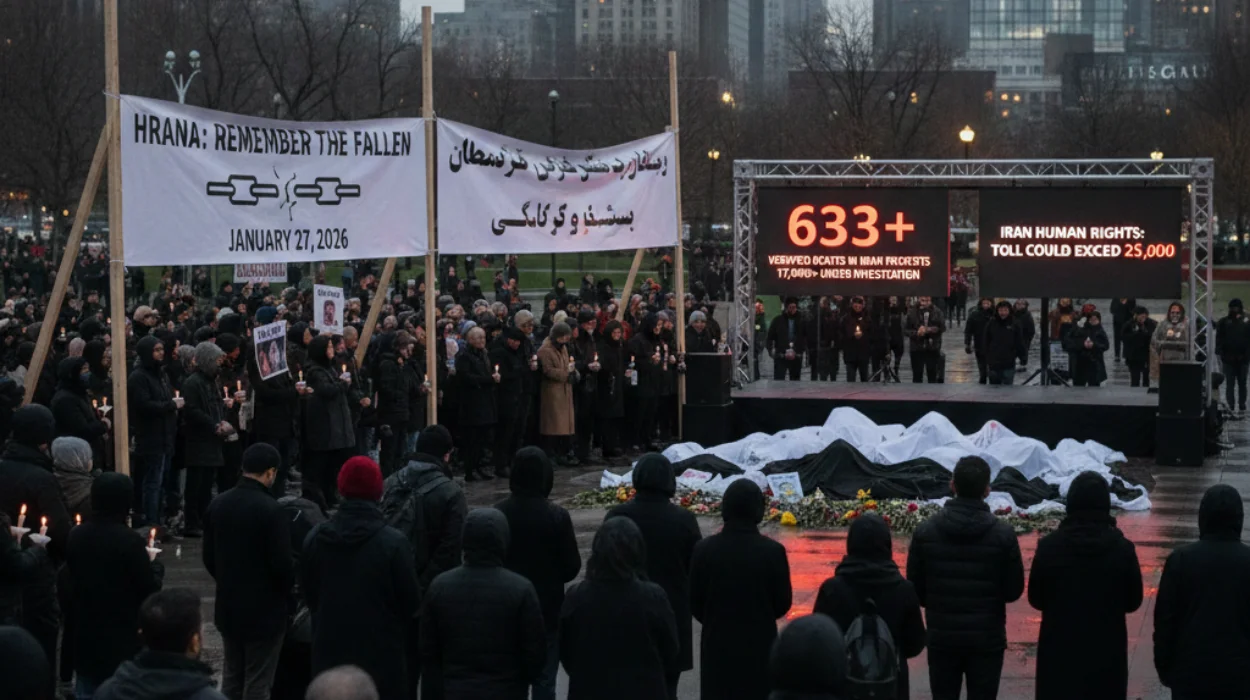
The Human Rights Activists News Agency (HRANA), based in the
United States, confirmed nearly 6,000 deaths since unrest began in late
December 2025, including 633 verified cases, and is investigating an additional
17,000 reports despite internet restrictions. The Norway-based Iran Human
Rights organization cautioned that the final toll could exceed 25,000. Iranian
authorities reported last week that more than 3,100 people were killed, asserting
the majority were security personnel or bystanders attacked by
“rioters.”
Medical staff at hospitals in Tehran informed BBC sources
that over 100 deceased individuals were admitted in a two-day span, with the
nationwide total likely higher. HRANA confirmed 490 protester deaths and 48
security personnel fatalities, alongside 10,600 detentions over two weeks of
unrest. Footage verified by BBC Persian showed approximately 182 shrouded
bodies lying exposed in Tehran’s Kahrizak region.
Emergence of Graphic Verified Footage
New videos verified by BBC Verify depict bodies piled in a
hospital, snipers on rooftops, and the destruction of CCTV cameras during the
crackdown. The footage, captured on January 8 and 9, 2026, shows hundreds
demonstrating on a western Tehran highway before gunfire erupts, prompting
screams from the crowd. Protesters were observed disabling surveillance
cameras, with one individual in Tehran climbing a post to strike a CCTV
multiple times amid cheers from a group.
Additional authenticated footage from BBC Persian shows
security forces opening fire on protesters in Tehran, Kermanshah province, and
Bushehr region. Videos from Ilam depict shooting towards Imam Khomeini Hospital
where protesters gathered. Plain-clothed officers targeted individuals filming
or attending protests alone, according to sources within Iran.
Internet Blackout and Communication Challenges
Since January 8, Iran has imposed a near-total internet
blackout, though some accessed connections via SpaceX’s Starlink satellite and
VPNs. This has hindered documentation of the suppression, with BBC Verify
monitoring demonstrations ignited in late December. Most international news
organizations, including the BBC, cannot report from within Iran due to these
restrictions.
Medical personnel reported to BBC Persian that hospitals
received 70 bodies one night, with a health worker at a Tehran facility stating,
“Approximately 38 individuals died. Many as soon as
they arrived at the emergency department… direct shots to the heads and
hearts of young people.”
More videos are expected to surface as economic challenges
persist during the blackout.
U.S. Military Posture and Iranian Warnings
Citing
Iranian Threat, U.S. Sends Carrier Group and Bombers to Persian Gulf – The New
York Times
An aircraft carrier’s arrival aligns with U.S. threats of
military action in response to protester deaths. President Trump received
updates on strike options, according to a U.S. official speaking to CBS. Iran’s
President Masoud Pezeshkian attributed unrest to the U.S. and Israel, claiming
they trained individuals, introduced terrorists, set mosques ablaze, and
ignited bazaars, though no evidence was provided.
Iran warned it will retaliate if attacked by the U.S., as
hundreds of protesters were reported killed. Supreme Leader Ali Khamenei
dismissed protesters as a “bunch of vandals aiming to ‘satisfy’
Trump.” Reza Pahlavi, son of the late Shah, called the regime a “mere
shortage of mercenaries” and claimed many security personnel abandoned
posts, though the BBC could not verify this.
Economic Strain with Currency Collapse
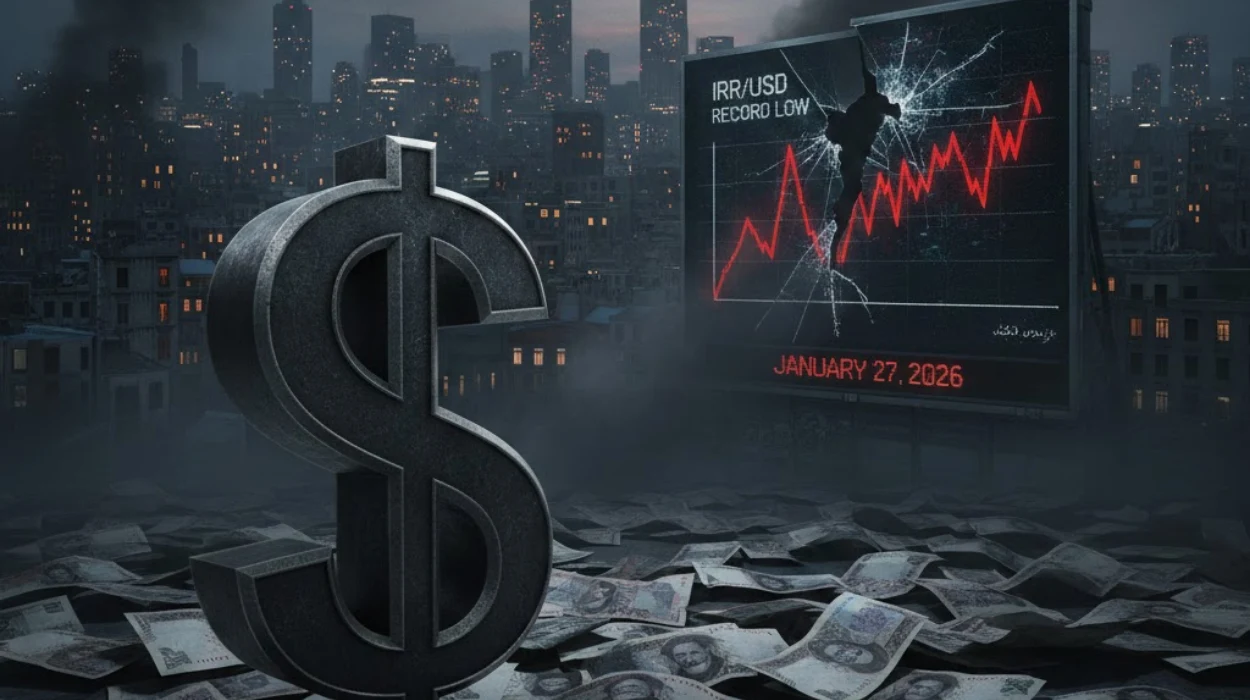
Iran’s currency, the rial, has plunged to a new record low
against the U.S. dollar amid the protests and economic pressures. The unrest
exacerbates longstanding challenges, with blackouts compounding difficulties in
daily transactions and information flow. President Pezeshkian linked the
disturbances to foreign interference without substantiating claims.
International Reactions and Human Rights Concerns
Amnesty International stated it is examining reports of
security forces escalating unlawful lethal force against protesters since
Thursday. The current protests mark the most extensive since the 2022 uprising
triggered by the death of Mahsa Amini, a young Kurdish woman detained by
morality police, which human rights groups say resulted in over 550 deaths and
20,000 detentions.
Reza Pahlavi urged
continued protests on Sunday evening but advised staying in groups to avoid
endangering lives. Iranian Foreign Minister described a Trump warning over the
protests as “reckless.” Additional reporting came from BBC Persian,
Soroush Pakzad, Roaa Assadi, and Ghoncheh Habibiazad.
Background on Protest Timeline
Demonstrations ignited in late December 2025 and spread
nationwide by early January 2026. Thousands responded to protest calls on
January 8 and 9, believed to be the deadliest nights. Police escalated
responses on state television Saturday night. Protesters resisted lethal
crackdowns, with verified videos illustrating security force actions.
The Persian Gulf deployment of the U.S. carrier occurs as
these events unfold, with no further details on its exact position or mission
released by U.S. officials. Iran’s internet restrictions continue to limit
external verification of developments.