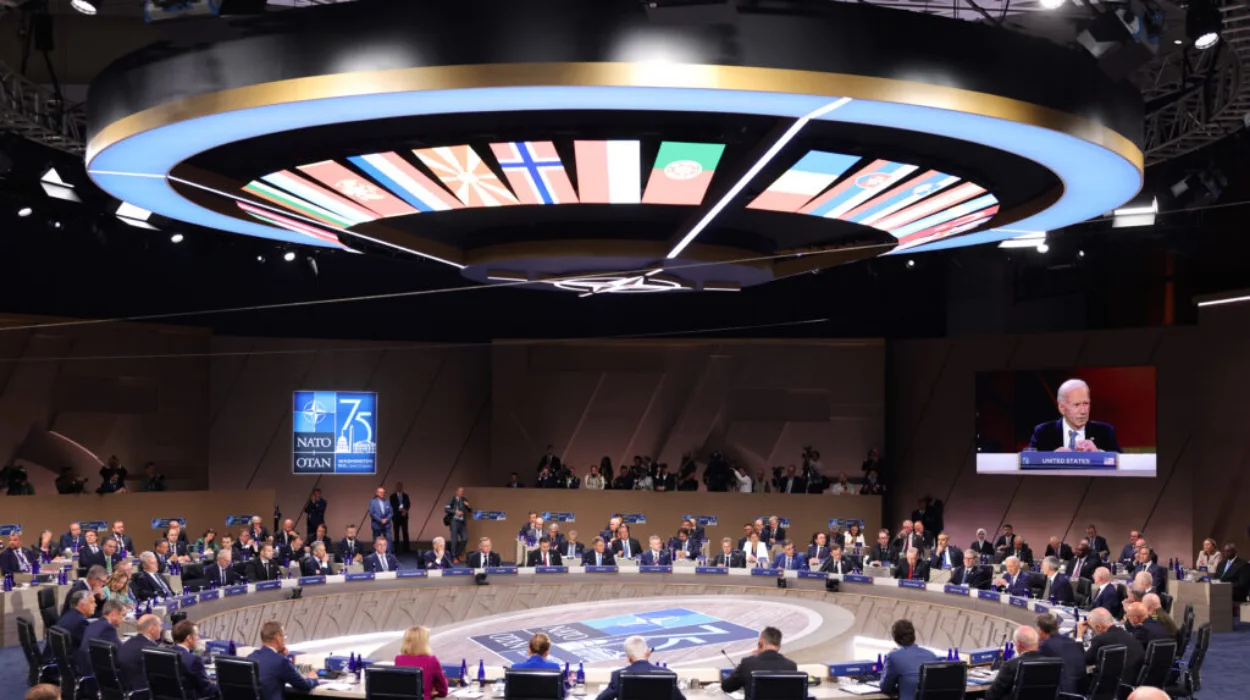
Over 100 Former US Officials Urge Congress to Protect Vital US-NATO Alliance Amid Rising Threats

- Over
100 former US officials signed an open letter urging Congress to protect
the US-NATO alliance amid threats, including President Trump’s interest in
Greenland, a NATO-protected Danish territory. - Bipartisan
lawmakers, led by Reps. Keating, Bacon, and Boyle, introduced bills
prohibiting US funds for invading or occupying NATO lands, with Senate
companion by Sens. Shaheen and Murkowski. - The
letter and legislation emphasise NATO’s Article 5 collective defence,
invoked once post-9/11, calling for unwavering US commitment against risks
like Russian aggression. - Atlantic
Council and expert Michael O’Hanlon endorsed the plea via X posts,
highlighting critical timing as debates intensify over alliance burdens
and Trump’s defence strategy. - Recent
NATO-Denmark Arctic pact followed softened Greenland rhetoric, contrasting
congressional efforts with opposing bills like Sen. Lee’s NATO withdrawal
proposal.
Washington (Washington Insider Megazines) January 24,
2026 – More than 100 former United States officials have signed an open letter
to Congress urging protection of the longstanding US-NATO alliance amid
escalating threats and debates over commitments. The letter highlights risks to
collective defence principles as President Donald Trump weighs actions against
NATO territory Greenland. It calls for legislative measures to ensure
unwavering US support for the alliance formed in 1949.
Lawmakers and experts emphasise NATO’s role in deterring
aggression, particularly from Russia, as bipartisan bills gain traction in both
chambers. The plea arrives alongside recent agreements between NATO and Denmark
on Arctic security enhancements. These developments underscore tensions between
administration priorities and congressional resolve to maintain transatlantic
unity.
Bipartisan Congressional Push to Legislate NATO
Safeguards
 Credit: politico.com
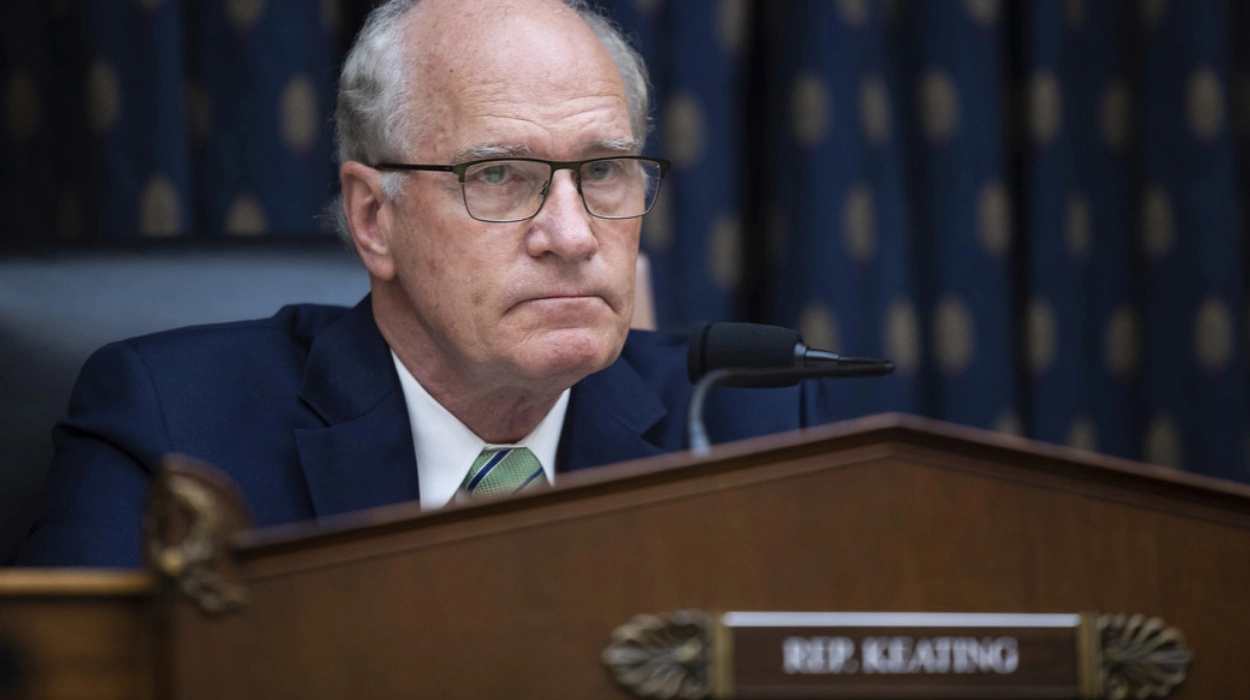
A bipartisan group of House lawmakers, including
Representatives Bill Keating, Don Bacon, and Brendan Boyle, introduced
legislation on January 12, 2026, to prevent funding for any US military actions
against NATO members or territories. The bill targets potential blockades,
occupations, or annexations, with Greenland in focus following Trump’s
expressed interest.
The companion Senate bill, the NATO Unity Protection Act by
Senators Jean Shaheen and Lisa Murkowski, mirrors these prohibitions on
Department of Defense or State Department funds. Murkowski stated that NATO
remains the strongest defence against global threats, rejecting use of US
resources against allies.
In November 2025, Representative Bacon joined a bicameral
letter to Armed Services leaders advocating funding for the Baltic Security
Initiative to counter Russian aggression in NATO’s eastern flank.
Former Officials’ Letter Gains Prominent Attention
The open letter signed by over 100 former US officials urges
Congress to enact protections for the NATO alliance at a pivotal moment.
Atlantic Council said in X post,
“A letter signed by over
100 former U.S. officials urges Congress to protect the U.S.-NATO alliance amid
rising threats. This comes at a critical time as debates over alliance
commitments intensify. ”
This endorsement from the think tank amplifies calls for
legislative action amid intensified public discourse.
Expert Voices Reinforce Alliance Commitment Imperative
 Credit: TT NEWS AGENCY | Henrik Montgomery/TT
Transatlantic security experts have voiced strong backing
for the former officials’ initiative, stressing deterrence needs in Europe.
Michael O’Hanlon said in X post,
“Strong support for this
open letter to Congress on safeguarding the NATO alliance. As a transatlantic
security expert, I emphasize the importance of unwavering U.S. commitment to
deter aggression in Europe.”
O’Hanlon’s commentary aligns with broader concerns over
potential erosions in US leadership within the alliance.
Trump Administration Positions Spark Legislative
Responses
President Trump’s team has considered military options for
acquiring Greenland, prompting fears of Article 5 violations where an attack on
one ally constitutes an attack on all. Representative John Larson cosponsored
the No Funds for NATO Invasion Act, warning against dismissing such rhetoric.
Representative Donald Norcross, of the NATO Parliamentary
Assembly, deemed invasion proposals outrageous, reaffirming alliance
solidarity.
These reactions follow the administration’s January 23,
2026, defence strategy directing allies to prioritise their own security,
echoing prior calls for higher European spending.
Recent NATO-Denmark Arctic Security Agreement
Credit: Ritzau Scanpix/via REUTERS
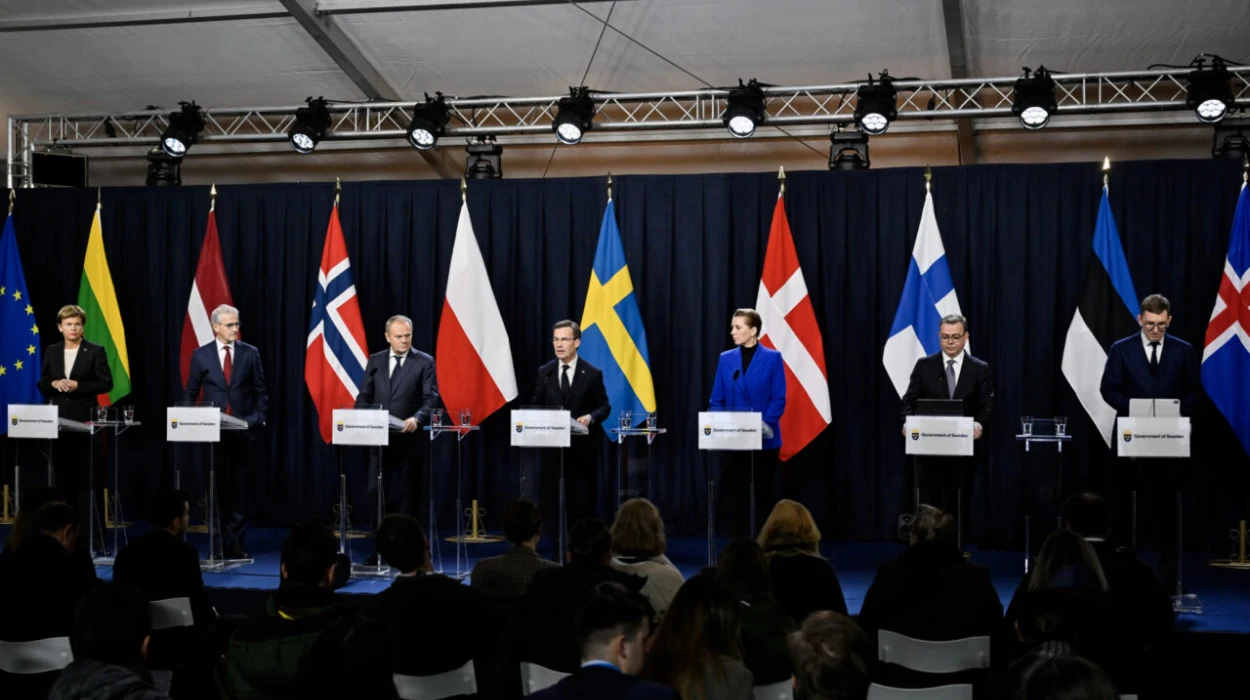
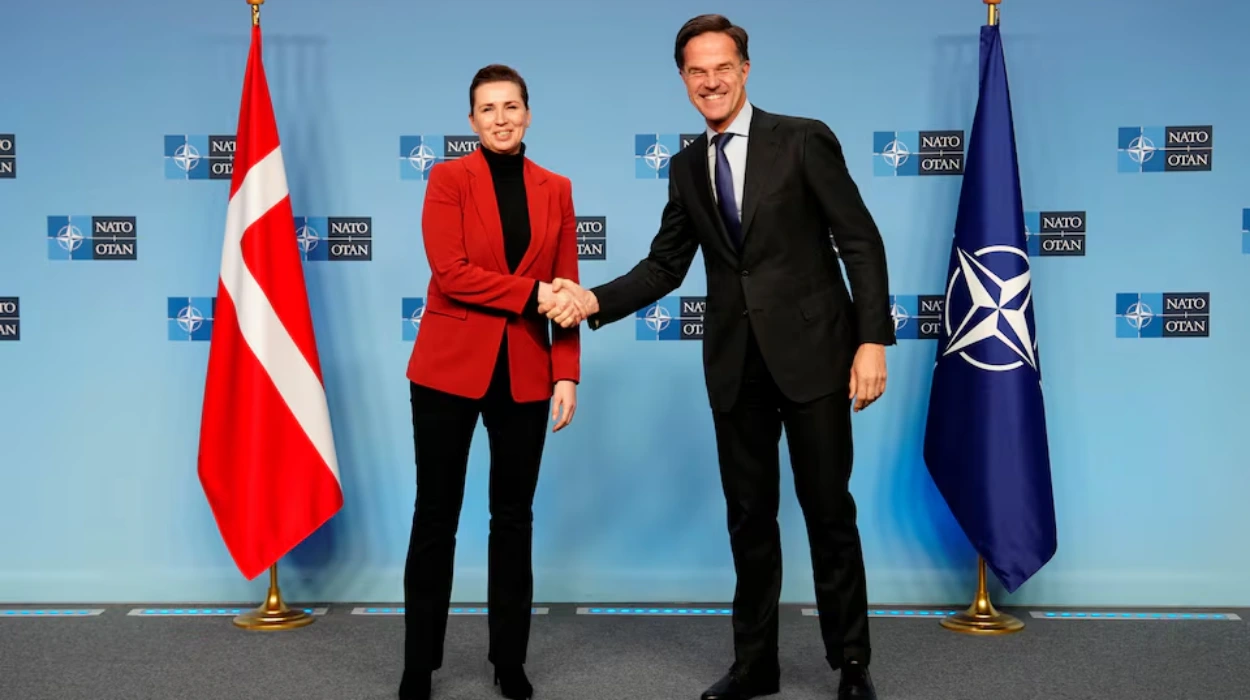
NATO and Denmark reached an agreement on January 22, 2026,
to enhance Arctic security after Trump softened some Greenland rhetoric.
Discussions include a possible new NATO mission, though planning remains
preliminary.
This pact addresses strategic vulnerabilities in the region,
vital for NATO’s northern flank amid great power competition.
Contrasting Views Within Congress on NATO Future
Not all align with protection efforts; Senator Mike Lee
introduced S.2174 in June 2025 requiring presidential notice for NATO exit,
while Representative Thomas Massie proposed a companion bill prioritising
America First policies.
Conversely, H.Res.135 affirms NATO’s mutual defence under
Article 5, invoked post-9/11 when allies aided US operations.
Resolutions also press NATO members to meet or exceed 2% GDP
defence spending targets, with some advocating 5%.
Historical Foundations and Ongoing FY2026 Debates
NATO, founded in 1949 with 12 members now expanded to 32,
counters threats from Soviet-era origins to current Russian actions. US
leadership has anchored the alliance through Cold War and post-9/11 eras.
The FY2026 National Defense Authorization Act negotiations
include European posture provisions, opposed by the administration over
burden-sharing constraints.
Bipartisan letters like Bacon’s stress Baltic deterrence
funding to sustain alliance credibility.
Broader Public and Advocacy Campaigns
Campaigns urge senators to cosponsor anti-invasion bills,
citing near-unanimous rejection of ally-targeted actions.
Lawmakers report consultations with Danish and Greenlandic
representatives during bill drafting, aiming for wide Republican buy-in.
Keating noted the deliberate broad wording to
cover beyond specific territories, protecting core security interests.
As of January 24, 2026, these measures advance through
committees, reflecting congressional determination amid policy shifts. Efforts
balance self-reliance pushes with alliance preservation.