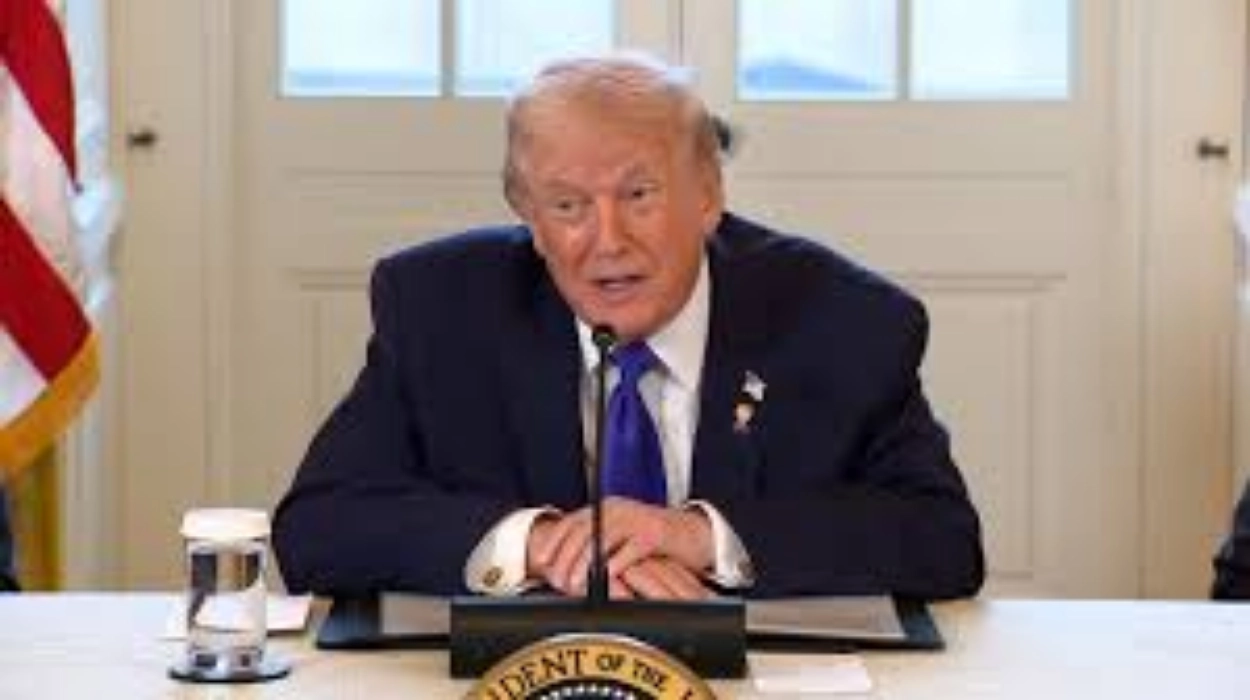
Officials Reject Trump Claims on China Russia Threats Targeting NATO-Protected Greenland

- US and
European officials report no intelligence evidence of China or Russia
threatening Greenland, despite President Trump’s claims suggesting foreign
endangerment. - Greenland,
a Danish territory under NATO protection, remains secure within the
alliance’s Article 5 collective defence framework established in 1949. - Security
assessments across military, cyber, and infrastructure domains find no
elevated risks from Moscow or Beijing targeting the strategically vital
Arctic island. - Congressional
bipartisan bills prohibit US funds for NATO territory occupations,
responding to Trump’s Greenland rhetoric amid alliance commitment debates. - Recent
NATO-Denmark Arctic security pact enhances monitoring, contrasting
administration self-reliance pushes with confirmed absence of verified
threats.
Washington (Washington Insider Megazines) January 24,
2026 – United States and European officials report no intelligence indicating
that China or Russia threaten Greenland, the Danish territory under NATO
protection. Despite President Donald Trump’s statements suggesting otherwise,
security assessments find no evidence of endangerment to the strategically
vital Arctic island. Assessments affirm Greenland’s security within NATO’s
collective defence framework established in 1949.
These findings come amid ongoing congressional efforts to
safeguard NATO commitments through bipartisan legislation. Officials emphasise
the alliance’s robustness against potential adversaries, with recent agreements
bolstering Arctic security postures. The absence of confirmed threats contrasts
with administration rhetoric linking Greenland acquisition to countering
foreign influence.
Official Assessments Confirm No Active Threats from China
or Russia
Credit: bne IntelliNews
United States and NATO officials state they possess no
intelligence showing China or Russia activities endangering Greenland. Multiple
agencies, including those monitoring Arctic developments, report standard
strategic interests without aggressive postures targeting the island.
European counterparts echo this evaluation, noting Greenland
remains secure under Denmark’s sovereignty and NATO’s Article 5 mutual defence
guarantee. Assessments cover military, cyber, and infrastructure domains,
finding no elevated risks from Moscow or Beijing.
President Trump has repeatedly cited China and Russia
interests in Greenland as justification for US acquisition considerations,
including military options. However, intelligence community reviews presented
to Congress find such claims unsupported by current data.
NATO’s Arctic Security Enhancements Proceed Without
Identified Threats
On January 22, 2026, NATO and Denmark finalised an agreement
to strengthen Arctic security cooperation following discussions on regional
stability. The pact focuses on joint monitoring and potential new mission
deployments, independent of specific threat actors.
Alliance officials describe planning as preliminary, aimed
at addressing general great power competition dynamics rather than imminent
dangers. Greenland’s position enhances NATO’s northern flank awareness without
indications of compromise.
This development follows Trump’s partial walk-back on
aggressive Greenland rhetoric, shifting focus to diplomatic engagements. NATO
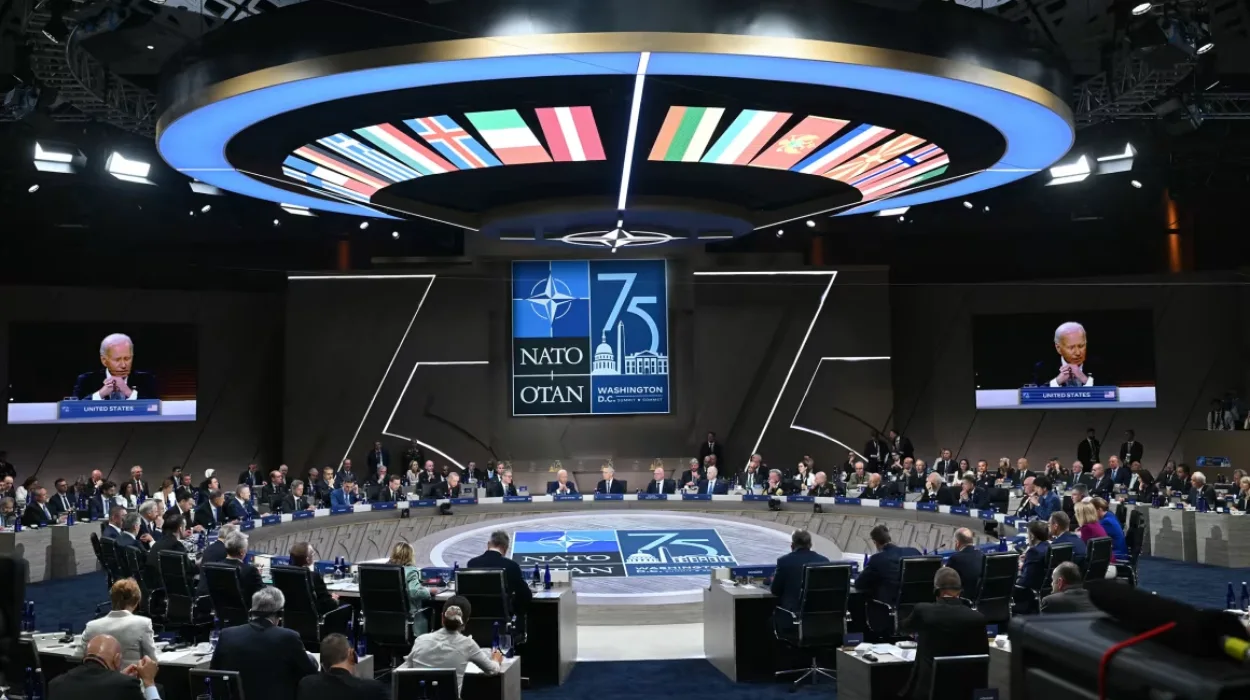
maintains a 360-degree defence approach across all domains as outlined in the
2024 Washington Summit Declaration.
Congressional Legislation Shields NATO Territories from
US Actions
Bipartisan lawmakers introduced bills prohibiting Department
of Defense or State Department funds for occupying or annexing NATO
territories, including Greenland. House Representatives Bill Keating, Don
Bacon, and Brendan Boyle lead the effort, with Senate backing from Jean Shaheen
and Lisa Murkowski.
The NATO Unity Protection Act explicitly bars blockades or
control assertions over allied lands, responding to administration
considerations. Lawmakers consulted Danish and Greenlandic representatives
during drafting to ensure broad applicability.
These measures gained traction amid over 100 former US
officials’ open letter urging Congress to protect alliance integrity.
Signatories highlighted risks to collective defence principles amid commitment
debates.
Administration Signals Shift Towards European Defence
Leadership
 Credit: bne IntelliNews
Pentagon officials informed NATO diplomats of a 2027
deadline for Europe to assume majority conventional defence responsibilities,
from intelligence to missiles. US representatives expressed dissatisfaction
with European progress since Russia’s 2022 Ukraine escalation.
Failure to meet this timeline could prompt US withdrawal
from certain NATO coordination roles, according to sources. The directive
aligns with successive administrations’ burden-sharing advocacy, intensified
under Trump.
NATO officials confirm close consultations with Washington
on European force postures, including recent US troop adjustments on the
eastern flank notified in advance.
Bipartisan Hill Efforts Counter Potential Alliance
Erosion
Capitol Hill supporters mobilise to embed NATO protections
in the FY2026 National Defense Authorization Act (NDAA). Provisions prevent
troop drawdowns below thresholds without national security guarantees and
restrict relinquishing the US Supreme Allied Commander Europe role.
Senators Michael Bennet and Joni Ernst introduced
legislation mandating integrated air defence systems against Russian
incursions, alongside anti-drone production boosts. House and Senate NDAA
versions advance with these safeguards.
Representative Don Bacon participated in a November 2025
bicameral letter pressing Armed Services leaders for Baltic Security Initiative
funding to deter Russian aggression.
Expert and Think Tank Endorsements Amplify Protection
Calls
The Atlantic Council highlighted the former officials’
letter, noting its timing amid intensifying alliance debates.
Contrasting Legislative Proposals Reflect Internal
Debates
Senator Mike Lee’s S.2174 requires presidential notification
for NATO denunciation, with Representative Thomas Massie’s companion bill
advocating America First priorities. These contrast protection-focused
measures.
Resolutions like H.Res.135 affirm Article 5’s mutual defence,
invoked post-9/11 when allies supported US operations. Others urge NATO members
to exceed 2% GDP defence spending, some targeting 5%.
US Ambassador to NATO affirmed alliance strength under
Trump, committing to defend every inch of territory.
Strategic Context of Greenland Within NATO Framework
 Credit: U.S. Space Force photo by Senior Airman Kaitlin Castillo
Greenland hosts the US Thule Air Base, critical for missile
warning and space surveillance, under longstanding defence agreements with
Denmark. No verified foreign encroachments threaten these assets.
NATO’s 2024 declaration reaffirms collective defence against
all threats, with enhanced eastern flank deployments and new defence plans
operationalised.
European officials view US burden-sharing demands as
longstanding, though the 2027 timeline draws realism concerns amid fiscal
constraints.
Ongoing Developments in Transatlantic Security Posture
NDAA negotiations incorporate European reassurance measures
despite administration opposition to operational limits. NATO maintains
dialogue on force adjustments ensuring deterrence credibility.
Public advocacy campaigns
encourage senatorial cosponsorship of anti-invasion bills, reflecting
widespread rejection of ally-targeted actions.
As of January 24, 2026, legislation advances through
committees, balancing self-reliance imperatives with alliance preservation.
Intelligence consensus holds firm: no China or Russia threats materialise
against Greenland.