
- Israeli
forces demolished buildings in the UNRWA compound in occupied East
Jerusalem, targeting structures deemed illegal due to lack of permits. - The
operation occurred early Monday in Sheikh Jarrah, destroying
administrative offices and classrooms used for Palestinian refugee
services. - UNRWA
Commissioner-General Philippe Lazzarini condemned the action as
“outrageous,” citing legal land lease from Jordan and calling
for reconstruction. - Israeli
authorities justified the demolitions under municipal planning laws, with
orders dating to 1988; no injuries reported during the secured operation. - International
reactions include UN alarm, US calls for restraint, and EU condemnation,
amid broader East Jerusalem demolition patterns affecting Palestinians.
Jerusalem (Washington Insider Magazines) 20 January 2026
– Israeli forces demolished buildings within the United Nations Relief and
Works Agency for Palestine Refugees (UNRWA) compound in East Jerusalem. The
action targeted structures deemed illegal by Israeli authorities. UN officials
condemned the demolitions as a violation of international law.
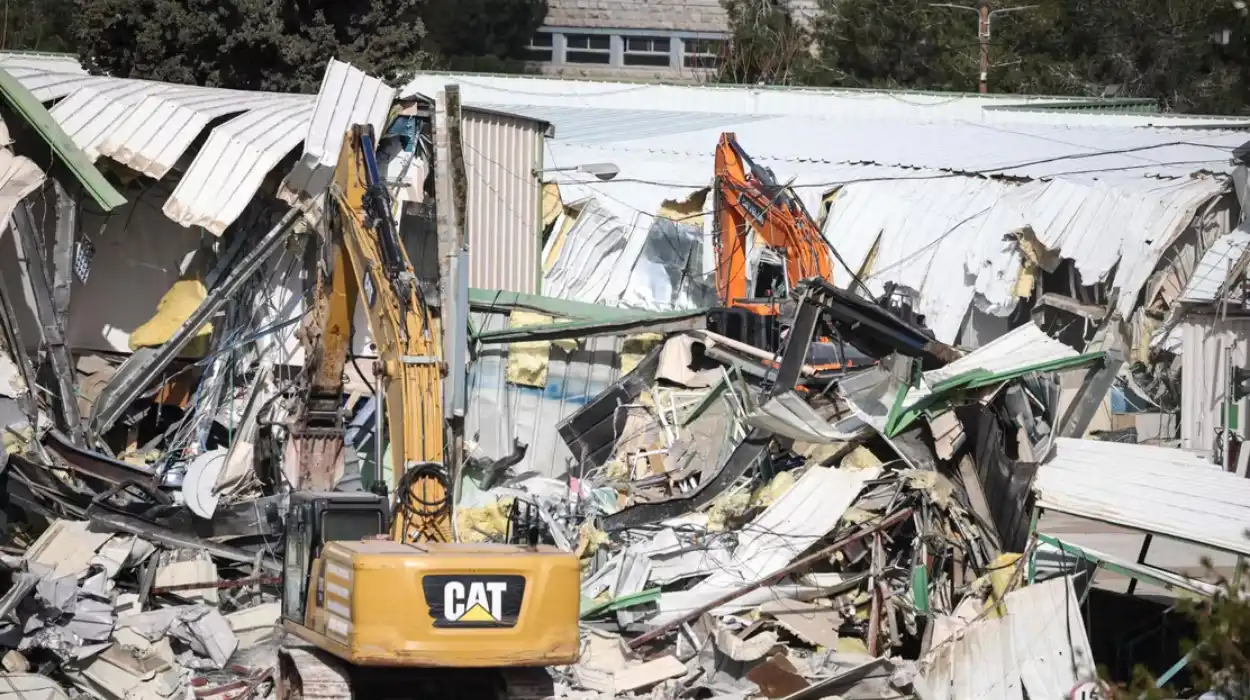
Israeli bulldozers entered the UNRWA compound in occupied East
Jerusalem early on Monday. The operation resulted in the complete destruction
of two buildings used for administrative and educational purposes. UNRWA
Commissioner-General Philippe Lazzarini confirmed the incident via official
statement.
Details of Demolition Operation in East Jerusalem
 Credit: OCHA
Israeli authorities executed the demolition citing lack of
building permits for the structures. The buildings, constructed in 1986, served
as offices and classrooms for UNRWA operations supporting Palestinian refugees.
Forces arrived at dawn, securing the perimeter before razing the sites within
hours.
Eyewitnesses reported heavy machinery tearing down the
concrete structures amid tight security. No injuries occurred during the
operation, according to Jerusalem municipal statements. UNRWA staff were
evacuated prior to the demolitions.
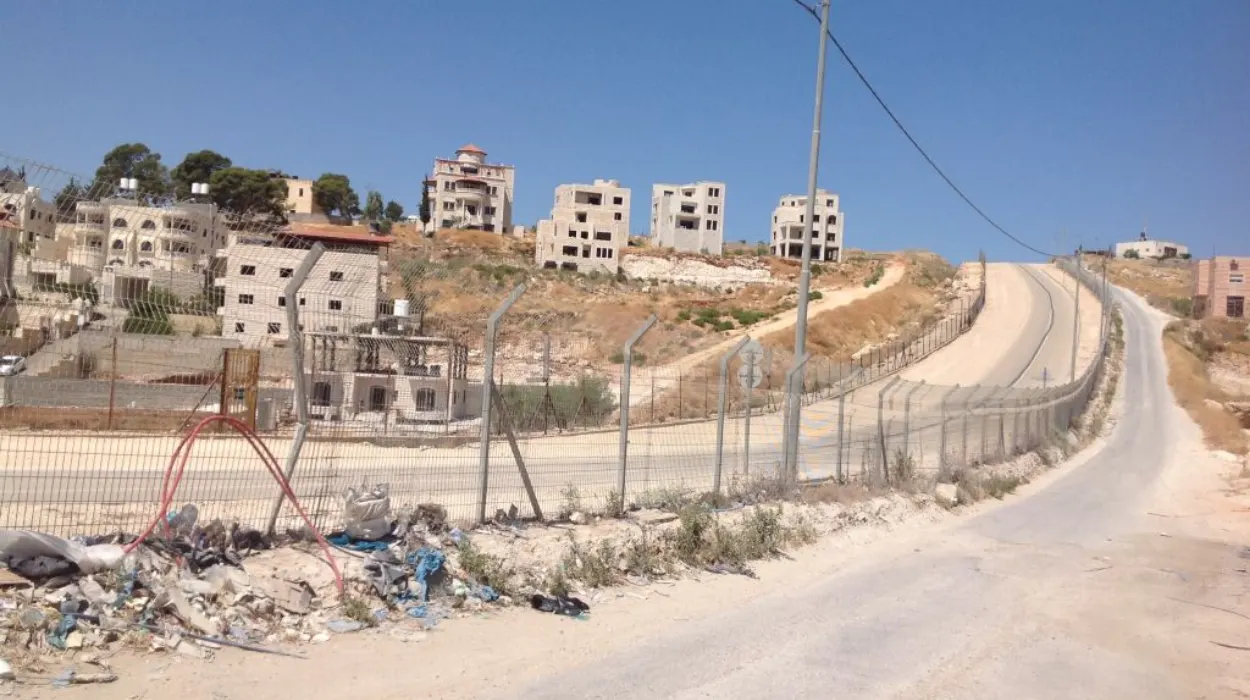
The compound, located in the Sheikh Jarrah neighbourhood,
houses UNRWA’s headquarters for West Bank operations. This marks the first
direct demolition within the agency’s premises since its establishment in 1949.
Israeli police maintained order, preventing protests from reaching the site.
UNRWA’s Response to Building Demolitions
UNRWA Commissioner-General Philippe Lazzarini described the
demolitions as “outrageous.” He stated the agency holds legal documentation for
the land, leased from Jordan in 1961. Lazzarini called for immediate
reconstruction and compensation from Israeli authorities.
The UN Secretary-General expressed alarm over the incident,
urging respect for UN premises. Spokesperson Stéphane Dujarric noted the action
undermines humanitarian efforts in the region. UNRWA operations in East
Jerusalem continue despite the setback.
Lazzarini highlighted the demolitions’ impact on services
for 5,000 Palestinian refugees registered in the area. Classrooms destroyed
affected educational programmes for hundreds of children. The agency relocated
staff to temporary facilities pending resolution.
Israeli Justification for UNRWA Compound Action
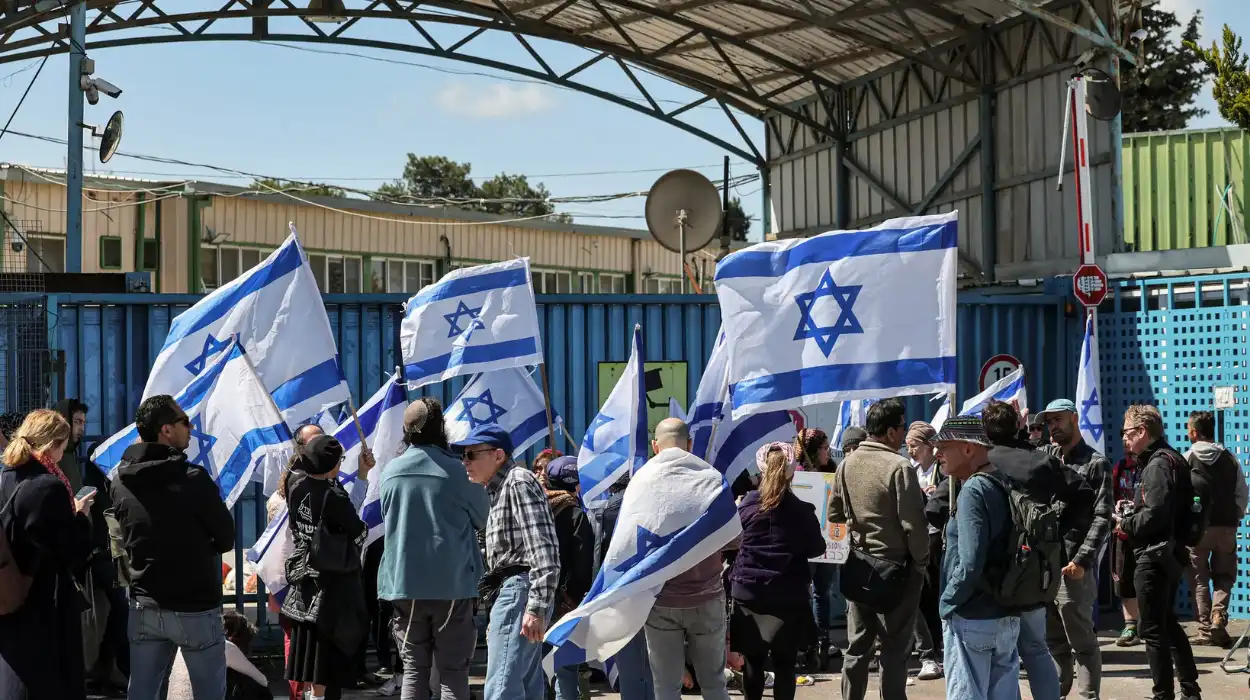 Credit: Getty Images
Jerusalem Municipality officials stated the buildings lacked
required permits under Israeli planning laws. Spokesperson Avner Shimroni
affirmed the structures were built without approval post-1967 annexation of
East Jerusalem. Demolition orders were issued in 1988, ignored by UNRWA.
Israeli Foreign Ministry defended the operation as
enforcement of sovereignty. A statement read:
“Illegal
constructions on state land will not be tolerated, regardless of the builder.”
Officials rejected UN claims of legal tenure for the
specific edifices.
Prime Minister Benjamin Netanyahu’s office linked the
demolitions to broader security measures. The action follows heightened
tensions in Sheikh Jarrah, site of previous settler-Palestinian disputes. No
connection to ongoing Gaza operations was mentioned in official releases.
Historical Context of UNRWA Site in Sheikh Jarrah
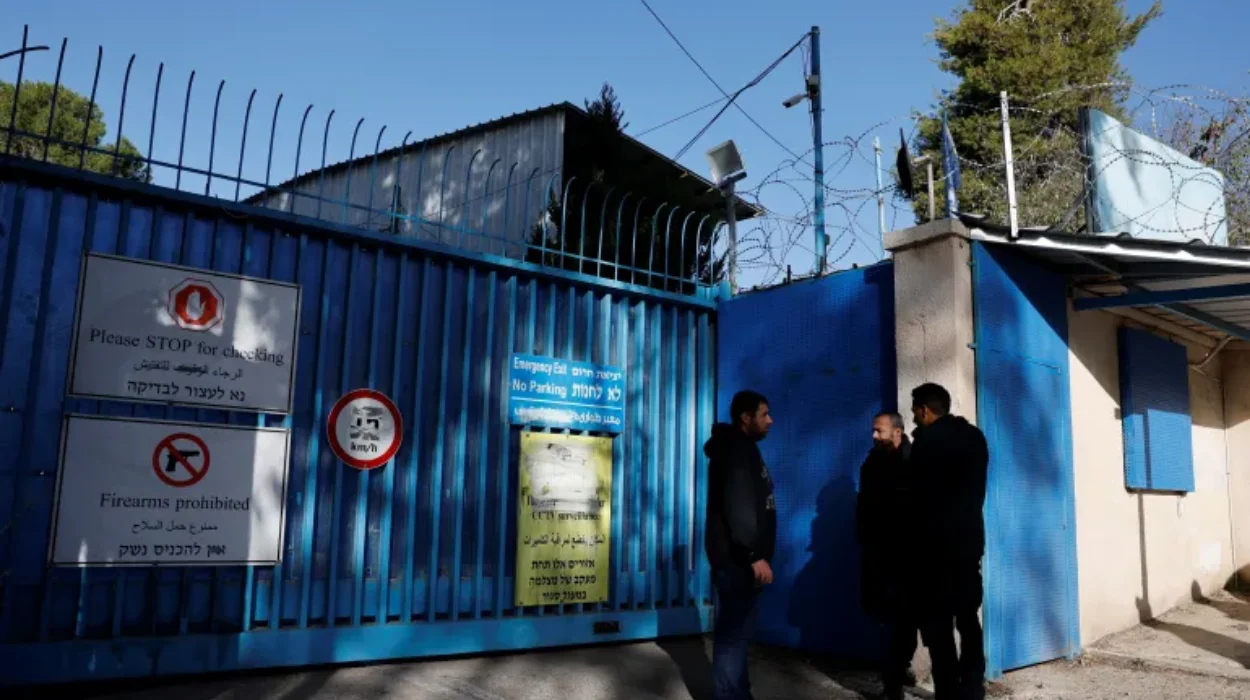 Credit: Ammar Awad/Reuters
The UNRWA compound occupies land originally allocated for
refugee relief after the 1948 Arab-Israeli War. Jordan administered the site
until 1967, granting UNRWA a 99-year lease. Israel assumed control following
annexation, recognising UNRWA’s presence but requiring municipal compliance.
Previous disputes over the compound arose in 2019, when
Israel fined UNRWA for unpermitted expansions. Negotiations stalled over
retroactive permits. The buildings targeted stood vacant since 2022
renovations, per UN records.
Sheikh Jarrah remains a flashpoint, with ongoing eviction
cases against Palestinian families favouring settlers. UNRWA’s location
amplifies visibility of such enforcement actions. International donors fund the
agency’s regional mandate, unaffected by the incident thus far.
International Reactions to East Jerusalem Demolitions
The United States called for restraint, noting UNRWA’s
critical role in aid delivery. State Department spokesperson Matthew Miller
urged dialogue over unilateral steps. No punitive measures were announced.
European Union foreign policy chief Josep Borrell condemned
the demolitions as counterproductive. He reiterated EU support for UNRWA
funding amid funding shortfalls. France and Germany summoned Israeli
ambassadors for explanations.
Palestinian Authority President Mahmoud Abbas labelled the
action an assault on UN institutions. Hamas in Gaza decried it as escalation,
vowing response. Jordan, custodian of Jerusalem holy sites, protested formally
to Israel.
Legal and Diplomatic Implications for UNRWA Operations
UN legal experts cite Vienna Convention protections for UN
properties. Article 105 guarantees inviolability of premises, applicable to
UNRWA under UN General Assembly resolution. Israel disputes full applicability
to the agency’s status.
Ongoing International Court of Justice advisory proceedings
on Israeli occupation include UNRWA protections. The demolitions may feature in
upcoming hearings scheduled for February 2026. UNRWA pursues local court
injunctions for rebuilding.
Diplomatic channels activated post-demolition, with Quartet
envoys convening virtually. US, EU, UN, and Russia representatives discussed
de-escalation. No timeline for resolution emerged from talks.
Broader Pattern of Demolitions in East Jerusalem
Jerusalem Municipality reported 1,200 structures demolished
in 2025, targeting unpermitted Palestinian builds. UNRWA incident marks first
agency-specific action. Human Rights Watch documented 600 homes razed since
October 2023.
Settler groups welcomed the demolitions, claiming
vindication for land claims. Peace Now NGO criticised selective enforcement,
noting permitted Jewish builds nearby. Data shows 45 per cent demolition orders
in East Jerusalem target Palestinians.
Winter weather delayed immediate reconstruction prospects.
UNRWA appeals for emergency funds to sustain services. Donor conference planned
for March 2026 in Brussels.
Impact on Palestinian Refugee Services in West Bank
UNRWA provides education, health, and relief to 800,000
refugees in West Bank. East Jerusalem compound coordinates regional logistics.
Temporary hubs established in Ras al-Amud neighbourhood.
Affected programmes include vocational training for 200
youths annually. Health clinics served 10,000 patients yearly from the site.
Staff of 150 reassigned without salary disruption.
Agency-wide funding crisis persists post-October 2023
Israeli aid halt. Resumed contributions total $800 million, short of $1.2
billion needed. Demolitions exacerbate operational strains.
Ongoing Tensions in Sheikh Jarrah Neighbourhood
Sheikh Jarrah
saw clashes post-demolition, with 20 arrests reported. Palestinian youths
threw stones; police used skunk water and rubber bullets. Medical sources
treated 15 for injuries.
Eviction lawsuits against eight families proceed in Israeli
courts. Settler organisation Nahalat Shimon plans appeals for compound land.
Community leaders demand protection for remaining UNRWA assets.
Area MP Ayman Odeh addressed Knesset, questioning demolition
legality. Ministerial debate set for 25 January. No policy shift indicated from
government benches.