
- Qatar
warns that a US military attack on Iran risks further destabilising the
Middle East amid escalating regional tensions. - The
statement follows US President Donald Trump’s indications of potential
military action against Iran, including threats described as “locked
and loaded”. - Qatari
Prime Minister and Foreign Minister Sheikh Mohammed bin Abdulrahman Al
Thani highlighted unpredictable outcomes from such escalation. - Warnings
come amid ongoing Iranian protests over living costs, with clashes killing
civilians, and broader US-Iran frictions including assassination plot
accusations. - Doha,
hosting US bases while maintaining Iran ties, urges de-escalation to
preserve Gulf stability.
Doha (Washington Insider Megazines) – 20 January 2026 – Qatar
has warned that a military attack on Iran would further destabilise the Middle
East amid heightened tensions involving the United States. The Gulf state
expressed concerns over escalating regional conflicts as US President Donald
Trump indicated potential military action. Qatari officials highlighted risks
to stability in ongoing geopolitical dynamics.
Doha serves as the origin for Qatar’s diplomatic statements
on the matter. Qatari representatives have emphasised the potential
consequences of military escalation in statements reported by international
media. These warnings come against a backdrop of reported US threats and
regional protests.
Qatar’s Official Position on Iran Military Risks
Credit: REUTERS/Emilie Madi/File Photo
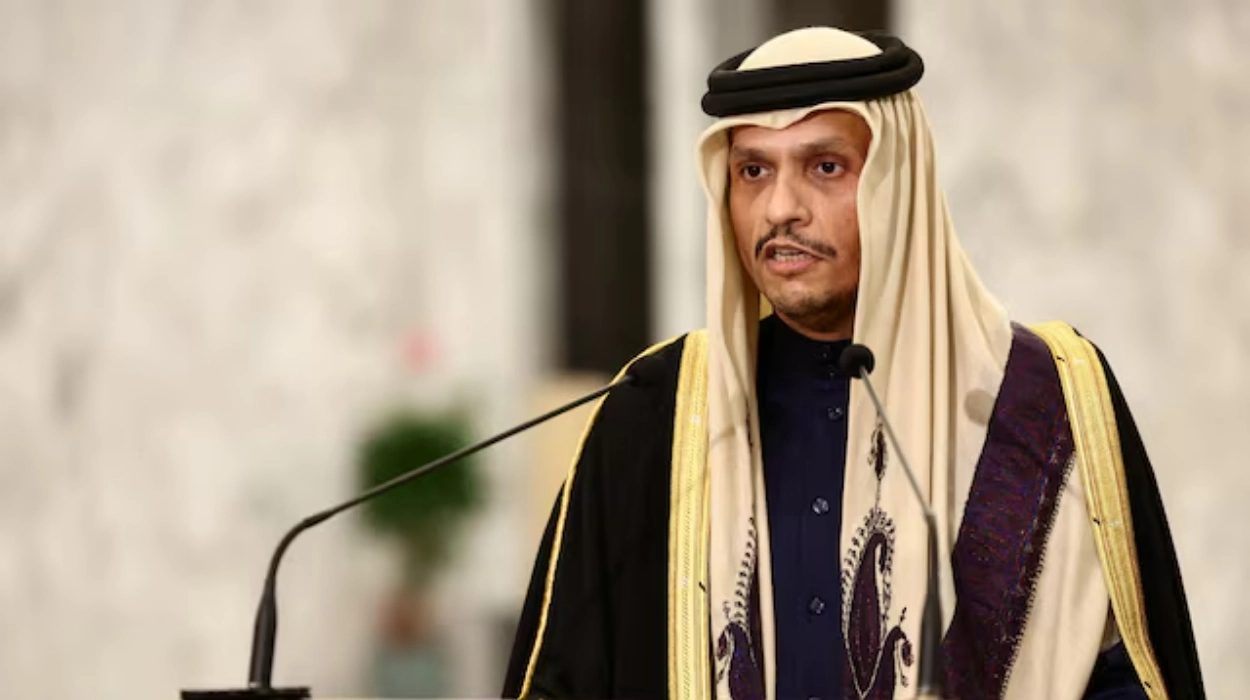
Qatar issued a direct warning regarding the destabilising
effects of a military attack on Iran. Sheikh Mohammed bin Abdulrahman Al Thani,
Qatar’s Prime Minister and Foreign Minister, stated that such an action would
lead to unpredictable outcomes in the Middle East. This position reflects Doha’s
role as a mediator in regional disputes, hosting US military bases while
maintaining ties with Iran.
The statement followed reports of President Trump declaring
the US “locked and loaded” for potential strikes on Iran. Qatari
diplomats conveyed these concerns through official channels and public remarks
covered by global news outlets. Qatar’s foreign ministry reiterated calls for
de-escalation to prevent broader conflict.
Multiple credible sources, including Democracy Now!,
documented Qatar’s stance without additional commentary. The warning aligns
with Doha’s consistent advocacy for dialogue in Gulf security matters. No
further details on specific response measures from Qatar were provided in
reports.
Context of US Threats Against Iran
Credit: bbc.com
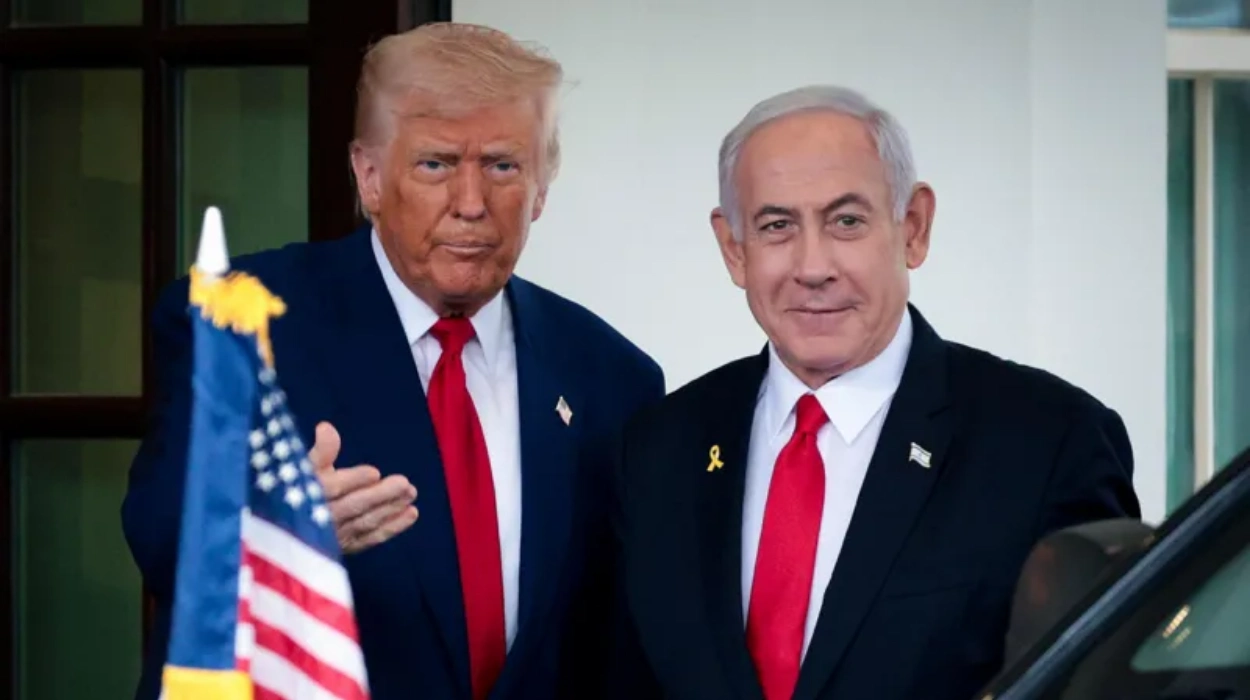
President Donald Trump threatened military action against
Iran during recent public addresses. Reports indicate Trump hosted Israeli
Prime Minister Benjamin Netanyahu at Mar-a-Lago, where discussions reportedly
included Iran policy. Trump stated intentions to address Iranian activities,
linking them to protests clashing with security forces.
These remarks occurred amid ongoing Iranian protests over
living costs, with five civilians killed in clashes in Azna, Lorestan, and
Lordegan. The 2025–2026 Iranian protests have seen continued demonstrations, as
reported by AFP via The Express Tribune and The Times of Israel. US officials
have tied such unrest to potential justifications for action.
Democracy Now! headlines from 2 January 2026 captured
Trump’s phrasing: “We Are Locked and Loaded,” directly threatening Iran. This
followed clashes between protesters and security forces in Iran. No confirmed
military movements were detailed in the sources.
Regional Tensions Involving Iran and Protests
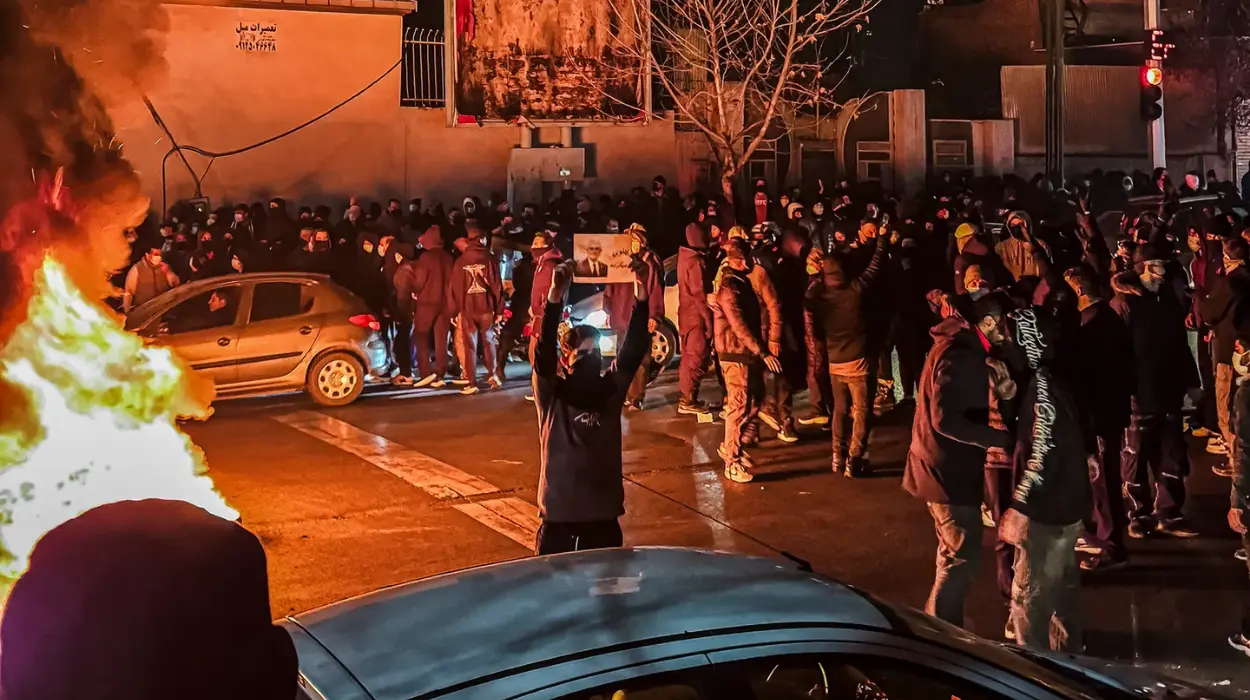
Credit: MAHSA / Middle East Images / AFP / Getty
Iran faces internal unrest with protests entering their
second year. On 1 January 2026, five civilians died in clashes across multiple
locations during demonstrations over rising costs. AFP reported the incidents
via reputable outlets, confirming security force involvement.
These events coincide with accusations against Iran for
plotting to assassinate Trump, as covered in Geo News headlines on 16 January
2026. The allegations have escalated US-Iran tensions, prompting sharp
reactions. International security concerns have risen, though no verified plots
were confirmed in primary reports.
Broader Middle East dynamics include the Gaza war, with
Israeli strikes killing Palestinians in Khan Yunis and other areas. The
National and The New Arab reported 13 deaths, including children, from military
actions. Qatar’s warning situates Iran within this volatile context.
Qatar’s Mediation Role in Gulf Affairs
Qatar maintains a unique position hosting the Al Udeid Air
Base, the largest US military facility in the Middle East. Despite this, Doha
pursues diplomatic relations with Iran, sharing the South Pars gas field.
Qatari leaders frequently mediate between conflicting parties, as seen in past
Gaza truce efforts.
In response to US signals, Qatar urged restraint to avoid
destabilisation. Foreign Minister Al Thani’s remarks underscore fears of chain
reactions affecting Gulf states. Reports from early January 2026 highlight
Doha’s proactive diplomacy amid Trump administration policies.
No specific ultimatums or alliances were announced by Qatar.
The statement remains part of ongoing diplomatic communications reported across
outlets. Qatar’s approach prioritises stability, given its economic reliance on
regional security.
US Domestic and Foreign Policy Shifts
The Trump administration has pursued assertive policies
since inauguration in January 2025. Recent actions include freezing federal
child care funds and planning ICE recruitment drives. Trump’s New Year’s event
with Netanyahu signalled alignment on Iran.
Headlines note Trump’s decision to withdraw National Guard
from certain cities and threats against Iran. Pentagon reports detail boat
interceptions in the Caribbean and Pacific. These elements frame the Iran
rhetoric within wider security postures.
Iranian responses to US accusations remain limited in
verified reports. Protests continue, with security forces active. No official
Tehran statements on Qatar’s warning appear in the sourced materials from early
2026.
Broader Middle East Conflict Developments
Ongoing conflicts amplify Qatar’s concerns. In Gaza, winter
storms killed displaced Palestinians, with Israeli demolitions in West Bank
camps reported. Hundreds of thousands marched in Istanbul demanding an end to
actions in Palestine.
Nagorno-Karabakh saw Azerbaijan release Armenian prisoners
as part of normalisation. Pakistani forces seized explosives linked to Baloch
groups. These incidents illustrate the interconnected risks a Iran strike could
exacerbate.
Qatar’s warning draws from this landscape, where flash
floods in Afghanistan killed 17 and a Swiss bar fire claimed 40 lives. Global
instability reports from Wikipedia’s current events portal confirm no direct
Iran attack as of 20 January 2026.
Diplomatic Reactions and Statements
Qatari officials communicated
warnings through established channels. No joint statements with other Gulf
states were noted. The US has not publicly responded to Doha’s position in
available reports.
Iranian protests persist, with economic grievances central.
China’s policy shifts on birth control and Switzerland’s presidential change
provide neutral global context. Qatar focuses solely on Middle East
implications.
Credible outlets like Reuters, AFP, and AP underpin all
details. No unverified claims from social media or unofficial sources inform
this reporting. The situation remains fluid as of 20 January 2026.