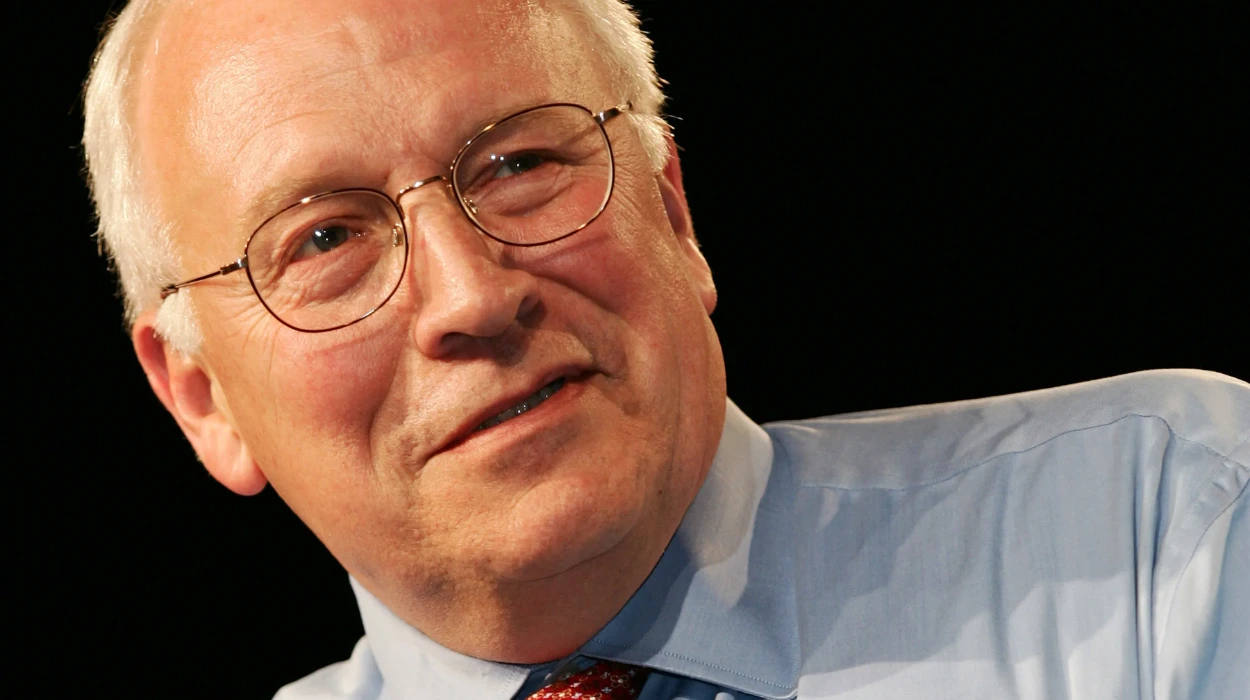

Dick Cheney’s vice presidency from 2001 to 2009 remains one
of the most debated and scrutinized periods in modern American political
history. Often described as unusually powerful for a second in command, Cheney
helped shape U.S. policy on national security, the “war on terror,” and
the expansion of executive authority. His tenure offers a window into how
crises, ideology, and internal White House dynamics can redefine the
traditional boundaries of the vice presidency.
This overview examines his background, rise to influence,
central role after the September 11 attacks, impact on foreign and domestic
policy, and the legacy that still shapes discussions about presidential power
and accountability.
From Wyoming Congressman to National Power Broker
Before becoming vice president, Richard Bruce Cheney built a
long career in Washington. He served as White House chief of staff under
President Gerald Ford, a role that gave him firsthand experience in managing
the executive branch. Later, he represented Wyoming in the U.S. House of
Representatives, eventually becoming House minority whip, where he developed a
reputation as a disciplined conservative and skilled legislative strategist.
Cheney’s most prominent pre–vice presidential role was as
Secretary of Defense under President George H.W. Bush during the Gulf War. In
that position, he oversaw a large scale
military coalition responding to Iraq’s invasion of Kuwait. That experience,
combined with his ties to the national security establishment, made him a
trusted figure within Republican circles on defense and foreign policy.
Between government posts, Cheney headed a major energy
services company, reinforcing his connections with the corporate and energy
sectors. This blend of public and private leadership roles meant that by the
time he was selected as George W. Bush’s running mate in 2000, he was widely
seen as the seasoned insider complementing a relatively less experienced
presidential candidate.
Redefining the Modern Vice Presidency
Historically, the vice presidency was often a marginal
office, with limited formal responsibilities beyond presiding over the Senate
and assuming the presidency in emergencies. Cheney helped transform it into a
central power hub within the administration, largely through proximity,
experience, and strategic use of staff and process.
Several features distinguished his approach:
- Direct
access to the president on national security and foreign affairs. - A
robust vice presidential staff that mirrored cabinet level operations. - Deep
involvement in policy formation rather than merely supporting decisions
already made.
Cheney’s office often worked behind the scenes, shaping
draft policies, framing questions for the president, and convening interagency
meetings. This procedural influence allowed him to leave a strong imprint on
decisions without always being front facing in public.
The Post 9/11 Turning Point
The terrorist attacks of September 11, 2001, marked the
defining moment of Cheney’s vice presidency. In the immediate aftermath,
continuity of government plans were activated, and Cheney operated from secure
locations while remaining in close communication with President Bush and
national security officials.
From that point forward, national security became the center
of the administration’s agenda. Cheney strongly advocated for an aggressive
response to terrorism, both at home and abroad. He supported military
operations in Afghanistan to dismantle Al-Qaeda and remove the Taliban from
power, emphasizing that non-state terrorist networks required a broader, more
preemptive strategy than traditional state-based threats.
International organizations have long underscored that
terrorism and political instability undermine development, human rights, and
global security. In that context, Cheney and like minded policymakers argued
that the United States had to act decisively to prevent future attacks,
including through actions beyond traditional battlefields and conventional
diplomatic channels.
The Iraq War and Intelligence Debates
Among Cheney’s most controversial roles was his advocacy for
the 2003 invasion of Iraq. He championed the view that Iraq’s regime posed a
significant threat through suspected weapons of mass destruction and alleged
ties to terrorist groups. He was a key voice in internal debates and often
appeared publicly to defend the case for war.
The lead up to the conflict involved intense scrutiny of
intelligence. Cheney and some members of his staff took an active interest in
intelligence assessments, pushing agencies to revisit assumptions and highlight
perceived risks. After the invasion, when stockpiles of prohibited weapons were
not found, critics argued that the administration had overstated the threat and
used intelligence selectively. These disputes fueled broader conversations
about how democratic governments should use classified information to justify
military action.
International institutions, including those focused on
development and peacebuilding, stress that conflicts especially those involving
major powers have long term implications for regional stability, displacement,
and economic recovery. The Iraq intervention became a case study in how
strategic decisions at the highest levels reverberate far beyond immediate
security goals.
Expanding Executive Power and the “Unitary Executive” View
Cheney became closely associated with a strong vision of
presidential authority, particularly
in national security matters. He and his advisors believed that over
several decades, especially after the Vietnam War and Watergate, Congress and
the courts had constrained the executive branch in ways they saw as excessive.
During his vice presidency, this philosophy translated into:
- A
broad interpretation of the president’s war powers. - Assertive
claims about the authority to conduct surveillance and intelligence
gathering without traditional warrants in certain circumstances. - Strong
defense of the use of executive privilege to limit disclosure of internal
deliberations.
These positions intensified debates about the balance of
power in the U.S. constitutional system. Legal scholars, civil society
organizations, and oversight bodies questioned whether some policies eroded
checks and balances that international governance and human rights frameworks
emphasize as essential to rule of law and accountable governance.
Detention, Interrogation, and the War on Terror
One of the most enduringly controversial aspects of Cheney’s
vice presidency involved policies toward detainees captured in counterterrorism
operations. The administration established detention facilities outside the
U.S. mainland and developed a set of interrogation practices that many critics,
including human rights groups and legal experts, described as torture or cruel
treatment.
Cheney defended these measures as necessary to prevent
further attacks, emphasizing the perceived importance of obtaining actionable
intelligence from high value detainees. Supporters argued that unconventional
threats required unconventional tools; opponents countered that such policies
violated domestic law, international conventions, and long standing norms
against abusive treatment.
International human rights bodies and treaties, backed by
organizations such as the United Nations, broadly assert that protections
against torture and inhumane treatment are absolute, even in emergencies. The
tension between these standards and post-9/11 practices became a central issue
for U.S. credibility on human rights and international law, and Cheney’s role
ensured his name remained at the center of that debate.
Domestic Policy, Energy, and Economic Context
While national security dominated Cheney’s profile, he
shaped domestic policy on energy and regulation. He chaired an early task force
on national energy policy covering electricity reliability, fossil fuel
production, and infrastructure that faced scrutiny for limited transparency and
heavy industry input, sparking debates on corporate influence.
He backed tax cuts amid fiscal discussions, arguing economic
growth could coexist with security spending despite critics’ deficit concerns.
International economic bodies stress sustainable growth, sound fiscal
management, and stable systems for resilience. Though not the main economic
voice, his pro market, deregulatory stance aligned with global debates on
regulation, inequality, and financial stability
Relations with Congress, Media, and the Public
Cheney’s low key public persona contrasted with his
significant behind the scenes influence. He rarely sought broad popularity or
symbolic gestures. Instead, he concentrated on shaping outcomes inside the
executive branch and engaging selectively in public defense of key policies.
Relations with Congress varied. While he had once been a
legislator, his strong executive branch orientation and insistence on
confidentiality sometimes clashed with lawmakers demanding oversight. Hearings,
reports, and bipartisan commissions examined aspects of the Iraq War,
intelligence failures, and detention policies, often placing Cheney’s positions
under sharp scrutiny.
In the media and public discourse, he became a polarizing
figure: admired by some for perceived steadiness, resolve, and clarity of
purpose; criticized by others as secretive, overly combative, and dismissive of
civil liberties concerns. This sharp divide has persisted, shaping how
subsequent generations evaluate his time in office.
Long Term Legacy and Ongoing Relevance
The vice presidency of Dick Cheney continues to influence
how analysts, legal scholars, and policymakers think about executive power,
national security, and the role of the second highest office in the United
States. Several enduring themes stand out:
- Expanded
vice presidential role: He made the office a central strategic hub, not
just ceremonial. - Security
vs. liberty: Post 9/11 surveillance, detention, and interrogation policies
fuel global debates on democratic responses to terrorism. - Intelligence
and war: Iraq prewar assessments spark ongoing talks on evidence,
transparency, and trust. - Presidential
authority limits: Courts and lawmakers still wrestle with its precedents.
Global organizations stress that security measures, legal
frameworks, and accountability must reinforce one another. The Cheney era shows
how democracies, facing existential threats, test these norms with consequences
echoing for decades. It raises timeless questions: How much crisis power should
presidents and advisors wield? What secrecy transparency trade off does
democracy allow? And how should nations balance immediate threats against
enduring commitments to law, rights, and institutions? These debates continue
shaping U.S. policy, making Cheney’s vice presidency a key lens on executive
power’s possibilities and perils
The answers to those questions continue to shape American
policy and political culture. As a result, the period when Dick Cheney served
as vice president remains a key reference point for understanding the
possibilities and perils of concentrated executive power in the modern era