
The Nobel Peace Prize, established
by Swedish inventor Alfred Nobel’s will in 1895, is awarded annually to
individuals or organizations that have made significant contributions to world
peace. Unlike other Nobel Prizes administered by Swedish institutions, the
Peace Prize is uniquely bestowed by a committee appointed by the Norwegian
Parliament, underscoring Norway’s distinct historical role in peace mediation.
Presented annually in Oslo, the prize seeks to recognize efforts that promote
fraternity among nations, the reduction of armed forces, and the advancement of
peace congresses. Over more than a century, the Nobel Peace Prize has been
awarded to a diverse array of laureates, from grassroots activists and
humanitarian organizations to world leaders and diplomats. It symbolizes an
international acknowledgment of sustained dedication to peace and justice
beyond political borders, creating a platform for global dialogue and
inspiration.
Why did Barack Obama receive the
Nobel Peace Prize?
Barack Obama was awarded the Nobel
Peace Prize in 2009, a decision that surprised many as it came less than a year
into his presidency when his administration was still establishing its
policies. The Norwegian Nobel Committee recognized
Obama “for his extraordinary efforts to strengthen international diplomacy and
cooperation between peoples.” This award was not merely a reflection of past
accomplishments but more so an acknowledgment of the vision and direction Obama
inspired on the global stage. The Committee particularly highlighted his vision
of a world free from nuclear weapons, emphasizing his commitment to nuclear
disarmament as a foundation for lasting peace. Obama’s support for multilateral
diplomacy, including his efforts to reshape U.S. relationships with multiple
nations, especially the Muslim world, was viewed as transformative.
Obama’s approach to international
relations centered on dialogue, cooperation, and peaceful conflict resolution.
From his campaign trail, he pledged a shift from unilateral military actions
toward responsibility and engagement—promising to end the wars in Iraq and
Afghanistan in a measured, diplomatic manner. His rhetoric called for renewed
respect, collaboration, and mutual understanding among nations, advocating
diplomacy as the primary instrument for resolving even the most intractable
international disputes. These ideals resonated with the Nobel Committee, which
saw in Obama’s new leadership a window for global normalization of relations in
an era marked by complex challenges such as terrorism, climate change, and
nuclear proliferation.
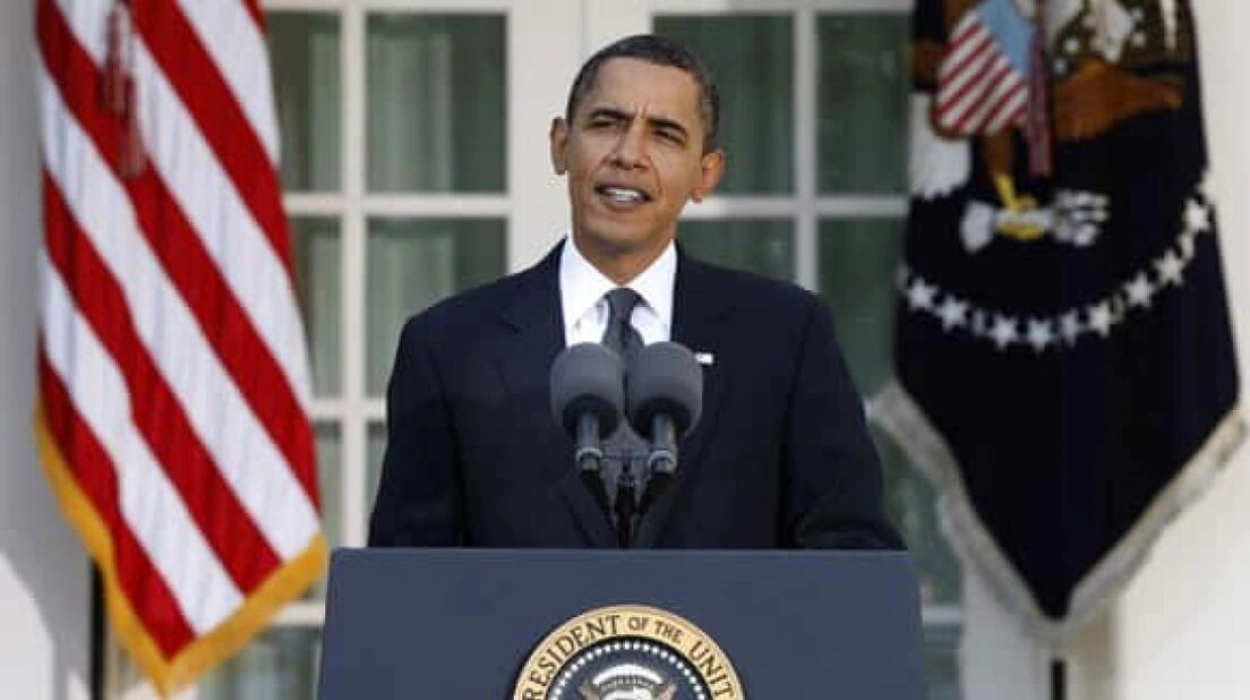
During his acceptance speech in
Oslo, Obama addressed the paradox of being honored while commanding a nation
engaged in ongoing wars. He emphasized prudence, underscored the
responsibilities of leadership in pursuing “a just and lasting peace,” and
acknowledged the tension between war and peace in the modern world. His Nobel
lecture reflected a nuanced understanding that achieving peace requires both
idealism and pragmatism, addressing the realities of global security threats
alongside aspirational goals for human rights and international cooperation.
The Norwegian Nobel Committee’s
rationale also underscored Obama’s reinvigoration of the United Nations and
other international institutions, placing multilateral diplomacy back at the
heart of American foreign policy. The Committee praised his vision that those
who lead the world must do so on values and attitudes widely shared by the
global population. They viewed him as a global figure who captured worldwide
attention and inspired hope for a more peaceful future.
Yet, Obama’s award was not without
controversy. It ignited debate over whether the prize should be awarded based
on promises and aspirations or on tangible achievements. Critics argued that
the award was premature, as Obama’s concrete contributions to peace were still
unfolding. Some former Nobel officials and commentators suggested the prize was
more strategic, intended to encourage and empower Obama’s peace initiatives
rather than reward proven results.
Despite such criticisms, the award
recognized that peacebuilding often requires vision and leadership that
transcend immediate outcomes. Obama’s presidency marked a shift in tone and
approach in global affairs and sought to heal geopolitical rifts through
dialogue and multilateral action. The Nobel Peace Prize highlighted the
importance of this new diplomatic climate, particularly in a world facing
persistent conflicts and global risks.
Obama’s initiatives following the
award further reflected these ideals. His administration made significant
progress in nuclear arms reduction through treaties like New START with Russia.
The U.S re-engaged in climate diplomacy culminating in commitments such as the
Paris Agreement, aimed at addressing global warming—a major modern challenge
linked to security and human welfare. Efforts toward Middle East peace
processes, normalization of relations with Cuba, and strengthening of alliances
also marked his foreign policy endeavors. These steps, even if incomplete or
controversial, aligned with the foundational spirit of the Nobel Peace Prize’s
mission.
Barack Obama’s Nobel Peace Prize
was conferred not just as a retrospective honor but as an affirmation of a
global hope anchored in diplomacy, cooperation, and visionary leadership. It
recognized a transformational approach toward multilateralism, nuclear
disarmament, and peaceful conflict resolution that diverged from preceding
international policies. The prize remains a significant emblem of Obama’s early
presidency, symbolizing a call to action for global peace rather than a
conclusive reward for past achievements, reflecting the complex nature of peace
leadership in the 21st century.
Reactions and controversies
surrounding the award
The announcement of Obama’s Nobel
Peace Prize was met with mixed reactions worldwide. Many lauded the decision as
a hopeful endorsement of his diplomatic agenda and a symbol of global
expectations for change in U.S. foreign policy. However, skeptics and critics
contended that awarding the prize so early in his tenure, with limited concrete
achievements, was premature. The award sparked debates over whether the Nobel
Committee should reward aspirations and vision rather than tangible
accomplishments.
Notable dissent came from
political figures and commentators questioning the timing and the implications
for the prize’s credibility. A former Nobel Committee secretary later characterized
the award as a “mistake,” citing limited impact in terms of peace outcomes by
the time of the ceremony and afterward. Nevertheless, the committee defended
its decision as a strategic move to bolster Obama’s role in advancing global
peace efforts, emphasizing the importance of inspiring leadership.
Obama himself expressed humility,
asserting he did not feel personally deserving but accepted the prize as a
“call to action” for all nations to address 21st-century challenges
collaboratively. His Nobel lecture further outlined his vision for “a just and
lasting peace,” reinforcing his commitment to nuclear disarmament, climate
change mitigation, and global cooperation.
Obama’s contributions to
international diplomacy and peacebuilding
During his presidency, Barack
Obama implemented several significant policies aligned with the ideals
recognized by the Nobel Committee. He renegotiated the New START Treaty with
Russia to reduce nuclear arsenals, reinforced U.S. commitments to the Paris
Climate Accord, and pursued normalization of relations with Cuba, fostering
diplomatic openings. His administration championed multilateral approaches to
challenges like the Iran nuclear deal and counterterrorism alliances,
emphasizing coalition-building and international law.
Furthermore, Obama expanded
foreign aid focusing on health, education, and economic development in conflict
zones, contributing indirectly to peacebuilding. His rhetorical emphasis on
dialogue and respect for cultural diversity aimed at healing international
rifts, notably sought to reset relations with the Muslim world through
initiatives like the Cairo speech in 2009.
Though his tenure faced
significant geopolitical challenges, including ongoing conflicts in
Afghanistan, Syria, and Libya, many analysts credit Obama with reviving
dialogue-centered diplomacy and introducing innovative frameworks for global
engagement. These efforts aligned with Nobel’s vision of peaceful conflict
resolution, notwithstanding ongoing debates about their tangible results.
The legacy of the 2009 nobel peace
prize award to Obama
The awarding of the Nobel Peace
Prize to Barack Obama remains a landmark moment reflecting the intersection of
hope, politics, and international expectations. It highlighted the Nobel
Committee’s willingness to recognize leadership that, despite limited tenure,
symbolizes potential and transformative ideals in peace diplomacy. The award
continues to provoke reflection on the nature and timing of peace recognition,
the criteria for global honors, and the role of visionary leadership in
international relations.
Obama’s receipt of the prize
contributed to shaping public perceptions of the Nobel Peace Prize and added
complexity to discussions surrounding subsequent laureates. His legacy is
mixed, marked by significant strides in climate diplomacy and nuclear
disarmament, alongside ongoing critiques of certain military interventions.
Nevertheless, his Nobel Peace Prize remains a significant emblem of early
21st-century efforts to promote diplomacy and multilateral cooperation.
The Norwegian Nobel Committee’s
selection of Obama underscores broader dynamics in the international
community’s aspirations for peace, demonstrating that sometimes the prize
serves as a catalyst encouraging constructive global action rather than as a
mere acknowledgement of completed achievements.