
Elon Reeve Musk, born on June 28, 1971, in Pretoria, South
Africa, is a globally renowned business magnate and entrepreneur known for
founding and leading several of the world’s most innovative companies. Musk
emigrated to Canada in 1989 to avoid mandatory military service and later
attended the University of Pennsylvania in the United States, earning degrees
in physics and economics.
He initially co-founded Zip2, a software company sold in
1999, then went on to co-found X.com, an online payment firm that evolved into
PayPal before its acquisition by eBay. Musk’s career soared with the founding
of SpaceX in 2002, aiming to revolutionize spaceflight through reusable rocket
technology. He also joined Tesla Motors as an early investor in 2004 and became
CEO and product architect by 2008, driving the company to global dominance in
electric vehicles (EVs).
Alongside these ventures, Musk founded Neuralink, focusing
on brain-computer interfaces, and The Boring Company, which pursues urban
transportation solutions through tunneling. His leadership style is marked by
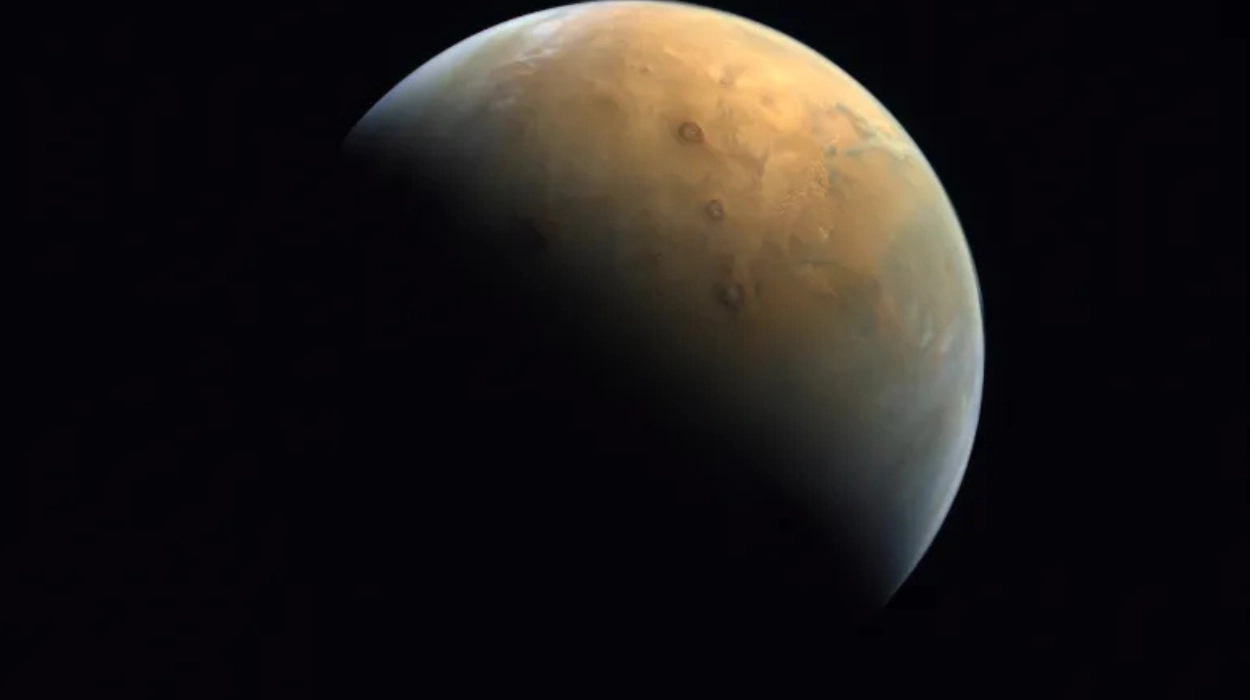
ambitious visions—such as human colonization of Mars and transition to
sustainable energy—and a willingness to invest his own fortune in risky
projects that have since reshaped technology and transportation.
Net worth and business ventures
As of September 2025, Elon Musk is estimated to have a net
worth of approximately $378 billion, positioning him as the richest person in
the world by a wide margin according to Bloomberg. Musk’s wealth largely stems
from his significant shares in Tesla, SpaceX, and recent ventures such as xAI
(artificial intelligence-focused company) and the social media platform X
(formerly Twitter). Tesla became the world’s most valuable car manufacturer in
2020, reaching a market capitalization near $1 trillion by mid-2025.
SpaceX has revolutionized the aerospace industry with its
achievements in reusable rockets and commercial space flights, securing
numerous contracts with NASA and the U.S. Air Force. Musk’s acquisition of
Twitter in 2022, rebranding it as X by 2023, expanded his influence into social
media and AI, reflecting his diversified business portfolio. His wealth
fluctuates with stock markets and company valuations but consistently reflects
the success of his entrepreneurial ventures.
Technological innovations and impact
Under Musk’s guidance, Tesla transformed the electric
vehicle market by introducing widely popular models such as the Tesla Roadster,
Model S, Model 3, and more. Tesla also expanded into battery and solar energy
sectors with products like Powerwall and Powerpack, targeting both residential
and grid-scale energy storage. Musk’s commitment to sustainability aligns with
global efforts to mitigate climate change by reducing reliance on fossil
fuels.
SpaceX’s development of the Falcon and Starship rockets has
drastically lowered the cost of accessing space, advancing Musk’s vision to
make humans a multiplanetary species. Furthermore, Musk’s Neuralink project
aims to develop technologies enabling direct neural interfaces, potentially
revolutionizing medicine and human-computer interaction in coming decades. His
ventures exemplify a multi-disciplinary approach that integrates space
exploration, renewable energy, artificial intelligence, and neural technology
into a comprehensive vision of future progress.
Philanthropy and public influence
Musk joined the Giving Pledge in 2012, committing to donate
the majority of his wealth to charitable causes. While known primarily for his
technological ventures, Musk has supported education, renewable energy
projects, and pandemic relief efforts. His public image is shaped by a mix of
visionary ambition, controversial statements, and direct engagement on social
media platforms. Musk’s capacity to influence technology trends and market
behavior is unprecedented, often shifting investor sentiment and public
discourse around innovation and climate policy. Though at times polarizing,
Musk’s contributions have undeniably driven forward multiple industries,
inspiring entrepreneurs and governments globally to increase investments in
clean energy, space technology, and AI research.
Future prospects and legacy
Elon Musk continues to be at the forefront of technological
innovation, with ambitious projects that push the boundaries of human
capability and envision a radically different future. Among Musk’s most visible
and groundbreaking endeavors is SpaceX’s Mars colonization program. With the
development of the Starship, the largest rocket ever built, SpaceX aims to send
its first uncrewed mission to Mars by the end of 2026, gathering essential data
on entry and landing critical to future crewed missions.
Although Musk previously set highly optimistic
timelines—initially projecting crewed Mars landings by 2024, later adjusting
those expectations—he remains focused on establishing a sustainable,
multi-planetary human civilization within this century. According to recent
updates, human landings are anticipated around 2031, with early missions
prioritizing robotic explorers and Tesla’s humanoid robot Optimus, which Musk
unveiled in 2024, expected to perform initial tasks on the Martian surface.
This multi-phased approach involves iterative testing and engineering
innovations to overcome the immense challenges posed by space travel and
colonization.
Musk’s ambitions extend beyond space into sustainable energy
and transportation with Tesla, which has grown from a niche electric sports car
maker into a dominant global automaker. Tesla’s innovations include the
introduction of long-range electric vehicles (EVs) such as the Model 3 and
Model Y, as well as advancements in battery technology and autonomous driving software.
The company’s expansion into energy storage solutions with products like
Powerwall and mega-scale battery installations underscores Musk’s holistic
vision for a less carbon-dependent energy ecosystem. These technologies
contribute to accelerating the world’s transition toward renewable energy,
aligning with international climate goals. Tesla’s market capitalization
nearing $1 trillion as of 2025 reflects investor confidence in Musk’s ability
to disrupt traditional automotive and energy markets while addressing systemic
environmental challenges.
In addition to space and energy, Musk’s influence spans
digital communication through X, formerly known as Twitter, which he acquired
in 2022. Under his direction, X has embraced a strategic pivot to integrate
artificial intelligence capabilities, rebranded as xAI. This venture aims to
advance AI research and development, potentially revolutionizing fields from
natural language processing to machine learning applications across multiple
industries. The launch of xAI represents Musk’s growing interest in AI’s
transformative potential coupled with cautionary concerns about its risks. This
blend of innovation and pragmatism highlights Musk’s approach to
technology—embracing cutting-edge advancements while consciously navigating
ethical complexities. His actions have sparked global conversations regarding
the governance, safety, and societal impacts of emerging AI systems.
Philanthropically, Musk has committed to significant
charitable giving through the Giving Pledge and personal initiatives focusing
on education, renewable energy access, and pandemic relief efforts. His
approach, however, contrasts with traditional philanthropy by channeling
considerable resources into high-risk, high-reward technological ventures
aiming to solve some of humanity’s most pressing problems. Musk’s public
persona intertwines visionary optimism with controversy, fueled by his direct
engagement on social media platforms and willingness to challenge industry
norms and government policies. Despite criticism over management style and
public statements, Musk’s undeniable impact on technology and industry
continues to inspire entrepreneurs and reshape multiple global sectors.
Moving ahead, Musk’s legacy is likely to be defined through
his position as an early innovator in commercial space ventures, the
acceleration of renewable energy projects, and the exploratory domain of AI.
SpaceX’s vision of a self-sustaining colony on Mars, combined with the Tesla
drive toward electric vehicles gaining wider acceptance, locates Musk at the
forefront of enabling humanity’s potential transition to a multiplanetary
existence along with sustainably living on Earth. As the realization of
integrated AI is understood through xAI, Musk’s role will likely add importance
to the evolving economic, cultural, and technological circumstances. Being the
richest human being on Earth, Musk’s technology and market strategy decisions
will influence the values of society surrounding the fate of humankind.
Elon Musk epitomizes the visionary of modern technology due
to his ambitions in space exploration, sustainable energy, and complex
artificial intelligence. The ambitious timeline for missions to Mars, his
leadership role in advancing electric vehicles, and the involvement in and the
direct research of AI spell a transformative era in technology. Musk’s
influence on the access to technology, accelerating development of renewable
energy policy, and modes of communicating through digital platforms exemplify
his expanding role. Musk captures an increasingly pivotal role in the human
experience and the trajectory for humanity. The legacy or impact Musk continues
to build will likely be measured by not only the financial outcome but by the
relevance and the impacts on the experience of human civilization in the
future.