
Breast cancer is a disease where malignant cells develop in
the breast tissue, affecting both women and men, although it is far more common
among women. The disease encompasses multiple types and stages, from localized
tumors confined to the breast to advanced cancers that have spread to other
parts of the body. Classification and staging at diagnosis are critical because
early detection drastically improves treatment outcomes. Breast cancer remains
the most frequently diagnosed cancer among women in the United States,
constituting approximately 30% of all new female cancer cases in 2025.
Statistics reveal that in 2025, about 316,950 women and 2,800 men will be
diagnosed with invasive breast cancer in the U.S., with an additional estimated
59,080 new cases of non-invasive carcinoma in situ. On average, one in eight
women (around 13%) will receive a breast cancer diagnosis in their lifetime.
The disease accounts for a significant mortality burden, with an estimated
42,170 deaths projected among U.S. women for 2025. Globally, breast cancer
incidence and mortality continue to climb — the International Agency for
Research on Cancer (IARC) projects 3.2 million new cases and 1.1 million deaths
per year by 2050, underscoring the disease’s growing public health challenge
worldwide.
The purpose and evolution of breast cancer awareness month
Every October, Breast Cancer Awareness Month (BCAM) serves
as a globally recognized campaign dedicated to increasing public understanding
of breast cancer, promoting early detection, and supporting survivors and
research efforts. Originating
in the 1980s as a U.S.-based initiative, BCAM has evolved into an international
movement, linking advocacy groups, healthcare organizations, government bodies,
and communities worldwide. The month highlights the importance of screening
methods like mammography and breast exams, which are known to significantly
improve the chances of early diagnosis when treatment success rates are
highest; the 5-year relative survival rate at localized stages is approximately
99%.
Campaigns during BCAM focus not only on health education but also on
reducing stigma around breast cancer, encouraging patient support networks, and
driving funding for research. In 2025, the theme “Every Story is Unique, Every
Journey Matters” emphasizes individualized patient experiences and equitable
access to care. Partnership initiatives such as the WHO’s Global Breast Cancer
Initiative and the IARC’s Ultra3-CBE screening projects reflect a commitment to
expanding early detection and improving cancer outcomes worldwide, particularly
in low- and middle-income countries where mortality remains disproportionately
high.
Risk factors, prevention, and early detection
Breast cancer risk is influenced by inherited genetic
factors, lifestyle choices, hormonal exposures, and environmental elements.
Approximately 15% of women diagnosed have a family history that significantly elevates
their likelihood of developing the disease, especially with first-degree
relatives affected. Age is a major risk factor, with most cases diagnosed in
women over 50, but about 16% occur in women under 50, including a notable
impact on younger women. Other risk factors include obesity, alcohol
consumption, hormone replacement therapy, and reproductive history.
Men can
also develop breast cancer, though less than 1% of cases occur in males.
Preventive strategies emphasize maintaining a healthy weight, regular physical
activity, limiting alcohol intake, and breastfeeding, complemented by
risk-reducing medications or surgeries for high-risk individuals. Early
detection through screening remains the cornerstone of breast cancer control,
with mammography recommended annually or biennially for women over 40 to 50
years old, depending on guidelines. Increasing awareness leads many women to
recognize early warning signs such as lumps, skin changes, or nipple discharge,
facilitating prompt medical evaluation.
Advances in treatment and survival rates
Treatment for breast cancer is highly individualized,
tailored to factors such as the cancer’s type, the stage at diagnosis, as well
as the overall health and preferences of the patient. The goal of treatment is
to eradicate the cancer, prevent recurrence, and preserve quality of life.
Available therapies include surgical options like lumpectomy—removal of the
tumor and a margin of surrounding tissue—and mastectomy, which entails removal
of the entire breast. Additional treatments commonly involve radiation therapy
post-surgery to eliminate residual cancer cells within the breast or chest
wall, helping to reduce local recurrence. Chemotherapy serves as a systemic
approach to target cancer cells that may have spread beyond the breast, often
used before surgery (neoadjuvant) to shrink tumors or after surgery (adjuvant)
to reduce recurrence risk. Hormonal therapies such as tamoxifen or aromatase
inhibitors are effective in hormone receptor-positive cancers by blocking estrogen’s
tumor-promoting effects. Targeted biologic agents like trastuzumab and
pertuzumab are used against HER2-positive tumors, employing monoclonal
antibodies to disrupt cancer growth pathways. Immunotherapy, increasingly
utilized in specific breast cancer subtypes such as triple-negative breast
cancer, activates the patient’s immune system to recognize and combat cancer
cells.
Advances in precision medicine have increasingly transformed
breast cancer care by incorporating genomic and molecular profiling into
treatment planning. Techniques such as multigene assays help oncologists
estimate recurrence risks and chemotherapy benefits, enabling more tailored and
effective regimens while reducing unnecessary treatments and side effects. This
approach also facilitates the development of novel targeted therapies directed
at specific genetic mutations or molecular abnormalities, improving outcomes
substantially over the past two decades. The cumulative impact of these
innovations is evident in survival metrics. In the United States currently,
over 4 million breast cancer survivors live, a testament to improved detection
and therapy. The five-year relative survival rate for localized breast
cancer—where the tumor is confined to the breast—is approximately 99%, reflecting
the success of early diagnosis largely facilitated through screening
mammography and public awareness. However, survival rates decline as the
disease spreads regionally or distantly, highlighting the critical importance
of early detection.
Recurrence risk in breast cancer survivors is a substantial
clinical concern. Recurrence may occur locally, in the same breast or
surrounding tissue, regionally in lymph nodes, or distantly as metastatic
disease affecting organs like bone, liver, or lungs. The timeline and
likelihood of recurrence depend heavily on tumor subtype, stage, nodal
involvement, and response to initial therapy.
The highest risk period typically
falls within the first five years after treatment, especially for more
aggressive subtypes such as triple-negative breast cancer (TNBC) and
HER2-positive disease. For early-stage breast cancers, local recurrence rates
within the first five years vary between 5 and 10 percent. The risk of distant
metastatic recurrence for early-stage disease ranges from 10 to 30 percent
depending on biology and treatment. TNBC carries higher recurrence rates—about
40 percent of early-stage cases recur within five years—whereas hormone
receptor-positive cancers may have a persistent risk extending for decades,
necessitating prolonged surveillance and sometimes extended endocrine therapy.
If recurrence occurs, treatment decisions require careful
evaluation of the cancer’s location, subtype, and prior treatments. Local
recurrences may be treated with surgery if feasible, often combined with
radiation therapy—assuming it was not previously administered to the same site.
Systemic treatments like chemotherapy, hormonal therapy, targeted agents, or
immunotherapy may be incorporated depending on the tumor’s receptor status and
aggressiveness.
Regional nodal recurrences require lymph node excision,
potentially radiation, and systemic therapy to curb further spread. Distant
metastatic disease remains incurable but treatable as a chronic condition in
many cases, using combinations of standard and novel systemic therapies
personalized to tumor characteristics. The integration of new agents and
strategies aims to extend survival while maintaining patients’ quality of life
through tailored toxicity profiles.
Beyond direct cancer treatments, holistic survivorship care
is vital to address physical, psychological, and social effects of breast
cancer and its therapy. Rehabilitation focuses on restoration of function in
areas affected by surgery or radiation, including managing lymphedema, pain,
and fatigue. Psychological counseling provides support for depression, anxiety,
and coping, common among cancer survivors. Survivorship programs guide patients
on lifestyle modifications, screening for secondary cancers, and managing
long-term treatment sequelae. These comprehensive care approaches emphasize the
need to treat the whole person, enhancing outcomes beyond survival statistics.
As breast cancer care evolves, the integration of survivorship principles into
oncology practice continues to improve life quality and emotional well-being
for the growing population of survivors.
Breast cancer treatment has seen remarkable advances, driven
by innovation in molecular medicine, targeted therapies, and multidisciplinary
care. Early detection remains the cornerstone of high survival rates, while
recurrence risk is mitigated by personalized treatments and prolonged
monitoring. The expanding population of survivors benefits from integrated
rehabilitation and psychosocial support, underscoring the transition of breast
cancer management from acute treatment to chronic care paradigms. Continued
research and awareness efforts are essential to further improve outcomes and
quality of life for breast cancer patients worldwide.
Global impact and continuing challenges
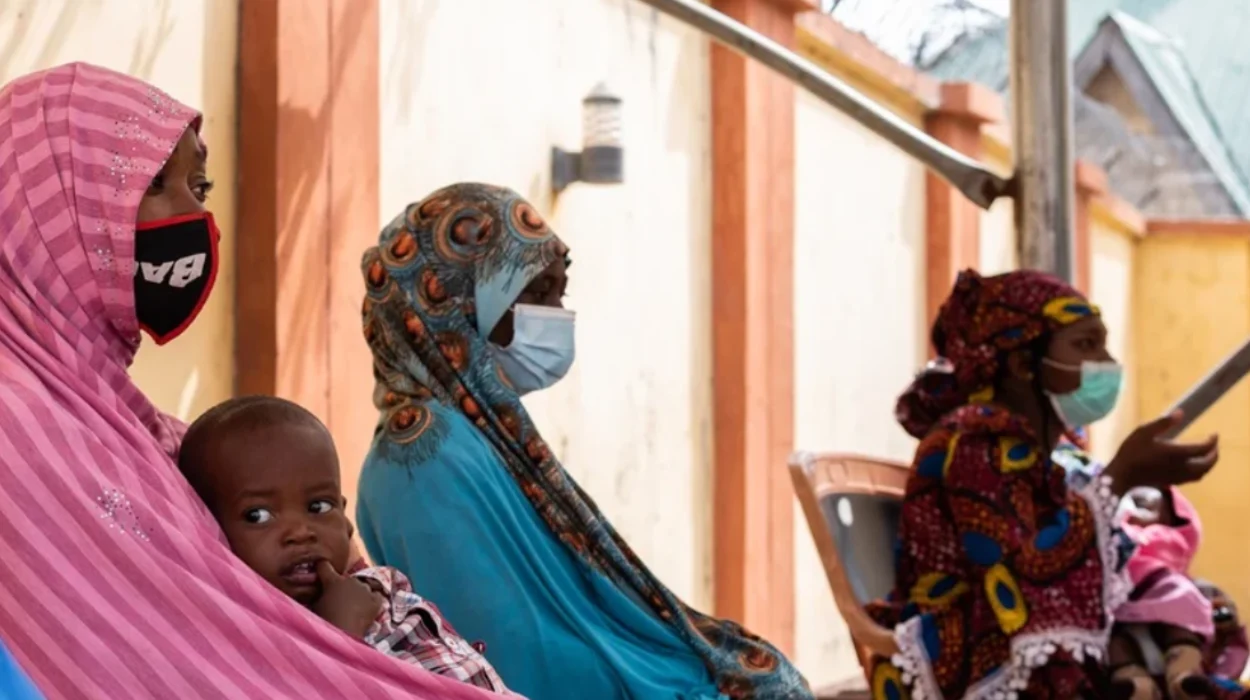
Breast cancer’s global burden reflects mounting incidence
and mortality in developing regions where healthcare infrastructure limits
early detection and treatment access. The IARC’s African Breast
Cancer-Disparities in Outcomes (ABC-DO) study found survival rates as low as
33% at seven years in some sub-Saharan African countries, compared to much
higher in wealthier nations. Mortality disparities also exist by age and
ethnicity, with younger women generally experiencing poorer outcomes. Awareness
campaigns like BCAM aim to close these gaps by advocating for equitable
healthcare delivery, educational outreach, and policy support for cancer
control programs worldwide. Challenges remain in overcoming cultural stigmas,
misinformation, and cost barriers to effective screening and treatment. Breast
Cancer Awareness Month serves as a vital annual reminder to sustain momentum in
research funding, health workforce training, and community engagement to reduce
breast cancer incidence and improve survival globally. The month also honors
millions affected by breast cancer and their unique journeys, reaffirming a
global commitment to prevent and control this pressing public health issue.
Breast Cancer Awareness Month plays an essential role in
creating global awareness around one of the most common and life-altering
cancers worldwide. With millions diagnosed annually, efforts focusing on risk
education, early detection, and advanced treatment continue to extend and
improve the lives of countless individuals. The persistent geographic and
demographic disparities highlight ongoing work needed in health equity.
Observance of October as Breast Cancer Awareness Month reinforces the
collective call to action—from patients and families to policymakers and
researchers—to elevate breast cancer prevention, care, and research on a
worldwide scale.